Julian Ungar-Sargon

  • Home
  • Theological Essays
  • Healing Essays
  • Podcast
  • Poetry
  • Daf Ditty
  • Deep Dive Ditty
  • Videos
  • Publications
  • Military Service
  • Home
  • Theological Essays
  • Healing Essays
  • Podcast
  • Poetry
  • Daf Ditty
  • Deep Dive Ditty
  • Videos
  • Publications
  • Military Service
Julian Ungar-Sargon copy 3.jpg

Daf Ditty

A wide-ranging commentary on the daily page of Talmud.

Chullin 25: אִיכָּא בֵּינַיְיהוּ כְּלֵי עֶצֶם

jyungar May 25, 2026

For the source text click/tap here: Chullin 25

To download, click/tap here: PDF

The Mishna on our daf continues the comparisons and contrasts between parallel situations in Jewish law. Thus we learn that a wooden utensil that is still in its golem state can become ritually defiled, even as simple wood slats cannot become defiled; metal, on the other hand cannot become ritually defiled in its golem state, while a simple piece of metal – e.g. a pin – is considered important enough to become ritually defiled.

The Gemara asks: What is different about these unfinished wooden vessels, with regard to which the halakha is that provided they are fit for use they are susceptible to impurity, and what is different about those unfinished metal vessels, with regard to which the halakha is that even if they are fit for use they are not susceptible to impurity until their crafting is complete? Rabbi Yoḥanan said: The difference is that since metal vessels are crafted foruses of honor, they are not considered vessels until their completion. Rav Naḥman said: The difference is that since the worth of metal vessels is expensive, they cannot be sold at that price unless they are complete.

The Gemara asks: What is the practical difference between their opinions? The Gemara answers: The difference between them is with regard to bone vessels crafted from horns, which are expensive but are not crafted for uses of honor. And Rav Naḥman follows his line of reasoning, as Rav Naḥman says: The halakhic status of bone vessels with regard to impurity is like that of metal vessels.

We explore the history of bone vessels in antiquity.
Tags 74th
Comment

Chullin 24: שָׁאנֵי לְשׁוֹן כַּשְׂדִּים, דְּקַלִּיל

jyungar May 24, 2026

For the source text click/tap here: Chullin 24

To download, click/tap here: PDF

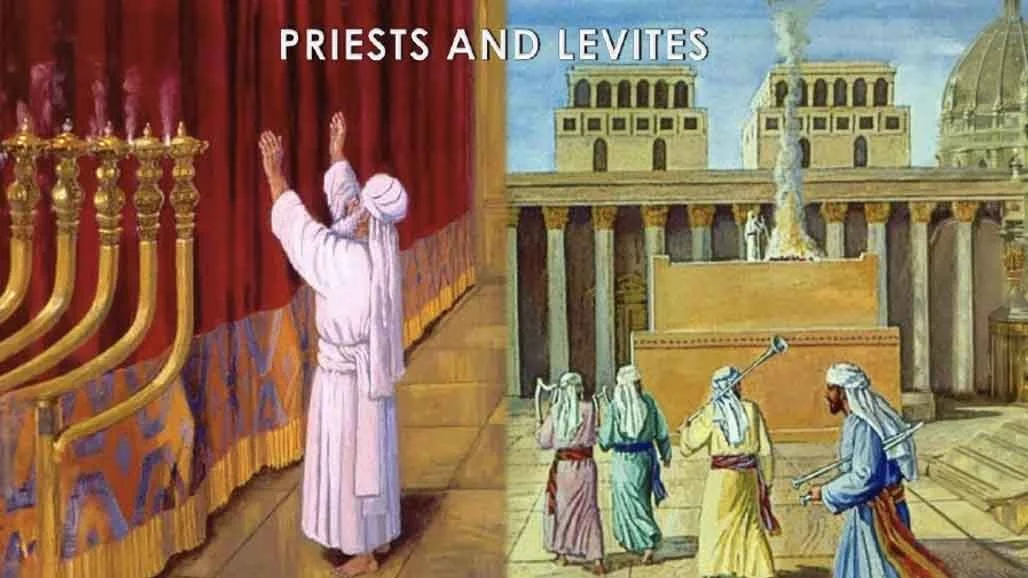
The Mishna on our daf teaches that the things that disqualify kohanim do not disqualify levi’im; similarly, the things that disqualify levi’im do not disqualify kohanim. This is explained by the baraita as follows:

Physical blemishes disqualify kohanim from performing the Temple service (see Vayikra 21:16-23), but there is no age limit for them.

Levi’im remain unaffected by physical blemishes and can continue their work in the Temple, but they can only serve between the ages of 25-50 (see Bamidbar 8:24-25).

These laws, however, are limited by our Gemara only to the Tabernacle in the desert, based on the passage in Sefer Bamidbar (4:47) that restricts the age limitation only to carrying the Tabernacle. The Gemara concludes that in Shiloh as well as in the permanent Temple, these age restrictions did not apply.

We explore how levites in their scribal role initiated the tradition of torah study.

Tags 74th
Comment

Chullin 23: הַגּוֹרָל עוֹשֶׂה חַטָּאת, וְאֵין הַשֵּׁם עוֹשֶׂה חַטָּאת

jyungar May 23, 2026

For the source text click/tap here: Chullin 23

To download, click/tap here: PDF

At the end of our daf we are introduced to a new Mishna. It tells us that what is fit in a red heifer is unfit in a heifer whose neck is broken. As well, what is fit in a heifer whose neck is broken is unfit in a red heifer.

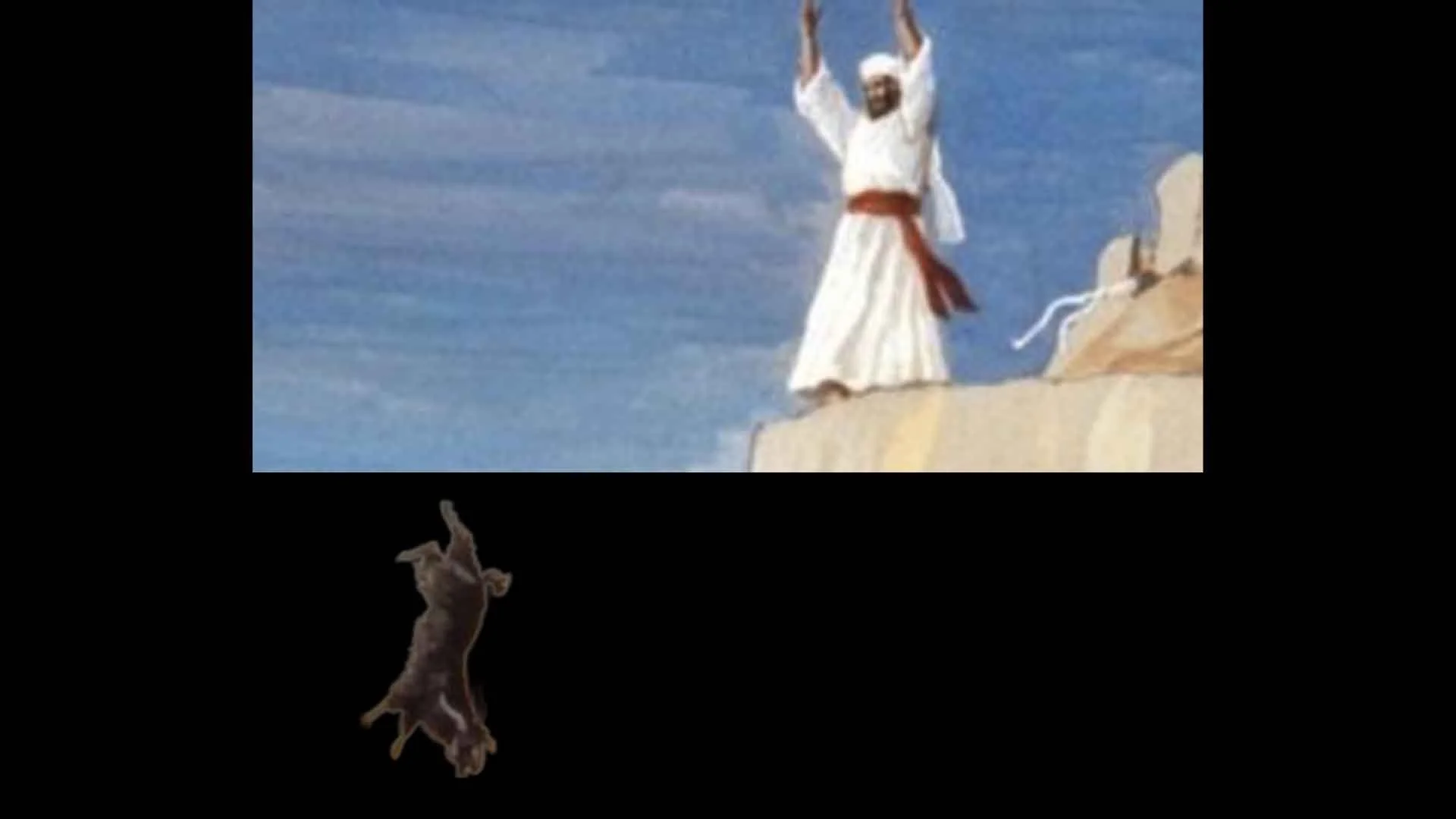
The Gemara then juxtaposes the parah adumah and the eglah arufah, detouring into the Yom Kippur lottery, as a sustained meditation on the limits of human agency in the production of atonement. הַגּוֹרָל עוֹשֶׂה חַטָּאת, וְאֵין הַשֵּׁם עוֹשֶׂה חַטָּאת

The Tannaitic source insists that the lottery (goral)—not verbal designation (shem)—constitutes the goat as a sin-offering.

The Amoraic discussion refuses to permit kal va-chomer to extend ritual logic across categories, invoking chok and lexical exclusion to interrupt inferential continuity.

Taken together, these textual moves disclose a theology in which the decisive transformations of sacred status occur outside the psychic economy of the subject.

Tags 74th
Comment

Chullin 22: אֶפְרוֹחָיו יְעַלְעוּ דָם

jyungar May 22, 2026

For the source text click/tap here: Chullin 22

To download, click/tap here: PDF

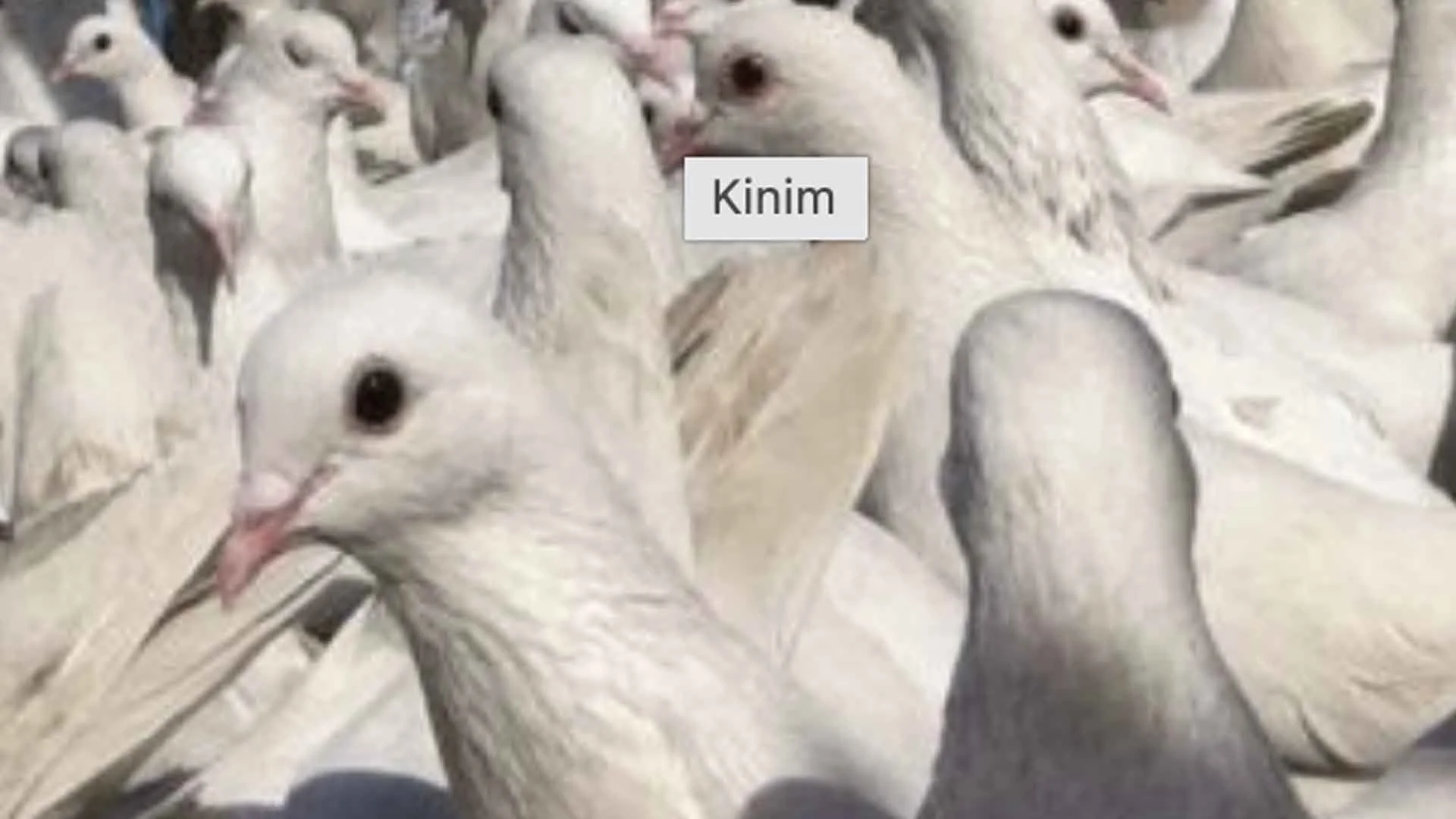
According to the Torah (Sefer Vayikra 1:14), the two types of birds that can be brought as sacrifices are torim and benei yona – turtledoves and pigeons. The tor that is referred to is identified as Streptopelia turtur, while the yona is identified as Columba livia domestica. These birds are consistently referred to differently, the former are called torim, while the latter are called benei yona.

This is understood by the Sages to mean that a tor is only qualified to be brought as a sacrifice when it is an adult bird, while the yona can only be brought when it is young, before it reaches adulthood. According to the Mishna on our daf, these two periods are mutually exclusive, and what would be an appropriate sacrifice in a pigeon would be inappropriate in a dove, and vice versa. The cut-off point between the two is just four or five days after hatching, when the bird’s body becomes covered with plumage – gold in the case of torim and yellow in the case of benei yona.

The ruling of the Mishna is that torim that are too small and benei yona that have already reached adulthood cannot be brought as sacrifices and therefore performing melika on them (see above, daf 19, for a description of melika) would not be effective in any way.

And yet the same lexical field that animates the sugya—efroach (chick), blood, the cut, the body-on-the-edge—is precisely the material out of which classical aggadah builds one of its most disturbing theological claims. The verse Job 39:30—וְאֶפְרֹחָיו יְעַלְעוּ־דָם וּבַאֲשֶׁר חֲלָלִים שָׁם הוּא ("his young suck blood, and where the slain are, there is he")—appears across at least seven distinct rabbinic compositions, where it is read against its peshat to mean not predation but Indwelling. The eagle of the verse becomes Aaron the High Priest; the chicks become Nadav and Avihu; the corpses become the bodies in the sanctuary on the day of its dedication; and the "He" of שָׁם הוּא—the simple deictic pronoun—is identified with the Shekhinah herself!!!

Tags 74th
Comment

Detail of Eli from Samuel Relating to Eli the Judgements of God upon Eli's House (1780) by John Singleton Copley

Chullin 21: עֲשָׂאָהּ גִּיסְטְרָא – נְבֵלָה

jyungar May 21, 2026

For the source text click/tap here: Chullin 21

To download, click/tap here: PDF

There are a number of circumstances where it is clear that an animal (or a person) is dead, even though there still may be some spontaneous movement of the limbs of the animal.

Thus, Rav Yehuda quotes Shmuel as saying that when someone’s neck is broken and the majority of the flesh in that area is torn, that person will already have the status of a dead body that ritually defiles the area where it is found.

Although the Gemara points to a case where it appears that this status can be attained when the neck is broken even if the flesh remains intact – the story of Eli HaKohen who falls backwards and breaks his neck upon hearing that the Holy Ark was taken captive in a war with the Philistines (see I Shmuel 4:18) – it explains that this was due to Eli’s old age and heaviness.

We explore the death of Eli the High Priest as well as the deeper meaning of talmudic definitions of death.

Tags 74th
Comment

Chullin 20: אֵין עִיקּוּר סִימָנִין בָּעוֹף

jyungar May 20, 2026

For the source text click/tap here: Chullin 20

To download, click/tap here: PDF

As we learned on yesterday’s daf the laws of sheḥita – ordinary ritual slaughter – and melika – the unique slaughter of birds as part of the Temple service – stand in contrast to one another. While sheḥita can only be performed on the front of the bird’s neck, melika can only be done on the back of the bird’s neck. Nevertheless, on today’s daf, Rabbi Yirmeya quotes Shmuel as teaching that there is one point of similarity between them. The area of the neck that is appropriate for sheḥita and melika are identical.

While comparing and contrasting these two methods of ritual slaughter, the Gemara makes reference to the fact that whether or not sheḥita is a Biblical requirement is, itself, a matter of disagreement (as we learned on yesterday’s daf, the Torah is clear about the requirement of melika – see Vayikra 1:14-17 and 5:8-10).

We explore the slaughtering of birds and the biblical rational as to why predators are prohibited, yet ducks kosher?

Tags 74th
Comment

Chullin 19: מַחֲזִיר סִימָנִים לַאֲחוֹרֵי הָעוֹרֶף וּמוֹלֵק

jyungar May 19, 2026

For the source text click/tap here: Chullin 19

To download, click/tap here: PDF

A new Mishna teaches us that when we slaughter from the side of the throat, the slaughter is valid. If one pinches the neck of a bird offering from the side, the slaughter is not valid. It is valid to pinch from the nape of the neck or slaughters from the throat. But if one pinches from the throat, the slaughter is not valid because the entire nape is valid for pinching and the entire throat is valid for slaughter. What is valid for slaughter is not valid for pinching and what is valid for pinching is not valid for slaughter.

We explore shechita of fowl and Halacha.

Tags 74th
Comment

Chullin 18: לִיעַיְּינוּ רַבָּנַן בְּמִלְּתֵיהּ, דִּתְלוּ בֵּיהּ טַפְלֵ

jyungar May 18, 2026

For the source text click/tap here: Chullin 18

To download, click/tap here: PDF

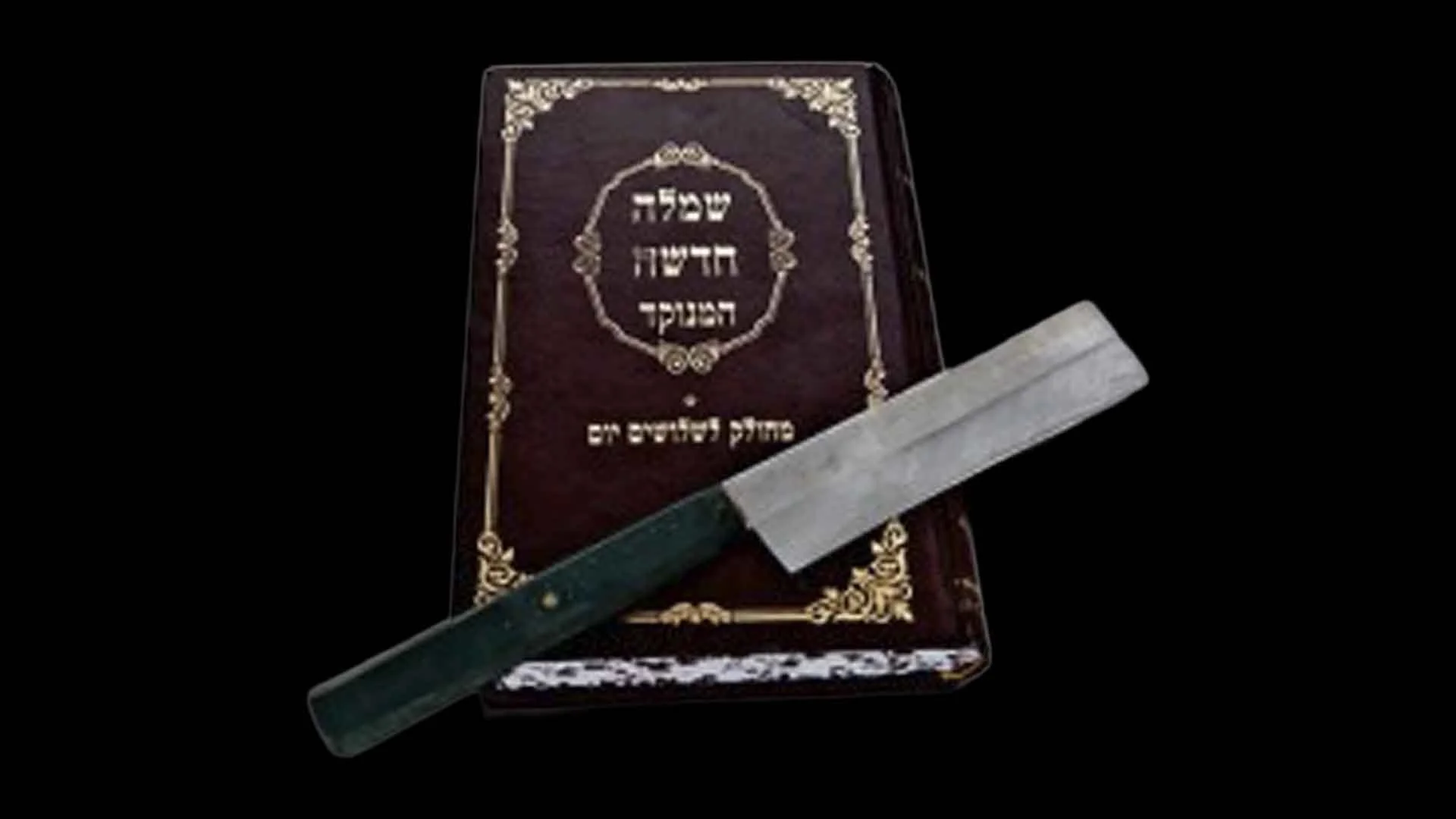
The slaughter knife needs to be absolutely smooth, without notches. It needs be examined using the flesh and the nail of a finger. In addition, the appointed slaughterer needs to show his knife for inspection to the local Sage, as a way of expressing the honor due the Sage.

The correct place for the slaughter cut is the front of the neck of the animal, and the knife should cut more than half of the trachea and esophagus. The trachea itself is encircled by many successive rings of cartilage, which are horseshoe shaped. The uppermost ring is a complete ring, and it forms the upper limit of the cut. If he cut above the upper ring, the shechitah is not kosher.

We explore the halachot and physiology of shechitah.

Tags 74th
Comment

Chullin 17: נְחִירָה שֶׁלָּהֶן זוֹ הִיא שְׁחִיטָתָ

jyungar May 17, 2026

For the source text click/tap here: Chullin 17

To download, click/tap here: PDF

Rebbi Akiva maintains that the Jewish people were permitted to eat meat in the Midbar even without Shechitah, and even from an animal that was killed with Nechirah (cutting the animal lengthwise). Rebbi Yirmeyah asks whether leftovers from this period were permitted once the Jewish people entered Eretz Yisrael.

How is it possible that such meat could be permitted, when the Torah explicitly prohibits meat from an animal that was not killed through Shechitah?

(a) RASHI (DH she'Hichnisu) writes that Rebbi Yirmeyah's question is solely theoretical and has no practical application. (Indeed, Rebbi Yirmeyah is known to ask such questions; see Bava Basra 23b.)

(b) The ROSH (1:23) disagrees with Rashi. He points out that the Gemara does not discuss Halachic questions which have no practical application.

We explore the halachot of meat especially during wartime.

Tags 74th
Comment

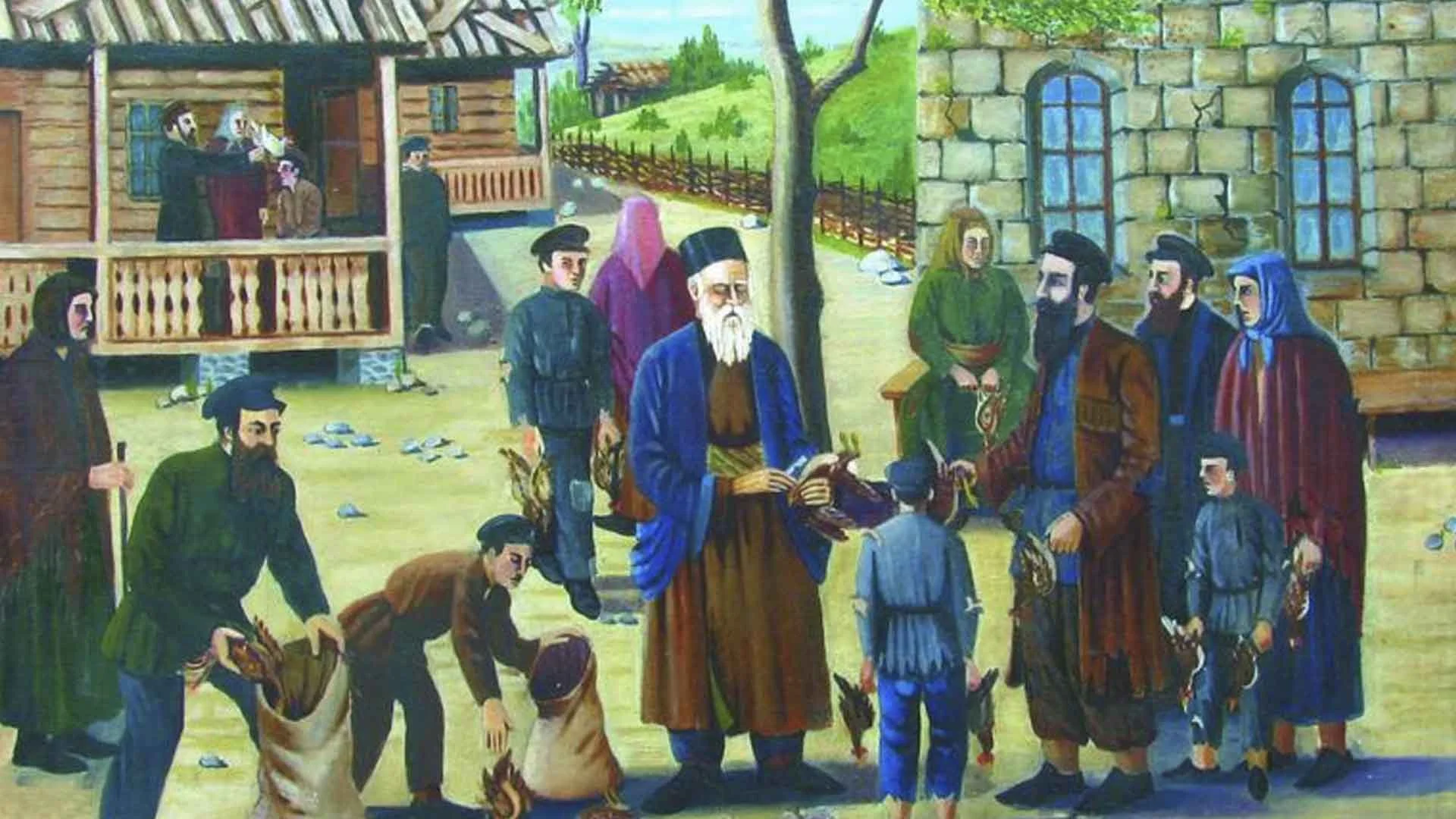
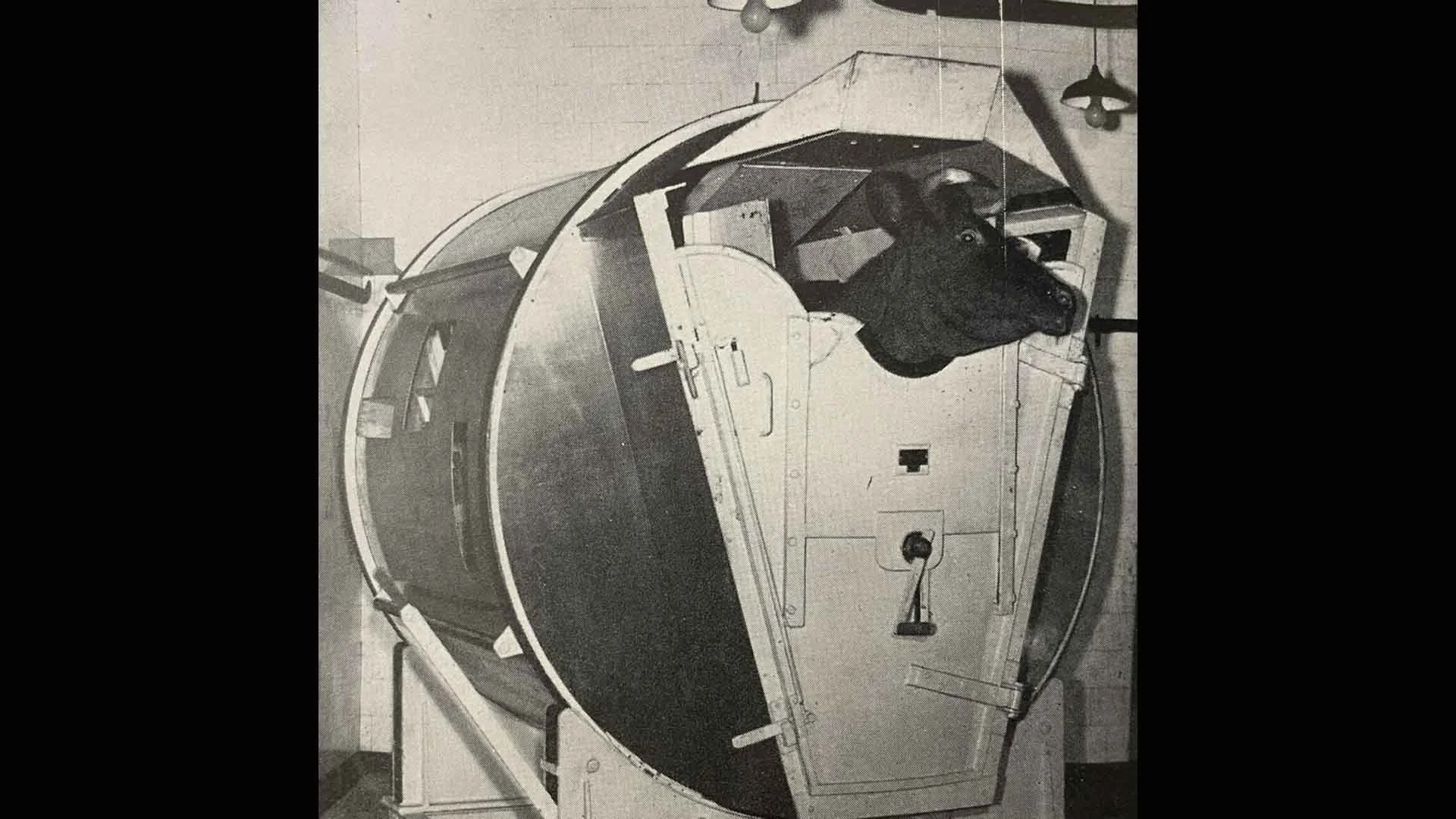
Solomon David Sassoon, London 1955 Mobilized compassion. Anti-Semitism, racism and animal welfare in the German debate on shechita (slaughtering)

Chullin 16: הַשּׁוֹחֵט בְּמוּכְנִי μηχανή שְׁחִיטָתוֹ כְּשֵׁרָה

jyungar May 16, 2026

For the source text click/tap here: Chullin 16

To download, click/tap here: PDF

Our daf unfolds along a deceptively technical path. Beginning with the question of whether ritual slaughter may be effected through a knife attached to a turning wheel, the discussion modulates with characteristic suddenness from the mechanics of force to the metaphysics of biblical exegesis. Rav sits behind Rabbi Chiyya, who sits before Rabbi Yehuda HaNasi—the very seating arrangement encoding a transmission of knowledge across three generations of the rabbinic academy—and Rebbe begins to expound. From where, he asks, do we derive that ritual slaughter must be performed with a detached blade? And he answers from the verse: "And Abraham stretched forth his hand and took the knife to slaughter his son" (Genesis 22:10).

Tags 74th
Comment

Chullin 15: מַאן דְּכַפְתֵיהּ לְחַבְרֵיהּ וְאַשְׁקֵיל עֲלֵיהּ בִּידְקָא דְּמַיָּא וּמִית

jyungar May 15, 2026

For the source text click/tap here: Chullin 15

To download, click/tap here: PDF

Regarding the implements that may be used for sheḥita – ritual slaughter – the Mishna on our daf teaches:

If one slaughtered with the smooth edge of a hand sickle, with a flint or with a reed, the slaughtering is valid. All may slaughter; at all times one may slaughter; with any implement one may slaughter, excepting a harvest sickle, a saw, teeth or a fingernail, since these strangle.

The Gemara points out that the expression used by the Mishna, that slaughtering with the abovementioned implements is valid, indicates that the sheḥita is valid ex post-facto, but that ideally it should not be used. In the case of a hand sickle, or magel yad, the Gemara suggests that the reason for this is obvious – we fear lest the slaughterer might use the wrong side of the sickle, which would be invalid. According to Rashi, the wrong side of the magel yad has a serrated edge, while according to the Ra’avad, the magel yad is a type of axe, and the wrong side is sharp, but pointed and not long enough to perform sheḥita.

We explore how our mishna and its accompanying gemara enclose a remarkable amount of conceptual machinery. They oscillate between the materiality of the cutting edge and the metaphysics of the agent who wields it; between the ancient repertoire of Iron Age and Roman-period implements and the abstract question of when an act of severance counts as a human act. Our daf has migrated from blades to mechanical contrivances — the mukhni, the potter’s wheel, the waterwheel — and from the slaughter of beasts to the killing of men, with Rav Pappa’s celebrated ruling on the bound captive and the diverted water (bidka de-maya).

Tags 74th
Comment

Karaite Synagogue in Ramla

Chullin 14: אֵין אָדָם מַתְנֶה עַל שְׁנֵי דְּבָרִים כְּאֶחָד

jyungar May 14, 2026

For the source text click/tap here: Chullin 14

To download, click/tap here: PDF

According to the Mishna on our daf if someone performs sheḥita (ritual slaughter) on an animal on Shabbat or on Yom Kippur, although the act of killing an animal on those days is forbidden and the person who performs sheḥita is liable to receive a death penalty, nevertheless the animal is kosher and can be eaten.

Rav Huna quotes Ḥiyya bar Rav in the name of Rav as teaching that the animal may be kosher, but it still cannot be eaten on that day. This was understood by the Sages as an indication that Rav understood the Mishna as following the opinion of Rabbi Yehuda.

Our Daf confronts a question whose apparent simplicity belies its conceptual depth: what is the ontological and halakhic status of a living animal during its lifetime? Is it intrinsically directed toward eventual consumption — baʽalei chayim be-chayeihem omedim le-akhilah — such that even while alive it is already, in some legally meaningful sense, prepared for the table? Or is its primary teleological orientation breeding, growth, and continued life — omedim le-giddul, or, as some authorities frame it, omedim le-velad — such that slaughter, when it occurs, constitutes a categorical disruption of the animal’s standing designation rather than its fulfilment?

We explore this them as well as Karate interpretations.

Tags 74th
Comment

'The blue kingdom' by Jay Younger. 1987

Chullin 13: אֵין מִינִין בָּאוּמּוֹת

jyungar May 13, 2026

For the source text click/tap here: Chullin 13

To download, click/tap here: PDF

Our Mishna teaches us that when a non-Jew performs shechita, ritual slaughter, the animal is not kosher. Are we permitted to use that meat for purposes other than consumption? Are we assuming that a non-Jew is slaughtering animals for purposes of idolatry? Usually we do not. Although, we are taught, a min, Jewish heretic, is assumed to be slaughtering animals for purposes of idolatry.

A baraita tell us that ritual slaughter performed by a min is assumed to be intended for idolatry. His bread is the bread of Kutim, his wine is used for idolatrous purposes, his scrolls of the law are like the books of sorcerers and his fruit is untithed.

"The Master said in the mishna: Slaughter performed by a gentile renders the animal an unslaughtered carcass. The Gemara challenges this: And let us be concerned that perhaps he is a heretic who is a devout idolater and deriving benefit from his slaughter is prohibited. Rav Naḥman said that Rabba bar Avuh says: There are no such heretics among the nations of the world."

We explore the attitudes shaping Jewish Gentile relations through the eyes of Rabbi Jonathan Sacks.

Tags 74th
Comment

Chullin 12: רוֹב מְצוּיִין אֵצֶל שְׁחִיטָה מוּמְחִין הֵן

jyungar May 12, 2026

For the source text click/tap here: Chullin 12

To download, click/tap here: PDF 

Rav Naḥman quotes Rav as teaching that if someone watches a person perform sheḥita – ritual slaughter – from the beginning to the end, the animal can be eaten, but if he does not see the entire process, it cannot be eaten. The Gemara explains that if the slaughterer was a known professional there is no need to watch him throughout, and this statement refers to someone who was not knowledgeable in the laws of sheḥita.

I might have thought that if we see him perform half of the slaughter properly we can assume that the rest was done properly, as well, so Rav Naḥman teaches us that we cannot make that assumption and must watch the entire process.

We explore the notion of the presumption of expertize in schechita and other halachot.

Tags 74th
Comment

Chullin 11: זִיל בָּתַר רוּבָּא

jyungar May 11, 2026

For the source text click/tap here: Chullin 11

To download, click/tap here: PDF

One of the basic principles in Jewish law is that we follow the rov – the majority. The Gemara onour daf searches for a source for this rule, and distinguishes between two different types of majorities:

Ruba d’ita kaman – when the majority is clearly defined, before us. The Gemara’s examples are cases like the Sanhedrin, where the Sages would vote and the majority opinion would be accepted or a case where there are nine stores that sell kosher meat and one that sells non-kosher meat, and unidentified meat is found between them.

Ruba d’leta kaman – when the majority is undefined, that is, where we know what the majority is but it is not something before us that we can count. The Gemara’s examples are a young boy and girl who fall to each other in a situation of levirate marriage, and we assume that neither are sterile, since the vast majority of the population is not sterile.

We explore the rule of the majority.

Tags 74th
Comment

Chullin 10: כל סָפֵק בִּשְׁחִיטָה לְאֵתוֹיֵי מַאי

jyungar May 10, 2026

For the source text click/tap here: Chullin 10

To download, click/tap here: PDF

Our daf concerning a knife found nicked after shechita presents one of the most subtle and revealing disputes in the halachic imagination. At first glance, the question appears technical: if the knife is discovered to be defective only after the act of slaughter, do we assume that the defect existed at the time of the cut—thereby invalidating the shechita—or do we attribute the defect to subsequent use, preserving the animal’s kashrut? Yet beneath this legal problem lies a profound inquiry into how halacha understands time, presumption, and the moral demand for certainty in sacred action.

We continue our introduction to shechita and its laws.

Tags 74th
Comment

Chullin 9: בְּהֵמָה בְּחַיֶּיהָ בְּחֶזְקַת אִיסּוּר עוֹמֶדֶת

jyungar May 9, 2026

For the source text click/tap here: Chullin 9

To download, click/tap here: PDF

On our daf Rav Yehuda quotes Rav as teaching that a talmid chacham – a scholar – must know three things:

ketav (writing),

shechita (kosher slaughter) and

milah (circumcision).

Rav Chananiah bar Shelemia quotes Rav as teaching three additional things:

kesher shel Tefillin (phylactery knots)

birkat chatanim (blessings made at weddings)

tzitzit (ritual fringes).

The Me’iri explains that although we expect that a Torah scholar would devote his energies to learning theory, still there are certain practical things that he must learn to do. These are things about which people run to ask the scholar questions, and if he is unable to respond, his reputation will be tarnished. Others suggest that a scholar must take an interest in community affairs and these are basic issues that he must deal with.

We explore the qualifications of a Talmid Chacham.

Tags 74th
Comment

Shechita permit from Rome, 1762. Today in the Jewish Museum of Switzerland's collection

Chullin 8: מִשּׁוּם דְּקָא בָלְעָה אִיסּוּרָא

jyungar May 8, 2026

For the source text click/tap here: Chullin 8

To download, click/tap here: PDF

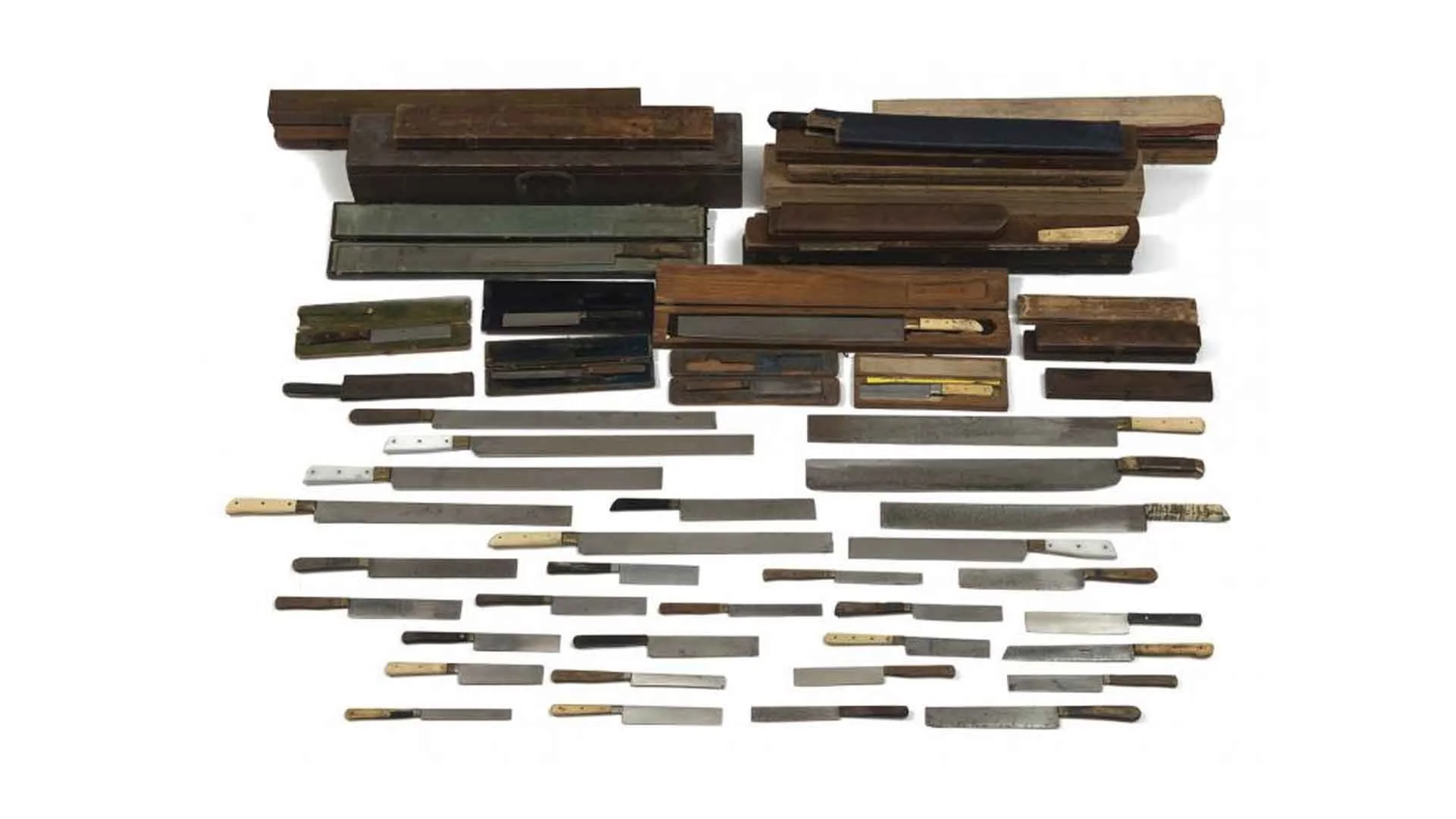
On our daf, Rav Yehuda quotes Rav as teaching that a Kosher butcher needs a number of special utensils in order to avoid halakhic problems.

A butcher needs to have two separate tubs of water – one where he washes the meat and the other where he washes the forbidden fats.

Similarly, a butcher needs to keep three separate knives – one for slaughter, one for cutting meat and one for cutting off forbidden fats.

The reason that the butcher needs a separate knife for slaughter seems clear. Since we do not want the shehitah knife to develop nicks or other deficiencies that would render it unfit for slaughter, we do not want the butcher cutting meat that might have bones that may ruin the blade. Rashi explains that although the butcher should really check the knife before using it for shechita so he would, theoretically, discover any problems with the knife, nevertheless the Sages feared that if he is in a hurry he may neglect to do so.

We explore the world of knives and criteria for schechita.

Tags 74th
Comment

Chullin 7: ״אֵין עוֹד מִלְּבַדּוֹ״ – אָמַר רַבִּי חֲנִינָא: וַאֲפִילּוּ כְּשָׁפִים

jyungar May 7, 2026

For the source text click/tap here: Chullin 7

To download, click/tap here: PDF

The Gemara mentions in passing that we can be certain that God would not allow a tzaddik – a righteous person – to sin by eating forbidden foods, since He even prevents the animals of such people from doing so. In explanation of this statement, the Gemara relates the story of Rabbi Pinchas ben Yair and his donkey.

The aggada consists of three parts, or “acts,” each taking place in a different location. The three acts collectively create a single continuum, whose framework is R. Pinchas b. Yair’s journey to redeem captives. Each act presents an event or challenge along the way.

The question arises: what unifies the various parts of the aggada? Is this merely a series of events that happen to take place over the course of a single journey, or is there a common theme that connects them conceptually and not only chronologically?

The Gemara relates other statements of Rabbi Ḥanina: With regard to the verse:

“There is none else beside Him” (Deuteronomy 4:35), Rabbi Ḥanina says: And even sorcery is ineffective against the will of God. The Gemara relates: There was a certain woman who would try to take dust from beneath the feet of Rabbi Ḥanina in order to perform sorcery on him and harm him. Rabbi Ḥanina said to her: Take the dust, but the matter will be ineffective for you, as it is written: “There is none other beside Him.”

We explore the history of "Ein od milvado" from Deut to our daf until the split between the Gra and Alter Rebbe as to the meaning of the Tzimtzum.

Tags 74th
Comment

Chullin 6: מִכָּאן לְתַלְמִיד חָכָם שֶׁאָמַר דְּבַר הֲלָכָה, שֶׁאֵין מְזִיחִין אוֹתוֹ

jyungar May 6, 2026

For the source text click/tap here: Chullin 6

To download, click/tap here: PDF

Few principles in the rabbinic corpus carry the weight—and the latent danger—of the assertion that tzaddikim ein ha-Kadosh Barukh Hu mevi takalah al yadam, that the Holy One does not bring about a mishap through the righteous. The doctrine appears in several places in the Bavli, but nowhere more prominently than in the opening sugyot of Tractate Chullin, where it functions as a procedural tool for the recovery of halakhic conclusions from the observed conduct of sages (1). On its face the principle is consoling: it expresses confidence that providence accompanies moral seriousness, that the divine attention that hovers over the world will not allow those who strive for righteousness to inadvertently fall into transgression. Beneath this consolation, however, lies a network of ethical, epistemological, and theological problems that the our explorationaims to bring into view.

Tags 74th
Comment
  • Daf Ditty
  • Older
  • Newer

Julian Ungar-Sargon

This is Julian Ungar-Sargon's personal website. It contains poems, essays, and podcasts for the spiritual seeker and interdisciplinary aficionado.​