
For the source text click/tap here: Chullin 21
To download, click/tap here: PDF
There are a number of circumstances where it is clear that an animal (or a person) is dead, even though there still may be some spontaneous movement of the limbs of the animal.
Thus, Rav Yehuda quotes Shmuel as saying that when someone’s neck is broken and the majority of the flesh in that area is torn, that person will already have the status of a dead body that ritually defiles the area where it is found.
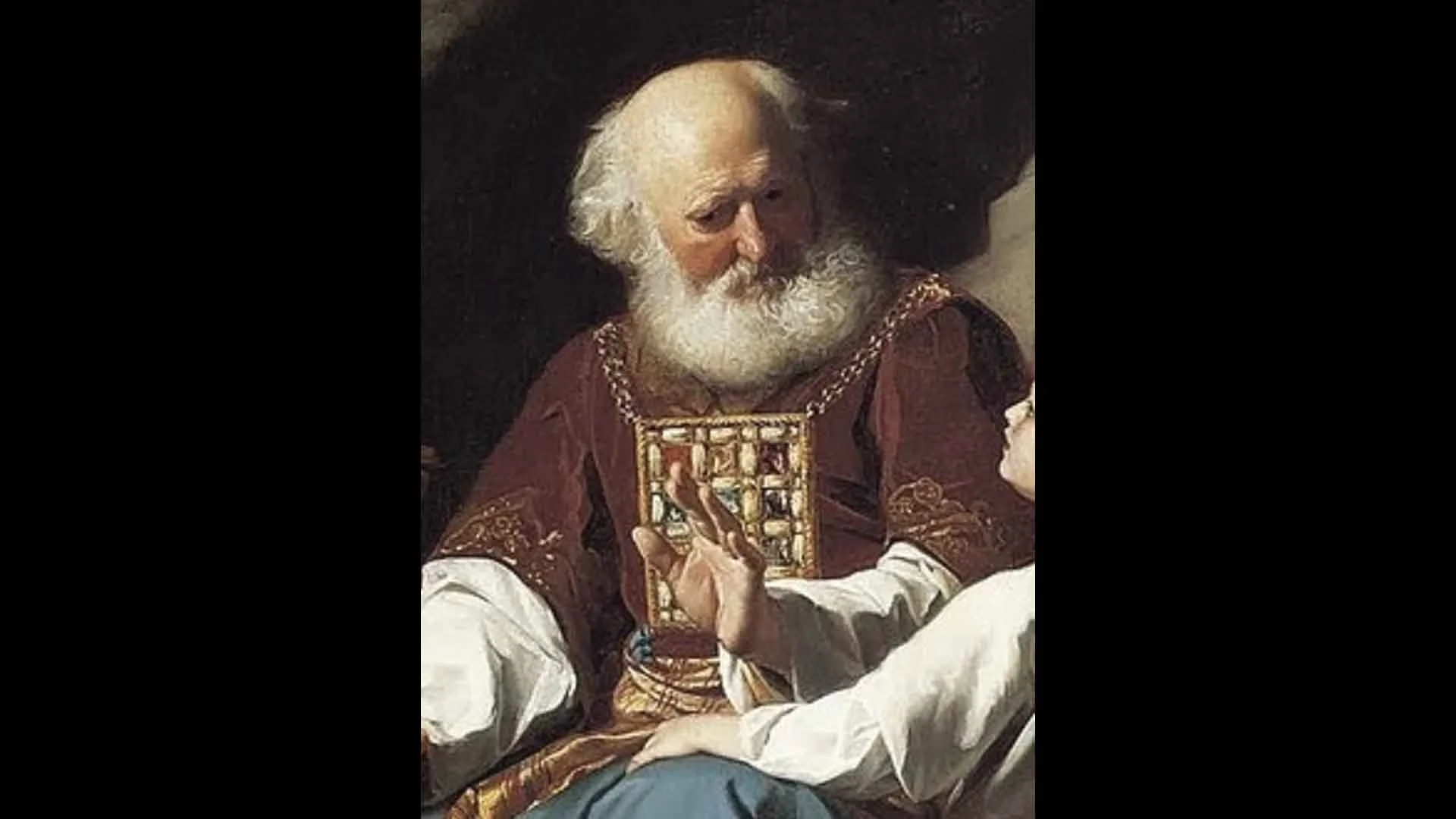
Although the Gemara points to a case where it appears that this status can be attained when the neck is broken even if the flesh remains intact – the story of Eli HaKohen who falls backwards and breaks his neck upon hearing that the Holy Ark was taken captive in a war with the Philistines (see I Shmuel 4:18) – it explains that this was due to Eli’s old age and heaviness.
We explore the death of Eli the High Priest as well as the deeper meaning of talmudic definitions of death.