
For the source text click/tap here: Chullin 22
To download, click/tap here: PDF
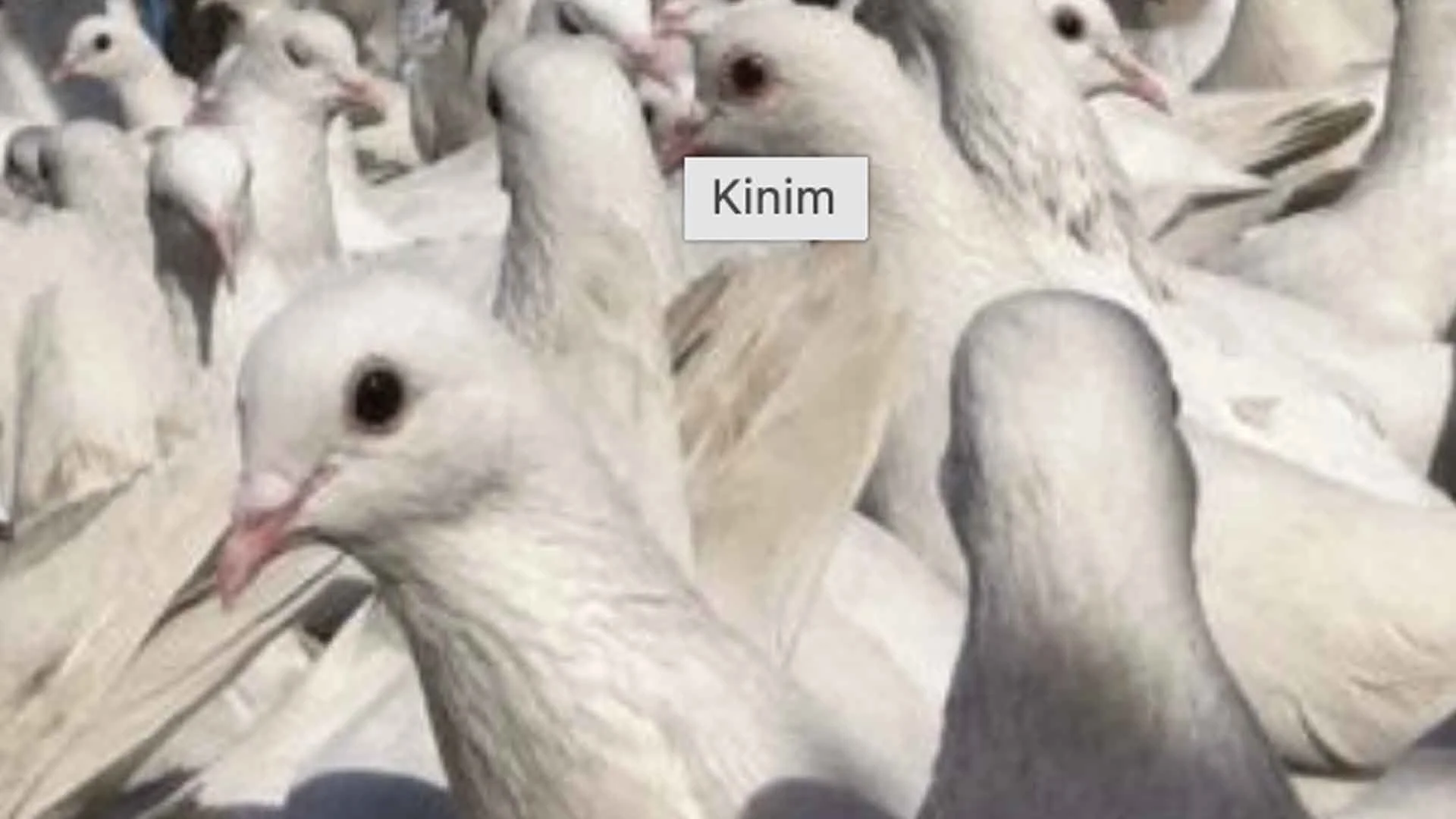
According to the Torah (Sefer Vayikra 1:14), the two types of birds that can be brought as sacrifices are torim and benei yona – turtledoves and pigeons. The tor that is referred to is identified as Streptopelia turtur, while the yona is identified as Columba livia domestica. These birds are consistently referred to differently, the former are called torim, while the latter are called benei yona.
This is understood by the Sages to mean that a tor is only qualified to be brought as a sacrifice when it is an adult bird, while the yona can only be brought when it is young, before it reaches adulthood. According to the Mishna on our daf, these two periods are mutually exclusive, and what would be an appropriate sacrifice in a pigeon would be inappropriate in a dove, and vice versa. The cut-off point between the two is just four or five days after hatching, when the bird’s body becomes covered with plumage – gold in the case of torim and yellow in the case of benei yona.
The ruling of the Mishna is that torim that are too small and benei yona that have already reached adulthood cannot be brought as sacrifices and therefore performing melika on them (see above, daf 19, for a description of melika) would not be effective in any way.
And yet the same lexical field that animates the sugya—efroach (chick), blood, the cut, the body-on-the-edge—is precisely the material out of which classical aggadah builds one of its most disturbing theological claims. The verse Job 39:30—וְאֶפְרֹחָיו יְעַלְעוּ־דָם וּבַאֲשֶׁר חֲלָלִים שָׁם הוּא ("his young suck blood, and where the slain are, there is he")—appears across at least seven distinct rabbinic compositions, where it is read against its peshat to mean not predation but Indwelling. The eagle of the verse becomes Aaron the High Priest; the chicks become Nadav and Avihu; the corpses become the bodies in the sanctuary on the day of its dedication; and the "He" of שָׁם הוּא—the simple deictic pronoun—is identified with the Shekhinah herself!!!