Julian Ungar-Sargon

  • Home
  • Theological Essays
  • Healing Essays
  • Podcast
  • Poetry
  • Daf Ditty
  • Deep Dive Ditty
  • Videos
  • Publications
  • Military Service
  • Dominican University
  • Home
  • Theological Essays
  • Healing Essays
  • Podcast
  • Poetry
  • Daf Ditty
  • Deep Dive Ditty
  • Videos
  • Publications
  • Military Service
  • Dominican University
Julian Ungar-Sargon copy 3.jpg

Daf Ditty

A wide-ranging commentary on the daily page of Talmud.

Zevachim 105: הֵיכָן נִשְׂרָפִין? לִצְפוֹן יְרוּשָׁלַיִם

jyungar December 28, 2025

For the source text click/tap here: Zevachim 105

To download, click/tap here: PDF

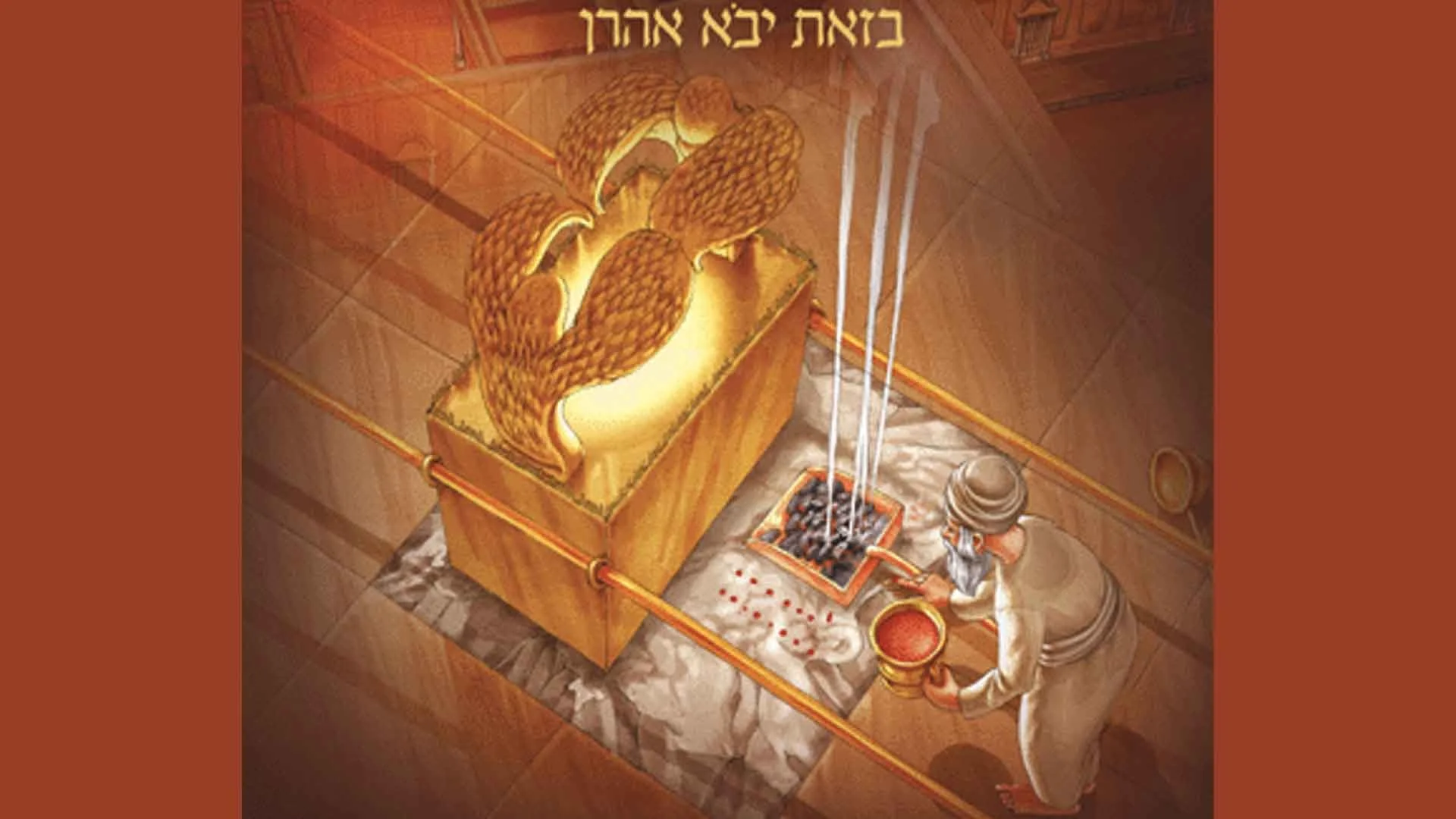
The Gemara on our daf discusses the source for this halakha and quotes a baraita that explains that regarding the sacrifices brought on Yom Kippur the Torah sounds as if they must be removed and burned outside of a single encampment (see Lev 16:27), while regarding other such sacrifices the requirement is to burn them outside of three camps (the inner camp of the Tabernacle, the middle camp of the tribe of Levi and the outer camp of Israelites) in the desert.

From this we understand that although the sacrifices must be burned on the beit ha-deshen outside of all three camps (and in Temple times, outside the walls of the city of Jerusalem), nevertheless, the ritual defilement of the clothing of the kohanim associated with this service takes effect immediately upon leaving the encampment of the Tabernacle (or the Temple courtyard).

Tags 70th
Comment

Zevachim 104: שְׁלֹשָׁה בֵּית הַדְּשָׁנִין הֵן

jyungar December 27, 2025

For the source text click/tap here: Zevachim 104

To download, click/tap here: PDF

There are some korbanot that must be burned entirely after their blood is sprinkled on the altar and their innards are sacrificed. Thus, many of the Yom Kippur sacrifices, as well as some of the public guilt offerings (for example, those brought by the kohen gadol, and those brought by the Great Sanhedrin that erred and caused the majority of the community to sin) were taken to the beit ha-deshen – the place of the ashes – to be burned (see Vayikra 4:12). If, however, a korban is burned because it must be destroyed, e.g. some error or blemish kept it from being brought as a sacrifice, the Mishna on today’s daf teaches that it is not taken to the beit ha-deshen, rather it is burned in the beit ha-bira.

What were these places where the sacrifices were burned?

Rav Naḥman quotes Rabba bar Avuh as teaching that there were three places in the environs of the Temple that served as repositories for ashes.

We explore the meaning of ash in bible talmud and memory.

Tags 70th
Comment

Zevachim 103: עוֹרוֹת קדְשֵׁי קָדָשִׁים לְכֹהֲנִים

jyungar December 26, 2025

For the source text click/tap here: Zevachim 103

To download, click/tap here: PDF

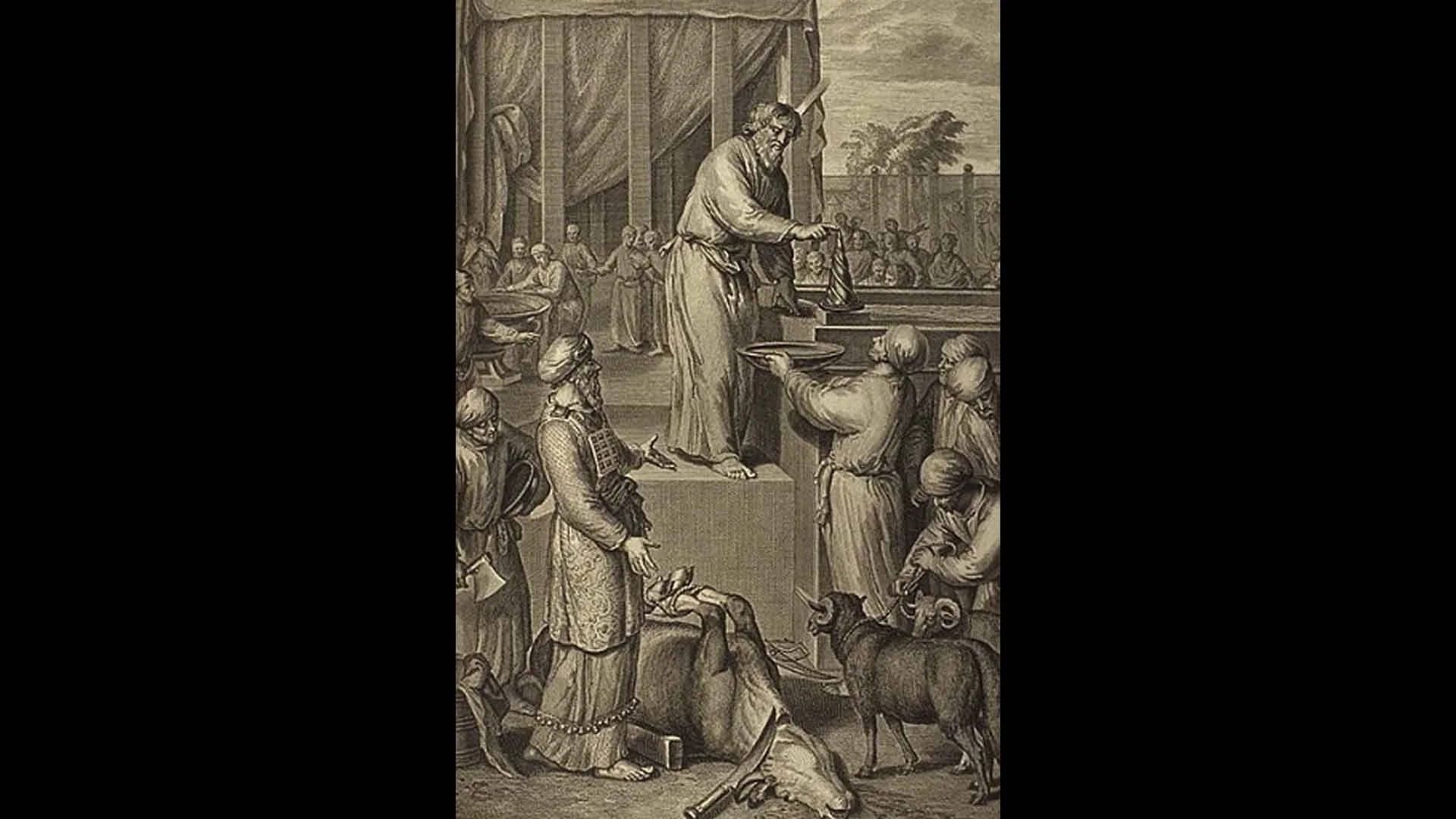
Sacrifices where the meat was not put on the altar will not have their hides given to the Kohanim. This is called olah ish, a sacrifice that is valid for a person. The hides of sacrifices offered without proper intent were still given to the priests. The hide is given to the kohanim whether it was brought by a man or a woman. The owners keep the hides of the less holy sacrifices and the priest keep those of the most holy sacrifices. In the case of a burnt offering, which is burned completely, the priests acquire its hide - the rabbis ask why they shouldn't receive the hides in all cases. The altar does not change anything for only the meat is burned on the altar.

The Beraisa discusses the source for the law that the Kohanim receive the hides of Korbanos. The Torah explicitly states that the Kohanim receive the hide of a Korban Olah, but it does not mention this law with regard to other Korbanos. Although the Tana'im derive the law for other Korbanos in different ways, they agree that the hides of other Korbanos of Kodshei Kodashim go to the Kohanim. Does this mean that those hides have the same status as the hide of the Korban Olah, or does it mean that the hides of other Kodshei Kodashim are simply considered secondary to the meat of their Korbanos, which is also given to the Kohanim?

Tags 70th
Comment

Moses And The Burning Bush, By An Unknown 15th-Century Artist

Zevachim 102: לְעוֹלָם תְּהֵא אֵימַת מַלְכוּת עָלֶיךָ

jyungar December 25, 2025

For the source text click/tap here: Zevachim 102

To download, click/tap here: PDF

When Moshe is reluctant to accept the responsibilities of leadership, refusing God’s repeated requests that he return to Egypt as leader of the Children of Israel (see Sefer Shemot Chapters 3 and 4), God ultimately becomes angry with Moshe and tells him that his brother Aharon the Levite will speak on his behalf (Shemot 4:14).

Rabbi Shimon bar Yoḥai interprets this passage to mean that God had originally planned to make Moshe the priest and leave Aharon as a levi. Since Moshe refused to accept responsibility as a leader, God was going to switch their positions so that Aharon became the kohen and Moshe remained a Levi.

We review various commentaries on the relative roles of Moshe and Aharon.

Tags 70th
Comment

Zevachim 101: וַתִּקְרֶאנָה אֹתִי כָּאֵלֶּה

jyungar December 24, 2025

For the source text click/tap here: Zevachim 101

To download, click/tap here: PDF

The Gemara discusses Aharon's answer to Moshe Rabeinu's question about why Aharon did not eat the Korban of Rosh Chodesh when he was explicitly told that he should eat the Korbanos of the Milu'im even though he was an Onen. Aharon explained that perhaps Hash-m had told Moshe Rabeinu that Aharon was permitted to eat Kodshei Sha'ah (Korbanos brought specially for the Milu'im). Aharon did not think that this leniency applied to Kodshei Doros (Korbanos brought in all generations), since the Halachah is that even a Kohen Gadol who is an Onen is not allowed to eat such Korbanos.

The Gemara quotes the verse which relates Moshe Rabeinu's response: "va'Yishma Moshe va'Yitav b'Einav" -- "and Moshe heard and it was good in his eyes" (Vayikra 10:20). The Gemara explains that Moshe admitted to his error and was not embarrassed to say, "That is what I heard, and I forgot," when he could have said, "That is not what I heard.”

We explore the deeper meanings behind their exchange.

Tags 70th
Comment

Julian Ungar-Sargon

This is Julian Ungar-Sargon's personal website. It contains poems, essays, and podcasts for the spiritual seeker and interdisciplinary aficionado.​