
For the source text click/tap here: Menachot 96
To download, click/tap here: PDF
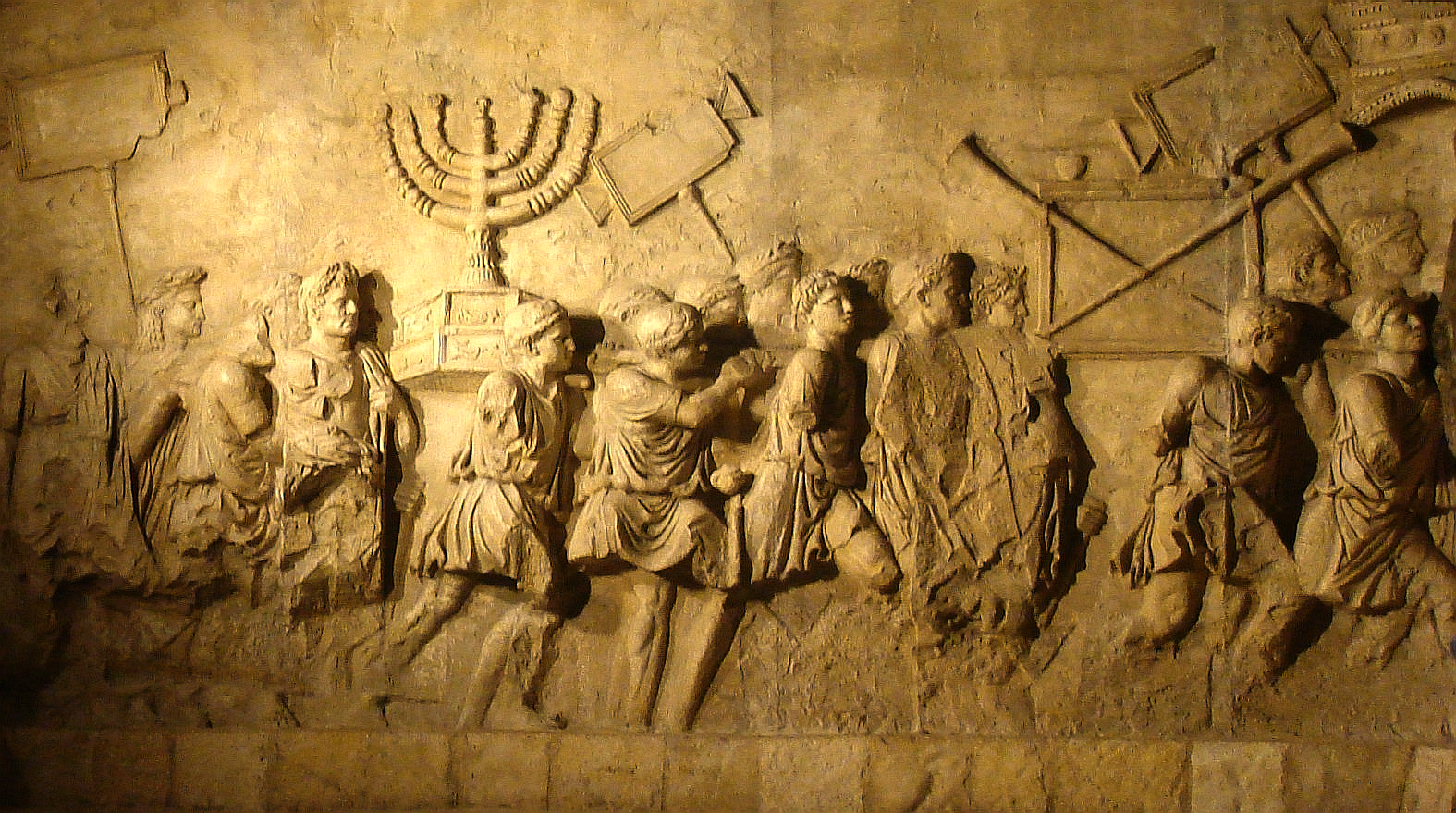
The table in the Temple served to hold the 12 loaves of the leḥem ha-panim – the Shewbread. On our daf Reish Lakish teaches that the table, together with its loaves, served a unique purpose in the Temple.
Reish Lakish teaches that when the Torah talks about the “pure” table in the Temple (see Vayikra 24:6), it implies that the table could become ritually defiled. This demands explanation, since vessels that cannot be moved are not subject to the laws of ritual purity. He explains that the table was, in fact, moved, since the priests would take the table out of the Temple to show it to the pilgrims who came bringing sacrifices during the holidays. The table was shown to them based on Rabbi Yehoshua ben Levi’s teaching that the table showed God’s direct love of the Children of Israel inasmuch as it represented an ongoing miracle – the loaves that were placed on the table at the beginning of the week remained warm and fresh when they were removed and eaten at the end of the week.
With regard to the two loaves, their length is seven handbreadths, their width is four handbreadths, and they have hornlike protrusions made of dough that is attached to each of their corners, which are four fingerbreadths high. With regard to the loaves of shewbread, their length is ten handbreadths, their width is five handbreadths, and each loaf’s hornlike protrusions is seven fingerbreadths high.
We explore the “horns of the altar” especially in Psalm 118 .״אִסְרוּ חַג בַּעֲבוֹתִים עַד קַרְנוֹת הַמִּזְבֵּחַ״.