
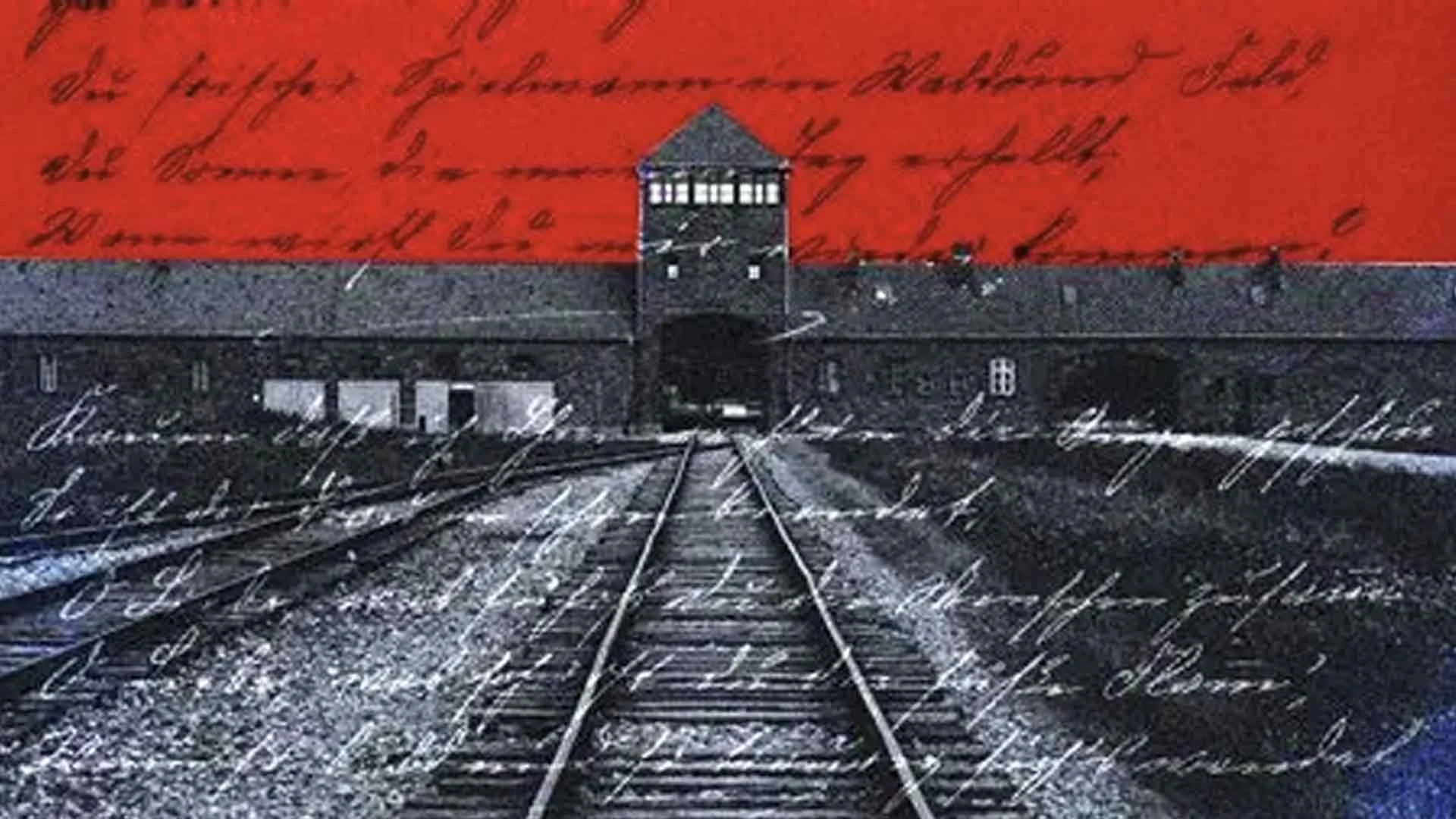
The Wound as Altar: An Anti-Theodicy of the Shoah
This essay assembles into systematic form the post-Holocaust theology that has emerged across three decades of my struggle with a cohesive explanation of theodicy in the face of the Tremendum. Its central thesis is that a Jewish theology capable of surviving Auschwitz and an Octiber 7th, must be built on four interlocking commitments: first, an uncompromising anti-theodicy that refuses every attempt to explain the Shoah theologically, and most emphatically the attempts by certain Jewish theologians to locate its cause in the victims' alleged deficiencies — Zionism, Bundism, Haskalah, assimilation, insufficient piety, inadequate Torah study; second, the Piaseczner Rebbe's practice of teaching-without-explanation within the Warsaw Ghetto, epitomized by his 1942 marginal note conceding that the present suffering exceeded all prior Jewish historical precedent; third, the Lubavitcher Rebbe's theological move, according to which divine contraction (tzimtzum) precedes and enables the very possibility of moral failure, tempered by the Rebbe's own rejection of every theodicy for the Shoah; and fourth, Elliot Wolfson's apophatic discipline, in which divine essence functions as a regulative linguistic limit rather than an ontological substrate, and in which post-Holocaust faith must remain linguistically wounded.1,2,3 Drawing on the author's own articulated framework of hermeneutic medicine, therapeutic tzimtzum, Shekhinah consciousness etc, the essay proposes a Judaism after Auschwitz grounded in wounded address without theodicy and in compassionate presence in place of explanation. The poems Ashen Soul (2019) and The Insanity of the Last Century (2025) are adduced as the author's own lyric articulation of this theology: the heavens disqualified as witnesses, the earth tainted with ash, and the hands of the healer — rather than the catechism of the theologian — becoming the altar.