
The Inner Light and the Outstretched Hand
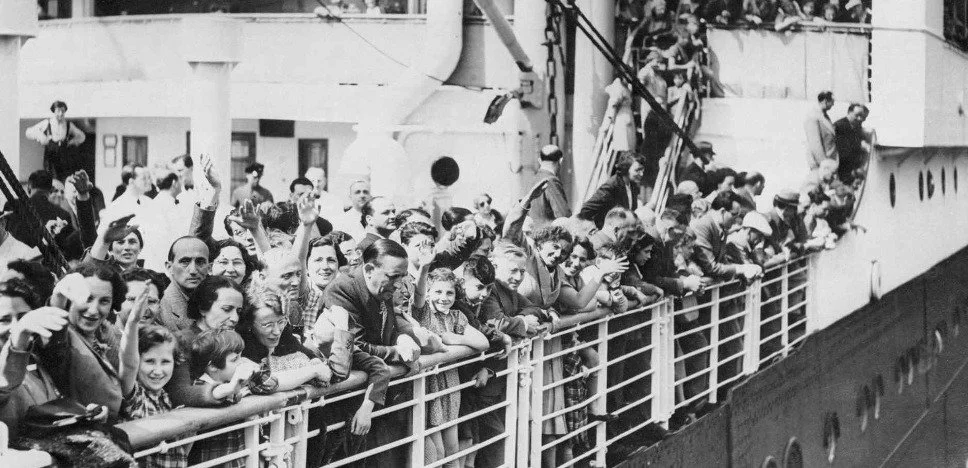
This essay examines the theological foundations of Quaker humanitarian activism during World War II, with particular attention to the work of the American Friends Service Committee (AFSC) and British and Australian Quaker networks in aiding Jewish refugees and civilian internees. Drawing on core Quaker doctrines—the Inner Light, the testimonies of equality and nonviolence, and the prophetic witness tradition—the essay argues that Quaker humanitarian action was not merely philanthropic but constituted an integrated theological praxis: a living embodiment of their understanding of the divine in every human person. The essay situates this analysis within the broader historical context of wartime internment, with attention to the Tatura internment camp in Victoria, Australia, where Jewish refugees—many of them German and Austrian nationals displaced by Nazi persecution—were held under conditions that drew Quaker response. The essay concludes that the Quaker model offers an enduring paradigm for theologically grounded ethical witness in circumstances of systemic injustice.