
Returning Without Erasure
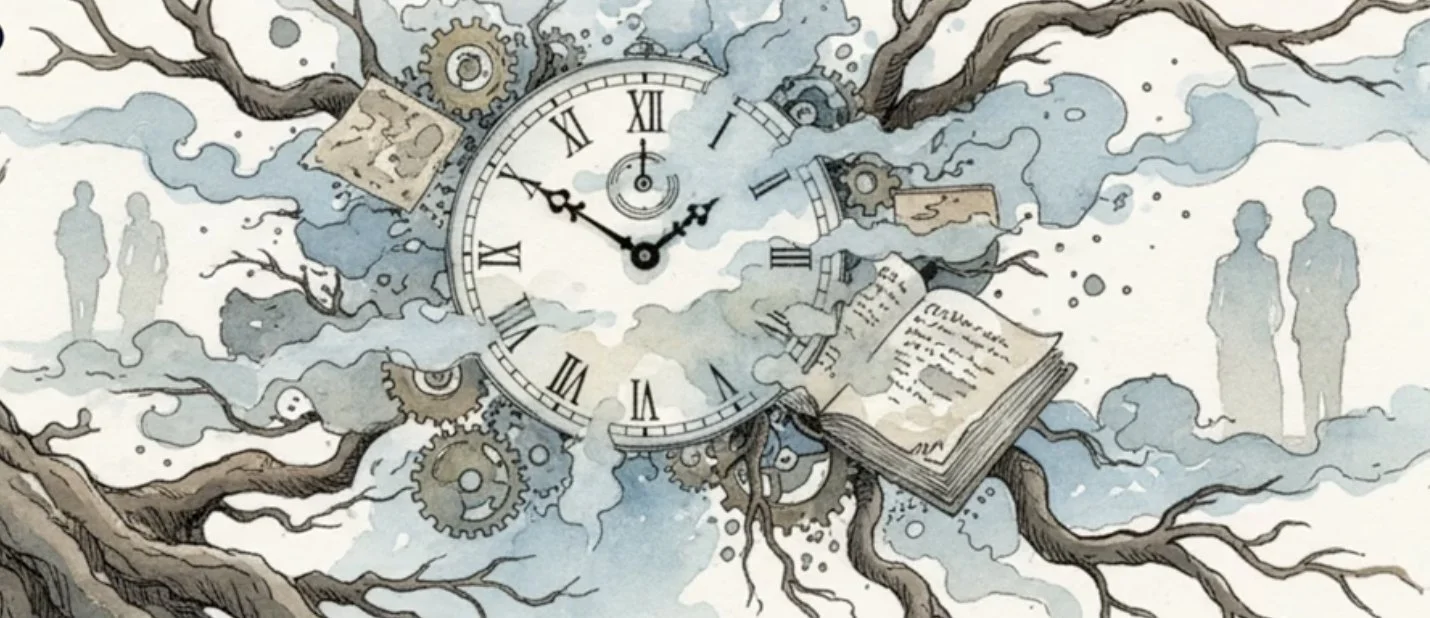
Religious return is frequently represented as a movement from spiritual alienation toward religious authenticity, in which the returning individual is expected to repudiate the secular intellectual and cultural formation that preceded observance. This essay challenges the theological necessity of such discontinuity and proposes an understanding of teshuvah as the transformation, and not the erasure, of the past. It reads four bodies of work together: Elliot R. Wolfson's apophatic critique of theological representation, including his reading of Rav Kook's “atheistic faith”; Rav Abraham Isaac Kook's Orot HaTeshuvah, which names as counterfeit any repentance that fails to gather the scattered self; the Lubavitcher Rebbe's theology of transforming darkness into light, read alongside Wolfson's own study of that theology; and Rav Shagar's account of a repentance that begins with the person exactly as he is and a faith that lives in several worlds without harmonizing them. From these the essay develops the concept of anamnetic teshuvah: religious return through transformed remembrance. Three supports are offered that the tradition itself supplies. Maimonides' Hilkhot Teshuvah holds together the penitent's “I am another” with the requirement that his sin remain always before him, and assigns the memory of the past to the penitent while forbidding it to the community. The clinical anamnesis supplies a working model of a history that is reread by what is later found and is never discarded. And sociological studies of baalei teshuvah show that observance and cultural assimilation come apart in practice. The proposed theology preserves the necessity of halakhic and ethical transformation while rejecting the assumption that religious authenticity requires autobiographical repudiation. It concludes that the deepest religious return may consist not in exchanging secular certainty for religious certainty, but in fidelity to a covenant whose divine ground remains beyond conceptual possession.