In the small dark chamber
beneath the ribs
there once hung a modest organ,
pear-shaped, patient—
a vessel of bitterness.
The ancients knew it well.
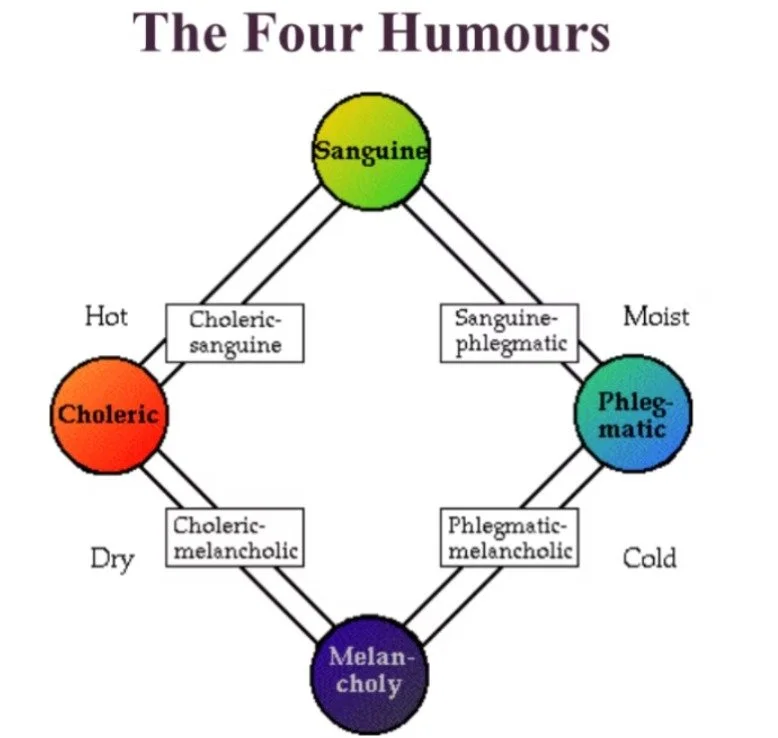
They called its shadow melancholia,
the slow black tide of the body—
μέλαινα χολή,
מָרָה שְׁחוֹרָה—
the humor of sorrow,
the ink from which certain thoughts are written.
It worked quietly for decades,
distilling the sharp green river of bile,
a chemist of digestion,
but also—if the old physicians were right—
a steward of moods,
keeper of that dim corner
where resentment ferments.
Then came the stones.
Not smooth, obedient crystals
but rough little fossils,
armored like sea creatures
dredged from some interior ocean.
Crustaceans of memory.
Each one a sediment
of unsurrendered grievance—
small angers
calcified by time.
They had grown in the dark,
layer upon layer
like barnacles on a forgotten hull,
the slow architecture
of what I would not release.
The surgeons found them
and named them pathology.
But I recognized them.
I had carried those stones
long before they appeared on ultrasound.
Now the chamber is gone.
Excised.
The surgeons removed the vessel
that once stored my bitterness
and sent it away in a plastic jar
to the quiet bureaucracy of pathology.
What remains
is an empty geography beneath the liver,
a small unoccupied province
in the republic of my body.
And I wonder:
Where will the bile of the spirit go now?
Where do we store
our unfinished angers
when the body refuses
to house them?
If the gallbladder
was once the cupboard of bitterness,
have the surgeons performed
a reluctant moral surgery?
Or will resentment simply migrate—
as grief does—
to some other organ
that has not yet learned its name?
There was another moment
more terrible than the stones.
The invasion.
Cold lights above me,
voices speaking the grammar of procedure.
The anesthesiologist—
a calm emissary of oblivion—
standing at the border of consciousness
with a syringe.
I remember resisting
the way a child resists sleep
when night feels like a small death.
“Count backwards,” he said.
But numbers were already dissolving.
A slow chemical dusk
entered my bloodstream.
I protested—
not loudly,
but with the primitive panic
of a creature that knows
something sacred is being surrendered.
Consciousness itself.
The last thing I recall
is the strange intimacy of it all—
how medicine must sometimes conquer the patient
in order to heal him.
A quiet coup
in the republic of the body.
And then—
nothing.
A white interval
where time collapsed.
When I woke
the stones were gone,
the vessel gone,
the bitterness unmoored.
The body had been edited.
Now I walk again in daylight
with one less chamber of sorrow.
Bile still flows—
the liver finds its own paths—
but the ancient storehouse is absent.
Perhaps that is the final lesson
of this small surgery:
that bitterness was never meant
to be kept.
The body tolerated it
for a while—
even crystallized it
into beautiful little fossils—
but in the end
it expelled the archive.
And so I move forward
lighter by a handful of stones
and an organ of darkness,
wondering
whether forgiveness
is simply the physiology
of a body
that refuses
to store bile any longer.