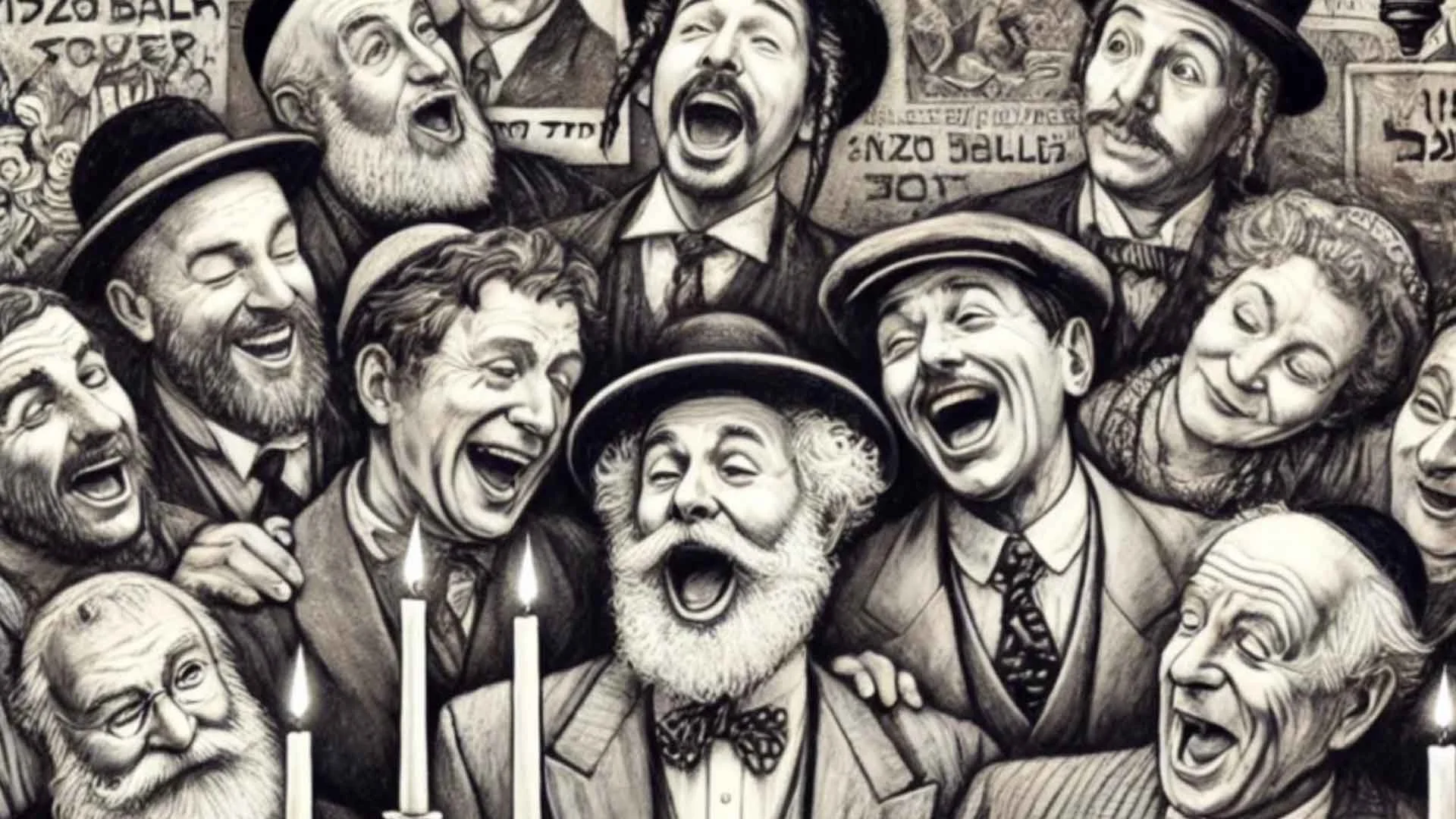
The License to Laugh
Humor is pervasive in clinical talk and largely unexamined in clinical training. Studies of primary care encounters have long documented that humor occurs frequently and that clinicians and patients do not reliably agree about what has just happened. Psychiatry inherited an early and forceful caution against therapist humor from Kubie, who argued that the clinician's joke serves the clinician's anxiety more often than the patient's growth; more recent process research has offered a partial counterweight, associating humor in individual psychotherapy with favorable alliance and outcome measures under specific conditions. Between prohibition and enthusiasm lies the question that neither literature answers well: who is entitled to make the joke, and what changes when the joke crosses a line of social difference? This essay argues that the scholarship on ethnic humor—the accumulated study of how stigmatized and historically endangered communities have jokedabout themselves, their oppressors, and their God—is the most useful body of thought psychiatry has available for that question, and that it has been almost entirely absent from clinical training. Ethnic humor scholarship has spent a century on precisely the problems that arise at the bedside: the difference between insider self-mockery and outsider derogation; the difference between humor that consolidates a group's dignity and humor that licenses contempt for it; the way a joke can carry a grievance that direct speech cannot survive; and the epistemically important fact that identical words change moral valence depending on the direction in which social power is running. Drawing on the sociology of Davies, the folkloristics of Oring, the psychoanalytic tradition from Freud through Reik, and the social psychology of disparagement humor, I examine four traditions of humor under duress. The Jewish material is treated at length and in four strands—Talmudic, Yiddish, Hasidic, and secular—because it is unusually well documented and because each strand isolates a distinct clinical mechanism: humor as licensed pedagogical opening, as the language of survivable protest, as therapeutic joining, and as a default register that can conceal as easily as it discloses. African American, Native American, and disability comic traditions are then examined for what they add. Five convergent principles are derived and translated into psychiatric practice, with attention to ethnocultural transference and countertransference, cultural humility, the joke as data for the Cultural Formulation Interview, and the neuropsychiatric differential that must be held alongside every interpretive reading of a patient's laughter. The clinical ethic I propose is one of reception rather than performance. The test is not whether the joke was funny, but whether, after the laughter, the patient is more visible, more sovereign, and less alone.