Julian Ungar-Sargon

  • Home
  • Theological Essays
  • Healing Essays
  • Podcast
  • Poetry
  • Daf Ditty
  • Deep Dive Ditty
  • Videos
  • Publications
  • Military Service
  • Home
  • Theological Essays
  • Healing Essays
  • Podcast
  • Poetry
  • Daf Ditty
  • Deep Dive Ditty
  • Videos
  • Publications
  • Military Service
Julian Ungar-Sargon copy 3.jpg

Daf Ditty

A wide-ranging commentary on the daily page of Talmud.

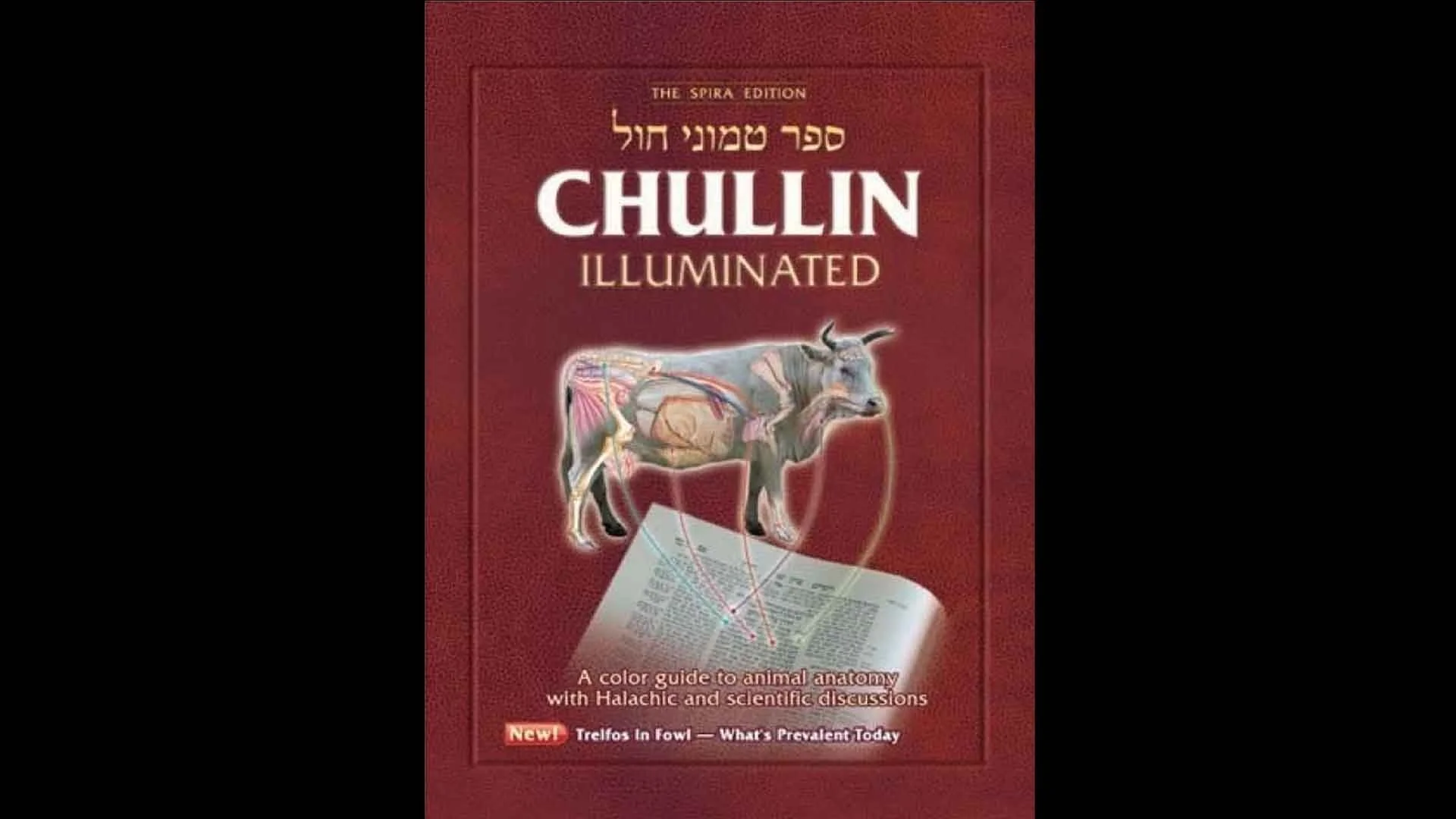
Chullin 45: נִיקַּב קְרוּם שֶׁל מוֹחַ

jyungar June 14, 2026

For the source text click/tap here: Chullin 45

To download, click/tap here: PDF

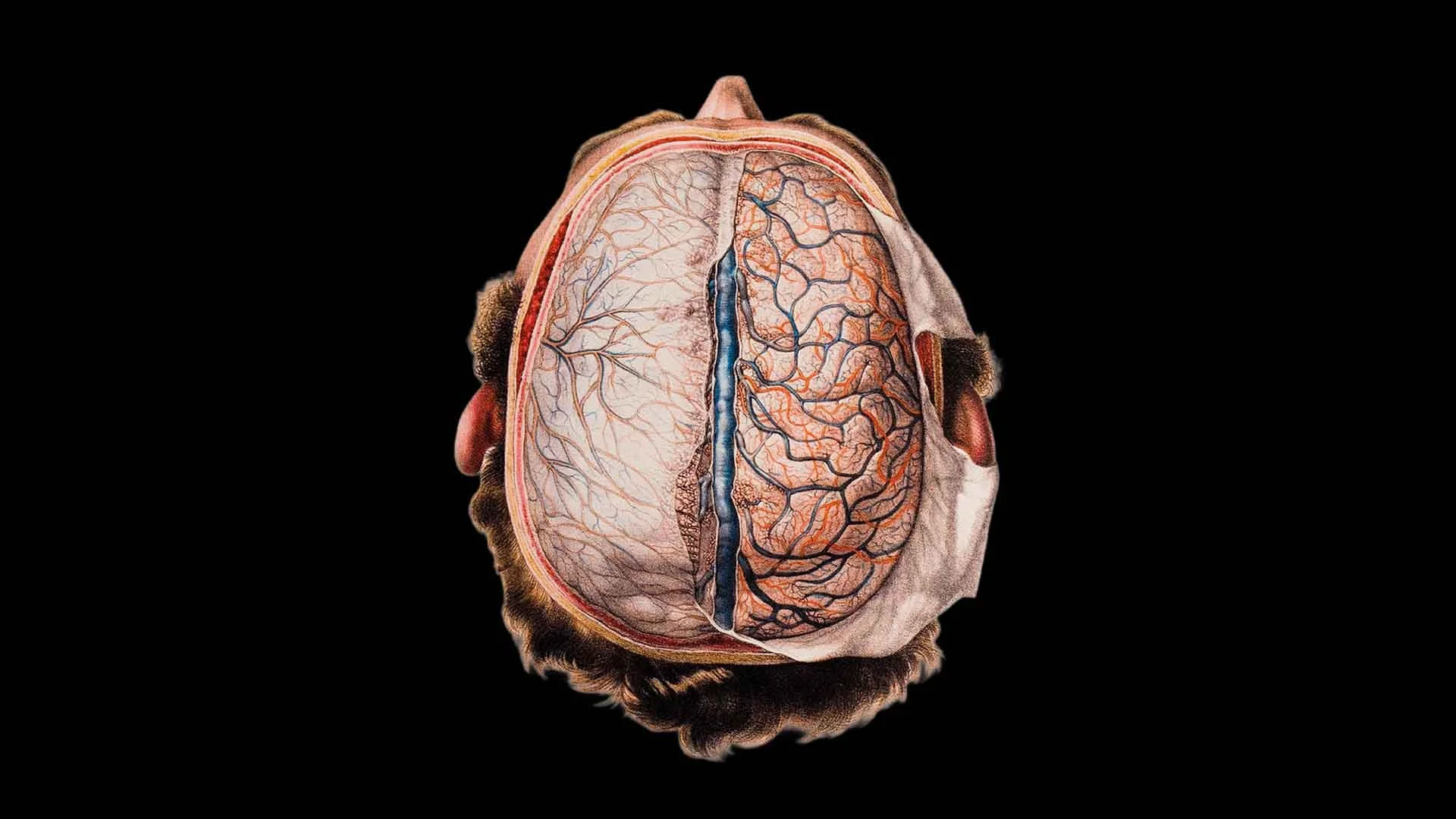
Our mishna states: If the membrane of the brain was perforated, the animal is a tereifa. The Gemara cites Rav and Shmuel, who both say: The brain is covered by two membranes, a thick outer membrane adjacent to the skull and a thin inner membrane adjacent to the brain. The animal is a tereifa if the outer membrane was perforated, even if the inner membrane was not perforated.

And some say that the animal is not a tereifa unless the innermembrane was perforated as well. Rabbi Shmuel bar Naḥmani says: And this is your mnemonic to remember the halakha: The bag in which the brain rests, i.e., the inner membrane.

We explore notions of meninges skull and pathology in the Talmud and Antiquity.

Tags 75th
Comment

Chullin 44: כָּאן – קוֹדֶם בַּת קוֹל, כָּאן – לְאַחַר בַּת קוֹל

jyungar June 13, 2026

For the source text click/tap here: Chullin 44

To download, click/tap here: PDF

On yesterday’s daf the Gemara presented a disagreement

between Rav and Shmuel regarding the status of the turbatz ha-veshet, the animal’s pharynx. This area, which is where the esophagus enters the throat, is considered by Rav to be a place where ritual slaughter can take place, while Shmuel rules that it is too high up in the animal’s throat to be an appropriate place for slaughter. When a practical situation of shechita in this area was brought before Rava, he applied both Rav’s position and Shmuel’s position to rule stringently in that case.

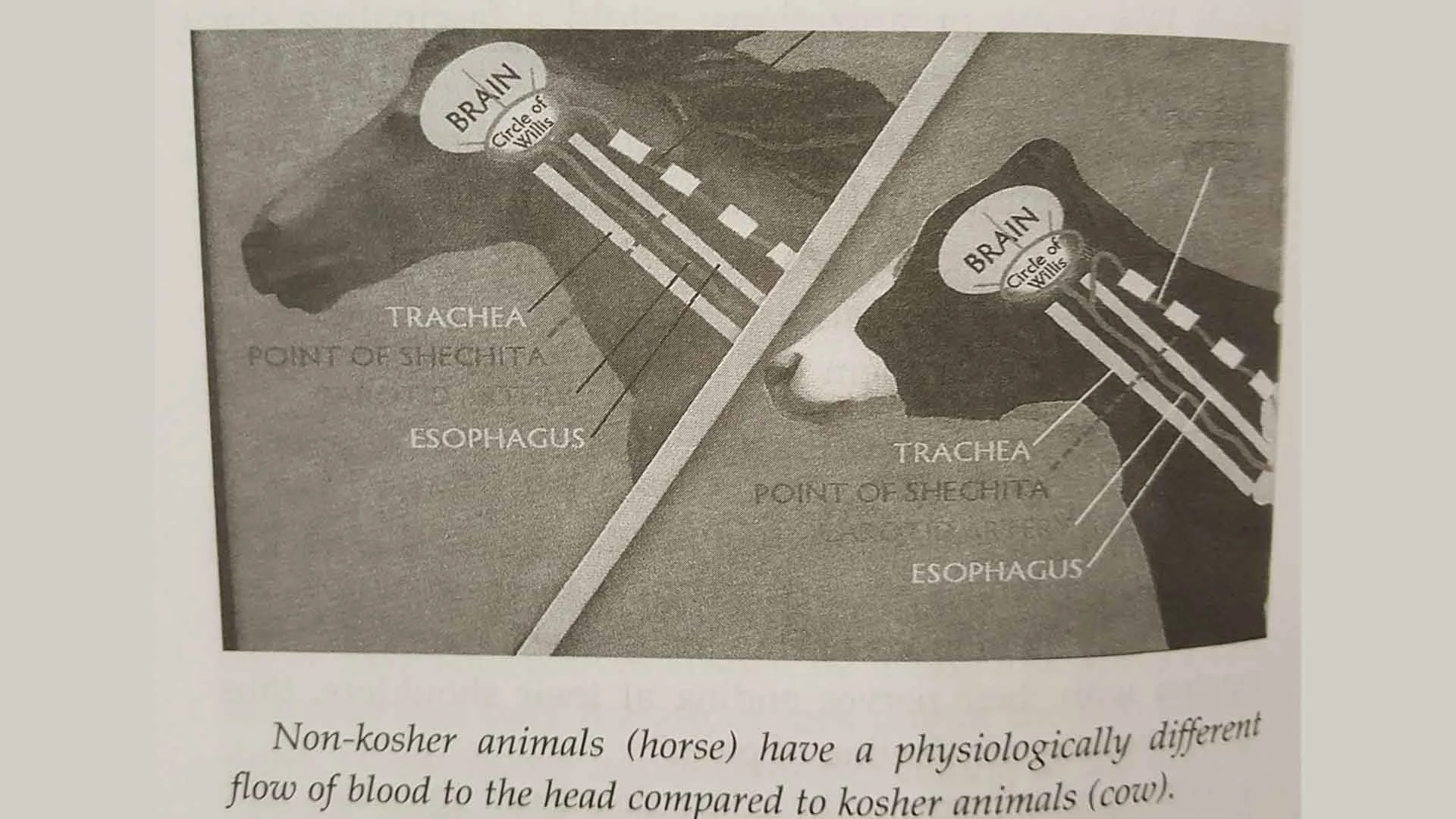
We identify cases where the Halacha does not fit biology and present a modern orthodox view vs the Lubavitcher Rebbe’s resolution.

Tags 75th
Comment

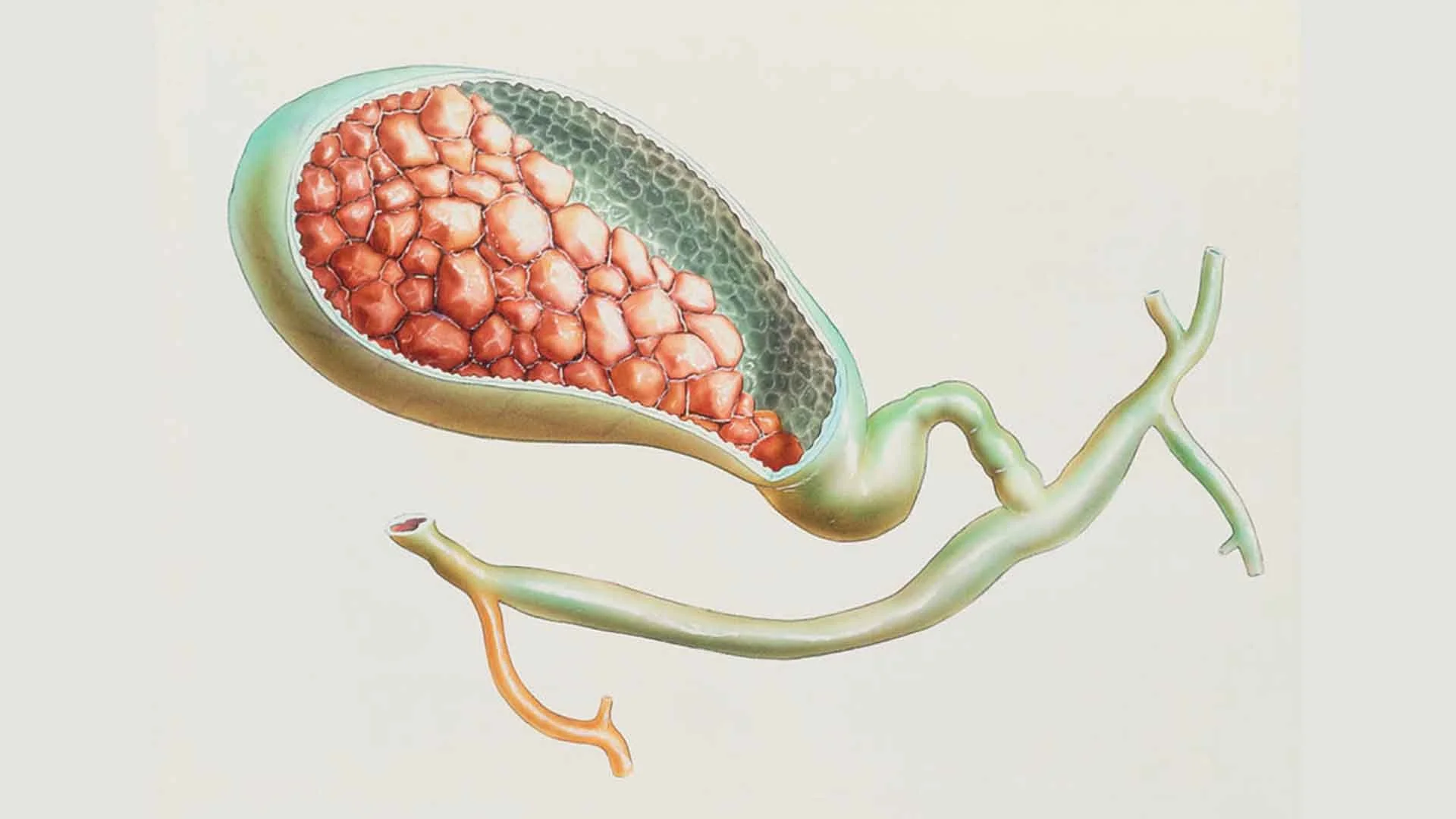
Artwork Of Gallstones In The Gall Bladder is a photograph by Bo Veisland, Miandi

Chullin 43: הָכָא נָמֵי נִיסָּא שָׁאנֵי

jyungar June 12, 2026

For the source text click/tap here: Chullin 43

To download, click/tap here: PDF

The Gemara provides a mnemonic for the following statements of Rabbi Yitzḥak, son of Rabbi Yosef: Halakhot, friend, olive-bulk, gallbladder, and gizzard.

Rabbi Yitzḥak, son of Rabbi Yosef, says that Rabbi Yoḥanan disagrees with the statement of Ḥiyya bar Rava and says: The halakha is in accordance with the opinion of Rabbi Yosei, son of Rabbi Yehuda, that a perforated gallbladder renders the animal a tereifa.

And Rabbi Yitzḥak, son of Rabbi Yosef, says that Rabbi Yoḥanan says: What did the friends of Rabbi Yosei, son of Rabbi Yehuda, respond to him? They responded that Job said:

“He pours out my gall upon the ground” (Job 16:13), and yet Job was still alive.Evidently, one with a perforated gallbladder can live. Rabbi Yosei said to them: Job was kept alive by a miracle, and one does not mention miraculous acts as proof for a general ruling.

We explore the history of gall bladder, bile and diseases thereof with focus on how the rabbis selected the scientific from the mythical and humoral aspects of the humors.

Tags 75th
Comment

Chullin 42: וְהָא אִיכָּא בסג״ר, וְשַׁב שְׁמַעְתָּתָא

jyungar June 12, 2026

For the source text click/tap here: Chullin 42

To download, click/tap here: PDF

The third perek of Masechet Chullin begins on today’s daf. Following the first two chapters of the tractate whose focus was on the act of slaughtering an animal, this perek – the longest one in Masechet Hullin – deals with the animal itself, i.e., which animals are permitted and forbidden to eat. The two general categories discussed are the laws of treifah – animals that for reasons of illness or injury will die as a result of their condition – and types of animals that are not kosher and cannot be eaten.

The opening Mishnah of the perek presents a list of conditions that are considered to be terminal and concludes with the following principle: if an animal with a similar defect could not continue to live, it is a treifah.

In defining this principle, we find a difference of opinion. The accepted interpretation is that the animal will succumb to its condition within 12 months, but others say that it will die within 30 days and one opinion in the Gemara defines it as an animal whose condition will not allow it to conceive and give birth. The commentaries discuss whether an animal would be considered a treifah if it could be treated with drugs, and whether there is reason to distinguish between different types of tereifot.

Tags 75th
Comment

Chullin 41: וּבַשּׁוּק לֹא יַעֲשֶׂה כֵּן, שֶׁלֹּא יְחַקֶּה אֶת הַמִּינִין

jyungar June 10, 2026

For the source text click/tap here: Chullin 41

To download, click/tap here: PDF

We are introduced to a new Mishna that teaches more about sacrifice and blood and what is permitted. It teaches that the blood of a slaughter cannot flow into the sea, the rivers, or a vessel, because that has the appearance of idolatry. If the blood flows into a round excavation containing water, it is permitted. Similarly one may slaughter an animal while on a ship into a vessel because it is obvious that one is attempting to protect the ship. One is not permitted to have animal's blood flow into a small hole in the ground, but it is permitted to have the blood flow into a small hole within one's home.

In the marketplace this is not permitted, again because it has the appearance of idolatry.

We explore the notion of appearances and mimicking heretics.

Tags 75th
Comment

Chullin 40: אֵין אָדָם אוֹסֵר דָּבָר שֶׁאֵין שֶׁלּוֹ

jyungar June 9, 2026

For the source text click/tap here: Chullin 40

To download, click/tap here: PDF

The Mishnah teaches that if someone slaughters an animal for idol worship – e.g. for mountains, hills, seas, rivers or deserts – the shechita is invalid. What if the animal that is slaughtered belonged to someone else? Is it possible to forbid someone else’s property?

Rav Huna teaches that if someone’s neighbor’s beast was lying in front of an idol, then as soon as he has cut one of the organs of the throat – either the esophagus or the trachea – he has rendered it prohibited. In contrast, the Gemara brings the opinion of Rav Nachman, Rav Amram and Rav Yitzchak who rule that a person cannot render prohibited something that does not belong to him.

This principle that one cannot prohibit what is not one’s own (ein adam oser davar she-eino shelo) functions in the Talmudic system as a constitutional limit on the reach of private legal acts. We explore how this compares with the Roman law of dominium, the doctrine of nemo dat quod non habet, and the Roman treatment of res religiosae and consecration.

Tags 75th
Comment

Chullin 39: שֶׁהָיָה חֲצִי קָנֶה פָּגוּם וְהוֹסִיף עָלָיו כל שֶׁהוּא וּגְמָר

jyungar June 8, 2026

For the source text click/tap here: Chullin 39

To download, click/tap here: PDF

In the context of the disagreement between the Sages and Rabbi Eliezer that we learned about on yesterday’s daf, the Gemara brings a baraita that teaches that if someone slaughters an animal with the intention of sprinkling its blood for idolatry or sacrifice its fats to an idol, that animal is forbidden; it is as if one ate “sacrifices of the dead.”

If it was slaughtered without any particular plans and afterwards the decision was made to sprinkle its blood for idolatry or sacrifice its fats to an idol – this case occurred in the city of Caesarea, and the Sages refused to rule one way or another.

We explore the unique city and its hosting Jewish and Chritian neighbors and the way they both claimed the biblical text for their own theologies yet using remarkably similar hermeneutical techniques.

Tags 75th
Comment

Chullin 38: אֲפִילּוּ בִּפְנִים נָמֵי ״זֶה מְחַשֵּׁב וְזֶה עוֹבֵד״

jyungar June 7, 2026

For the source text click/tap here: Chullin 38

To download, click/tap here: PDF

Rav Nachman bar Yitzchak maintains that if an animal quivered even at the beginning of the Shechitah, the Shechitah is valid. He proves this from the Mishnah (37a) that states that when an animal is slaughtered at night, it may be eaten as long as it has signs of "Zinuk." If movement is required at the end of the Shechitah in order for the animal to be permitted, then how can signs of Zinuk permit the animal? Perhaps the Zinuk occurred at the beginning of the Shechitah and not at the end! It must be that the animal is permitted even when the Zinuk occurred at the beginning of the Shechitah

We continue our exploration of the border between life and death…

Tags 75th
Comment

Chullin 37: מְסוּכֶּנֶת מִמַּאי דְּשַׁרְיָא?

jyungar June 6, 2026

For the source text click/tap here: Chullin 37

To download, click/tap here: PDF

Generally speaking, only healthy animals can be slaughtered for kosher food. Thus, a tereifa – an animal that has a terminal condition – cannot be used. Nevertheless, if an animal is merely a mesukenet – it is ill – and its owner wants to slaughter it so that he can benefit from its meat, the Mishna teaches that such sheḥita would be kosher, assuming that the animal shows a sign of vitality when killed.

According to Rabban Shimon ben Gamliel this would require movement of the animal’s limbs; according to Rabbi Eliezer, it is enough if blood spurted out at the time of sheḥita.

We explore the concept of pirchus and the legal definition of brain stem death in Halacha and common English law with an eye on the NY controversy.

Tags 75th
Comment

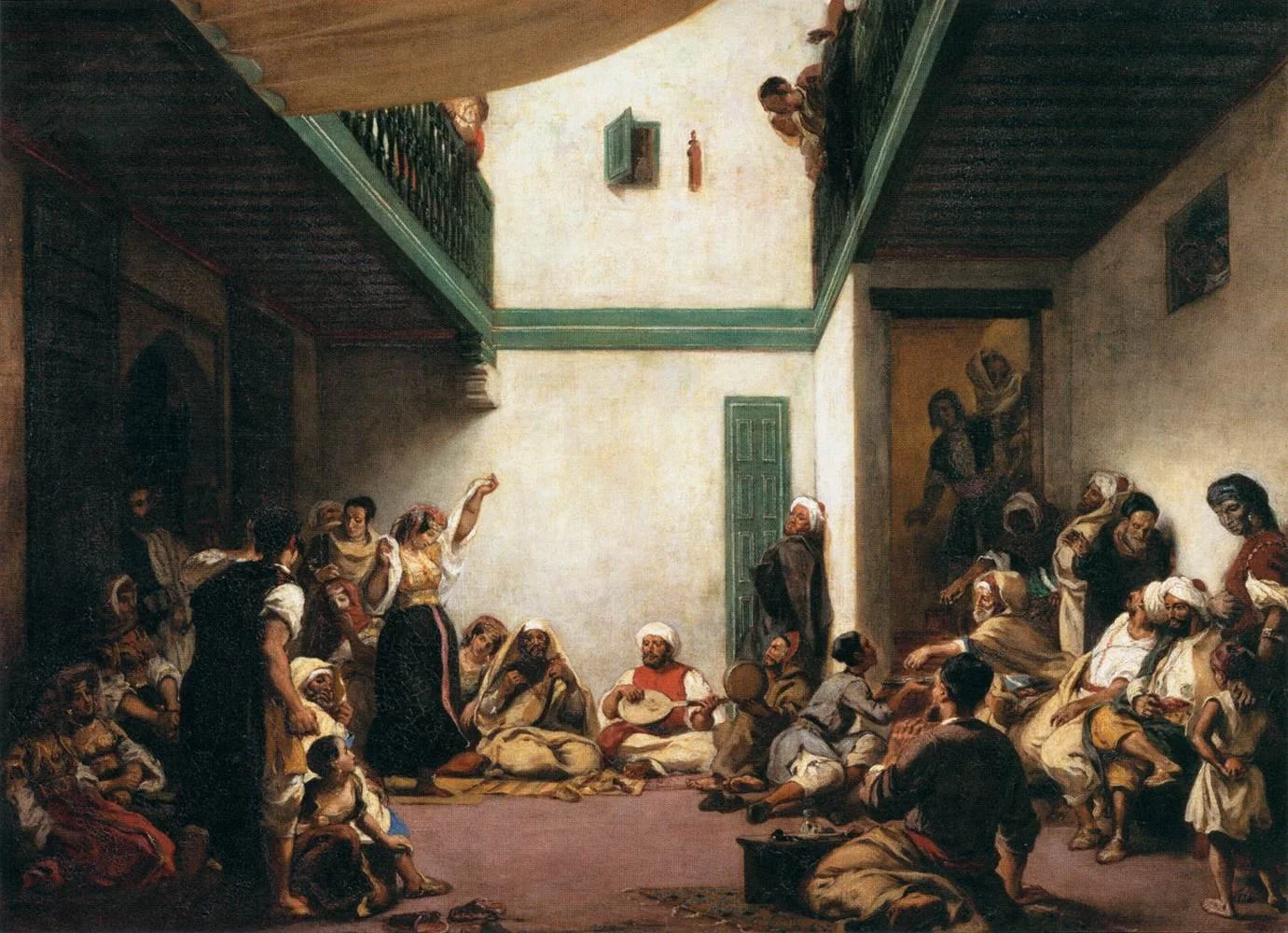
Jewish Wedding in Morocco. Eugène Delacroix, oil on canvas, 1837–41. Musée du Louvre. Public domain, via Wikimedia Commons.

Chullin 36: מִכְּלָל דְּחִיבַּת הַקֹּדֶשׁ דְּאוֹרָיְיתָא

jyungar June 5, 2026

For the source text click/tap here: Chullin 36

To download, click/tap here: PDF

As we have learned on the previous dapim of the Gemara, according to the Torah (see Vayikra 11:38) ritual defilement of food will only take place when someone or something that is tameh comes into contact with food that has been made wet. Although the passage in Vayikra mentions specifically that the wetness comes from placing water on the food, the Gemara explains that the “wetness” necessary to “prepare” the food for defilement can only be by means of one of seven liquids – wine, blood, oil, milk, dew, honey or water.

On our daf we learn a baraita that was taught in the School of Rabbi Yishmael that not all blood will be able to serve this purpose. Based on the passage in Sefer Bamidbar (23:24) that compares the Jewish people to a lion that drinks the blood of its victims, i.e. like water, the baraita concludes that only blood from a dead creature – dam ḥalalim – will serve this purpose; if the blood comes from a live animal, then it is dam kilu’aḥ – “flowing blood” – that cannot “prepare” food for potential defilement.

We explore how food does not become impure simply because an impure thing touches it. Before contact with a source of defilement can take effect, the food must first have been rendered receptive — it must have been wetted by one of seven liquids, and that wetting must have been, in some sense, intended. This is the institution the Sages call hechsher mashkin, the predisposition of foodstuffs to impurity by liquid.

Tags 75th
Comment

Chullin 35: טוּמְאָה בְּחִבּוּרִין שָׁאנֵי

jyungar June 4, 2026

For the source text click/tap here: Chullin 35

To download, click/tap here: PDF

As we learned in the prior Mishna (daf 33), ritual slaughter is valid even if no blood flows from the animal at the time of slaughter. With regard to the question of ritual defilement, the Mishna quotes a difference of opinion:

If a man slaughtered cattle or a wild beast or a bird and no blood came forth, the slaughtering is valid and it may be eaten by him whose hands have not been washed, for it has not been rendered susceptible to uncleanness by blood. Rabbi Simon says, it has been rendered susceptible to uncleanness by the slaughtering.

We learned on yesterday’s daf that the difference of opinion between the Tanna Kamma and Rabbi Shimon relates to the law that limits ritual defilement of food only to that which has become wet by means of one of seven liquids – wine, blood, oil, milk, dew, honey or water (see Vayikra 11:38) – which “prepares” the item for possible defilement.

We explore the notion of a dry cut and its halachic ramification and the conditions of hypovolemia and anemia.

Tags 75th
Comment

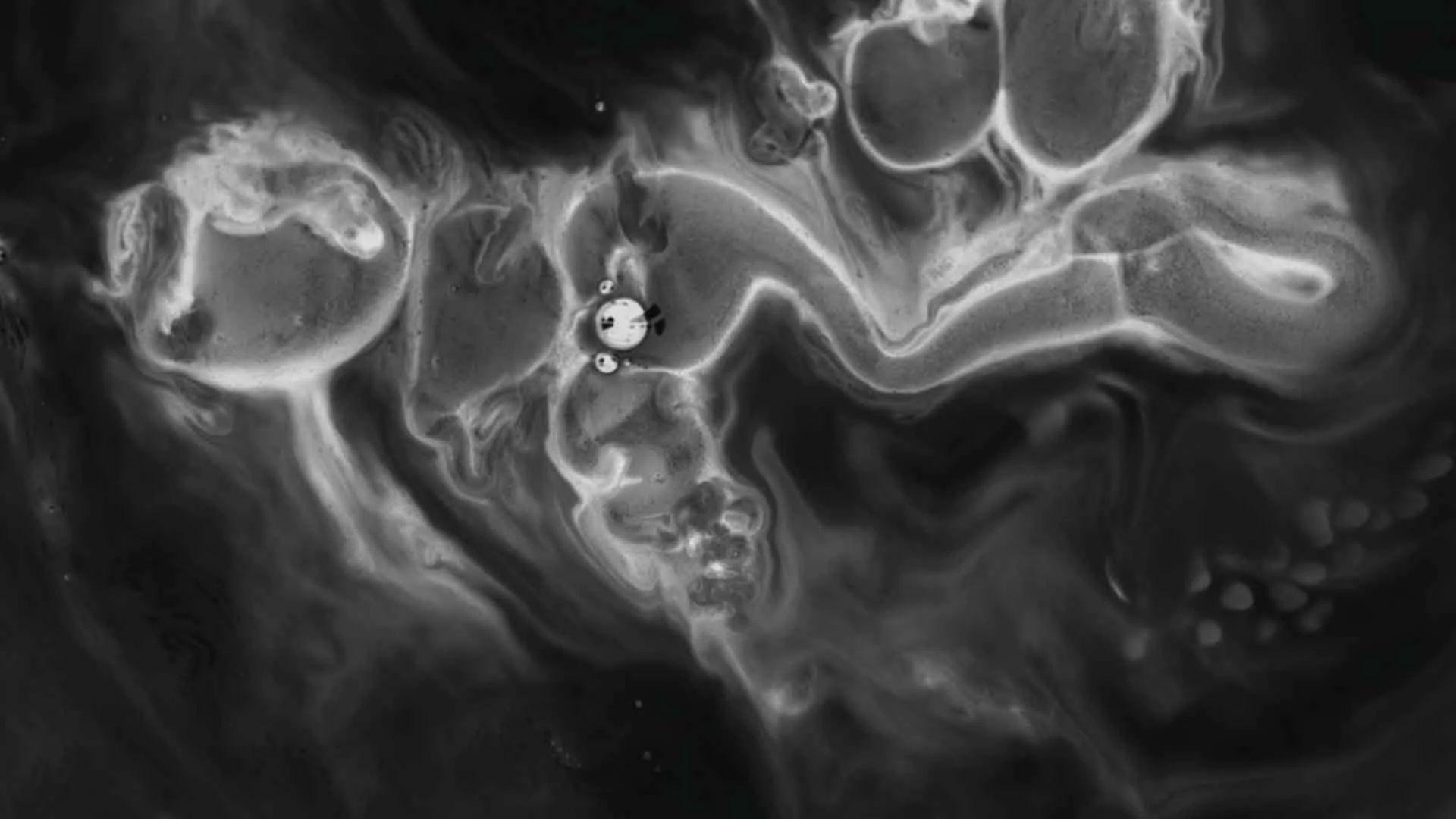
IN MYTHOLOGY, MIASMA DESCRIBES A CORRUPT ATMOSPHERE EMANATING FROM CRIMES AGAINST NATURE—AND THE PARALLELS TO THE CLIMATE CRISIS ARE CLEAR

Picture by: Marcus Schaefer/ Trunk Archive

Chullin 34: וְעוֹד, שְׁלִישִׁי שֵׁנִי לָמָה

jyungar June 3, 2026

For the source text click/tap here: Chullin 34

To download, click/tap here: PDF

As we learned on yesterday’s daf, the Mishna teaches that ritual slaughter is valid even if there is no blood that flows from the animal at the time of slaughter. The Mishna continued with another law regarding ritual defilement:

If a man slaughtered cattle or a wild beast or a bird and no blood came forth, the slaughtering is valid and it may be eaten by him whose hands have not been washed, for it has not been rendered susceptible to uncleanness by blood. Rabbi Simon says, it has been rendered susceptible to uncleanness by the slaughtering.

The issue at hand is the law that limits ritual defilement of food only to that which has become wet by means of one of seven liquids – wine, blood, oil, milk, dew, honey or water (see Vayikra 11:38) – which “prepares” the item for possible defilement.

Our daf describes the debate between Rabbi Eliezer and Rabbi Yehoshua concerning the status of a person who eats food that has itself contracted defilement. At the heart of that dispute lies a counterintuitive question — how, and to what degree, contamination passes from an eaten substance into the body of the one who eats it, and whether the impurity of food behaves as a quantity that can be transmitted, attenuated, and exhausted.

We attempt to reconstructs the conceptual architecture of the rabbinic system of tumah as it is articulated on our daf, with particular attention to the category of the shelishi, the third-degree derivative, which marks the threshold at which ordinary food can no longer carry defilement forward and yet sanctified food still can.

Tags 75th
Comment

Chullin 33: הָכָא בְּיָדַיִם תְּחִלּוֹת עָסְקִינַן

jyungar June 2, 2026

For the source text click/tap here: Chullin 33

To download, click/tap here: PDF

Rav Acha bar Yakov maintains that an animal that twitches (Mefarkeses) after it is slaughtered with a valid Shechitah is considered alive with regard to the prohibition of Ever Min ha'Chai for a Nochri. A Nochri who eats a limb of the animal during that stage transgresses the Isur of Ever Min ha'Chai. Rav Papa argues, based on the reasoning, "Is there anything that is permitted for a Jew but is prohibited to a Nochri?"

Which opinion does the Halachah follow?

(a) The RIF records the conclusion of the Gemara that quotes a Beraisa that says, "One who wants to eat meat from an animal before it dies [after it is slaughtered properly] should cut a piece of meat from the area of the Shechitah, salt it well, rinse it well, and wait for the animal to die, and then he may eat it. Both a Nochri and a Jew may eat it."

The RAN explains that although a Nochri may not eat from an animal that he slaughters until the animal dies, a Nochri may eat from an animal that a Jew slaughters (after following the procedure of the Beraisa), because of the logic of Rav Papa.

We explore the notion of Halacha differences between Jews and gentiles in other areas to compare.

Tags 75th
Comment

Sacrifice of a pig in ancient Greece (tondo from an Attic red-figure cup, 510–500 BCE, by the Epidromos Painter, collections of the Louvre)

Chullin 32: הַשּׁוֹחֵט בְּסַכִּין רָעָה, אֲפִילּוּ כל הַיּוֹם כוּלּוֹ

jyungar June 1, 2026

For the source text click/tap here: Chullin 32

To download, click/tap here: PDF

We have already learned (see above, daf 4) that one of the basic rules of ritual slaughter prohibits she’hiyah, or hesitating, during the act of sheḥita. The Mishna and Gemara on our daf attempt to clarify and define the parameters of the hesitation that would be forbidden. We find, for example, that Rava teaches that a person who is using a dull blade may continuously move the knife back-and-forth “all day long,” but this would not be considered she’hiyah as long as he did not pause in the middle.

The Mishna describes cases where the knife fell in the course of sheḥita, or even where the slaughterer’s clothing fell, and he stopped to pick up the knife or the clothing and continued with sheḥita. In such cases, as long as the pause was not equal to the time of slaughter, it is not considered to be she’hiyah.

We explore the relative halachic weight of breathing versus ingesting i.e. the windpipe vs the esophagus and their phylogenetic connections.

Tags 75th
Comment

Chullin 31: וְזָבַחְתָּ֥ שְׁלָמִ֖ים וְאָכַ֣לְתָּ שָּׁ֑ם

jyungar May 31, 2026

For the source text click/tap here: Chullin 31

To download, click/tap here: PDF

The Mishna on our daf presents a situation where a knife falls and slaughters an animal. According to the Mishna, such slaughter is not sufficient and the animal is not kosher. The source for this ruling is the passage in Sefer Devarim (27:7) that teaches that a person must slaughter and eat. Only after you slaughter the animal are you permitted to eat its meat.

The case in the Mishna must be understood where the animal is lying on its side and the knife falls in such a manner that it cuts through the trachea and esophagus perfectly, with none of the problems with sheḥita (see above, daf 4) occurring.

The Gemara points out that the law of the Mishna is only true in cases where the knife fell on its own. If, however, the knife was directed by the person, then it is acceptable as ritual slaughter, even without specific intent to perform sheḥita.

We explore the act and agency on the slaughtering process and acts or an event?

Tags 74th
Comment

Chullin 30: מְלַמֵּד שֶׁהַשּׁוֹחֵט צָרִיךְ שֶׁיִּתֵּן עָפָר לְמַטָּה וְעָפָר לְמַעְלָה

jyungar May 30, 2026

For the source text click/tap here: Chullin 30

To download, click/tap here: PDF

Generally speaking, we anticipate that sheḥita – ritual slaughter – is a single cut of the simanim – the trachea and the esophagus.

Nevertheless, we find that Rav Yehuda quotes Rav as teaching that if sheḥita is performed “in two or three places,” it is acceptable. Although Shmuel objected that this is not a clear slaughtering, which he deems necessary, nevertheless it appears that the Gemara’s conclusion follows Rav Yehuda’s teaching in the name of Rav, given that it closes by the relating the story of Rav Yitzḥak bar Shmuel bar Marta who ate the choice part of an ox that was slaughtered “in two or three places,” thereby indicating his position on the matter.

Our new Mishna teaches that it is valid to slaughter by cutting two animals’ heads simultaneously. It is valid for two people to slaughter from different points in the neck of one animal. Decapitating an animal is one motion is not valid; however, if one accidentally decapitated an animal in one motion and the length of the knife is the same as the breadth of the animal’s neck, the slaughter is valid. It is valid if one who was slaughtering two animals simultaneously and s/he decapitated them in one motion and the length of the knife was the same as the breadth of one animal’s neck. The important piece is that the knife is drawn back and forth if possible.

We return to chullin 21 and the description of sacrificing pigeons, how the color of both doves and pigeons changes from or to a yellow. This leads us on a muse as to the treatment (even currently in certain places whereby a pigeon is placed on the belly of the yellow patient. After a few minutes, the jaundice is drawn out of the patient and enters the bird, which promptly dies.

Tags 74th
Comment

Chullin 29: אֵינָהּ לִשְׁחִיטָה אֶלָּא בַּסּוֹף

jyungar May 29, 2026

For the source text click/tap here: Chullin 29

To download, click/tap here: PDF

The rabbis ask each other about when the slaughter is accomplished. Reish Lakish teaches in the name of Levi the Elder that slaughter is complete at its conclusion. Rabban Yochanan teaches that the act of slaughter is accomplished at each stage of the process. Rava comments that all agree that when a Gentile cuts one siman and a Jew cuts the other, the slaughter is not valid at any point. The Gentile makes the animal a treifa, disqualified from slaughter due to ritual impurity.

We explore further the gentile bans on shechita past and present.

Tags 74th
Comment

Shehitah Kabbalah Granted to Samuel Luzzatto by Rabbi Simhah ben Abraham Calimani Venice, 19 Adar 5534 (March 2, 1774)

Chullin 28: מִשּׁוּם דְּגַרְגֶּרֶת עֲבִידָא לְאִישְׁתְּמוֹטֵי

jyungar May 28, 2026

For the source text click/tap here: Chullin 28

To download, click/tap here: PDF

As we learned on yesterday’s daf, according to Rabbi Yehuda, beyond cutting the esophagus and trachea, sheḥita – ritual slaughter – also requires severing the veins in the neck. On our daf,Rav Ḥisda limits Rabbi Yehuda’s teaching to sheḥita performed on a bird, since a bird is often roasted whole. Larger animals, however, that are invariably cut into pieces, do not need to have their veins severed.

The Gemara concludes from this that Rabbi Yehuda’s ruling is not connected with sheḥita per se, so much as it is a response to a potential problem with blood becoming congealed in the body of the animal. Therefore, it is not essential that the veins be cut during the act of ritual slaughter, in fact it is sufficient if they are punctured after slaughter, as well.

We explore the hierarchy of trachea vs esophagus for slaughter comparing to late anti knowledge of life/death.

Tags 74th
Comment

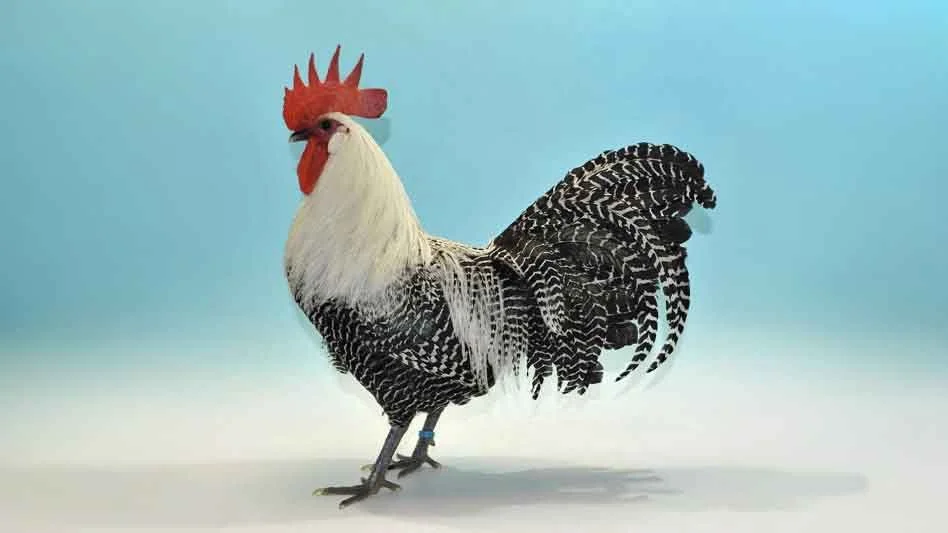
The Braekel is a traditional Belgian breed of chicken. It is thought to have originated in the area of Brakel, in the Flemish province of East Flanders, for which it is named.

Chullin 27: שְׁהִיָּיה, דְּרָסָה, חֲלָדָה, הַגְרָמָה, וְעִיקּוּר – מְנָלַן? אֶלָּא גְּמָרָא

jyungar May 27, 2026

For the source text click/tap here: Chullin 27

To download, click/tap here: PDF

The Mishna on our daf – the opening Mishna of the second perek in Massekhet Ḥullin – teaches one of the most basic rules of ritual slaughter. When performing sheḥita the slaughterer must cut two simanim – the esophagus and trachea – in an animal, and a single siman – either the esophagus or the trachea – in a bird. In both cases, it would be sufficient to cut the majority of the simanim (or one of the simanim in the case of a bird). Rabbi Yehuda requires that the veins should be cut, as well.

The Gemara discusses the source for these laws and for the difference between the requirements for kosher slaughter for an animal in contrast to those of a bird. Aside from Biblical passages that are brought, the Gemara also quotes a teaching from a certain Galilean traveler who suggested that animals were created by God from the dirt of the earth, so the requirement for their slaughter is two simanim. Fish were created from water, so there is no need for any sort of slaughter. Birds, which were created from mud, need a single siman for ritual slaughter.

We explore exotic birds and animals…

Tags 74th
Comment

Chullin 26: הַמַּבְדִּיל בֵּין קוֹדֶשׁ לְקוֹדֶשׁ

jyungar May 26, 2026

For the source text click/tap here: Chullin 26

To download, click/tap here: PDF

Our final Mishnah teaches that when the sound of the shofar on Shabbat or a Festival evening stop people from working and mark a line between the sacred and the profane, there is no havdala at the conclusion in prayer over wine. When havdala is recited, there is no shofar.

How is this the case? When a Festival falls on erev Shabbat, the shofar is sounded to stop people from working at tasks prohibited on Shabbat but permitted on the Festival. Havdala is only performed when the transition from a sacred to a profane day or from a day of greater to lesser sanctity. Shabbat is more holy than a Festival.

When havdala marks the transition between a Festival and Shabbat, it ends with the following words, "Who distinguishes between sacred and sacred" instead of the standard blessing, "Who distinguishes between sacred and profane". Rabbi Dosa says that we should say,"Who distinguishes between greater sanctity and lesser sanctity.”

Tags 74th
Comment
  • Daf Ditty
  • Older
  • Newer

Julian Ungar-Sargon

This is Julian Ungar-Sargon's personal website. It contains poems, essays, and podcasts for the spiritual seeker and interdisciplinary aficionado.​