Julian Ungar-Sargon

  • Home
  • Theological Essays
  • Healing Essays
  • Podcast
  • Poetry
  • Daf Ditty
  • Deep Dive Ditty
  • Videos
  • Publications
  • Military Service
  • Dominican University
  • Home
  • Theological Essays
  • Healing Essays
  • Podcast
  • Poetry
  • Daf Ditty
  • Deep Dive Ditty
  • Videos
  • Publications
  • Military Service
  • Dominican University
Julian Ungar-Sargon copy 3.jpg

Daf Ditty

A wide-ranging commentary on the daily page of Talmud.

Zevachim 80: הָא ״תַּחְתּוֹנִים עָלוּ לוֹ״ קָתָנֵי! לְשֵׁם שִׁירַיִם

jyungar December 3, 2025

For the source text click/tap here: Zevachim 80

To download, click/tap here: PDF

Rav Ashi says that Rabbi Eliezer says that liquids do not necessarily mix evenly, but since only a minute amount fell in, between the two sprinkles, at least one will include chatas water. Tosfos (80a Rav Ashi) asks why Rav Ashi did not agree with Rish Lakish, and only emphasize that only a minute amount fell in? Just as Rav Ashi says that between two sprinkles we assume some chatas water is included, we can apply the same logic to say that between the two sprinkles, a minimum amount of chatas was included.

Tosfos says that Rav Ashi must be saying that we assume that there is valid chatas water between the two, and not that one is exclusively chatas water, since it is impossible for the minute amount to be too small to split in two. Tosfos Yom Tov (Para 9:1) cites this Tosfos, and agrees that mathematically, any amount can be divided into two.

We explore Xeno’s paradox as to how something may continually be divided and talmud mathematics in general.

Tags 69th
Comment

Zevachim 79: כּוֹס בְּכוֹסוֹת

jyungar December 2, 2025

For the source text click/tap here: Zevachim 79

To download, click/tap here: PDF

A new Mishnah states If the blood of unblemished offerings was mixed with the blood of blemished animals unfit for sacrifice, the entire mixture shall be poured into the Temple courtyard drain. This is the halakha when the fit and unfit blood were mixed in one vessel.

We explore The halakhic principles governing mixtures of sacrificial blood with water, integrate sugyot from Zevachim 78–80, Para 9, Chullin 22, and related Rishonim. The focus is on the conceptual pillars: appearance (mar’eh dam), mixing (yesh bilah vs. ein bilah), minimum measure, and the prohibition of adding or diminishing during the sacrificial rite.

As well as the notion of sensory epistemology in Halacha with the work of Moshe Halevi Spero.

Tags 69th
Comment

Zevachim 78: אִי אֶפְשָׁר שֶׁלֹּא יַרְבֶּה מִין עַל חֲבֵירוֹ וִיבַטְּלֶנּוּ

jyungar December 1, 2025

For the source text click/tap here: Zevachim 78

To download, click/tap here: PDF

On our daf Reish Lakish issued a statement from which the Gemara derived three conclusions.

The second conclusion is that a prohibited food which mixes with a permitted food and gives flavor to the mixture forbids the entire combination. This is true even if the permitted item is the majority of the mixture.

Reish Lakish says that this principle is rabbinic, and not from the Torah. Rava cites a Mishnah (Challah 3:7) to challenge this conclusion. A dough is made from wheat and rice.

Even if the majority of the loaf is rice, if the taste of the loaf is wheat the loaf may be used to fulfill one’s obligation to eat matzah on Pesach.

We explore the principle of min b’mino and especially the controversy over kosher milk in the US.

Tags 69th
Comment

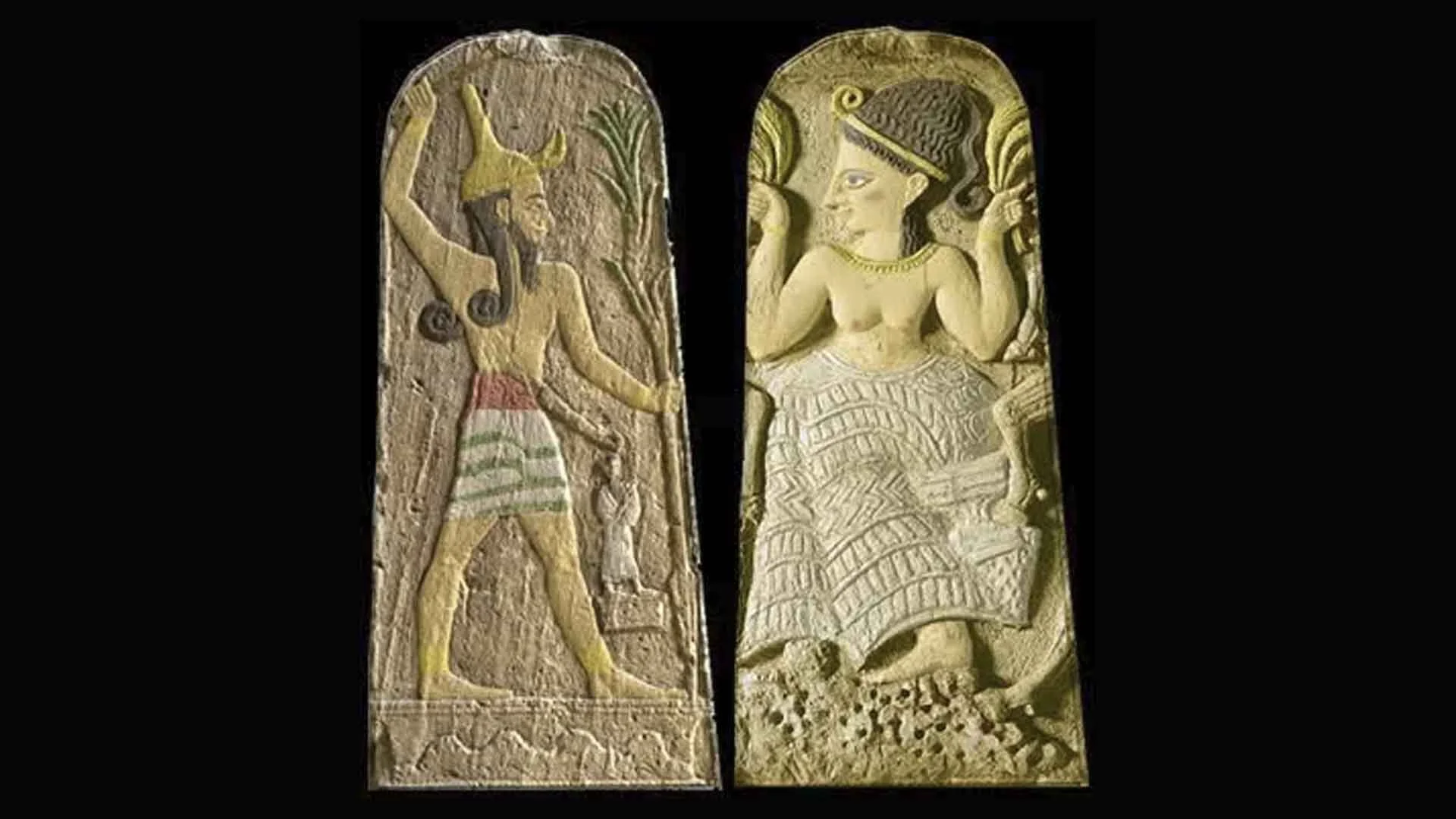
Kuttamuwu Stele, depicting a stack of curved bread loaves, 8th B.C.E.

Zevachim 77: אֵיבְרֵי עוֹלָה תְּמִימָה שֶׁנִּתְעָרְבוּ בְּאֵיבְרֵי בַּעֲלַת מוּם

jyungar November 30, 2025

For the source text click/tap here: Zevachim 77

To download, click/tap here: PDF

What is the reason of Rabbi Eliezer for deeming it permitted to burn the limbs of the sin offering on the altar as wood? The Gemara explains: The verse states:

“No meal offering that you shall bring to the Lord shall be made with leaven; for you shall make no leaven, nor any honey, smoke as an offering made by fire to the Lord. As an offering of first fruits you may bring them to the Lord; but they shall not come up for a pleasing aroma on the altar” (Leviticus 2:11–12).

This indicates that you may not offer up leaven and honey as a pleasing aroma, i.e., as an offering.

But you may offer upleaven and honey and other substances that are prohibited to be sacrificed upon the altar, such as the limbs of a sin offering, for the sake wood.

We examine the prohibition against leaven and honey in the meal offerings of Leviticus 2:11-12 through the lens of Talmudic interpretation, specifically focusing on the Mishnaic and Gemara discourse in our daf.

Tags 69th
Comment

In 2 Kings 4, Elisha performs a miracle by multiplying a widow's oil

Zevachim 76: הֲרֵי זֶה אֲשָׁמוֹ וְזֶה לוּגּוֹ

jyungar November 29, 2025

For the source text click/tap here: Zevachim 76

To download, click/tap here: PDF

Abaye asked on Rava from the following braisa: Rabbi Shimon said [concerning one who is uncertain if he is obligated in the metzora sacrifices for he was a confirmed metzora who has now recovered, or was he merely confined and he is not required in any sacrifices]: On the next morning he brings his asham offering together with the log of oil and stipulates, “If this is a metzora’s offering, this is his (my) asham and this is its log, but if not, then this asham should be a donated shelamim.”

That asham must be slaughtered in the north (like an asham) and requires sprinkling of its blood on the thumbs (like a metzora’s asham), and semichah, libations and the waving of the breast and the thigh (like a shelamim); and it is eaten one day and one night (like an asham). [Evidently, Rabbi Shimon is not concerned about shortening the amount of time that the korban may be eaten!?] The Gemora answers: A person’s remedy is different (in order for him to become tahor).

We explore the log shemen (measured portion of oil) in the metzora purification ritual of Leviticus 14, situating this biblical practice within the broader ancient Near Eastern context of ritual oil use and its metapsychological functions.

Tags 69th
Comment

Zevachim 75: אָשָׁם שֶׁנִּתְעָרֵב בִּשְׁלָמִים

jyungar November 28, 2025

For the source text click/tap here: Zevachim 75

To download, click/tap here: PDF

The Mishna on our daf deals with animals that were consecrated for different sacrifices – an asham (a guilt offering) and a shelamim (a peace offering). In this case, however, the sacrificial service of these sacrifices, while not identical, parallels one another.

For example, the placement of the blood on the altar – which is the central part of the atonement process – is exactly the same, “two sprinklings that are four,” that is, the blood is poured on the corners of the sides of the altar.

We explore The Halakhic and Theological Parameters of the Asham Offering.

Tags 69th
Comment

Zevachim 74: סְפֵק עֲבוֹדָה זָרָה אֲסוּרָה

jyungar November 27, 2025

For the source text click/tap here: Zevachim 74

To download, click/tap here: PDF

More cases of mixtures that include a forbidden item are discussed on our daf.

Rav Naḥman quoted Rava bar Avuh in the name of Rav as teaching that in a case of a signet ring of avoda zara that was mixed with others so that the entire collection was forbidden, if a single ring falls into the Yam HaGadol we will assume that it was the forbidden ring that fell, and all of the others are permitted.

We explore the sugya and the differences between sacred secular and profane.

Tags 69th
Comment

Zevachim 73: וְכׇל קָבוּעַ כְּמֶחֱצָה עַל מֶחֱצָה דָּמֵי

jyungar November 26, 2025

For the source text click/tap here: Zevachim 73

To download, click/tap here: PDF

As we learned on yesterday’s daf, the rule that when permitted and forbidden items become mixed together, the forbidden items can become batel (nullified) does not always apply. When items retain their unique, independent status, it becomes much more difficult to view them as becoming batel.

Another situation that may cause items to be viewed as unique and preclude nullification in the ordinary manner, is when the items are a davar she-be-minyan – when they are things that are counted and sold by number rather than by weight.

We continue our exploration of kavua.

Tags 69th
Comment

Zevachim 72: כׇּל דָּבָר שֶׁיֵּשׁ בּוֹ מִנְיָן

jyungar November 25, 2025

For the source text click/tap here: Zevachim 72

To download, click/tap here: PDF

Ordinarily, when permitted and forbidden items become mixed together, depending on circumstances, the forbidden items can become batel (nullified) be-rov – when the majority of the items are permitted – or be-shishim – when the amount of permitted items is such that in a mixture the forbidden items could not be tasted, which is determined by the Sages to be when there is sixty times as much permitted material as there is forbidden material.

The Gemara on our daf discusses an exception to that rule, specifically that when certain objects are considered to have unique importance they cannot become nullified. We follow the opinion of Rabbi Akiva who enumerates seven such objects:

We explore the mystical interpretations of bittul…

Tags 69th
Comment

Zevachim 71: אֲבָל לְגָבוֹהַּ אֵימָא לָא

jyungar November 24, 2025

For the source text click/tap here: Zevachim 71

To download, click/tap here: PDF

As we learned on yesterday’s daf the eighth perek of Massekhet Zevaḥim focuses on mixtures, and specifically on animals that are mixed together in the Temple.

One example from the first Mishna that appears on our daf is where animals that have been consecrated by two different people for the same korban are mixed up and we do not know which animal belongs to whom. In this case the Mishna rules that the kohen should sacrifice each animal for one of the owners. Rashi teaches that this means that the kohen should announce “this animal is being brought for its owner” without offering any specifics.

We explore Sanctity in Mixture: and Holiness, Boundaries, and the Theology of Sacred Contamination?

Tags 69th
Comment

Julian Ungar-Sargon

This is Julian Ungar-Sargon's personal website. It contains poems, essays, and podcasts for the spiritual seeker and interdisciplinary aficionado.​