
For the source text click/tap here: Zevachim 86
To download, click/tap here: PDF
The priest clears these ashes (terumas hadeshen) not to erase what was, but to make space for what will be. It is an act that belongs neither fully to the old day nor to the new. It happens in the in-between, in the dawning recognition that renewal is possible only after the remnants of the past have been gently lifted away.
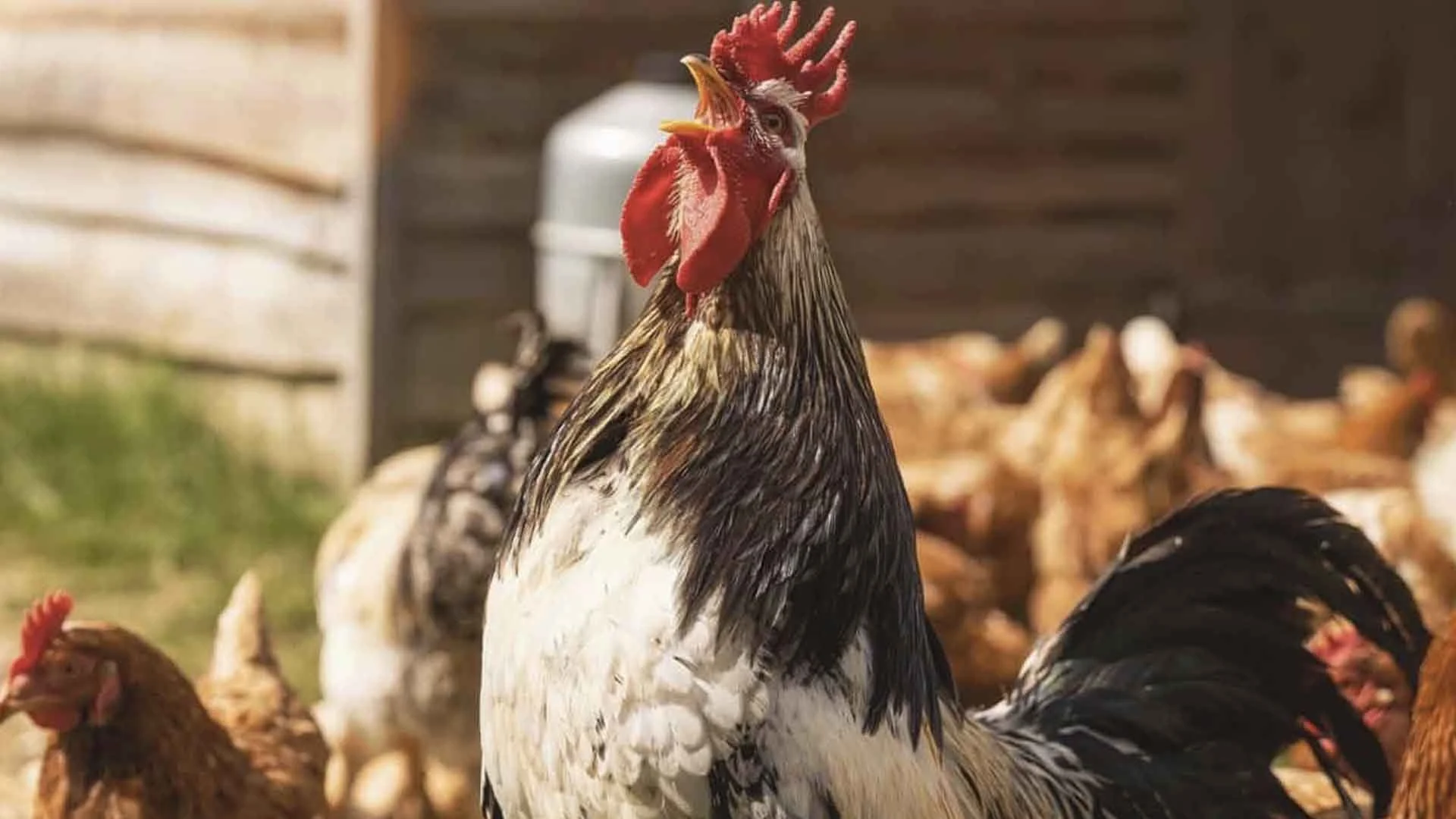
Our Daf (Zevahim 86b) interprets a seemingly conflicting verses “burn it all night until morning” (Lev 6:2) and “remove the ashes in the morning” (Lev 6:3). If burning continues all night, when exactly does “morning” begin? Rabbi Yoḥanan’s answer is both elegant and profound: “Give a morning to the morning of the night.” In other words, “morning” is not sunrise but the earliest natural signal of its approach. Halakhically, that signal is the rooster’s cry. Thus, a humble animal becomes the hermeneutical key by which the rabbis reconcile Scripture. Nature becomes commentary; creation itself becomes a witness to Torah.
We explore this liminal space in time as well as the significance of the rooster and its crow.