
For the source text click/tap here: Bechorot 5
To download, click/tap here: PDF
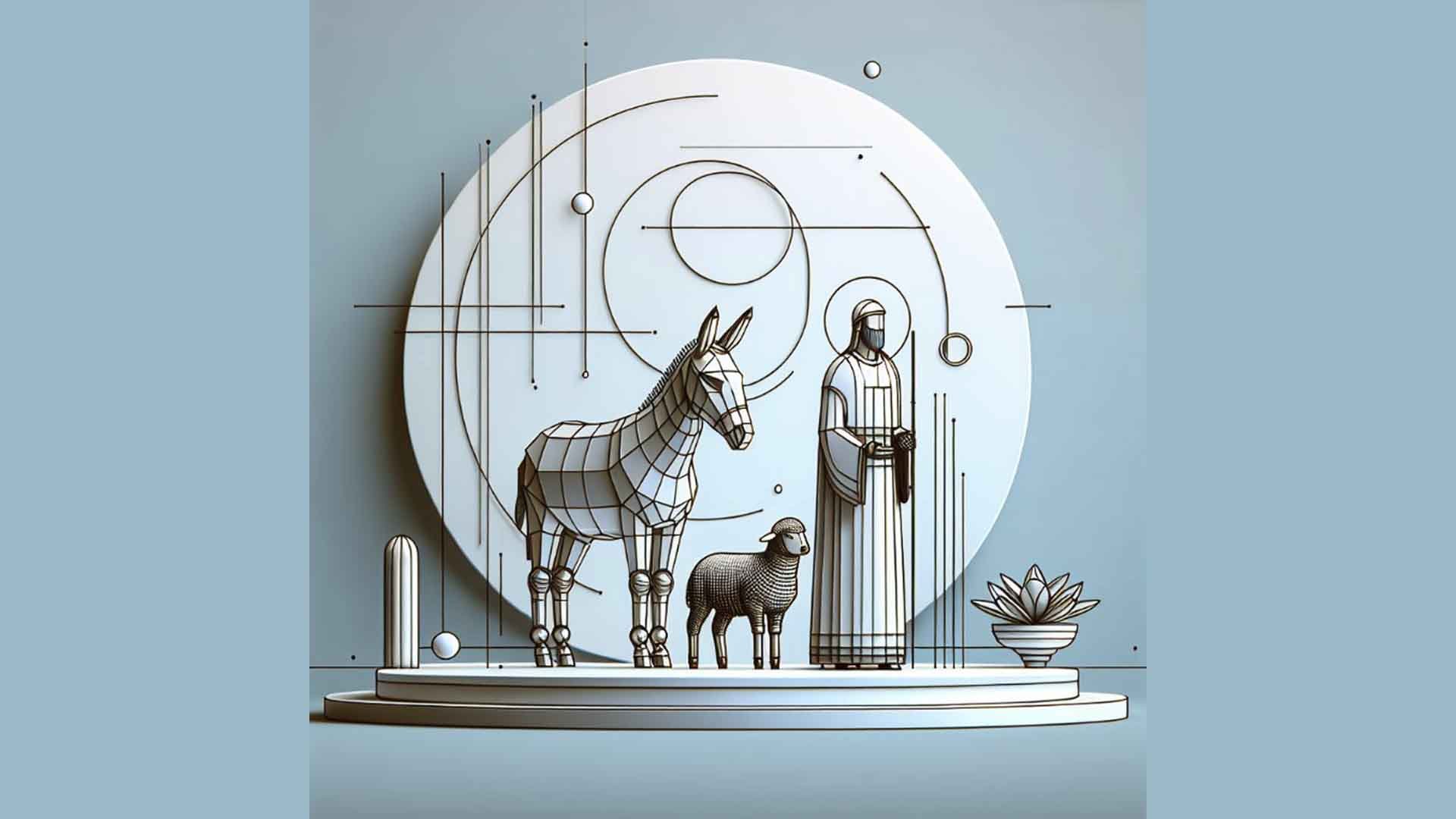
The donkey was the only non-kosher animal which required redemption. Unlike the cow, sheep and goat, whose firstborns were given to a Priest who brought it as an offering to the Temple, a donkey obviously cannot be brought as an offering. Instead, it was traded in for a lamb or a kid, which was given to the Priest in its stead (as an ordinary gift, not to be brought as a sacrifice). See Exodus 13:11-13 and Numbers 18:15-18. As Exodus 13:13 continues, if the owner refuses to redeem his donkey, its neck is broken – as punishment to the owner for his failure to fulfill his obligation.
Why was the donkey different? The Talmud asks this question as well and explains that the donkey had a special role in the Exodus (which this mitzvah commemorates – since God spared the firstborn children and animals of the Jews at the Plague of the Firstborn). Every Jew who departed Egypt took many donkeys with him to carry all the booty the Egyptians gave him right before he left (Exodus 12:35-36; Bechoros 5b).