
For the source text click/tap here: Bechorot 4
To download, click/tap here: PDF
The Rambam interprets Shemot (13:11) as saying that the firstborn is sanctified if they were alive at the time of the Exodus. This celebrated that they were saved while the Egyptian firstborn was killed in the final plague. Regardless, the obligation to apply this sanctification to future generations did not take effect until after the journey into the desert had ended.
Rabbi Yochanan debates: a baraita state that before the Tabernacle was built, the sacrificial service in the desert took place on private altars by the firstborn. Reish Lakish retorts that this only refers to the firstborn who were already alive at the time of the Exodus.
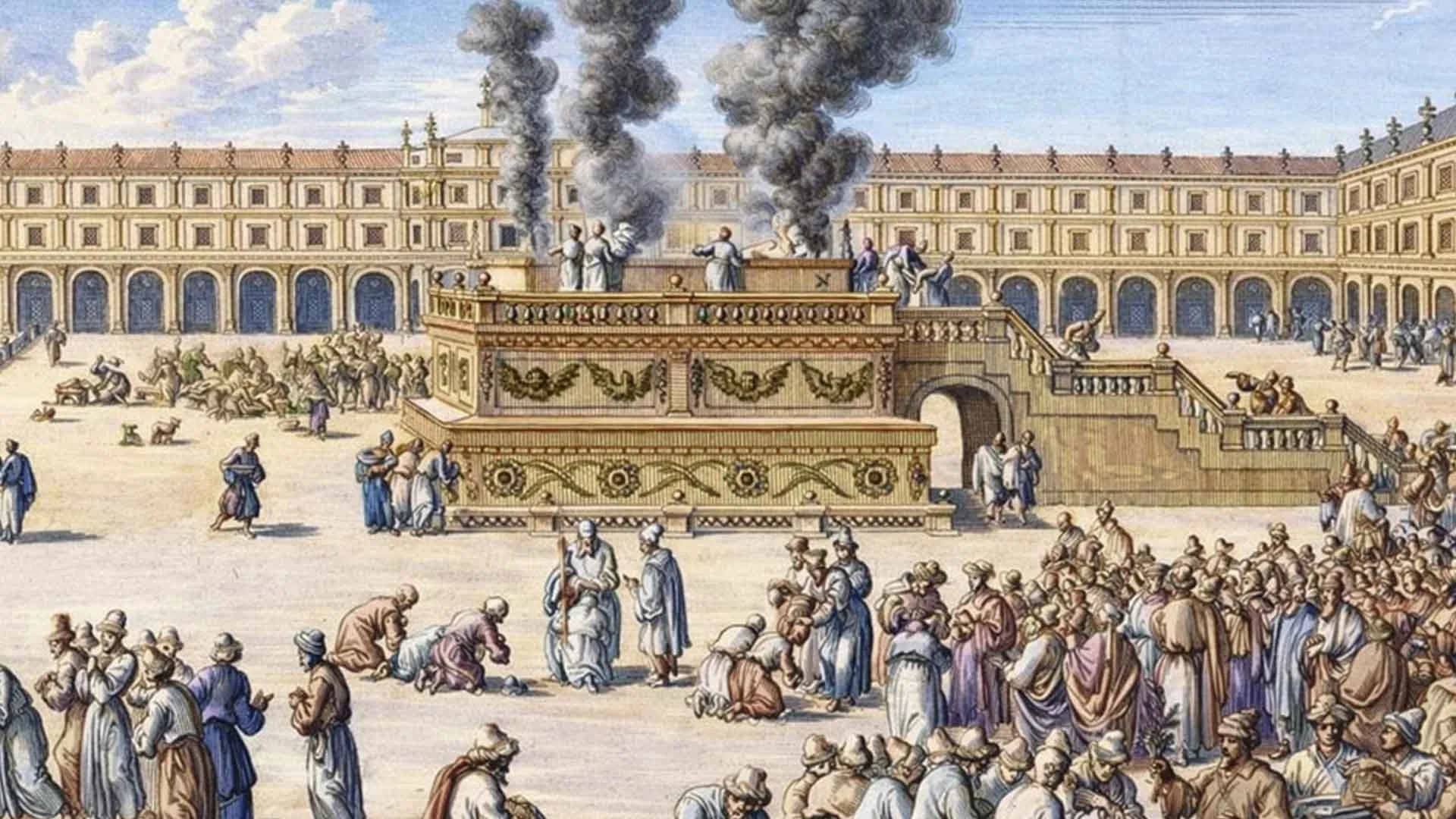
Steinsaltz teaches us that the sacrificial service in the desert performed by the firstborn was based on a passage in Shemot (24:5) where we learn that when Torah was given on Sinai, there were a group of "young men" who brought sacrifices.
We explore how the tribes of Israel are counted twice, in chapters 1 and 2 of Parashat Bemidbar, and the Levites are counted twice, in chapters 3 and 4, in Parashat Bemidbar–Naso. What is the purpose of each such double census?