
For the source text click/tap here: Chullin 61
To download, click/tap here: PDF
When the Torah turns to the classification of permitted creatures, it does not legislate uniformly. For quadrupeds and for aquatic life it supplies positive, observable criteria—the split hoof and the chewing of the cud, the fin and the scale—by which any competent observer may adjudicate a species never before encountered. For birds it does something altogether different: it supplies no criteria at all, only a list of twenty-four forbidden names.
Abaye’s celebrated observation that: לֹא נֶאֱמַר פֵּירוּשָׁן מִדִּבְרֵי תוֹרָה אֶלָּא מִדִּבְרֵי סוֹפְרִים the avian signs were “not stated by the Torah but by the Sages” is read here not as a marginal technical remark but as a self-disclosure of the rabbinic system: an admission that, where Scripture withholds a definition, the chain of mesorah must itself constitute the law rather than merely describe it.
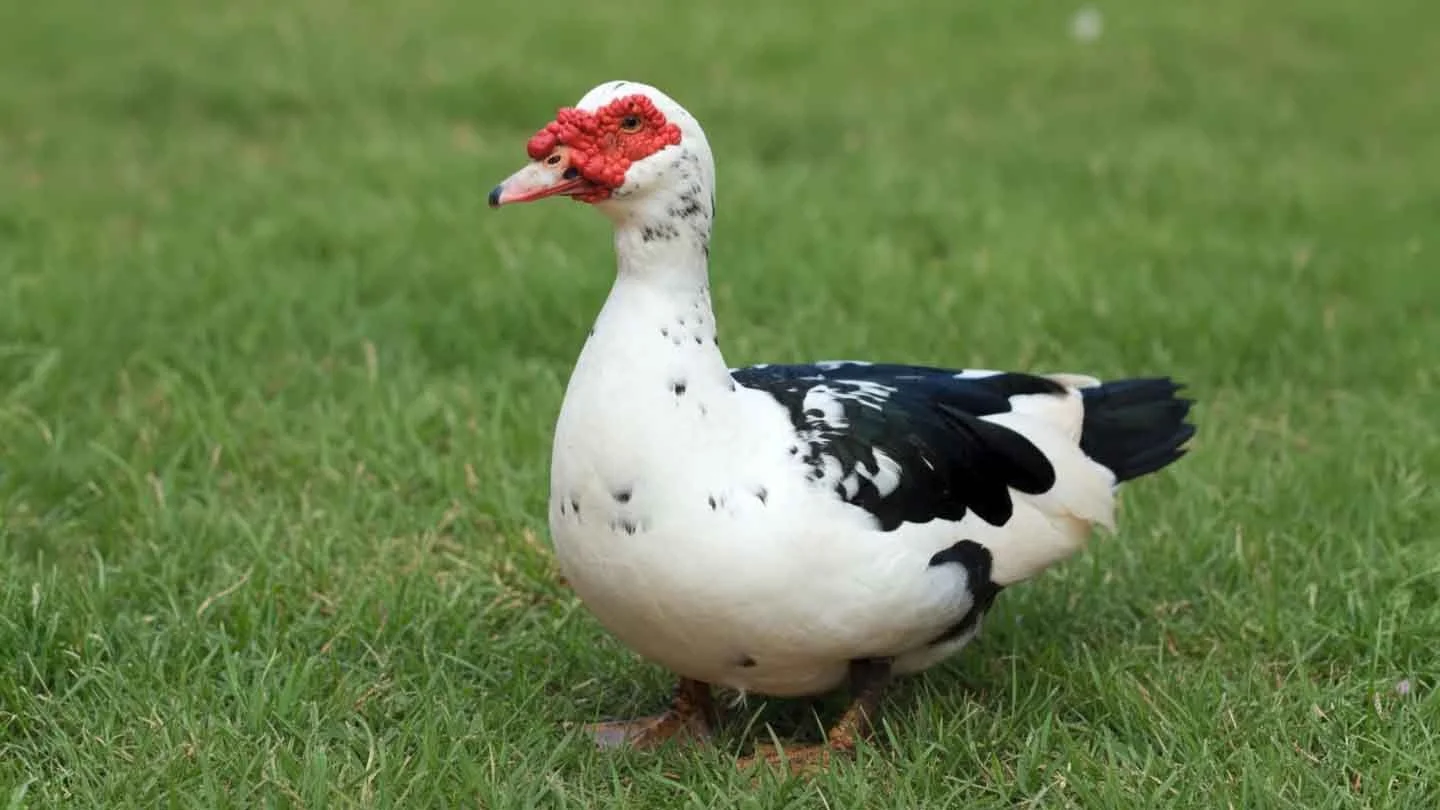
We follow this principle through the marsh-hen narrative, the contrasting case of fish, the medieval codification of avian mesorah by Rashi and Maimonides, its hardening in the Shulchan Arukh, the generalizing principle of the Chatam Sofer, and the modern test cases of the turkey and the Muscovy duck.