
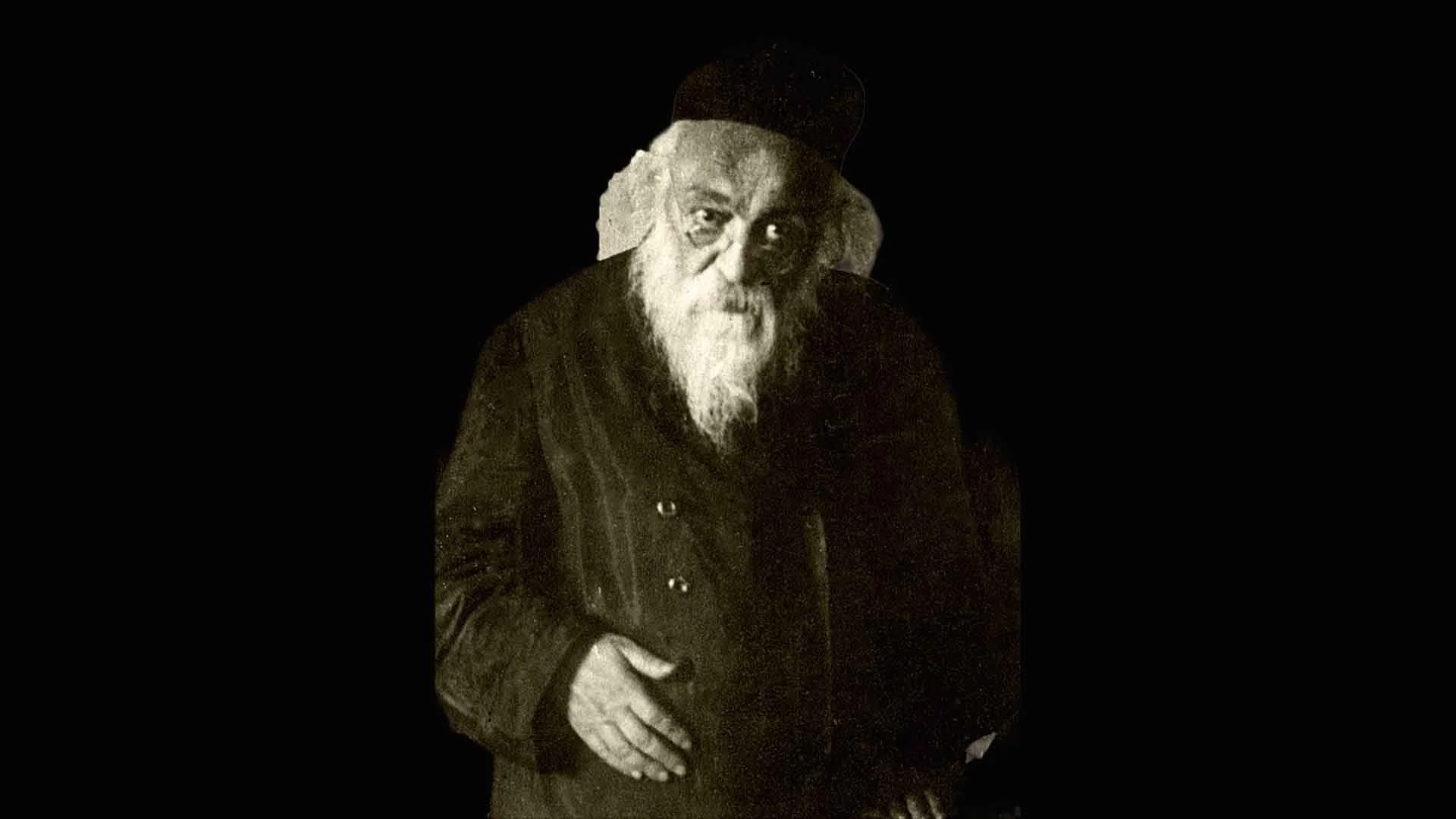
The Counter-University
The emergence of the Brisker method under Rabbi Chaim Soloveitchik (1853–1918) transformed the grammar of elite Talmudic study within a single generation. The scholarly literature has described that transformation with care, tracing its legal innovations, its Lithuanian antecedents, its conceptual vocabulary, and its institutional diffusion. What that literature has not attempted to explain is why this particular form of learning proved so compelling to precisely those minds that stood most exposed to the alternatives offered by the Haskalah, the German research university, and the Wissenschaft des Judentums.
This essay proposes a complementary interpretive framework. It argues, first, that the historically answerable question is not why Rabbi Chaim devised his method but why the method flourished — a question about reception rather than intention, and therefore a question about which historical evidence exists. It argues, second, that this question resolves into three, which take different kinds of evidence and should be pressed in order: conscious institutional strategy, for which the documentary record is the relevant test; structural competition within an intellectual field, addressed through Pierre Bourdieu's sociology of fields together with Randall Collins's account of attention space, Andrew Abbott's analysis of jurisdictional conflict, and Thomas Gieryn's account of boundary-work; and, only where these run out, the residual question of why the response took the specific form of conceptual ontology, for which Carl Gustav Jung's account of cultural compensation is invoked. Alasdair MacIntyre's thesis of tradition-constituted rationality and Max Weber's analysis of rationalization supply the account of legitimacy and form that runs across all three levels, and Lacanian and Žižekian accounts of institutionally organized desire are used descriptively rather than reductively. It argues, third, that the case yields a general claim about religious creativity: that traditions confronted by a rival intellectual order possess a fourth option beyond rejection, assimilation, and compromise, namely the unconscious reconstruction within their own symbolic universe of an equivalent form of intellectual excellence.
Brisk, on this reading, is neither capitulation nor defence. It is the transposition of the modern desire for rigorous thought into an ever-deepening encounter with revelation. The essay closes by situating this claim within a wider account of religious traditions as living in the interval between the poles they are usually described as choosing between.