
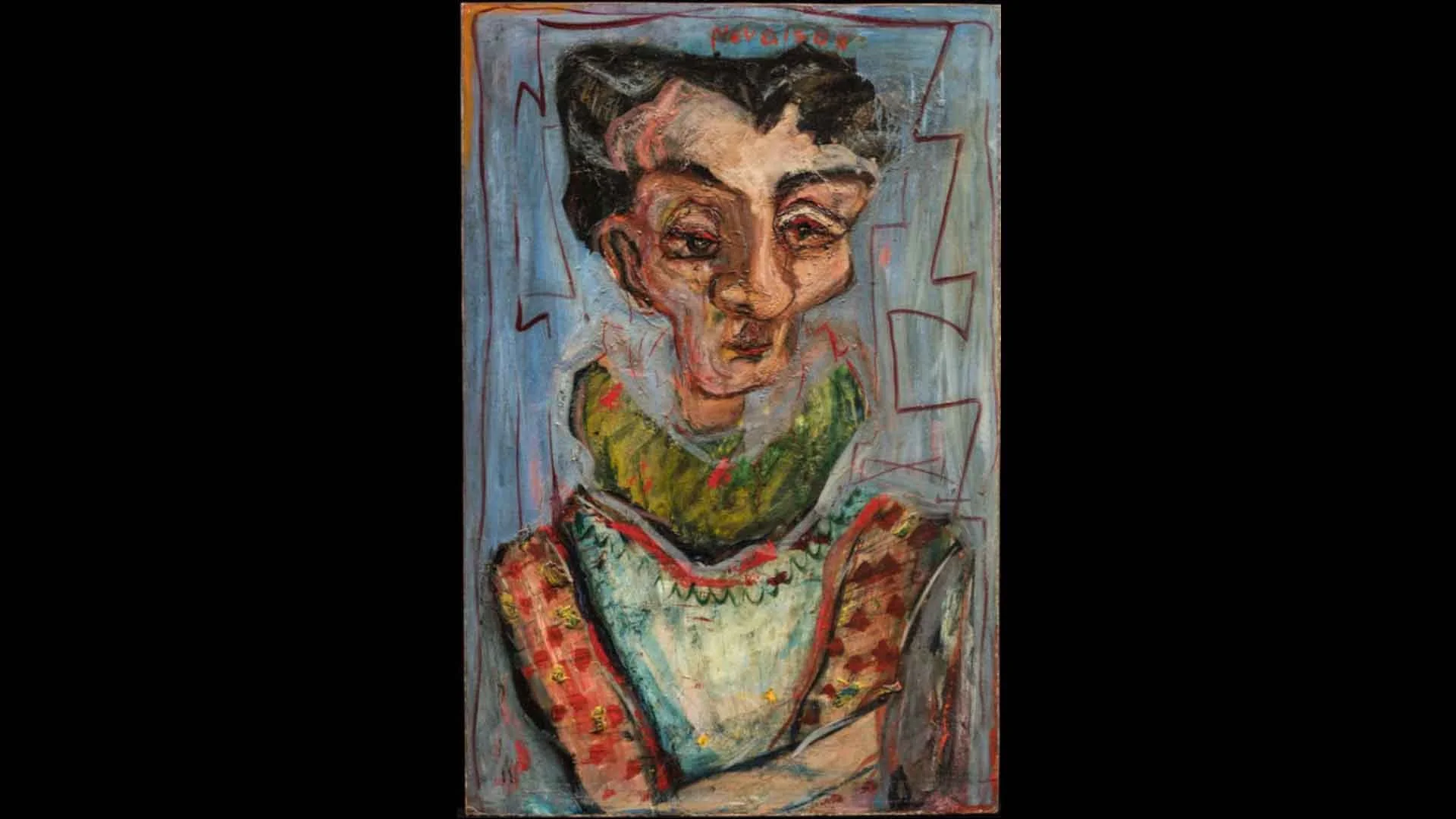
To Enter Without Disappearing
The modern Jewish encounter with European civilization is usually narrated as a contest between fidelity and betrayal, with assimilation cast as moral failure and continuity as moral achievement. This essay argues that the framing is wrong, and that its wrongness has consequences we are still paying for. Drawing on Jacob Katz, Arthur Hertzberg, Zygmunt Bauman, Steven Aschheim, Shulamit Volkov, David Sorkin, Todd Endelman, Michael Herzfeld, and Jonathan and Daniel Boyarin, I reconstruct assimilation not as a defect of loyalty but as a structurally induced ambivalence: the predictable psychological residue of an emancipation contract whose terms were never fully written down.
I then press a second question that the historiography tends to leave unasked. Granting that Jewish continuity is desirable, what makes it desirable? Post-Holocaust survivalism answered by making continuity self-justifying, and in doing so risked handing the antisemite authorship of Jewish identity.
Contemporary “continuity” discourse inherited that structure and largely secularized it into demography. I argue instead for a value-first account: a tradition earns transmission by the quality of attention it forms in those who receive it, and Jewish continuity is worth wanting because the interpretive discipline it produces is worth having — a claim I test against my own clinical hermeneutics.
The essay closes with the Soloveitchikian figure of ger ve-toshav, stranger and resident, read not as a problem awaiting resolution but as the permanent structure of a mature modern Jewish self, and with the Jungian and Neumannian claim that the visibly traditional Jew and the acculturated Jew function as each other’s shadow rather than as each other’s refutation.