
Trees, Divine Presence, and Higher Power
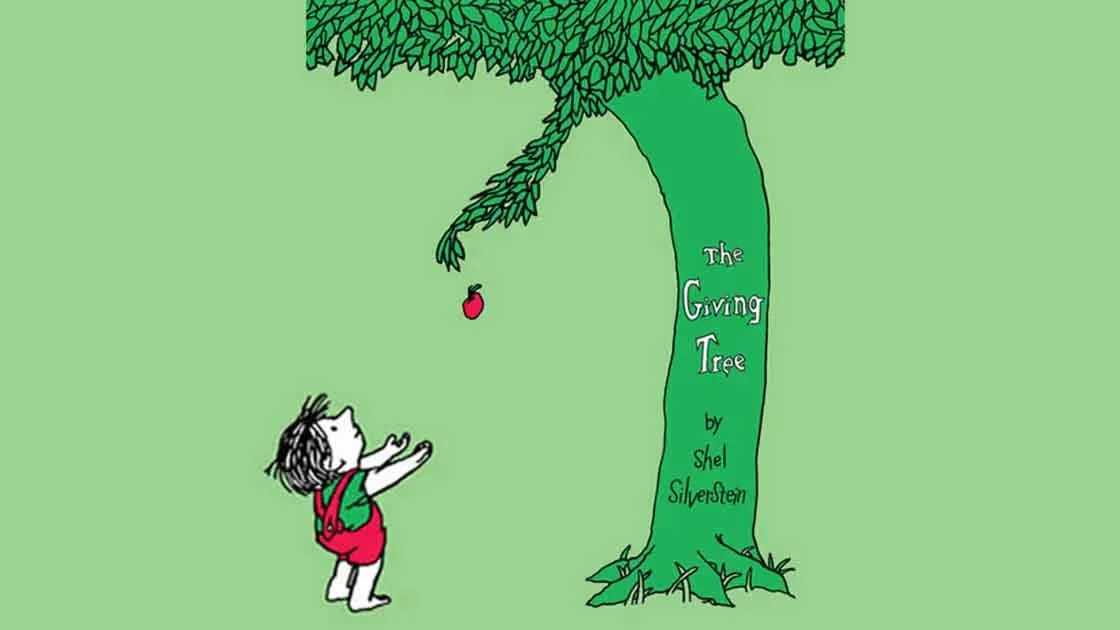
Shel Silverstein's The Giving Tree (1964) has long been read as a simple parable of unconditional giving and human desire. This comprehensive analysis proposes a far deeper reading: the tree as an embodiment of the Shekhinah, the feminine aspect of divine immanence in Kabbalistic theology, whose boundless generosity mirrors the mystical dynamics between God and creation. By juxtaposing this Kabbalistic reading with the spirituality of the 12-Step Program—the foundation of Alcoholics Anonymous and related recovery movements—this essay explores fundamental questions about divine-human interaction, selfhood, ethical responsibility, and the nature of therapeutic transformation. Drawing extensively upon recent scholarship in Jewish mysticism, contemporary therapeutic theology, and integrated frameworks for understanding Shekhinah consciousness in clinical practice (1-3), we demonstrate how these seemingly disparate paradigms illuminate complementary aspects of spiritual engagement with forces beyond the self. The analysis synthesizes insights from Lurianic Kabbalah, Chassidic psychology, phenomenological approaches to healing, and clinical applications of mystical concepts to develop a comprehensive framework for understanding both literary allegory and lived spiritual practice. We propose that both The Giving Tree and 12-Step spirituality represent variations on fundamental human experiences of dependence, transformation, and encounter with transcendence, though they diverge significantly in their theological assumptions, anthropological implications, and practical applications. The integration of these frameworks offers rich resources for contemporary therapeutic practice, addiction treatment, and spiritual direction.