Julian Ungar-Sargon

  • Home
  • Theological Essays
  • Healing Essays
  • Podcast
  • Poetry
  • Daf Ditty
  • Deep Dive Ditty
  • Videos
  • Publications
  • Military Service
  • Dominican University
  • Home
  • Theological Essays
  • Healing Essays
  • Podcast
  • Poetry
  • Daf Ditty
  • Deep Dive Ditty
  • Videos
  • Publications
  • Military Service
  • Dominican University

Poems

Moving Poetry by Dr. Julian Ungar-Sargon

Nova : Nothing New

jyungar January 5, 2026

I.


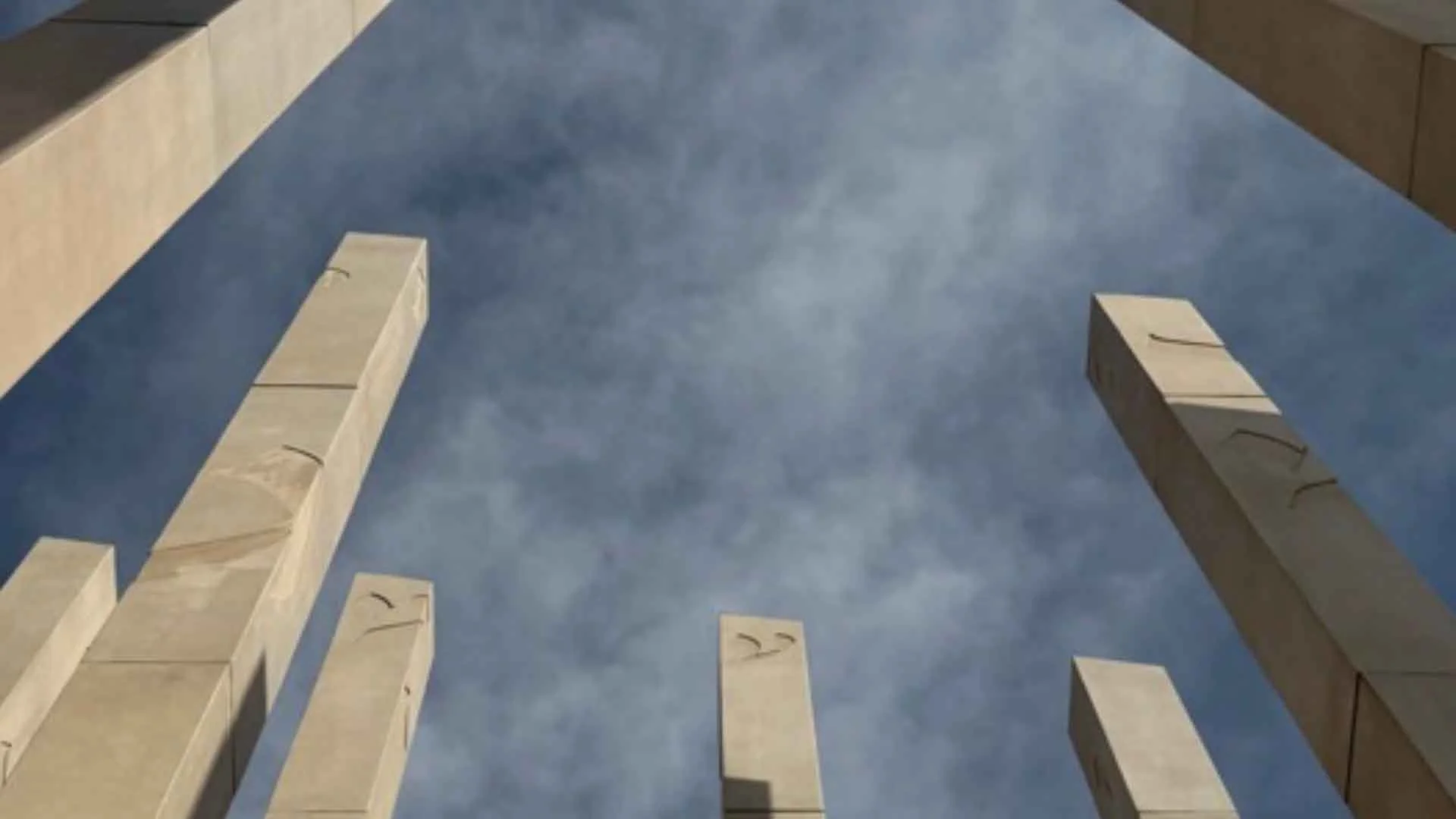
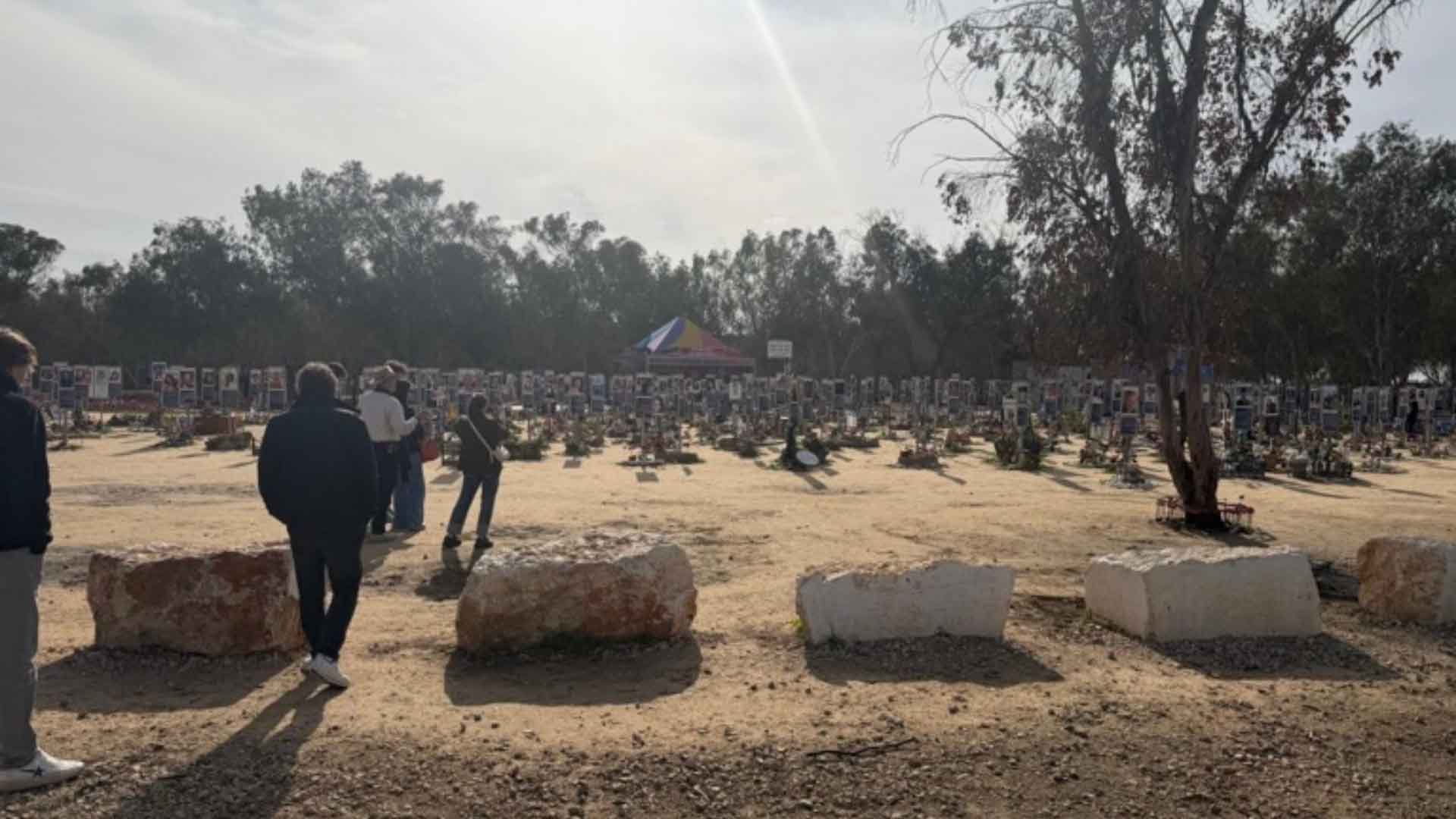
The road south does not warn you. Eucalyptus, winter wheat, the ordinary grammar of arrival— then the field opens its throat.

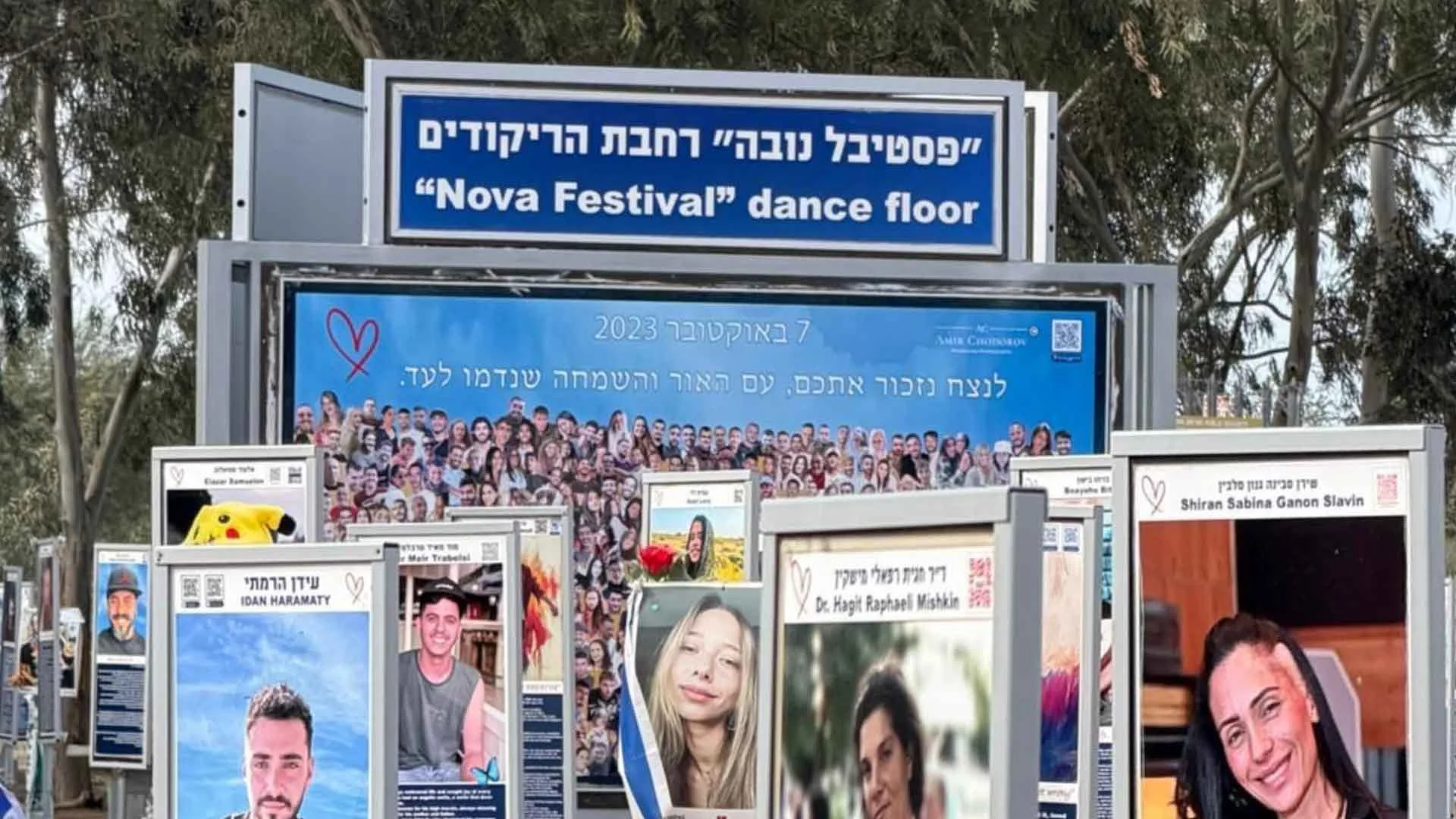
Faces rise from soil like a congregation that forgot to leave, each portrait a midrash mounted on silence: Here stood breath. Here, rhythm. Here, the body before it learned its own fragility.

Kalaniyot gather at their feet, red anemones spreading the way blood does not spread— slowly, with intention, a second spring that knows its season has been renamed.

I cannot rush. Each step a trespass, each glance a debt unpaid.

This is not absence. This is over-presence— the place where tzimtzum failed, where God did not contract enough to let the human survive the density of what is real.

Music opened bodies here. Now silence does the same.
II.

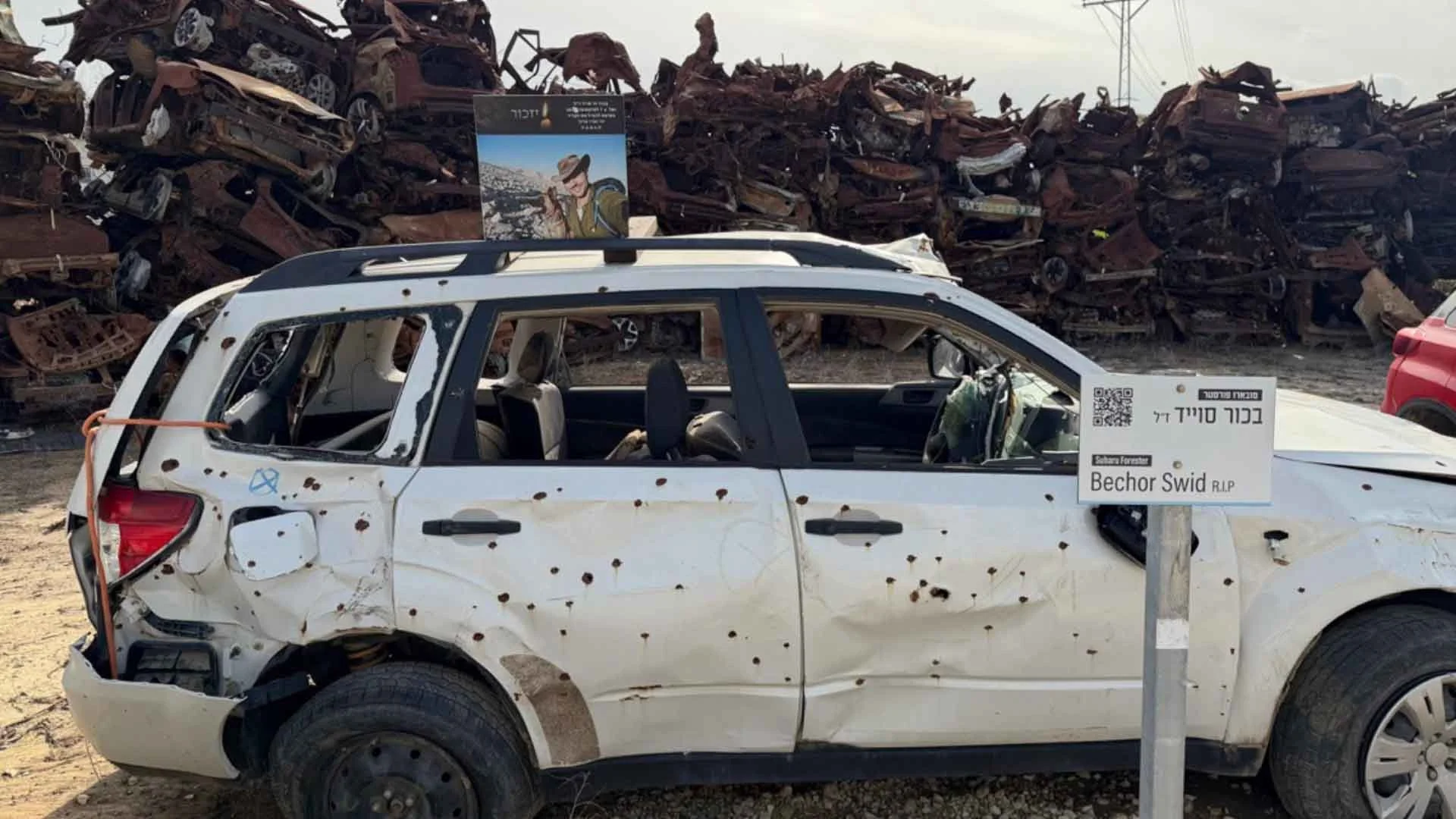
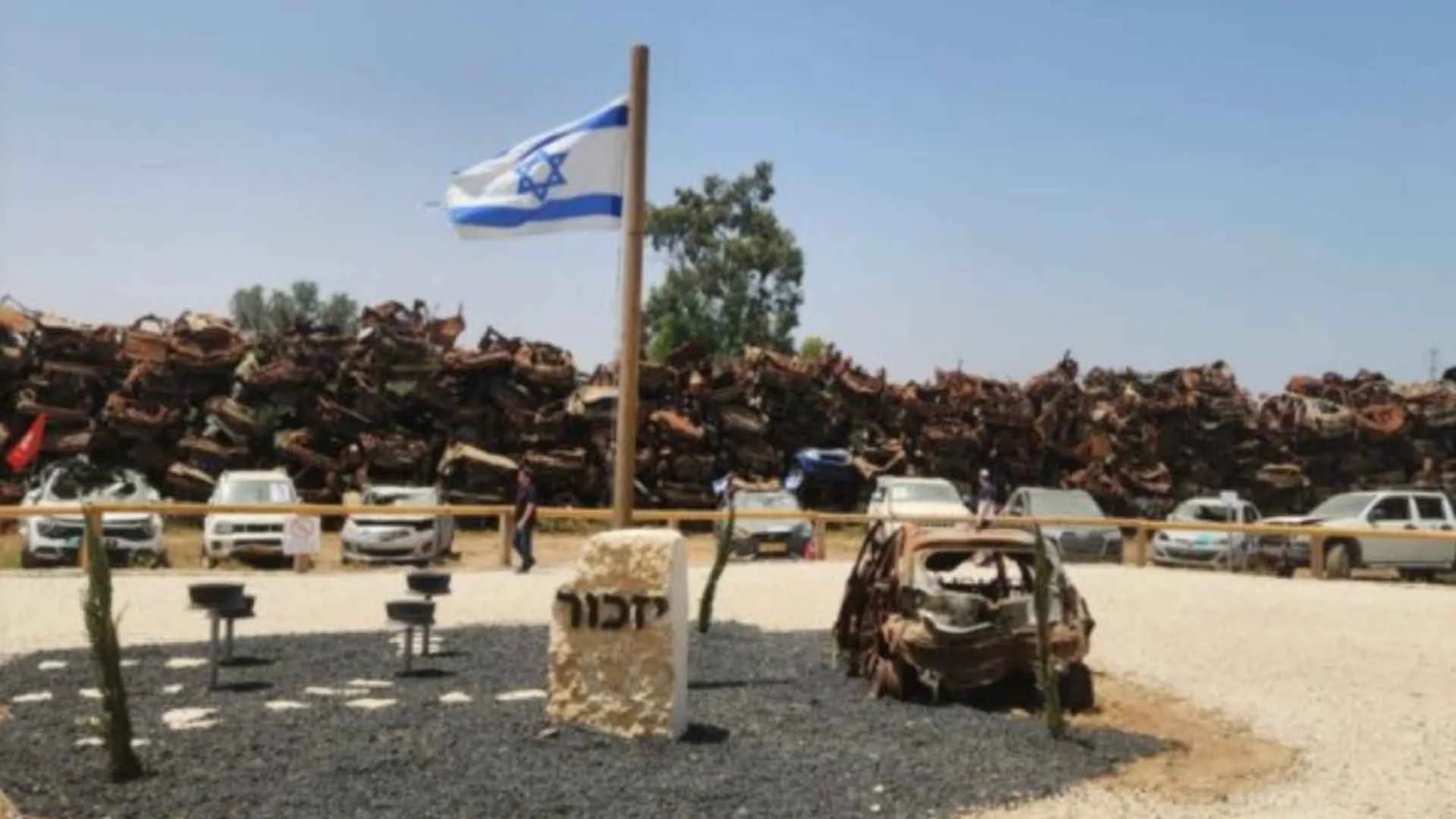
מגרש הרכבים השרופים / קיר המכוניות

Near Moshav Tekuma


The vehicles remember.

Stacked metal, oxidized grief, each chassis a sentence stopped mid-syllable. Doors torn, frames perforated— the punctuation of bullets writing nothing anyone wanted to read.  1,560 in number-unfathomable assault.

Two black Toyotas sit unburned, gun turrets welded to their backs, placed in the circle like an answer no one asked for.

My physician's eye catalogues: heat deformation, blast pattern, penetration depth. But something older intrudes— something that does not measure.

In the Talmud, stones cry out when blood is spilled. Here, steel learns to weep.

A white pickup from Nir Oz stands apart, doors flung wide, as though the driver might return, as though leaving were still possible.

III.

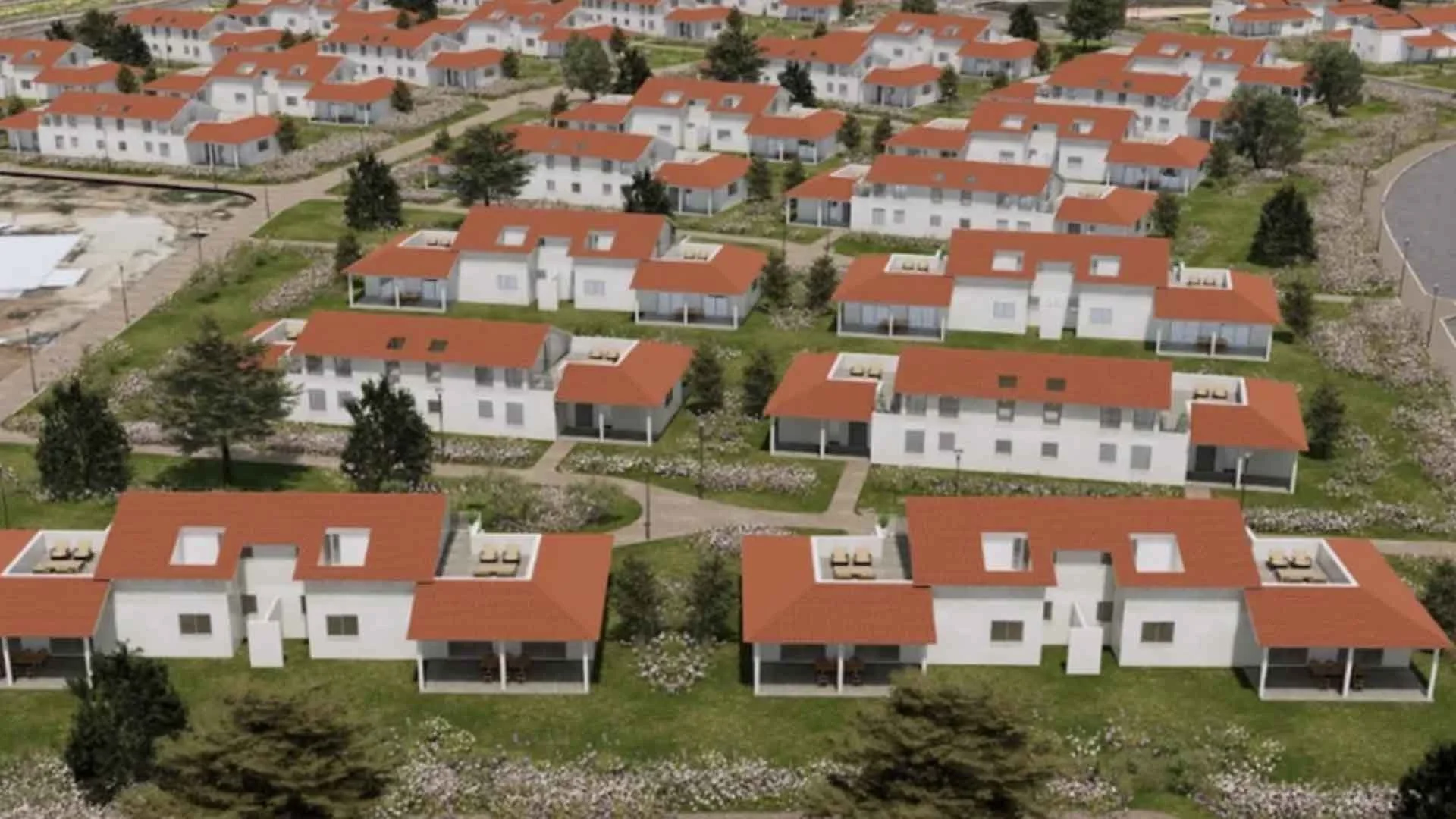
At Be'eri, the homes do not explain themselves. They are already fed up with gapers

Only peeking from the road allowed.

No front line was drawn here. The front came through the kitchen, through the children's room, through the ordinary architecture of morning.

What do you call a threshold that no longer divides? What bracha for a doorway that held nothing back?

The mezuzah may still hang— I did not look. Some things should not be checked.

IV.

In Sderot, the murals try. Painted flags, blue sky, the grammar of endurance. But bullet holes interrupt the art, the real puncturing representation as it always does.

A mirage police station stands between order and exhaustion, vigilance and the slow fatigue of being the margin that never moves inward.

No triumph here. Only the repetition of getting up.

V.

I came looking for nothing. I found obligation.

The God who survives this place is not the God of rescue, not the Shomer Yisrael who guards with outstretched arm. That God did not show.

What remained was the other Presence— the one who stays without fixing, who witnesses without redeeming too quickly, who sits shiva in the ash long after the comforters have left.

The vav is broken here. וְהוּא—and He— cracked at the center, the letter that joins learning what it means to hold two fragments that will not fuse.

VI.

Do not rush toward meaning. Sacrifice, heroism, rebirth— the old words circle like relatives who do not know what to say.

This ground will not be narrated. It demands a slower faith: unresolved grief, moral ambiguity, the scandal of survival that offers no absolution to the one who walked away.

VII.

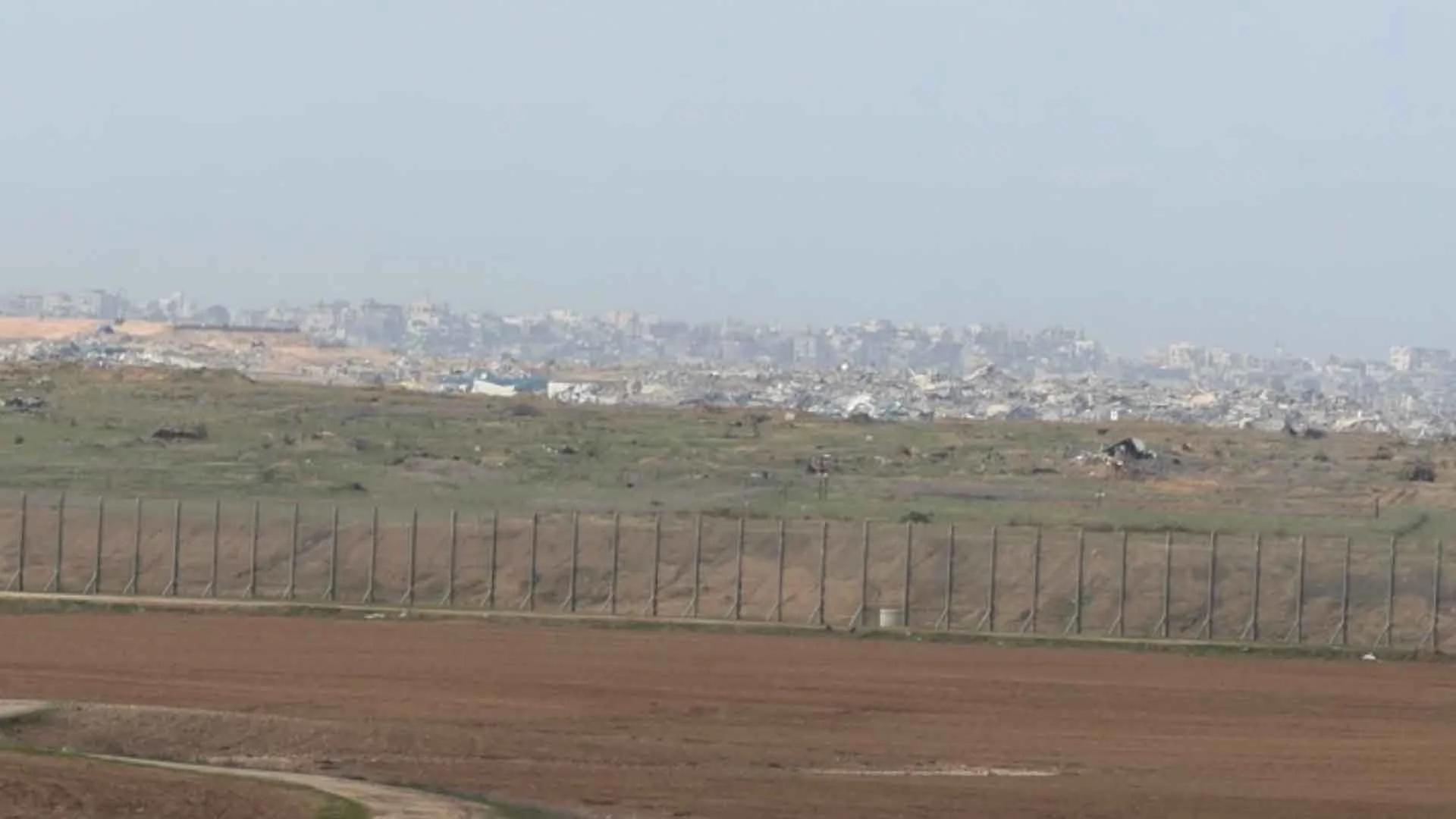
The road north bends gently. The sky remains indifferent. I carry nothing I can name.

Only this:

The earth, burned and planted, danced upon and violated, has written something on the body.

It will take years to read. It may take longer to refuse the false translations.

For now, I do not interpret. I only remain a little less whole, a little more present, a fractured letter in a sentence still being written.

For the faces in the field, for the steel that remembered, for the doors that did not hold.

TagsP7
  • Poems
  • Older
  • Newer

Julian Ungar-Sargon

This is Julian Ungar-Sargon's personal website. It contains poems, essays, and podcasts for the spiritual seeker and interdisciplinary aficionado.​