The Physician as Jester
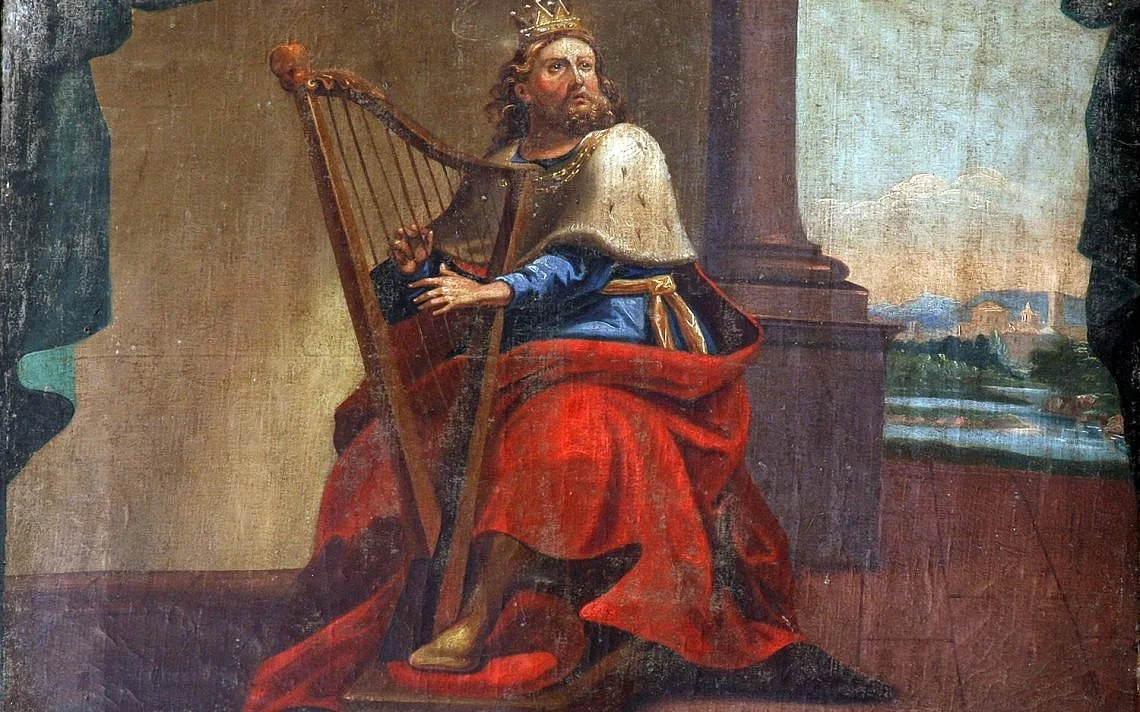
The Zohar calls King David bediḥa de-malka, the King's jester: a man who, even in sorrow, returned to his jesting when he stood before the King.(1) In the Degel Maḥaneh Ephraim on Parashat Ḥayyei Sarah, R. Moshe Ḥayyim Ephraim of Sudilkov reworks this image into an argument about how the infinite may teach the finite.(2) David, who drew the light of Torah from the letters of his own troubles, asks God to reveal Torah instead through ease and expansiveness; and he asks in the only voice permitted for such a request, the jester's. If You choose to teach me through suffering, he jokes on Psalm 119:96, there will be no end to my suffering, for Your commandment is without end. The answer is Abraham, blessed ba-kol: Torah given in the mode of ḥesed.
This article reads that teaching as the foundation for a clinical theology of humor. It sets the Degel against two of his own Likkutim, the alchemical "sweetening" of suffering into psalm and the account of Torah as mashal ha-kadmoni, the primordial parable,(3,4) and against the archetypal jester of court literature, carnival, alchemy and the Talmud.(8–17) It then proposes that the physician occupies the jester's position: licensed by intimacy with power to speak the truth that cannot be spoken straight, to the patient, to the institution, and to the clinician's own pretensions. The patient's joke is reread as a petition, not a deflection. The clinical literature on humor is reviewed,(27–35) the shadow of the jester (cruelty, gallows humor, service to the wrong king) is examined, and a working grammar of the therapeutic jest is offered through composite vignettes. The argument extends the author's framework of hermeneutic medicine and his prior work on the primordial parable and on divine concealment.(5,6,18–20)