Divine Concealment and the Clinical Limits of Theodicy
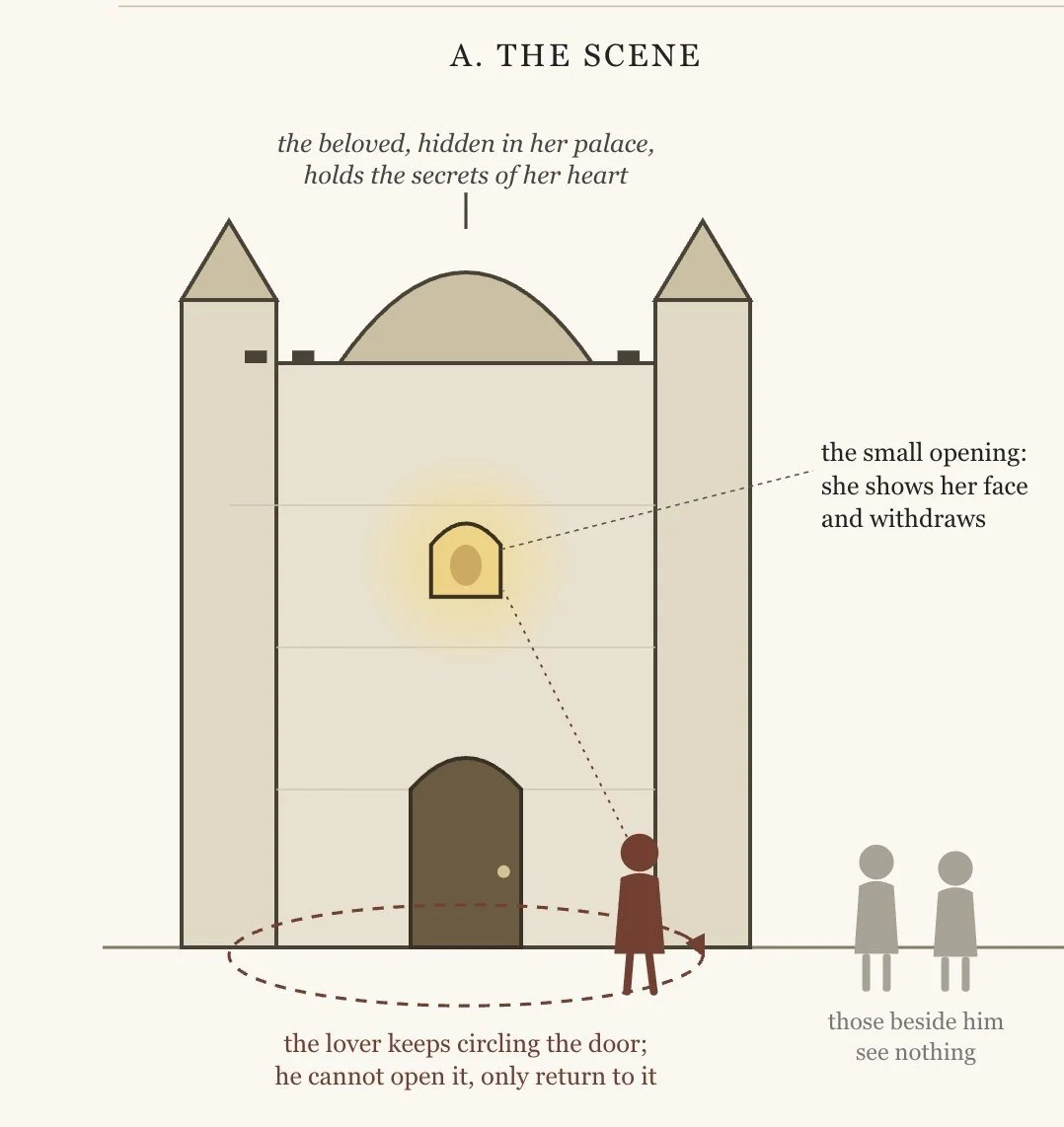
Patients facing catastrophic illness often ask a question medicine cannot answer: not how this happened, but why it happened to them. Two familiar responses fail. The first resolves the question by supplying a providential meaning; the second abandons it by treating the question as outside clinical scope. This essay proposes a third posture, holding the resolution: the clinician neither supplies nor forecloses a final meaning, but keeps open the possibility that one exists while refusing any authority to declare it. The argument is developed through a close reading of the beloved-maiden parable in the Zohar’s Sava de-Mishpatim (Zohar II 99a–b), read against a selected trajectory in the author’s published clinical theology, from concealed presence toward anti-theodicy, irreducible antinomy, and faithful nonsurrender. Four features of the passage carry the argument. Disclosure belongs to the beloved and is never seized by the lover. Knowledge of the stranger’s soul comes through one’s own estrangement rather than penetration of the other. The old man refuses to close his discourse when his listeners declare themselves satisfied. Most important, the culmination of face-to-face disclosure returns the lover to the plain sense of the text, to which nothing may be added and from which nothing may be taken away. From these features the essay derives four bedside disciplines and a criterion, the peshat test: any meaning offered at the bedside must leave the patient’s own words standing unaltered. The proposal does not suspend causal inquiry, treatment, or accountability for error, and it makes no empirical claim of efficacy. It offers a normative account of what a clinician may claim about the meaning of another person’s suffering, and of what remains owed when that meaning is withheld.