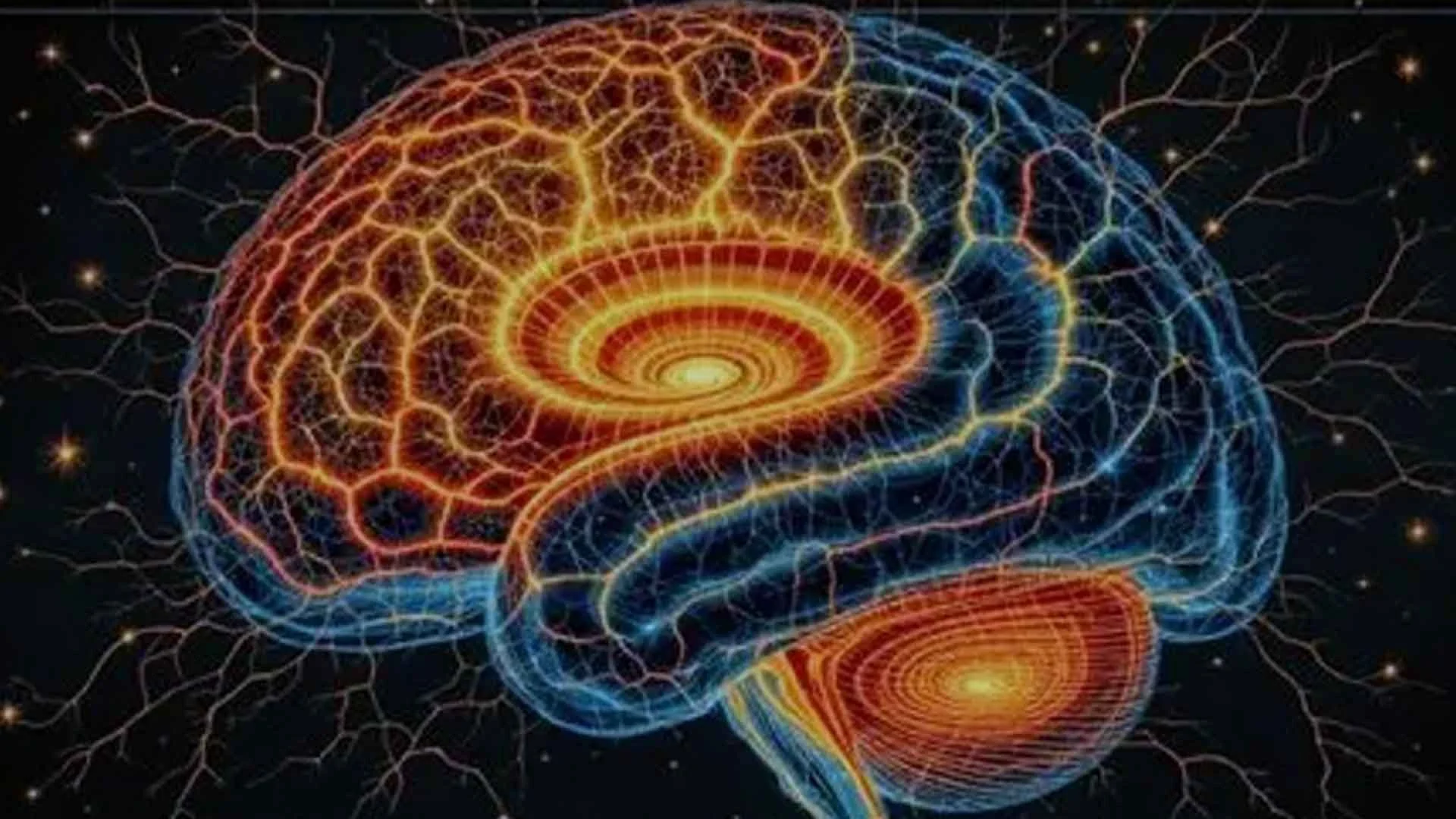
Memory: From Ancient Art to Synaptic Science
Memory constitutes one of humanity's most enduring intellectual preoccupations, weaving through philosophy, rhetoric, theology, psychology, and neuroscience across three millennia of systematic inquiry. This discursive article traces the cultural history of memory from its origins in ancient mnemonic traditions through medieval scholasticism, the scientific turn of experimental psychology, and into the contemporary era of molecular and systems neuroscience. We examine how cultural metaphors—the wax tablet, the aviary, the storehouse, the palimpsest, and now the computer—have shaped both lay and scientific conceptions of how experience becomes retained knowledge. The article integrates historical analysis with current research on synaptic plasticity, memory consolidation, reconsolidation dynamics, and the neurobiology of forgetting, arguing that understanding memory's cultural genealogy illuminates not only how we have conceptualized this capacity but also how scientific frameworks themselves remain embedded within broader epistemic traditions. Implications for medical practice and the treatment of memory disorders are considered throughout.