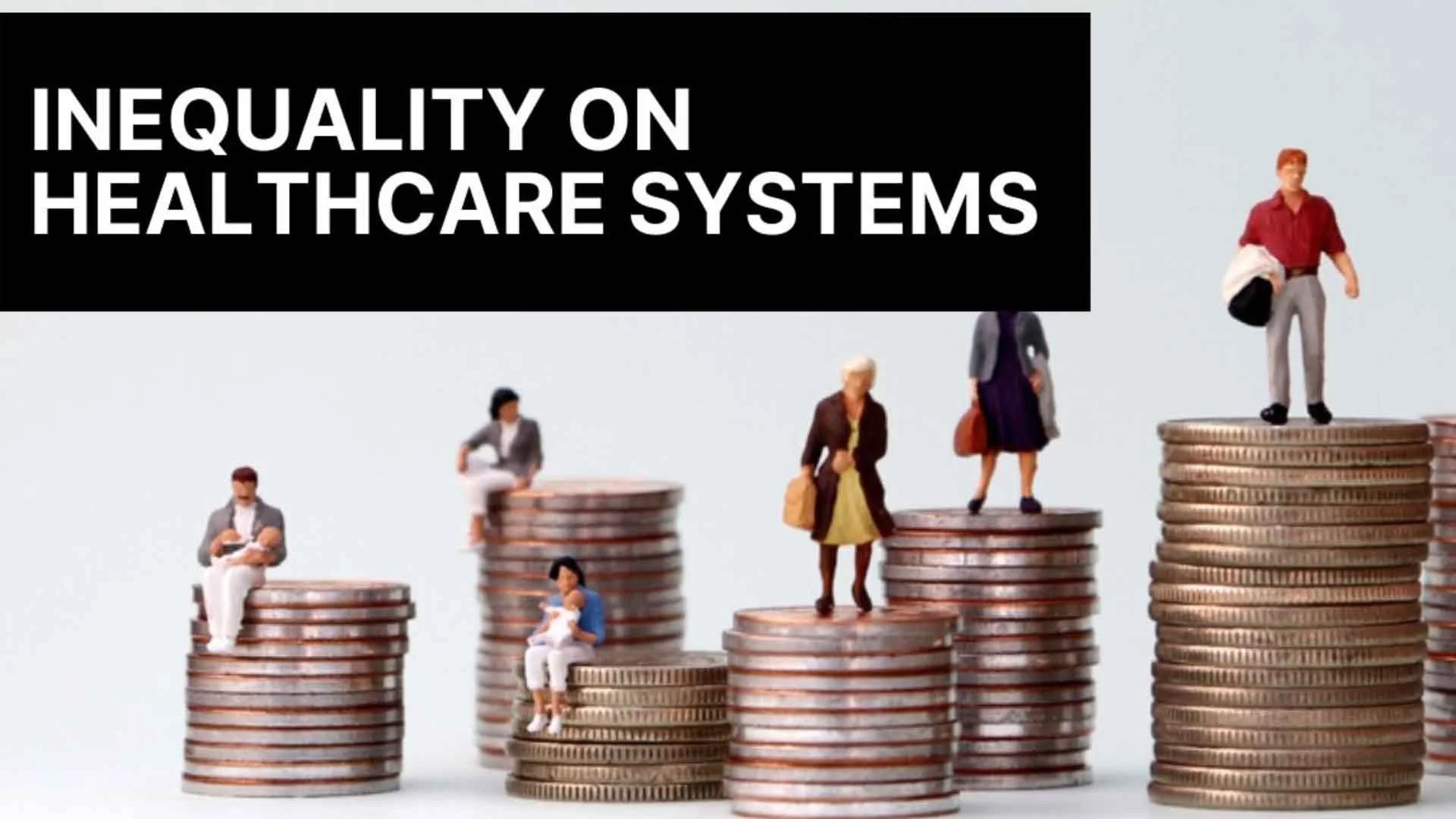
Poverty, Precarity, and the Fracturing of Care
This essay synthesizes theological, phenomenological, and clinical perspectives to argue that financial insecurity constitutes not a peripheral social determinant but a primary pathological condition reshaping disease expression, treatment access, and healing possibility. Drawing upon an extensive body of published work examining capitalism's corrosive effects on healthcare, the nature of physician bias, and the sacred dimensions of therapeutic encounters, I propose a comprehensive model of healthcare inequity grounded in narrative ethics, trauma theory, and a post-biomedical understanding of poverty as chronic illness. The model integrates three critical frameworks: the hermeneutics of patient suffering, structural competency as clinical obligation, and economic justice as preventive medicine. This integrated approach challenges the dominant epidemiological paradigm that quantifies inequity without transforming it, offering instead a praxis-oriented framework that recognizes the moral ecology of healing and the physician's role as interpreter of structural wounds.