Presence, Witness, and Meaning
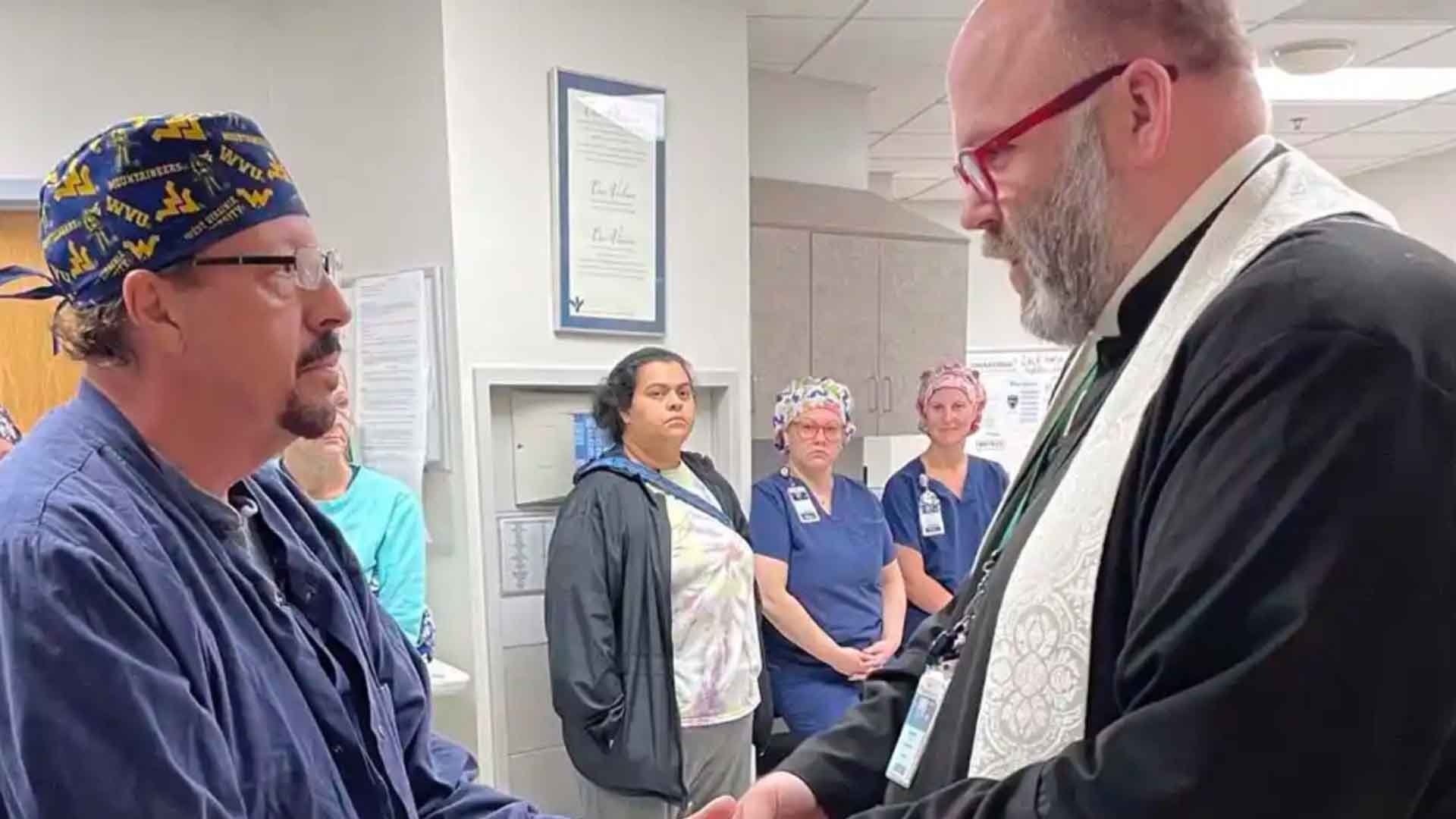
This article examines the distinct but complementary roles of the physician and the chaplain within the therapeutic encounter, proposing a theoretical framework grounded in embodied theology, phenomenology of presence, and contemporary scholarship on interprofessional collaboration. While the modern healthcare environment privileges clinical interventions, efficiency, and biomedical outcomes, patients and clinicians alike frequently experience suffering that exceeds diagnostic categories and treatment protocols. Drawing upon the author's previous work on sacred space in therapeutic encounters, hermeneutic medicine, and the tzimtzum model of therapeutic presence, this article argues that the doctor and chaplain embody distinct vocational orientations that nevertheless converge in the shared practice of embodied presence. The physician integrates scientific healing with embodied witness of suffering, operating through clinical reasoning toward restoration of function and alleviation of harm. The chaplain inhabits spiritual accompaniment, drawing upon theological narratives and religious tradition to support spiritual coherence, moral integrity, and existential meaning. Rather than viewing these orientations as competing paradigms, the article proposes an integrated model wherein embodied presence creates a therapeutic space where healing and meaning co-emerge. Practical implications for interprofessional education, clinical practice, and healthcare system design are explored, with attention to barriers and facilitators of physician-chaplain collaboration.