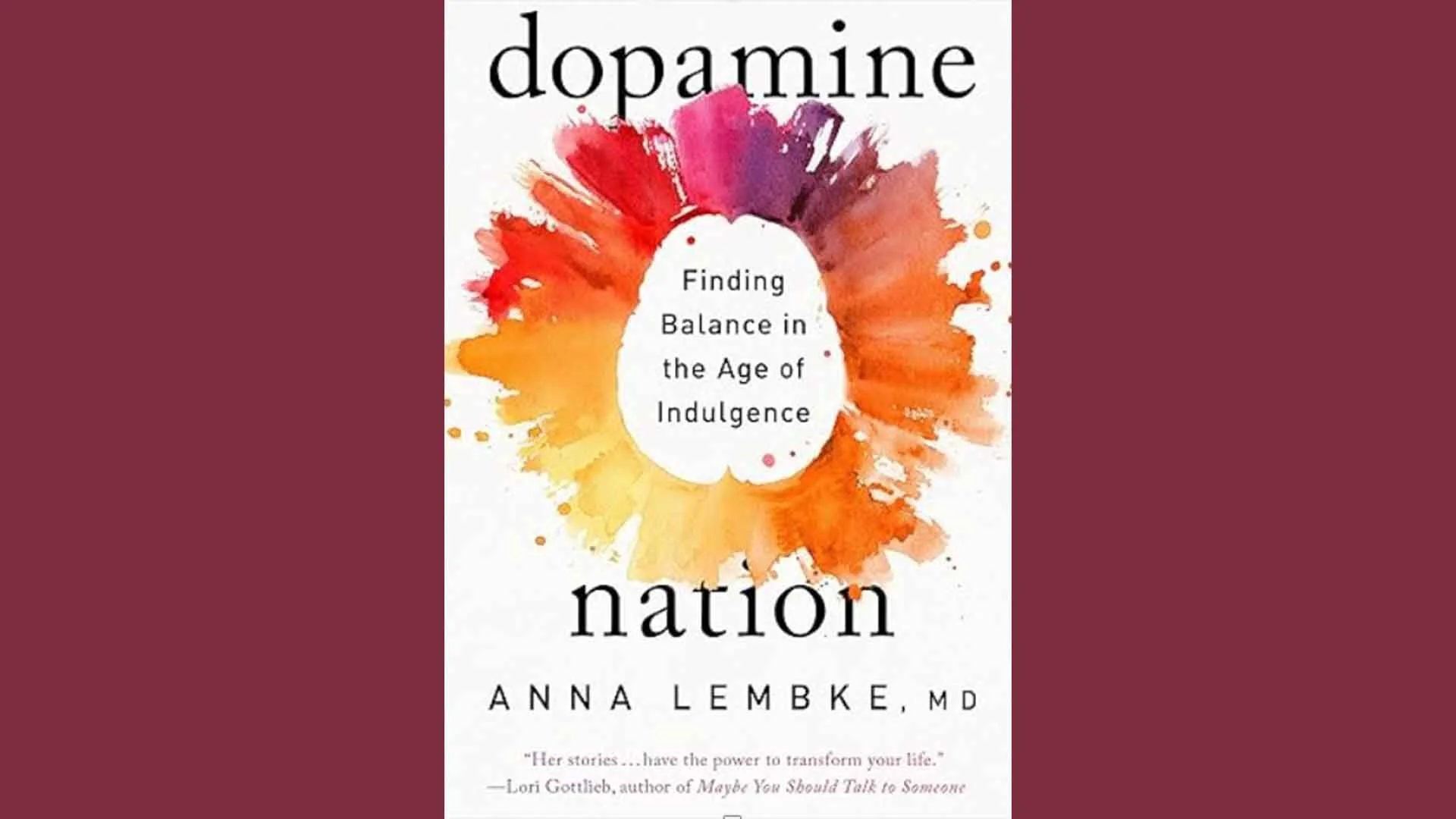
Neurochemistry or Sacred Transformation? A Critical Review of Anna Lembke's Dopamine Nation
Anna Lembke's Dopamine Nation: Finding Balance in the Age of Indulgence (2021) has become a landmark text in contemporary addiction discourse, offering a neurobiological framework centered on dopamine regulation, the pleasure-pain balance, and behavioral strategies for restoration of homeostasis. While Lembke's work provides valuable insights into the neuroscience of compulsive consumption, this critical review argues that her fundamentally reductionist approach—locating addiction primarily in neurochemical imbalance—overlooks essential dimensions of human suffering and healing. Drawing upon my published work on the integration of 12-Step recovery models with classical medicine, the theological dimensions of addiction treatment, and the concept of the transformable 'animal soul' (nefesh habehamit), this essay offers a comparative analysis that illuminates both the strengths and limitations of Dopamine Nation. I propose that authentic healing from addiction requires not merely neurochemical rebalancing but profound ontological transformation—a movement from fragmentation to wholeness that engages spiritual, relational, and meaning-making dimensions of human existence. The analysis demonstrates how Lembke's pleasure-pain seesaw metaphor, while pedagogically useful, ultimately fails to capture the deeper existential and theological dimensions of addictive suffering and recovery. By integrating Kabbalistic concepts of tzimtzum, Hasidic psychology of the dual souls, and contemporary embodied cognition research, this review proposes a more comprehensive framework that honors both neurobiological realities and the irreducible mystery of human transformation.