Julian Ungar-Sargon

  • Home
  • Theological Essays
  • Healing Essays
  • Podcast
  • Poetry
  • Daf Ditty
  • Deep Dive Ditty
  • Videos
  • Publications
  • Military Service
  • Home
  • Theological Essays
  • Healing Essays
  • Podcast
  • Poetry
  • Daf Ditty
  • Deep Dive Ditty
  • Videos
  • Publications
  • Military Service
Julian Ungar-Sargon copy 3.jpg

Daf Ditty

A wide-ranging commentary on the daily page of Talmud.

Pilate Washing His Hands (detail), from the Psalter of Bonmont, 1200s. German, Besançon. Bibliothéque Municipale, MS 0054, fol. 11v

Chullin 105: מִפְּנֵי מָה אָמְרוּ מַיִם אַחֲרוֹנִים חוֹבָה

jyungar August 13, 2026

For the source text click/tap here: Chullin 105

To download, click/tap here: PDF

Our Daf turns its attention to the need to wash hands both during the meal, for reasons of kashrut, and after the meal, for reasons of safety.

1. Mayyim emtza’iyim – washing during the meal

Rav Naḥman explains that one is not obligated to wash between different dishes in the course of the meal, unless both a cooked (meat) dish and cheese are both being served, in which case washing would be necessary.

2. Mayyim aḥaronim – washing after the meal

Rav Yehuda the son of Rabbi Ḥiyya explains that it is essential to wash hands after the meal, as the salt – Melaḥ Sodomit – could blind you if there is any left on your fingers. Abaye adds that even if a small amount of this type of salt would become mixed with ordinary salt it would pose a serious danger.

We explore hand washing in late antique period.

Comment

Art by Sefira Lightstone

Chullin 104: שִׁשָּׁה דְּבָרִים מִקּוּלֵּי בֵּית שַׁמַּאי וּמֵחוּמְרֵי בֵּית הִלֵּל

jyungar August 12, 2026

For the source text click/tap here: Chullin 104

To download, click/tap here: PDF

The Torah said, "You shall not cook a kid in its mother's milk." Since it repeated this again and again, then only only cooking, but eating such mixture or selling it is also prohibited. At this the Torah prohibition stops. For example, eating cold meat with cold milk would be allowed. However, the Sages extended the prohibition with safeguards.

Thus, the rule: all kinds of meat should not be cooked with milk, except for the meat of fish and locusts. It is also forbidden to serve meat and milk or cheese on the table together.

Beit Shammai allows to place chicken and cheese on the same table, provided that they are not eaten together. Rabbi Yose says that this is one of the unusual leniences of Beit Shammai over Beit Hillel. In truth, Rabbi Yose is the author of this complete ruling, but initially it was taught anonymously.

When the teacher learned who was its author, he added Rabbi Yose's name, because one who transmits a teaching in the name of the one who said it saves the world - just as Esther did when she told the king about a plot against him in the name of Mordechai.

We explore recent scholarship on the historical schools.

Comment

Chullin 103: כׇּל הַבָּשָׂר אָסוּר לְבַשֵּׁל בְּחָלָב

jyungar August 11, 2026

For the source text click/tap here: Chullin 103

To download, click/tap here: PDF

Three times in the Torah we find the prohibition repeated “Thou shalt not seethe a kid in its mother’s milk” (see Shemot 23:19, 34:26 and Devarim 14:21).

Although it appears that the Torah limits this prohibition to a specific case – a kid in its mother’s milk – nevertheless the Sages had a long-standing tradition that these passages refer to a general prohibition against cooking milk and meat together. The fact that this prohibition is repeated three times is understood as forbidding not only cooking milk and meat together but also eating them cooked together and deriving any benefit from such a mixture.

The eighth perek of Massekhet Ḥullin begins on our daf and its focus is on these laws. Given the enigmatic presentation of the prohibition of cooking meat and milk together, there are many issues that need to be clarified by the Sages, the most basic of which is how we define the terms “milk” and “meat.” Is all meat included? Is there a difference between meat from domesticated animals (behemot) and wild animals (ḥayyot)? What is the status of the meat of kosher birds, fish or insects? Similarly, is the prohibition limited to actual milk, or are other milk products forbidden, as well?

Comment

Chullin 102: מַחְלוֹקֶת בְּיִשְׂרָאֵל, אֲבָל בְּבֶן נֹחַ – דִּבְרֵי הַכֹּל מוּזְהָר עַל הַטְּמֵאִין כַּטְּהוֹרִין

jyungar August 10, 2026

For the source text click/tap here: Chullin 102

To download, click/tap here: PDF

Reb Yochanan learns that the verse (Devarim 12:23) which states “do not eat the soul (הנפש) with the flesh,” teaches us the prohibition not to eat eiver min hachai— not to eat from a limb of an animal while the animal is still alive.

The verse from Shemos (22:30) which states, “And flesh, in the field, which is torn you shall not eat,” teaches the halacha not to eat tereifah. This includes eating from an animal that had a physical defect, or from a limb of an animal after it has died, but where it did not die due to shechita.

Rashi explains that “eiver min hachai” is referred to as “the soul” because after a limb is cut from its source it will not grow back, just as when life is taken it will not be regenerate. The lesson is that the limb should not be eaten while the animal’s life is still intact.

We explore ever min vs Bassar min…and the case of foie gras.

Comment

Chullin 101: וּשְׁנֵיהֶן מִקְרָא אֶחָד דָּרְשׁוּ

jyungar August 9, 2026

For the source text click/tap here: Chullin 101

To download, click/tap here: PDF

Rabbi Yehudah disagrees and says that the sciatic sinew of a non-kosher animal is also forbidden - because it was prohibited since the time of Jacob, when non-kosher animals were still permitted.

The Sages replied to Rabbi Yehudah, "The sciatic sinew prohibition was first given to Moses on Sinai, and it did not apply before then. However, when Moses recorded and arranged the Torah, he recorded this prohibition in the context of Jacob's encounter with the angel, to teach that this incident was the reason for the prohibition.”

Rabbi Yehudah and Rabbi Elazar rule that the prohibition applies to domesticated animal, wild animal, and bird, to non-kosher and kosher species without distinction.

The Sages restrict it to kosher species alone. Then Rabbi Yoḥanan, the Tiberian master whose academy shaped the Palestinian amoraic tradition, interposes a single observation: u-shneihen mikra eḥad darshu

— both of them expounded one and the same verse.

We explore how, without embarrassment, a single scriptural clause has generated two mutually exclusive legal universes:

for Rabbi Yehudah and Rabbi Elazar, the prohibition of ever min ha-ḥai extends to every species, kosher and non-kosher alike;

for the Sages, it applies only to those species whose flesh shecḥitah can render permissible.

Comment

Tiao-Jin-Jiao (挑筋教) “The Sect that Plucks out the Sinews” The Kaifeng Jewish community was known by different names in dynastic China, proposed either by the Jews or given by the Chinese

Chullin 100: שֶׁכֵּן אִיסּוּרוֹ נוֹהֵג בִּבְנֵי נֹחַ

jyungar August 9, 2026

For the source text click/tap here: Chullin 100

To download, click/tap here: PDF

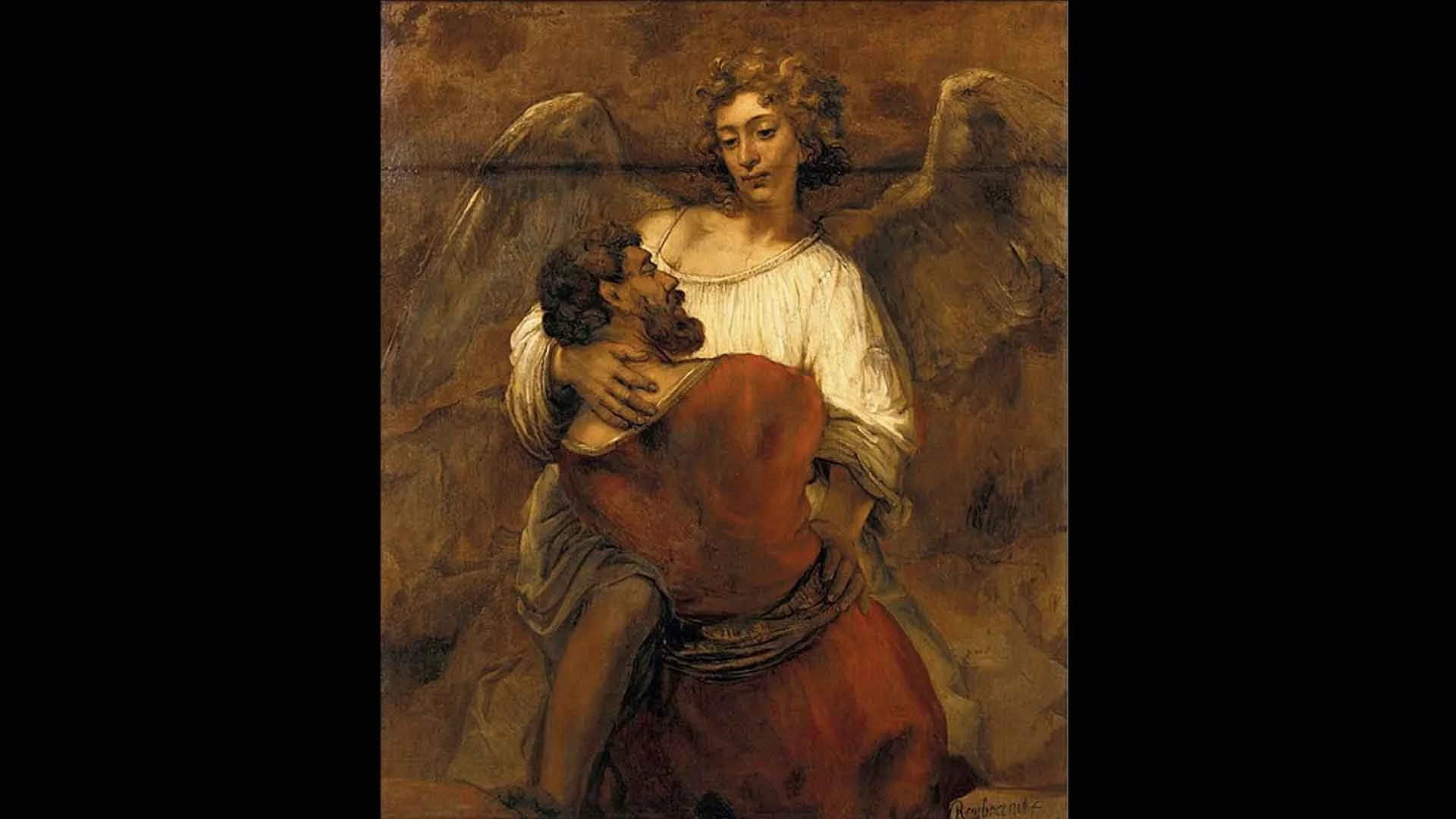
As we have learned (see above, daf 90), the gid ha-nasheh – an animal’s sciatic nerve – is prohibited based on the passage in Sefer Bereishit (32:33). Following his wrestling with an angel, Ya’akov limps back towards his camp and the Torah concludes “Therefore the children of Israel eat not the sinew of the thigh-vein, which is upon the spoon of the thigh, unto this day; because he touched the spoon of Jacob’s thigh, even in the sinew of the thigh-vein.”

The Mishna on our daf limits the prohibition to kosher animals; Rabbi Yehuda disagrees, arguing that before the Torah was given – when Ya’akov’s children were still allowed to eat unclean animals – they refrained from eating the gid ha-nasheh. The response quoted in the Mishna is that the commandment prohibiting the gid ha-nasheh was given at Mount Sinai, where it was then placed in context in Sefer Bereishit. It does not indicate, however, that Ya’akov’s children kept this tradition prior to receiving the Torah.

In the Mishnah, Rebbi Yehudah and the Chachamim disagree about whether the Isur of Gid ha'Nasheh was given to Bnei Noach at the time of Yakov Avinu, or whether it was given only at the time the Torah was given at Sinai.

Comment

The Taste of The Forbidden by Mark Jesus-Allen

Chullin 99: וְהִלְכְתָא: אֵין בְּגִידִין בְּנוֹתֵן טַעַם

jyungar August 8, 2026

For the source text click/tap here: Chullin 99

To download, click/tap here: PDF

The Mishna (96b) teaches that if the gid ha-nasheh had not been removed, and an animal’s thigh was cooked together with the sciatic nerve such that there was so much of the nerve as to impart a flavor to the meat of the thigh, it is forbidden. The Mishna continues by asking “How does one measure this?” and explains that we view it as though the meat had been cooked with turnips.

On our daf, Rav Huna explains the meaning of the Mishna. If, when meat and turnips are cooked together in the same proportions as is found in the sciatic nerve and the thigh respectively, the meat imparts its flavor to the turnips, then the thigh would be forbidden on account of the taste of the forbidden nerve. As we have learned (above, daf 97), the Sages estimate that meat cannot impart its taste to any substance that is cooked with it if the latter is sixty times as large in bulk as the meat.

Tags 76th
Comment

Narcissus. François Lemoyne (1688–1737)

Chullin 98: לָאו לְמַעוֹטֵי כׇּל אִיסּוּרִין שֶׁבַּתּוֹרָה

jyungar August 7, 2026

For the source text click/tap here: Chullin 98

To download, click/tap here: PDF

We learned on yesterday’s daf that when something non-kosher falls into a pot with kosher food, the mixture will be permitted if the kosher food is at least 60 times the volume of the non-kosher food.

However, if the prohibited food is the type whose taste prevails even when outnumbered by sixty times its amount, the prohibited food remains prohibited, no matter what the proportions may be.

The Gemara on our daf tells stories that appear to raise doubts about that ruling.

In several places in the Torah, the Gemara discusses whether only the physical prohibited substance is forbidden, or whether its taste is likewise prohibited. This principle is known as ta'am ke-ikkar ("taste is like the substance"), meaning that the flavor of a prohibited food has the same legal status as the prohibited food itself.

We explore this doctrine through the Talmudic discussions and the interpretations of the medieval commentators (the Rishonim), focusing on five biblical contexts in which it appears.

Tags 76th
Comment

Chullin 97: סָמְכִינַן אַקַּפִּילָא אֲרַמָּאָה

jyungar August 6, 2026

For the source text click/tap here: Chullin 97

To download, click/tap here: PDF

According to Jewish law, if the amount of kosher food is so overwhelming that the non-kosher food does not affect its taste, we apply the concept of bittul – nullification – and the food is deemed kosher.

The Gemara on today’s daf suggests two methods that will allow us to determine whether the non-kosher food has become nullified –

  • kefeila – by having an expert, non-Jewish cook tastes the food

  • shishim – by measuring the mixture and ascertaining that there is 60 times more kosher food than non-kosher food.

Different suggestions are offered to explain why we rely on a non-Jewish expert cook in this case, while we ordinarily only trust Jews with regard to issues of kashrut.

We explore Bishul Akuma and bits be-shishim halachot.

Tags 76th
Comment

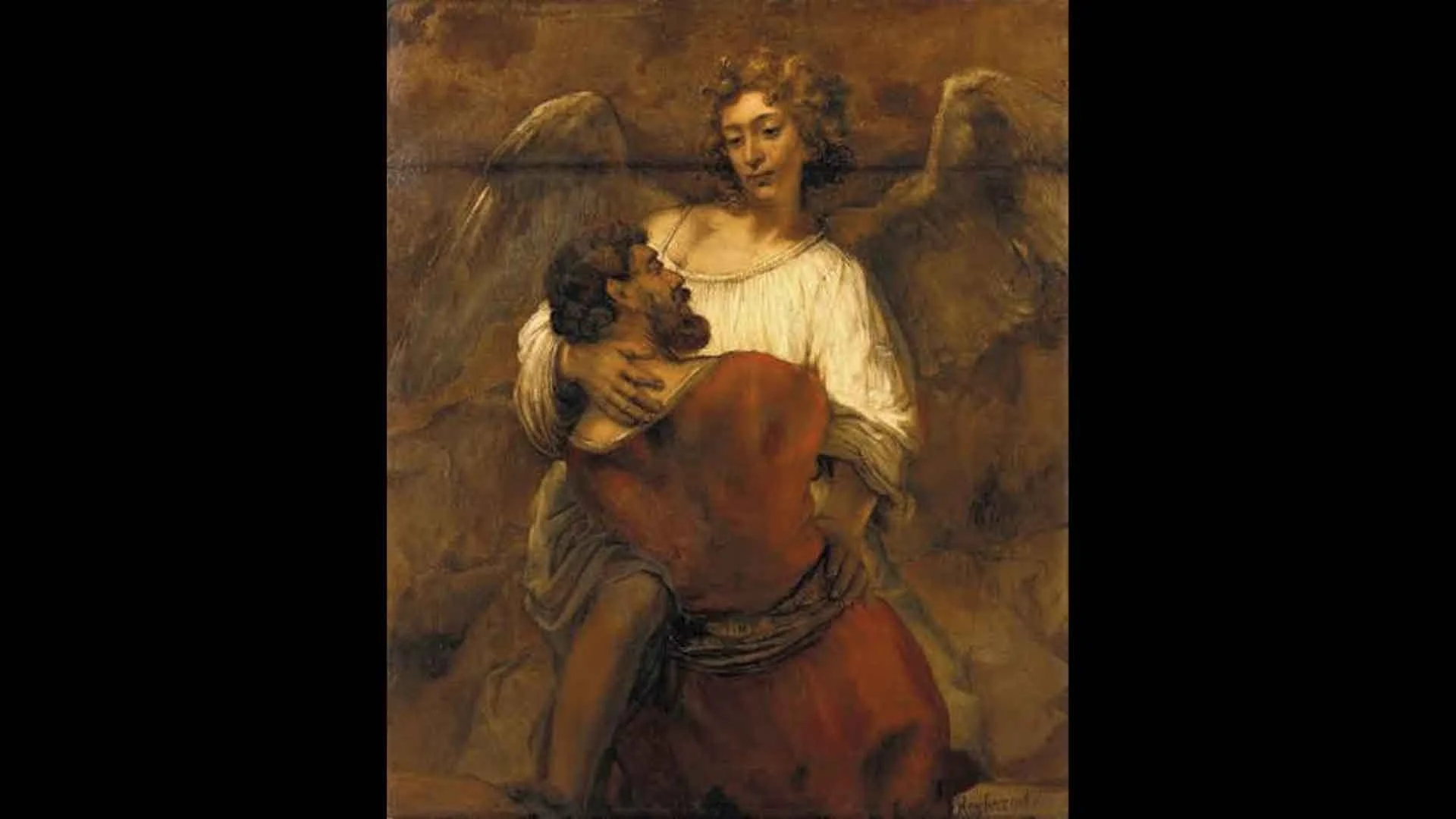
Rembrandt - Jacob Wrestling with the Angel

Chullin 96: בְּרִיָּה (בִּפְנֵי עַצְמָהּ) הִיא

jyungar August 5, 2026

For the source text click/tap here: Chullin 96

To download, click/tap here: PDF

In Jewish law, in order for food to be considered significant, we ordinarily assume that the person must eat at least a ka-zayit – an olive’s size amount of food. This is true, for example, with regard to the prohibition of eating the gid ha-nasheh – the sciatic nerve.

The Mishna teaches that in order to be liable to receive lashes as punishment, the person must eat at least a ka-zayit. At the same time, the Mishna continues and teaches that if the person ate the entire gid ha-nasheh he is liable, even if the gid ha-nasheh was small and did not contain a full ka-zayit.

The Gemara explains the reasoning behind this ruling. Since the nerve is a beriah bifnei atzmah – it is viewed as a significant, free-standing creation – that gives it independent significance with regard to halakha.

Tosafot suggest that once the Torah singles out something as forbidden, it is as if it stated that the Torah specifically forbids that thing, whether it is large or small, as long as the entire thing is eaten. According to this approach, even though only part of the gid ha-nasheh is prohibited by the Torah – on our daf Shmuel teaches that only the part of the sciatic nerve that is “upon the spoon (rounded protrusion) of the thigh” is forbidden (see Bereishit 32:33) – nevertheless, since that is what the Torah refers to as the gid ha-nasheh, that is what is considered a beriah bifnei atzmah.

Comment

Chullin 95: הֵיאַךְ סוֹמֵא מוּתָּר בְּאִשְׁתּוֹ

jyungar August 4, 2026

For the source text click/tap here: Chullin 95

To download, click/tap here: PDF

Rav is of the opinion that if meat is ever left without being directly supervised by visual contact, it may not be eaten.

The Gemara tells the story of Rav who was travelling to visit his son-in-law. When he arrived at the river, the ferry boat was just arriving, which Rav understood as a good omen.

He declared, “This is a good omen that today will be a day of good tidings!” When he arrived at his son-in-law’s house, he was greeted by the entire household who came out to see him, including the workers who were preparing the meat. Rav kept the meat in the house in his eyesight during the entire reception, and it was therefore not prohibited to be eaten. Rav nevertheless chose not to eat from it.

We explore the toleration of divination in Talmud.

Comment

The Blinding of Samson, Rembrandt

Chullin 94: עַל דָּבָר זֶה נֶהֶרְגוּ שָׁלֹשׁ נְפָשׁוֹת מִיִּשְׂרָאֵל

jyungar August 3, 2026

For the source text click/tap here: Chullin 94

To download, click/tap here: PDF

Our Mishnah taught that a Jewish person may sell a thigh of an animal to a non-Jew, even with the gid hanasheh still inside.

The reason is that a thigh that is intact is easily recognizable as such, and even if the non-Jew tries to sell the thigh to a Jew, the buyer will realize that the gid is still in the limb.

We therefore do not have to suspect that the non-Jew will mislead a Jew by selling him the thigh.

The Gemara detects that the halacha would be that it would be prohibited for a Jew to sell a thigh that is cut to a non-Jew as long as the gid is still inside.

The danger of this is that this thigh might then be sold to a Jew, and the buyer might very well think that the thigh was cut in order to remove the gid, and he will eat from the thigh without removing the gid which is still inside.

The uncomfortable historical complication

There are difficult texts concerning economic relations between Jews and gentiles, particularly passages involving taʿut akum—a gentile's mistake—and discussions of whether one must correct such a mistake. Some medieval authorities distinguish passively benefiting from another person's error from actively creating the error.

That distinction is crucial:

Not correcting someone's independently generated mistake is not necessarily equivalent to actively deceiving him.

Comment

Chullin 93: בִּזְמַן הַזֶּה נֶאֱמָנִין

jyungar August 1, 2026

For the source text click/tap here: Chullin 93

To download, click/tap here: PDF

Rav Pappa thus distinguishes between a barley-sized amount of forbidden fat, which results only in the butcher’s removal from his position, and an olive-sized amount, which also results in flogging. The distinction between these two cases can be understood in two ways:

A. The severity of the result. When an olive-sized amount of forbidden fat remains on the animal’s meat, a more serious stumbling block has been created, since this is a substantial quantity of prohibited food, one whose consumption could even generate liability for a sin-offering.

B. The severity of the negligence. A butcher who leaves behind a barley-sized amount of forbidden fat is negligent and therefore unfit for his position. But a butcher who leaves behind an olive-sized amount is apparently someone who deliberately treats the prohibition of chelevwith contempt and consequently deserves flogging.

Our daf becomes much more interesting if read not merely as a technical discussion of chelev, but as a halakhic theory of professional ethics, deception, negligence, and sanctions.

The key distinction is between what kind of person/professional the butcher has shown himself to be and what harm or risk his conduct has actually created.

Tags 77th
Comment

Chullin 92: הִגִּיעַ זְמַן שֶׁל יִשְׂרָאֵל לִיגָּאֵל

jyungar July 31, 2026

For the source text click/tap here: Chullin 92

To download, click/tap here: PDF

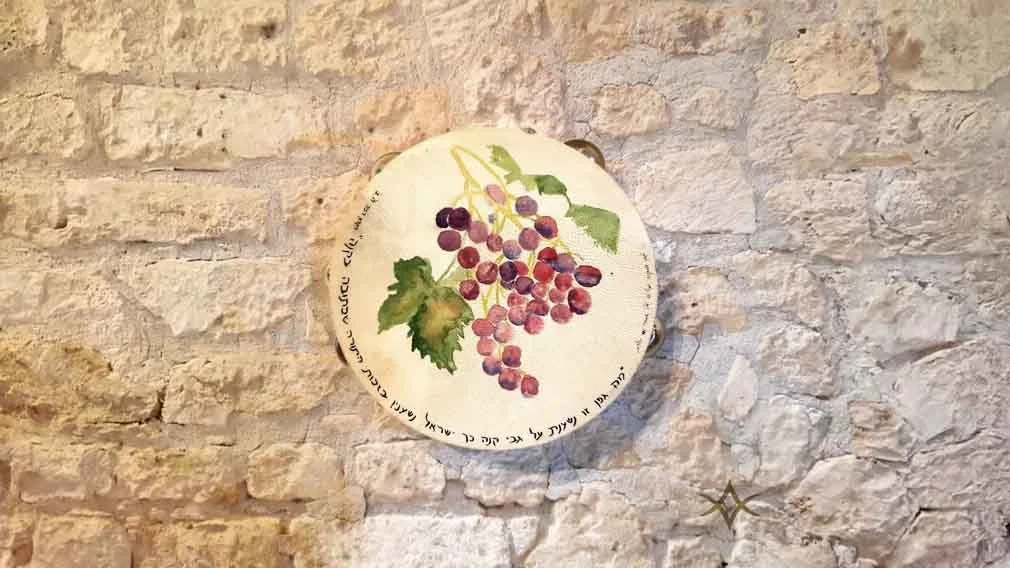
The rabbis interpret Bereishit (40:10), "And in the vine were three bunches and as it was budding its blossoms shot forth and its clusters brought forth ripe grapes".

Rabbi Eliezer says that the vine is the world, the branches are our patriarchs, the blossoms the matriarchs and the ripe grapes were the twelve tribes. Rabbi Yehoshua says that dreams tell the future, and thus the vines the Torah, the branches are Moses Aaorn and Miriam, and the budding blossoms are the Sanhedrin.

The ripe grapes were the righteous of all generations. Rabbi Elazar HaModa'i says that the vine is Jerusalem, the branches are the Temple the King and the High Priest, blossoms are young priests, and the grapes are the libations.

We explore midrasnhic and literary themes of Israel’s comparison to a vine.

Tags 76th
Comment

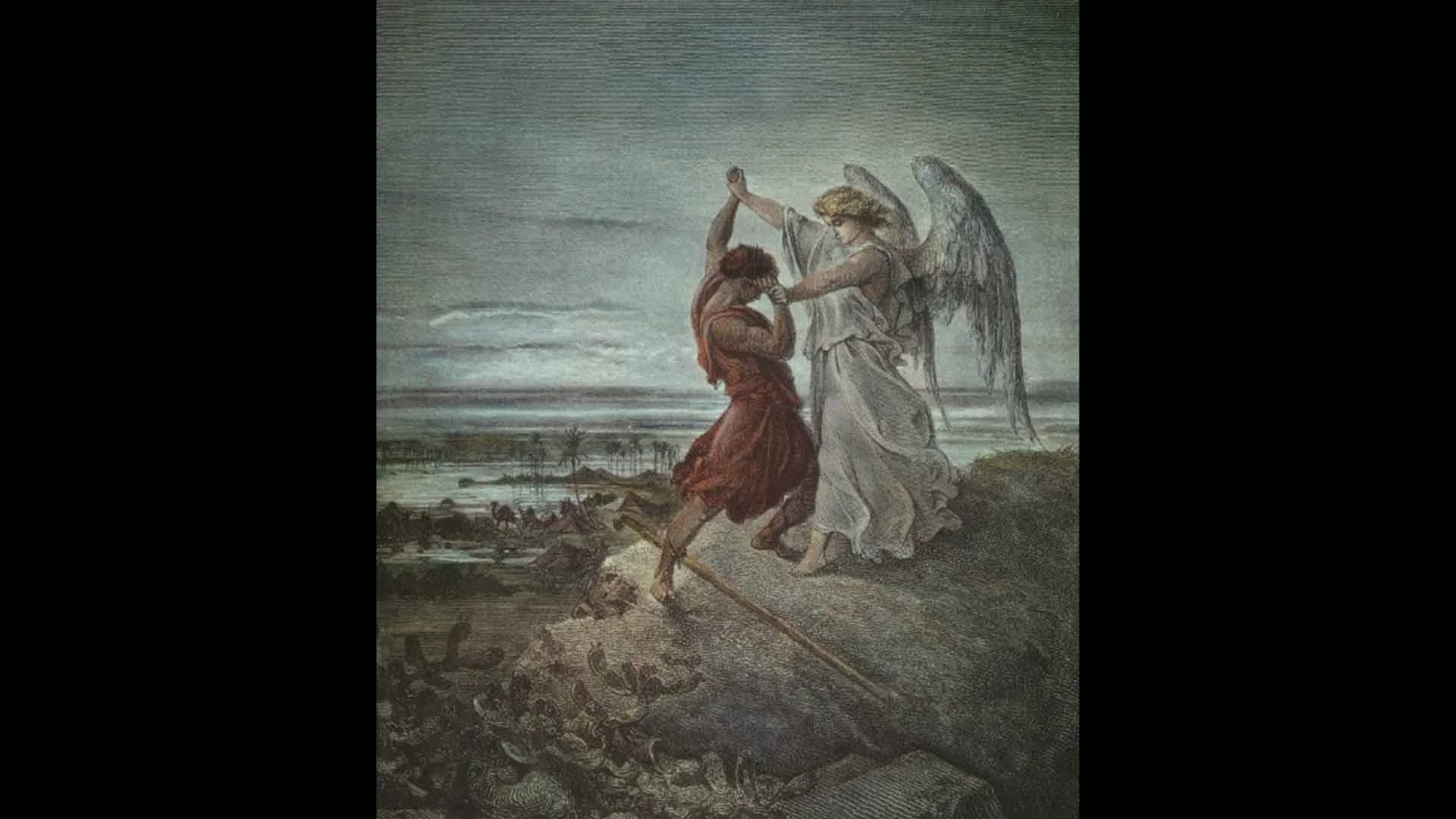
Gustave Doré, Jacob Wrestling with the Angel (1855)

Chullin 91: לָמָּה נִקְרָא שְׁמוֹ גִּיד הַנָּשֶׁה? שֶׁנָּשָׁה מִמְּקוֹמוֹ וְעָלָה

jyungar July 30, 2026

For the source text click/tap here: Chullin 91

To download, click/tap here: PDF

The source for the prohibition against eating the sciatic nerve is the story related in Sefer Bereishit (32:33) that describes the wrestling match that took place between Ya’akov and the angel, where Ya’akov is injured in his thigh. The Gemara on today’s daf develops the story of the wrestling match further.

According to the Gemara, when the angel said “Let me go, for the dawn has risen,” (see Bereishit 32:37) Ya’akov said to him, “Are you a thief or a gambler who is afraid of the dawn?” He replied: “I am an angel, and from the day that I was created my time to recite a song before God had not arrived until now.”

We explore the struggles of Jacob.

Tags 76th
Comment

Chullin 90: דִּבְּרָה תּוֹרָה לְשׁוֹן הֲוַאי, דִּבְּרוּ נְבִיאִים לְשׁוֹן הֲוַאי, דִּבְּרוּ חֲכָמִים לְשׁוֹן הֲוַאי

jyungar July 29, 2026

For the source text click/tap here: Chullin 90

To download, click/tap here: PDF

The Mishnah in Tamid (2:2) is cited which describes this pile of ashes, and it tells us that the pile sometimes grew to contain more than three hundred kor of ashes, which is more than nine thousand se’ah. This is a huge amount, and Rava states that it is actually an exaggerated number and does not have to be taken literally.

R’ Yitzchak b. Nachmeini, in the name of Shmuel, says that this description of the volume of ashes on the Altar is one of three places where our sages spoke in exaggerated terms. A second example is regarding the decorative display of golden grapes which adorned the entrance to the antechamber of the Sanctuary (Middos 3:8). One time it had to be moved, and we are told that it took more than three hundred kohanim to move it due to its massive weight.

We explore the notion of exaggeration in Talmud its use and its dangers.

Tags 76th
Comment

Rembrandt - Jacob Wrestling with the Angel

Chullin 89: אַלְמָא אִיסּוּר מוּקְדָּשִׁין קָדֵים!

jyungar July 28, 2026

For the source text click/tap here: Chullin 89

To download, click/tap here: PDF

Our Mishnah at the beginning of the perek states that the prohibition of eating the gid hanasheh applies both to unconsecrated and consecrated animals.[1]

The Gemara begins by noting that it would seem obvious that this prohibition would apply to consecrated animals, because there is no reason to think that the prohibition against eating the gid hanasheh should be cancelled by declaring an animal to be sanctified. Among the suggestions given by the Gemara to explain this halacha is that the author of the Mishnah might be of the opinion that a gid hanasheh has a taste and if cooked as part of the thigh it contributes a taste to the meat (Chachamim, 96b, 99b), and is not a just a tasteless nerve.

Accordingly, the gid of this animal was a prohibited item, and now that the animal has been consecrated there is an additional prohibition against eating and benefitting from consecrated meat.

Tags 76th
Comment

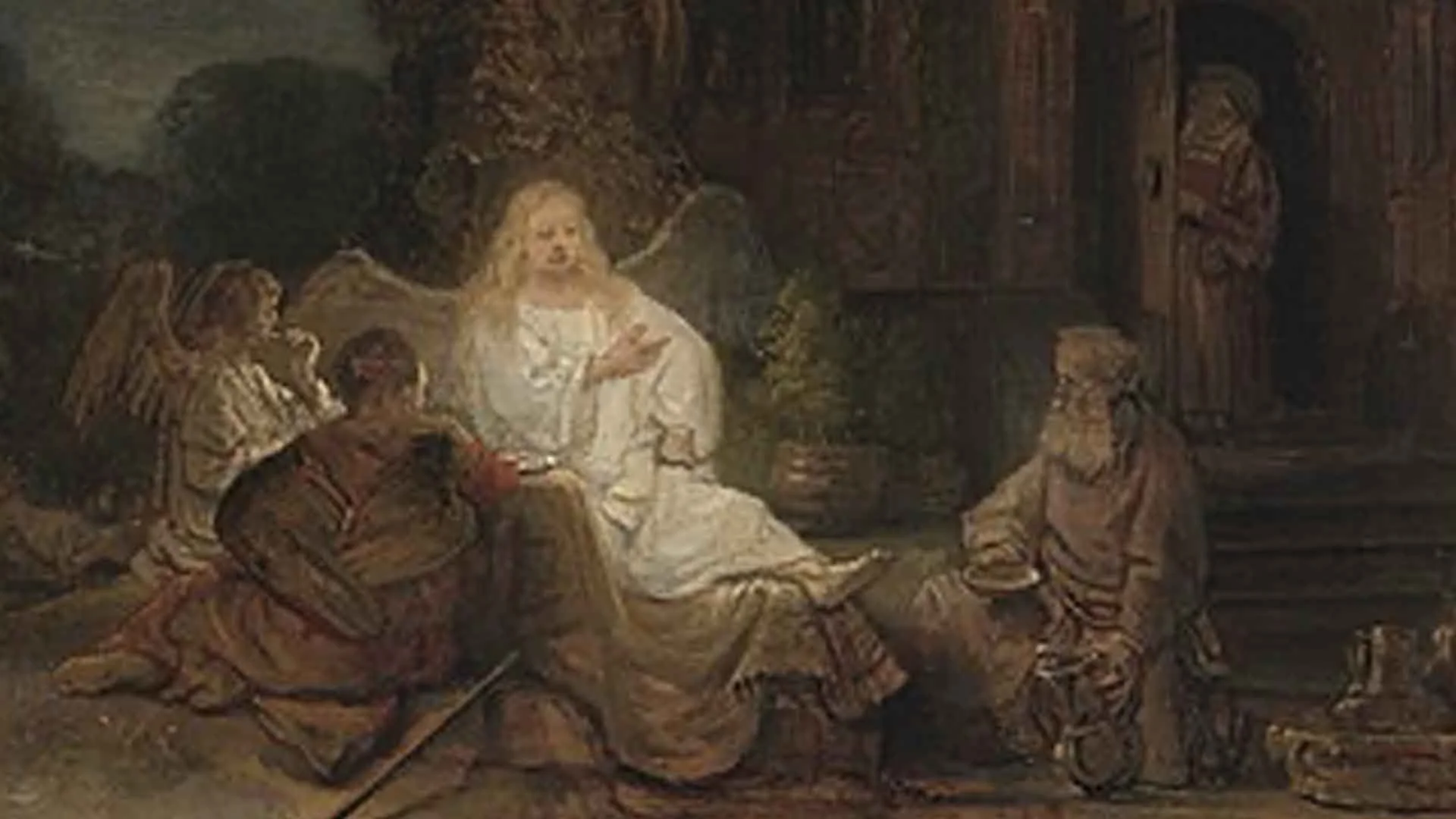
Abraham Serving the Three Angels, Rembrandt

Chullin 88: וְאָנֹכִי עָפָר וָאֵפֶר

jyungar July 27, 2026

For the source text click/tap here: Chullin 88

To download, click/tap here: PDF

Although the Torah clearly states that the blood must be covered with afar – with dirt – the Mishna on today’s daf offers a number of substances that will suffice for this mitzva, including lime, fine sand, fine granulated manure, or crushed potsherd, brick, or earthenware. Rabban Shimon ben Gamliel concludes by teaching that as long as plants can grow in it, it can be used for covering the blood. The Gemara teaches that ashes can be used, as well.

There are other mitzvot that also involve the use of dirt or ashes. Rava teaches –

As a reward for our father Abraham having said: “I am but dust and ashes” (see Bereishit 18:27) his children merited two commandments: the ashes of the Red Heifer, and the dust used in the ceremony of the sota.

The Gemara asks why Rava counts these two commandments and does not include also the dirt used for kisuy ha-dam.

We explore the humility of Avraham Avinu.

Tags 76th
Comment

Chullin 87: עֲדַיִין יֶשְׁנָהּ לְאוֹתָהּ מִשְׁפָּחָה בֵּין גְּדוֹלֵי רוֹמִי

jyungar July 26, 2026

For the source text click/tap here: Chullin 87

To download, click/tap here: PDF

In our Daf a Sadducee challenged Rabbi Yehudah HaNasi’s belief in one God but could not answer Rabbi’s rebuttal and subsequently died. A member of his household brought Rabbi the news and was invited to dine with him. Offered either forty gold coins or the cup of blessing after the meal, he chose the blessing, whose value was affirmed by a heavenly voice. Rabbi Yitzḥak adds that his distinguished family still survived among Rome’s elite under the name “the family of Bar Luyyanus.”

Lieberman was fascinated by the appearance of Latin and Greek names in the Talmud. "בר לויאנוס" (Bar Luyyanus) is almost certainly a Latin name (from Lollianus, Luvianus, Lovianus, or another cognate), rather than a Hebrew or Aramaic one. He frequently analyzes exactly these kinds of names.

We explore the world of Rabbis in Rome.

Tags 76th
Comment

Chullin 86: הוֹאִיל וְרוֹב מַעֲשֵׂיהֶן מְקוּלְקָלִים

jyungar July 25, 2026

For the source text click/tap here: Chullin 86

To download, click/tap here: PDF

"It occurred that Rav Beruna and Rav Ḥananel, the students of Rav, were sitting together at a meal, and Rav Yeiva the Elder stood over them to serve them. They said to him: Give us a cup of wine over which to recite the blessings of Grace after Meals. They thenchanged their mind and said to him: Give us a cup of wine to drink. Rav Yeiva the Elder said to them that this is what Rav said: Once someone at a meal says: Give me a cup over which to recite the blessings of Grace after Meals, it is prohibited for him to drink any more wine, since he has expressed his desire to conclude his meal. If he now wishes to drink more wine, he must recite a blessing before drinking it. Ravina asks: Here too, since he is required to cover the blood of the undomesticated animal before slaughtering the bird, there is an interruption between the acts of slaughter, and he has therefore become obligated torecite a new blessing before slaughtering the bird.”

We explore the notion of hefsek as a halachic and possible theological category with reference to object indexed versus intended index theory.

Tags 76th
Comment
  • Daf Ditty
  • Older
  • Newer

Julian Ungar-Sargon

This is Julian Ungar-Sargon's personal website. It contains poems, essays, and podcasts for the spiritual seeker and interdisciplinary aficionado.​