
For the source text click/tap here: Chullin 103
To download, click/tap here: PDF
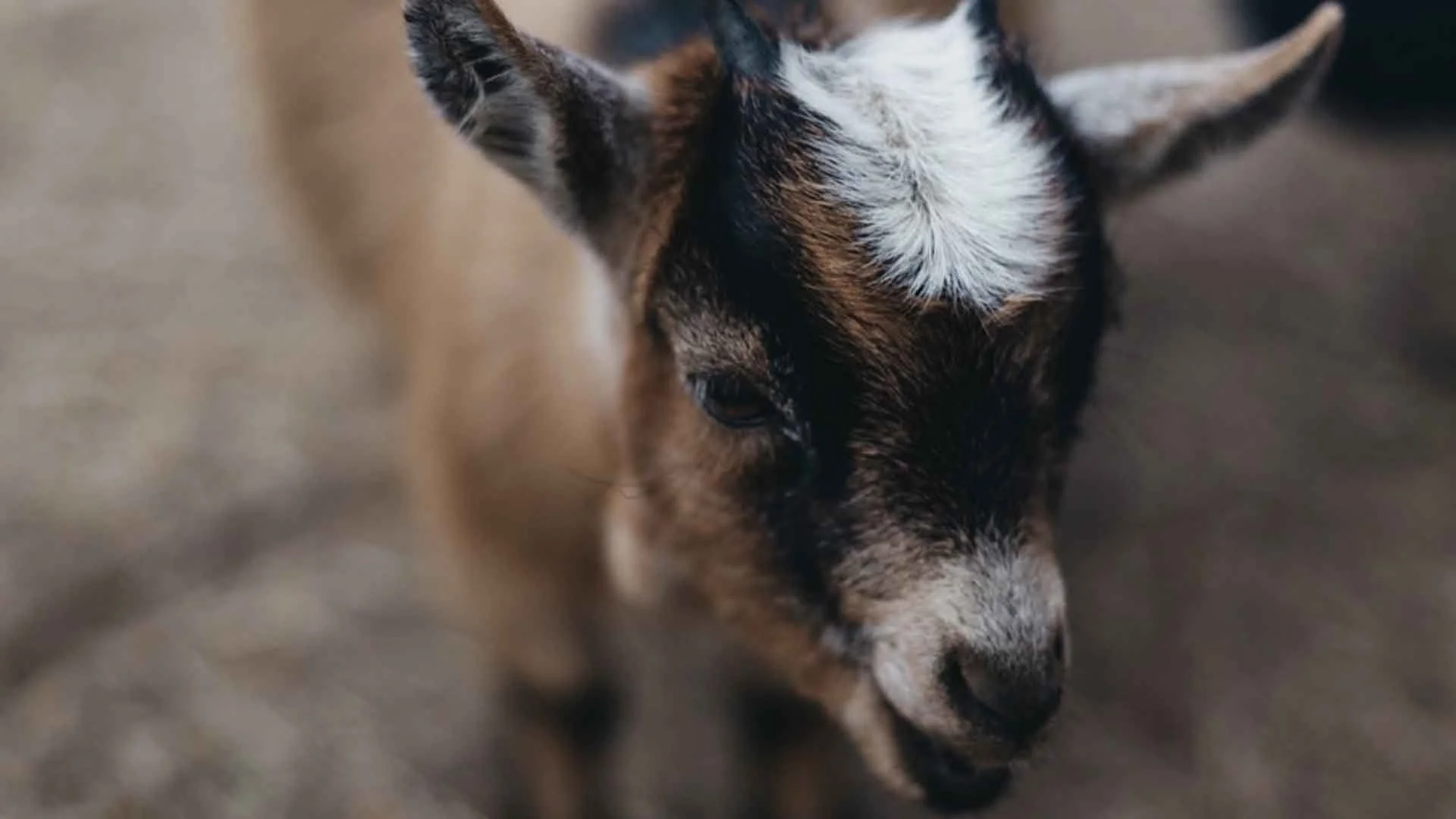
Three times in the Torah we find the prohibition repeated “Thou shalt not seethe a kid in its mother’s milk” (see Shemot 23:19, 34:26 and Devarim 14:21).
Although it appears that the Torah limits this prohibition to a specific case – a kid in its mother’s milk – nevertheless the Sages had a long-standing tradition that these passages refer to a general prohibition against cooking milk and meat together. The fact that this prohibition is repeated three times is understood as forbidding not only cooking milk and meat together but also eating them cooked together and deriving any benefit from such a mixture.
The eighth perek of Massekhet Ḥullin begins on our daf and its focus is on these laws. Given the enigmatic presentation of the prohibition of cooking meat and milk together, there are many issues that need to be clarified by the Sages, the most basic of which is how we define the terms “milk” and “meat.” Is all meat included? Is there a difference between meat from domesticated animals (behemot) and wild animals (ḥayyot)? What is the status of the meat of kosher birds, fish or insects? Similarly, is the prohibition limited to actual milk, or are other milk products forbidden, as well?