Julian Ungar-Sargon

  • Home
  • Theological Essays
  • Healing Essays
  • Podcast
  • Poetry
  • Daf Ditty
  • Deep Dive Ditty
  • Videos
  • Publications
  • Military Service
  • Dominican University
  • Home
  • Theological Essays
  • Healing Essays
  • Podcast
  • Poetry
  • Daf Ditty
  • Deep Dive Ditty
  • Videos
  • Publications
  • Military Service
  • Dominican University
Julian Ungar-Sargon copy 3.jpg

Daf Ditty

A wide-ranging commentary on the daily page of Talmud.

Chullin 55: שְׁאֵילְתִּינְהוּ לְכוּלְּהוּ טָרוֹפָאֵי דְּמַעְרְבָא

jyungar June 24, 2026

For the source text click/tap here: Chullin 55

To download, click/tap here: PDF

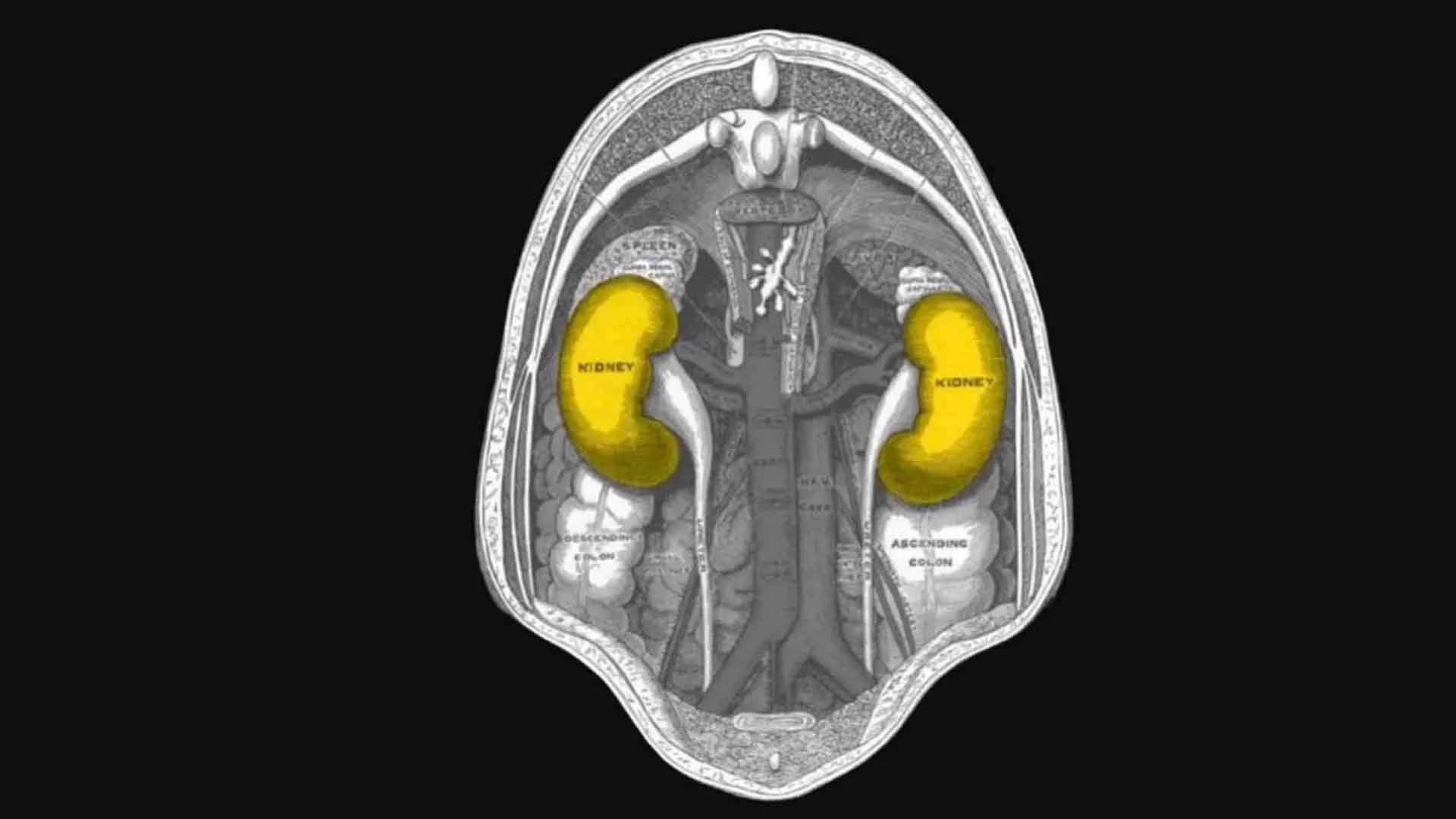
The kidneys are essential organs that serve the body as a natural filter of the blood and remove wastes which are diverted to the bladder. Furthermore, they function as a regulator, maintaining the acid-base balance and regulating blood pressure by maintaining the salt and water balance). The kidneys also are responsible for the reabsorption of water, glucose and amino acids; they also produce hormones and enzymes. A human being whose kidneys are removed would face certain death, yet the stomachs of ruminant animals contain a mechanism that removes wastes to the stomach so that such an animal could survive even if its kidneys were removed.

On our daf, Rachish bar Papa teaches that although missing kidneys would not render the animal a treifah, if one of the kidneys is diseased, then the animal would be rendered a treifah.

Tags 75th
Comment

Chullin 54: כַּמָּה חֲבִיבָה מִצְוָה בִּשְׁעָתָהּ

jyungar June 23, 2026

For the source text click/tap here: Chullin 54

To download, click/tap here: PDF

Our daf relates that tradesmen are not allowed to stand in the presence of Torah scholars while working. Rashi explains that the Gemara refers to tradesmen who are employed by others rather than tradesmen who work for themselves.

Tosafos further elaborates that the phrase אינם רשאים – they are not allowed – implies that there is a prohibition for the tradesmen to stand for a Torah scholar.

Since there is no prohibition for a person to interrupt his own work to stand for a Torah scholar it must be that the Gemara refers to someone who is an employee of someone else. Tosafos maintains that the Gemara refers to a tradesman who works for himself and the phrase רשאים אינם should be understood that one is not obligated to stand.

Rabbi Ḥana the money-changer (paturaʾah) recounts that Bar Nappaḥa — Rabbi Yoḥanan — once stood over him and requested a Kurdish dinar in order to measure tereifot according to Zeʿeiri’s ruling. Rabbi Ḥana, recognising in his customer one of the towering sages of the generation, made to rise out of respect. Rabbi Yoḥanan would not permit it. He said to him:

“Sit, my son, sit; craftsmen are not permitted to stand before Torah scholars at the time they are engaged in their work.”

The Gemara immediately presses the claim. Is it truly the case that artisans need not rise? A Mishnah in tractate Bikkurim (3:3) appears to say the opposite: when the pilgrims ascend to Jerusalem bearing their first fruits, all the craftsmen of Jerusalem stand before them and greet them, “Our brothers, men of such-and-such a place, you have come in peace.” Rabbi Yoḥanan resolves the contradiction with a single distinction that has reverberated through the codes for a millennium:

before them — the bringers of first fruits — the craftsmen rise; before Torah scholars they do not rise.

Which we explore.

Tags 75th
Comment

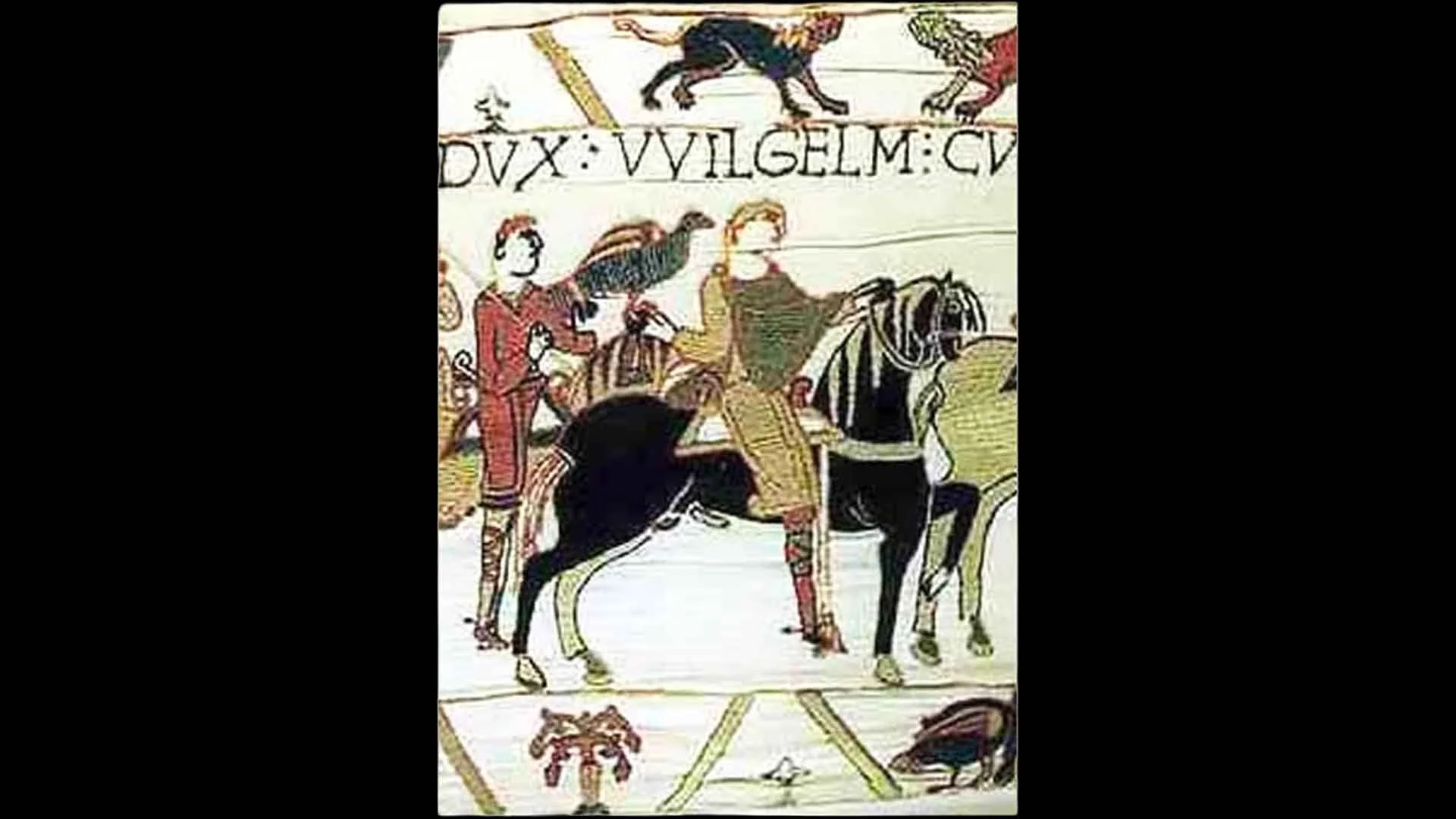
William the Conqueror, Bayeux Tapestry Reading Museum

Chullin 53: אֵין דְּרוּסָה אֶלָּא בַּיָּד

jyungar June 22, 2026

For the source text click/tap here: Chullin 53

To download, click/tap here: PDF

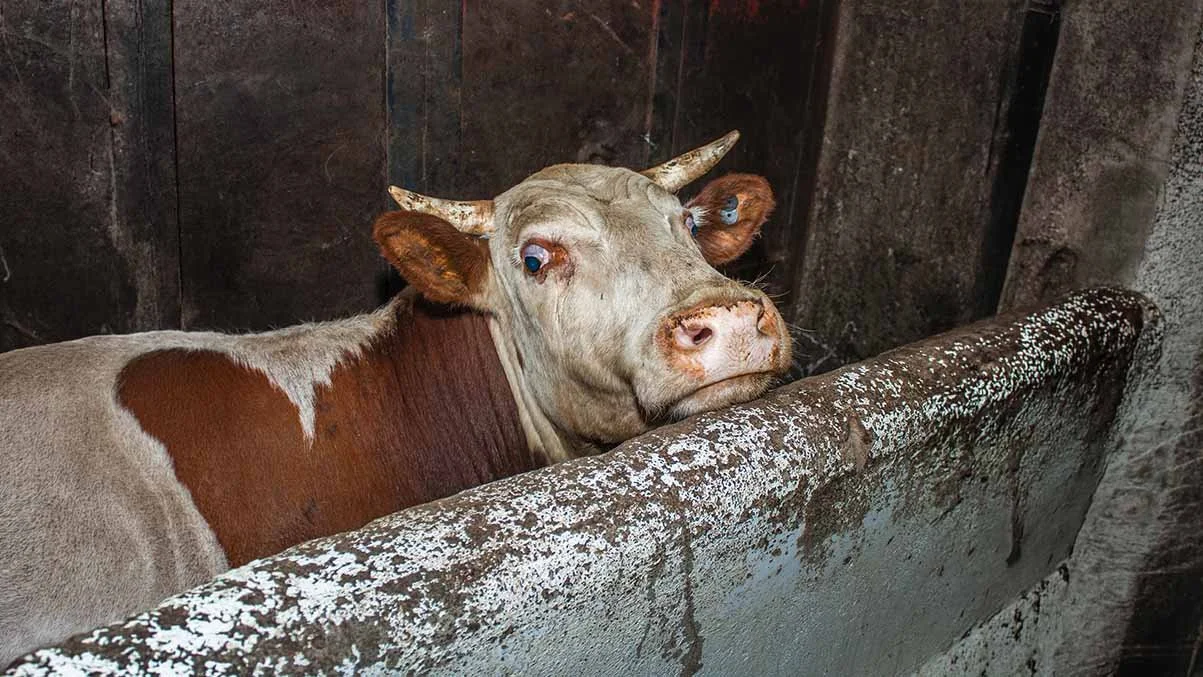
While the Gemara uses the term treifah to denote any animal with a terminal condition that cannot be slaughtered as kosher since it will die within a short amount of time, the single case of terefah that is mentioned in the Torah is when an animal attacks another animal and kills it (see Shemot 22:30). 

This most basic case occurs when the predator locks its claws on the body of the animal that is being attacked, and the poison in its claws enters the animal, threatening its life, According to the continuation of the Gemara, this poison “burns” in the body of the animal, injuring and puncturing its internal organs, which renders it a terefah.

The example of a terefah that appears in the Mishnah is a wolf, and Rav Yehudah quotes Rav as teaching that in the case of cattle it is “from the wolf and upwards,” i.e. either a wolf or animals larger than a wolf like a lion. Ultimately the Gemara suggests that this teaching comes to exclude the case of a cat that attacks in a predatory manner. While I might have thought that the Mishnah simply mentions ordinary cases of attacking animals, but that smaller animals would be included as well, Rav Yehuda teaches that in the case of cattle an attack by a cat would not be considered significant to render the animal a treifah.

A wolf, canis lupus, is a predatory animal, similar to a dog. It grows to a length of between 3 and 5 feet and an adult can weigh up to 130 pounds. Wolves live and hunt in packs, which allow them to hunt not only small animals, but larger animals, as well. An attack by a pack of wolves can cause serious damage to a herd of cattle.

A cat, felis, is a relatively small predator that weighs between 7 and 15 pounds. We are most familiar with the common house cat – F. silvestris catus – but there are numerous types of wild cats, as well. From the Talmud it appears that there were ferocious wild cats that lived in close proximity to human habitation during the time of the Sages. These cats attacked animals much larger than themselves, such as sheep and goats, and there is even reference to a case when a child’s hand was bitten off by such a creature.

Tags 75th
Comment

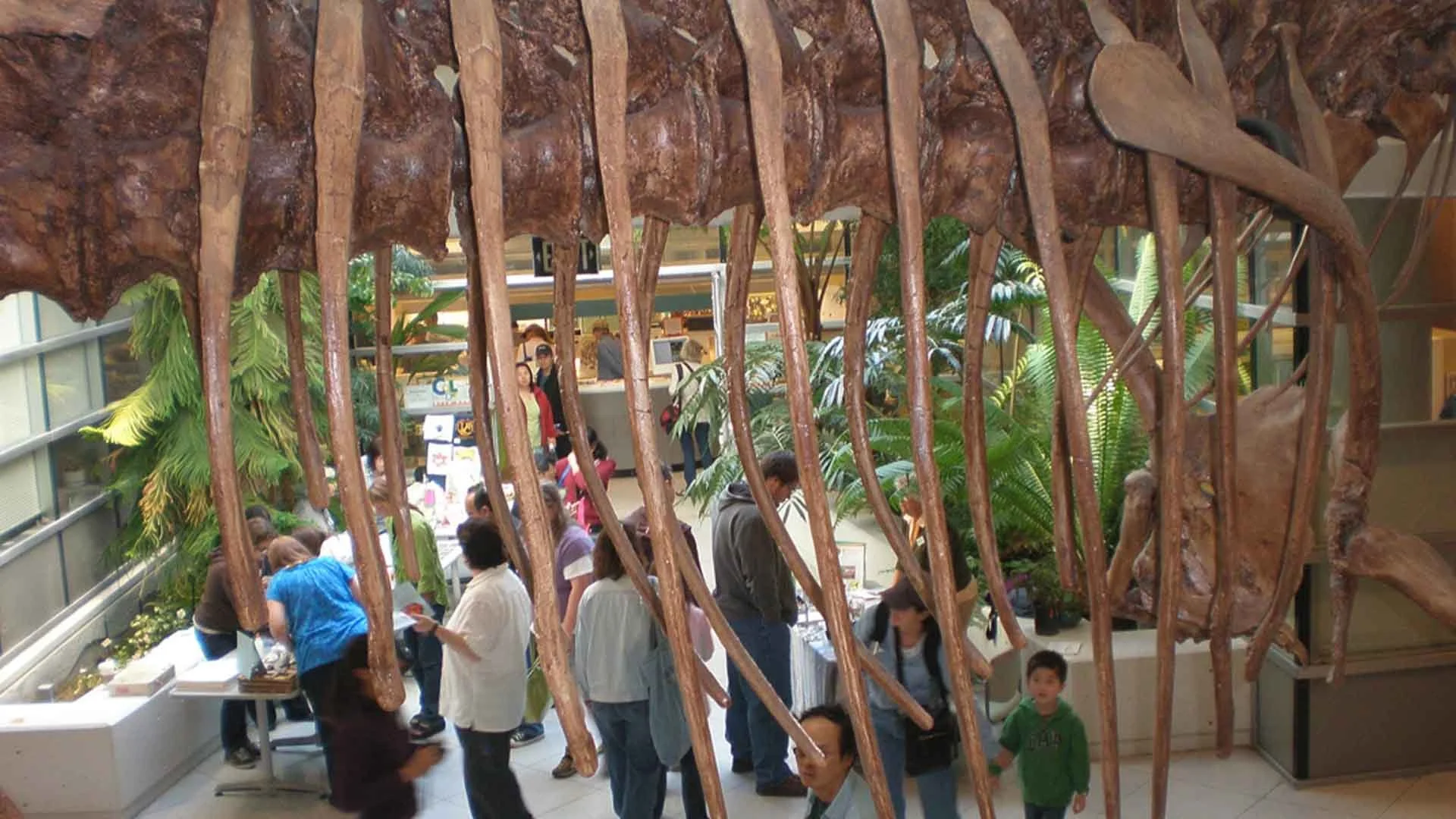
Tyrannosaurus rib cage, University of California Museum of Paleontology

Chullin 52: צֵלָע בְּלֹא חוּלְיָא אָמְרִי

jyungar June 21, 2026

For the source text click/tap here: Chullin 52

To download, click/tap here: PDF

Our Daf discusses the status of an animal whose ribs are either uprooted or broken. Rav issued a ruling that if a rib became uprooted together with the vertebra to which it is attached, the animal is a tereifah.

The other rib which had been attached to that vertebra on the other side of the animal remained in its place. Rav Kahana and Rav Assi asked Rav what the halacha would be in a case where both ribs connected to a vertebra from both sides of the animal became uprooted, and the vertebra itself remained intact. Rav responded that this animal, although still “alive” is a neveilah.

The animal is, in effect, split into two and is legally a neveilah which can even convey tum’ah. The Gemara notes that Rav had just taught that if a rib and its vertebra are uprooted the animal is a tereifah.

This should necessarily mean that the rib on the other side is no longer attached to its vertebra either, as the vertebra has been uprooted with the first rib. Yet, now Rav is saying that such an animal is a neveilah.

Tags 75th
Comment

Chullin 51: וְהָלְכה לָהּ כְּלַפֵּי רֹאשָׁהּ, כְּנֶגֶד כל הַשִּׁדְרָה כּוּלָּהּ

jyungar June 20, 2026

For the source text click/tap here: Chullin 51

To download, click/tap here: PDF

On our daf the Gemara quotes Rav Huna as teaching that if an animal was left on the roof and was later found on the ground, we do not assume that it fell and the ruling of the Mishnah is not applied to it. To illustrate and clarify this ruling, the Gemara relates the following story:

A goat belonging to Ravina was on the roof and through the sky-light saw some peeled barley below. It jumped and fell down from the roof to the ground. Ravina came before Rav Ashi and asked: Was the reason for Rav Huna’s statement, ‘If a person left an animal on the roof, and returned and found it on the ground we do not apprehend a lesion of the internal organs,’ that it had something to hold on, but in this case it had nothing to hold on; or was it that the animal estimated the distance, so that here too it estimated the distance? — He replied. The reason was that it estimated the distance; so that here too it estimated the distance and it is therefore permitted.

We explore the world of falling animals in antiquity and the recent cures for spinal cord injury.

Tags 75th
Comment

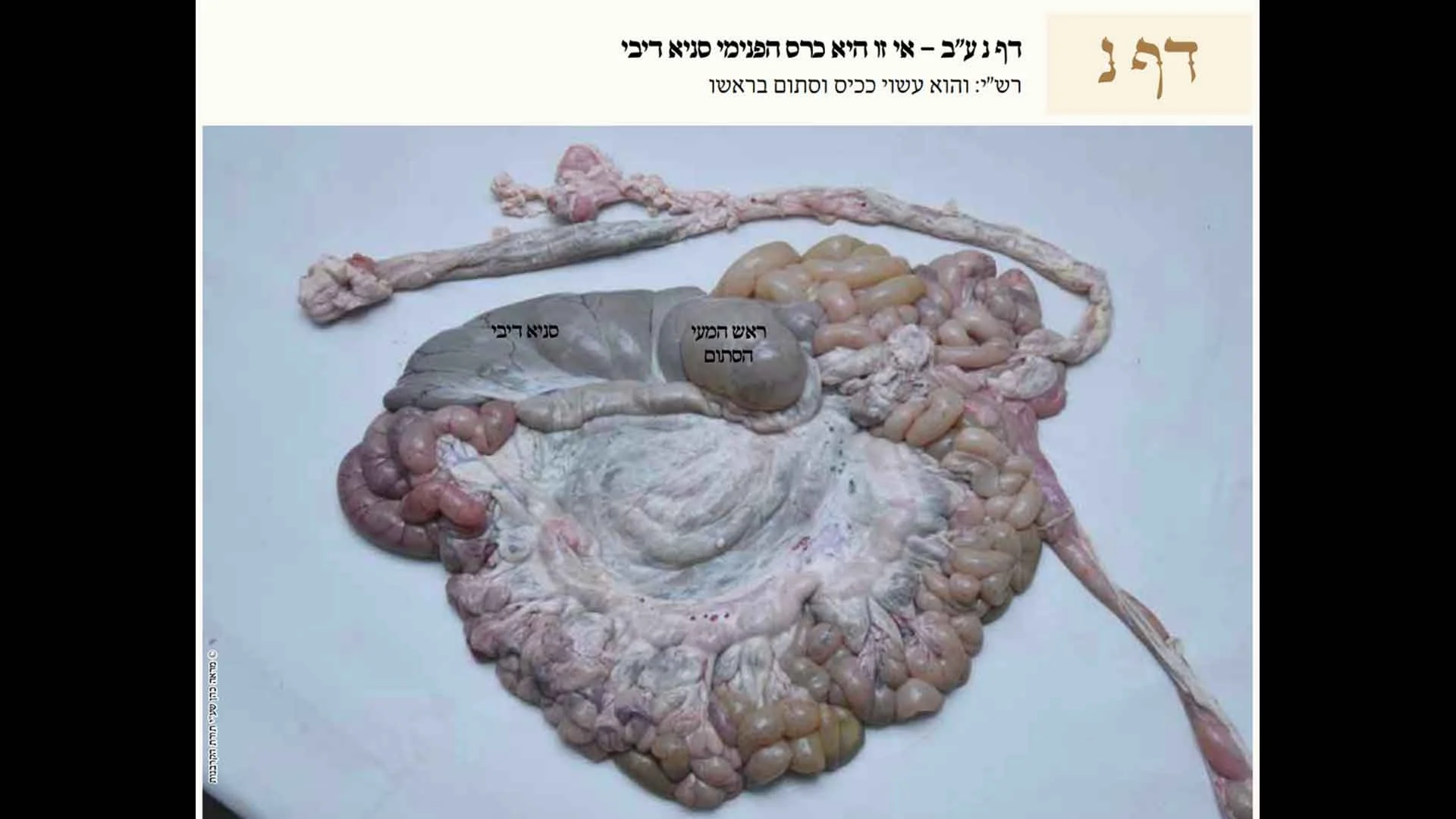
Chullin 50: אֵיזֶהוּ כָּרֵס הַחִיצוֹן? בָּשָׂר הַחוֹפֶה אֶת רוֹב הַכָּרֵס

jyungar June 19, 2026

For the source text click/tap here: Chullin 50

To download, click/tap here: PDF

It is permissible to compare puncture holes in the intestines, lung, or trachea of an animal to determine if the puncture occurred before or after Shechitah.

If the rectum of an animal is punctured, the animal is Kosher because the hips seal off the puncture.

If the inner paunch of an animal is punctured, the animal is a Tereifah.

If the majority of the outer paunch of an animal is torn the length of a Tefach, the animal is a Tereifah, according to the Tana Kama. According to Rebbi Yehudah, if it is a large animal even if it is ripped only a Tefach it is a Tereifah.

If the tear in the paunch created a circular hole larger than the size of a Sela, the animal is a Tereifah, because if the hole would be stretched out in a straight line it would be the size of a Tefach.

We explore the world of the rumen, and the psychological correlates of rumination!

And the Aberdeen Shechita scandal on 1893.

Tags 75th
Comment

Chullin 49: הַתּוֹרָה חָסָה עַל מָמוֹנָם שֶׁל יִשְׂרָאֵל

jyungar June 18, 2026

For the source text click/tap here: Chullin 49

To download, click/tap here: PDF

We explore one of the most consequential meta-halakhic principles in rabbinic literature: the assertion that “the Torah has concern for the money of Israel” (ḥasah ha-Torah ʿal mamonam shel Yisraʾel). Although the maxim recurs across the Babylonian Talmud, its appearance on our daf—within a discussion of whether a torn membrane covering the stomach renders an animal tereifah, and whether fat in a particular location is permitted or forbidden—offers an unusually clean window onto the principle's logic. There the value of the animal as property tilts a doubtful ruling toward leniency.

Tags 75th
Comment

Chullin 48: הֶעֶלְתָה צְמָחִים – חוֹשְׁשִׁין לָהּ

jyungar June 17, 2026

For the source text click/tap here: Chullin 48

To download, click/tap here: PDF

Our daf cites several rulings of R’ Nachman regarding lungs. If a lung was punctured, which is one of the signs of tereifus, but the hole in the lung became adhered to the chest wall, it is kosher.

Ravina adds and clarifies that this is only true if the place of the hole became attached to the flesh of the chest, between the ribs, and not to the ribs themselves.

According to Rashi, this results in a strong connection that will not loosen. If the place of the hole in the lung adheres to the rib itself, this connection is not strong enough to alleviate the tereifah concern.

We continue our review of kashrut in different communities and including the issue of stunning.

Tags 75th
Comment

Chullin 47: חָמֵשׁ אוּנֵּי אִית לַהּ לְרֵיאָה

jyungar June 16, 2026

For the source text click/tap here: Chullin 47

To download, click/tap here: PDF

Our Daf confront one of the most consequential and least “closed” questions in the laws of tereifot: whether a sircha—an abnormal adhesion binding a lobe of the lung to the chest wall, to the pericardium, or to an adjacent lobe—renders an animal terminally defective and therefore forbidden. The Talmudic discussion, deceptively brief, generated a centuries-long controversy whose stakes were not merely culinary but conceptual: does the sircha forbid because it is itself the disqualifying defect, or because it is a siman, a sign betraying a hidden perforation in the lung that has been sealed over?

We attempt to argue that the sircha is the paradigmatic case of the halakhic body refusing to collapse into the biological body, and that the rabbinic insistence on treating the adhesion as a juridical sign rather than a settled anatomical fact discloses a hermeneutic of the wound that resonates with the larger project of reading the patient as sacred text.

Tags 75th
Comment

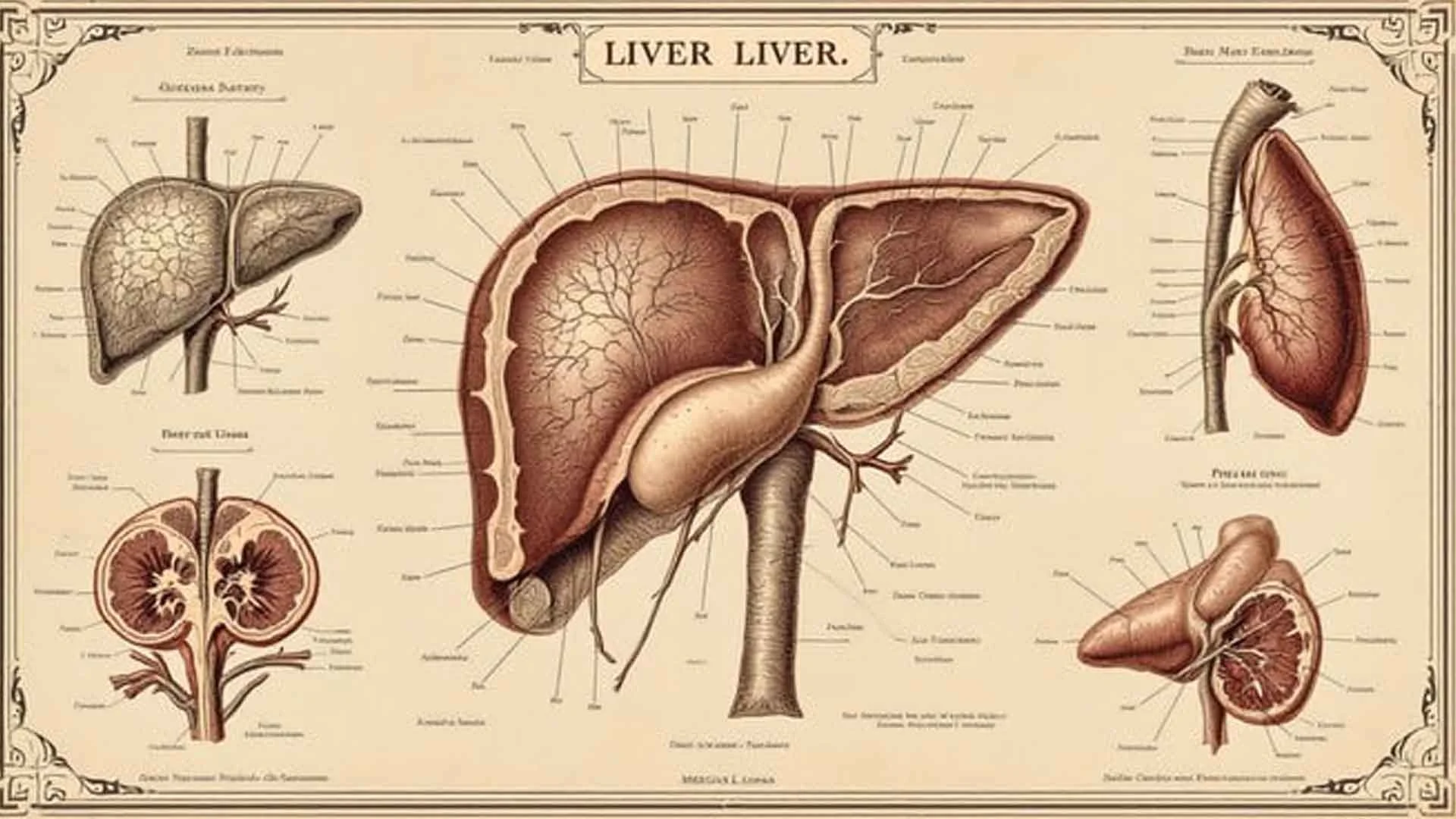
Victorian Liver Anatomy

Chullin 46: הָהוּא פּוּלְמוּסָא דַּאֲתָא לְפוּמְבְּדִיתָא

jyungar June 15, 2026

For the source text click/tap here: Chullin 46

To download, click/tap here: PDF

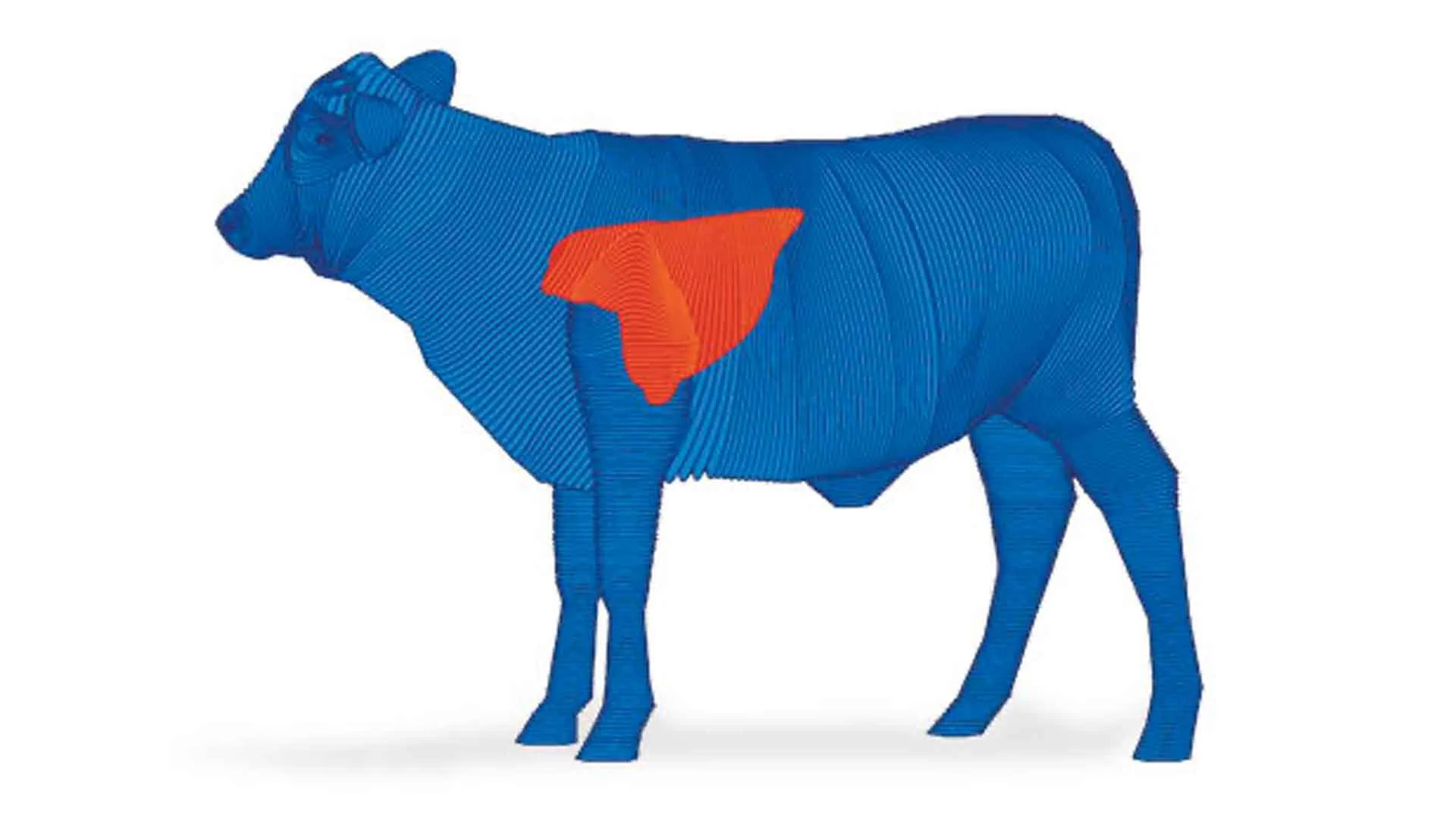
Our mishna states: If the liver was removed and nothing remained of it, the animal is a tereifa. The Gemara asks: It follows, therefore, that if anything remained of it, the animal is kosher, even if the remaining piece does not constitute an olive-bulk. But didn’t we learnin a mishna on 54a: If the liver was removed and an olive-bulk of it remained, it is kosher? One can infer that if less remained, it is a tereifa.

The mishna's premise — that an animal might be found with its liver removed and nothing remaining — raises a question that the ancient medical traditions could scarcely have entertained. If the liver was, for the Galenic world, the irreplaceable source of the blood, how could the rabbis treat as a live empirical possibility the discovery of a beast wholly or nearly without one? The question divides into two: how an organ might come to be absent, and how an animal so afflicted could have lived at all up to the moment of slaughter.

We explore the liver of antiquity and its use for divination besides nutrition, a seat of the soul.

Tags 75th
Comment

Chullin 45: נִיקַּב קְרוּם שֶׁל מוֹחַ

jyungar June 14, 2026

For the source text click/tap here: Chullin 45

To download, click/tap here: PDF

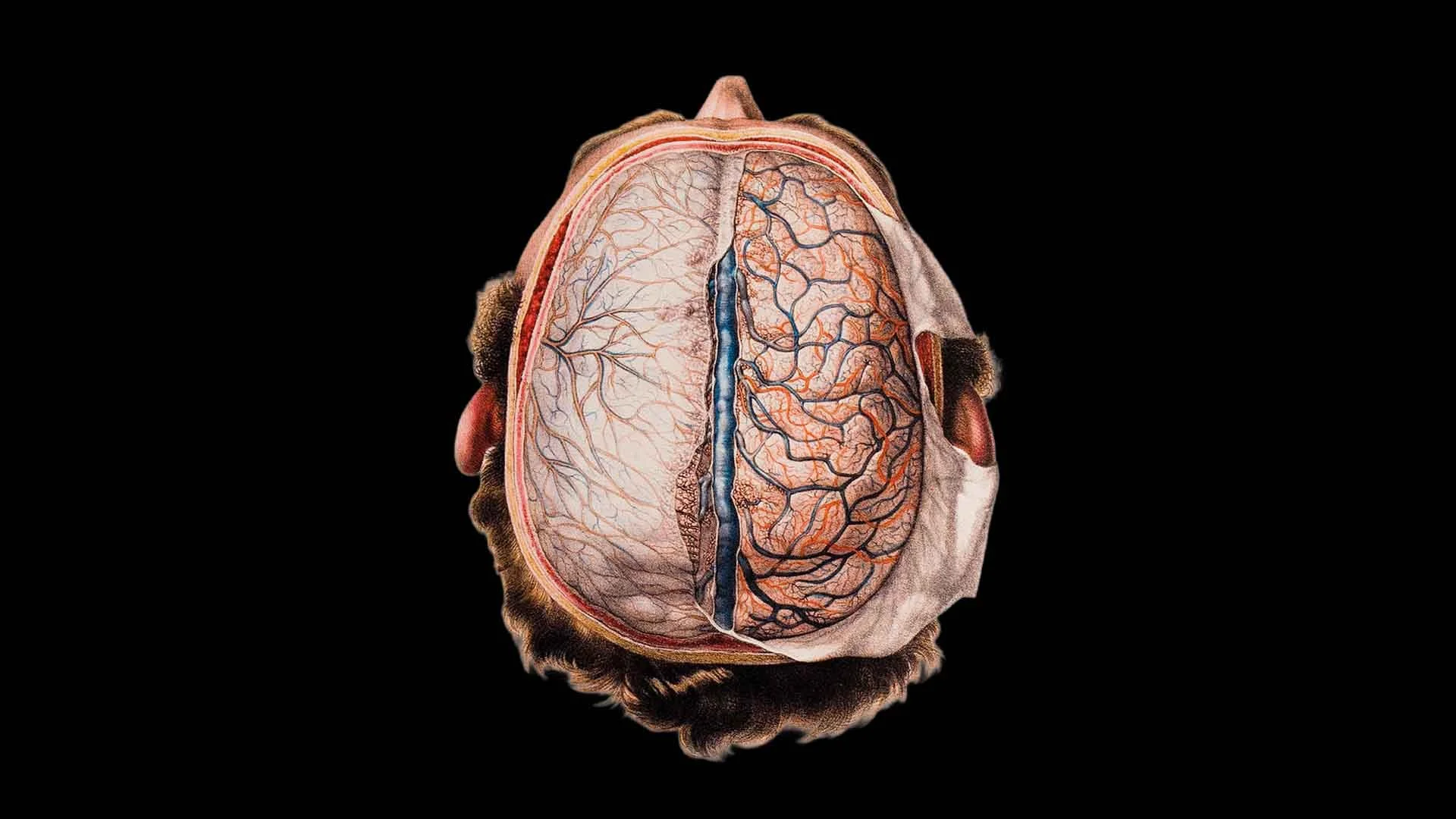
Our mishna states: If the membrane of the brain was perforated, the animal is a tereifa. The Gemara cites Rav and Shmuel, who both say: The brain is covered by two membranes, a thick outer membrane adjacent to the skull and a thin inner membrane adjacent to the brain. The animal is a tereifa if the outer membrane was perforated, even if the inner membrane was not perforated.

And some say that the animal is not a tereifa unless the innermembrane was perforated as well. Rabbi Shmuel bar Naḥmani says: And this is your mnemonic to remember the halakha: The bag in which the brain rests, i.e., the inner membrane.

We explore notions of meninges skull and pathology in the Talmud and Antiquity.

Tags 75th
Comment

Chullin 44: כָּאן – קוֹדֶם בַּת קוֹל, כָּאן – לְאַחַר בַּת קוֹל

jyungar June 13, 2026

For the source text click/tap here: Chullin 44

To download, click/tap here: PDF

On yesterday’s daf the Gemara presented a disagreement

between Rav and Shmuel regarding the status of the turbatz ha-veshet, the animal’s pharynx. This area, which is where the esophagus enters the throat, is considered by Rav to be a place where ritual slaughter can take place, while Shmuel rules that it is too high up in the animal’s throat to be an appropriate place for slaughter. When a practical situation of shechita in this area was brought before Rava, he applied both Rav’s position and Shmuel’s position to rule stringently in that case.

We identify cases where the Halacha does not fit biology and present a modern orthodox view vs the Lubavitcher Rebbe’s resolution.

Tags 75th
Comment

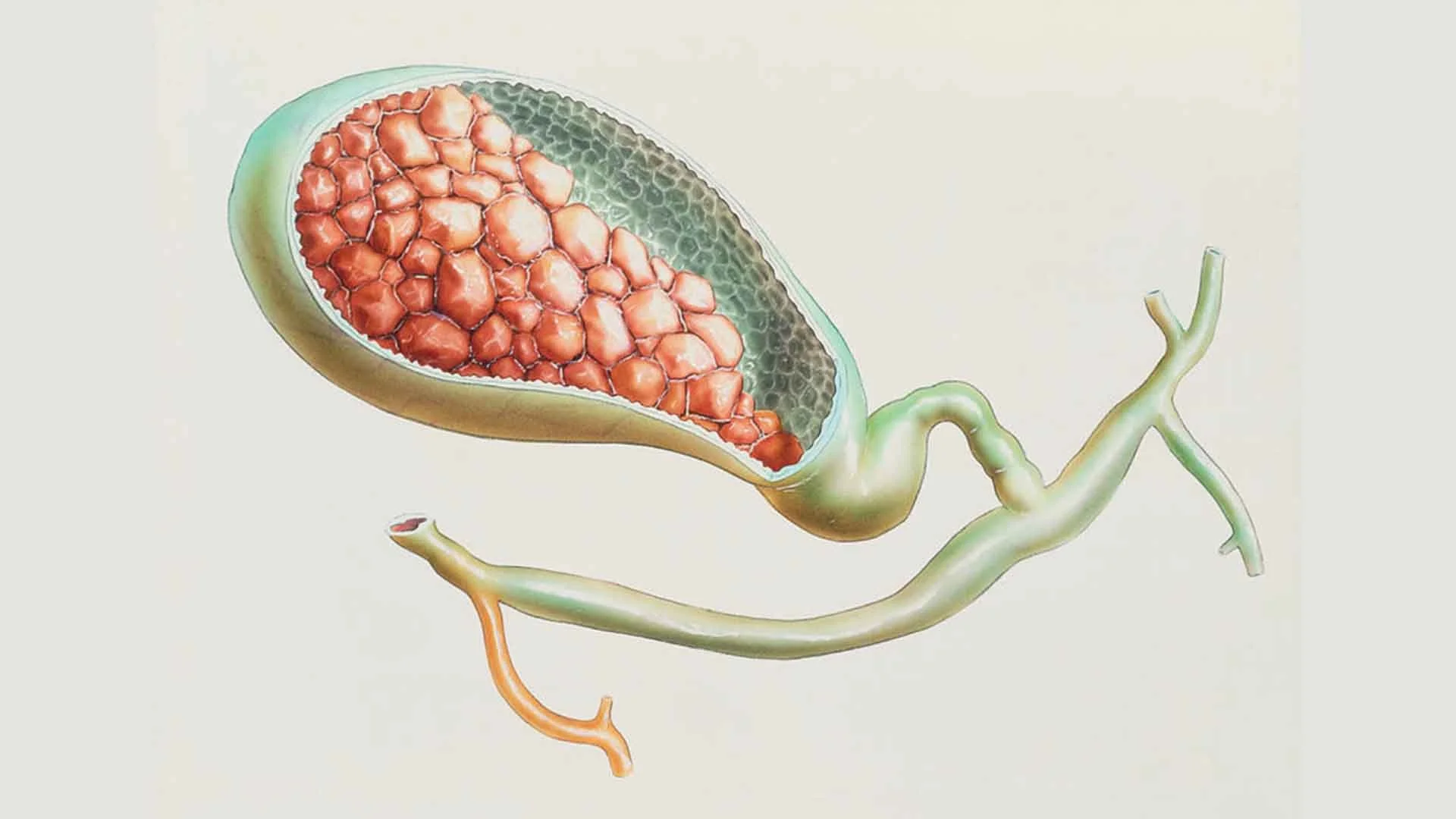
Artwork Of Gallstones In The Gall Bladder is a photograph by Bo Veisland, Miandi

Chullin 43: הָכָא נָמֵי נִיסָּא שָׁאנֵי

jyungar June 12, 2026

For the source text click/tap here: Chullin 43

To download, click/tap here: PDF

The Gemara provides a mnemonic for the following statements of Rabbi Yitzḥak, son of Rabbi Yosef: Halakhot, friend, olive-bulk, gallbladder, and gizzard.

Rabbi Yitzḥak, son of Rabbi Yosef, says that Rabbi Yoḥanan disagrees with the statement of Ḥiyya bar Rava and says: The halakha is in accordance with the opinion of Rabbi Yosei, son of Rabbi Yehuda, that a perforated gallbladder renders the animal a tereifa.

And Rabbi Yitzḥak, son of Rabbi Yosef, says that Rabbi Yoḥanan says: What did the friends of Rabbi Yosei, son of Rabbi Yehuda, respond to him? They responded that Job said:

“He pours out my gall upon the ground” (Job 16:13), and yet Job was still alive.Evidently, one with a perforated gallbladder can live. Rabbi Yosei said to them: Job was kept alive by a miracle, and one does not mention miraculous acts as proof for a general ruling.

We explore the history of gall bladder, bile and diseases thereof with focus on how the rabbis selected the scientific from the mythical and humoral aspects of the humors.

Tags 75th
Comment

Chullin 42: וְהָא אִיכָּא בסג״ר, וְשַׁב שְׁמַעְתָּתָא

jyungar June 12, 2026

For the source text click/tap here: Chullin 42

To download, click/tap here: PDF

The third perek of Masechet Chullin begins on today’s daf. Following the first two chapters of the tractate whose focus was on the act of slaughtering an animal, this perek – the longest one in Masechet Hullin – deals with the animal itself, i.e., which animals are permitted and forbidden to eat. The two general categories discussed are the laws of treifah – animals that for reasons of illness or injury will die as a result of their condition – and types of animals that are not kosher and cannot be eaten.

The opening Mishnah of the perek presents a list of conditions that are considered to be terminal and concludes with the following principle: if an animal with a similar defect could not continue to live, it is a treifah.

In defining this principle, we find a difference of opinion. The accepted interpretation is that the animal will succumb to its condition within 12 months, but others say that it will die within 30 days and one opinion in the Gemara defines it as an animal whose condition will not allow it to conceive and give birth. The commentaries discuss whether an animal would be considered a treifah if it could be treated with drugs, and whether there is reason to distinguish between different types of tereifot.

Tags 75th
Comment

Chullin 41: וּבַשּׁוּק לֹא יַעֲשֶׂה כֵּן, שֶׁלֹּא יְחַקֶּה אֶת הַמִּינִין

jyungar June 10, 2026

For the source text click/tap here: Chullin 41

To download, click/tap here: PDF

We are introduced to a new Mishna that teaches more about sacrifice and blood and what is permitted. It teaches that the blood of a slaughter cannot flow into the sea, the rivers, or a vessel, because that has the appearance of idolatry. If the blood flows into a round excavation containing water, it is permitted. Similarly one may slaughter an animal while on a ship into a vessel because it is obvious that one is attempting to protect the ship. One is not permitted to have animal's blood flow into a small hole in the ground, but it is permitted to have the blood flow into a small hole within one's home.

In the marketplace this is not permitted, again because it has the appearance of idolatry.

We explore the notion of appearances and mimicking heretics.

Tags 75th
Comment

Chullin 40: אֵין אָדָם אוֹסֵר דָּבָר שֶׁאֵין שֶׁלּוֹ

jyungar June 9, 2026

For the source text click/tap here: Chullin 40

To download, click/tap here: PDF

The Mishnah teaches that if someone slaughters an animal for idol worship – e.g. for mountains, hills, seas, rivers or deserts – the shechita is invalid. What if the animal that is slaughtered belonged to someone else? Is it possible to forbid someone else’s property?

Rav Huna teaches that if someone’s neighbor’s beast was lying in front of an idol, then as soon as he has cut one of the organs of the throat – either the esophagus or the trachea – he has rendered it prohibited. In contrast, the Gemara brings the opinion of Rav Nachman, Rav Amram and Rav Yitzchak who rule that a person cannot render prohibited something that does not belong to him.

This principle that one cannot prohibit what is not one’s own (ein adam oser davar she-eino shelo) functions in the Talmudic system as a constitutional limit on the reach of private legal acts. We explore how this compares with the Roman law of dominium, the doctrine of nemo dat quod non habet, and the Roman treatment of res religiosae and consecration.

Tags 75th
Comment

Chullin 39: שֶׁהָיָה חֲצִי קָנֶה פָּגוּם וְהוֹסִיף עָלָיו כל שֶׁהוּא וּגְמָר

jyungar June 8, 2026

For the source text click/tap here: Chullin 39

To download, click/tap here: PDF

In the context of the disagreement between the Sages and Rabbi Eliezer that we learned about on yesterday’s daf, the Gemara brings a baraita that teaches that if someone slaughters an animal with the intention of sprinkling its blood for idolatry or sacrifice its fats to an idol, that animal is forbidden; it is as if one ate “sacrifices of the dead.”

If it was slaughtered without any particular plans and afterwards the decision was made to sprinkle its blood for idolatry or sacrifice its fats to an idol – this case occurred in the city of Caesarea, and the Sages refused to rule one way or another.

We explore the unique city and its hosting Jewish and Chritian neighbors and the way they both claimed the biblical text for their own theologies yet using remarkably similar hermeneutical techniques.

Tags 75th
Comment

Chullin 38: אֲפִילּוּ בִּפְנִים נָמֵי ״זֶה מְחַשֵּׁב וְזֶה עוֹבֵד״

jyungar June 7, 2026

For the source text click/tap here: Chullin 38

To download, click/tap here: PDF

Rav Nachman bar Yitzchak maintains that if an animal quivered even at the beginning of the Shechitah, the Shechitah is valid. He proves this from the Mishnah (37a) that states that when an animal is slaughtered at night, it may be eaten as long as it has signs of "Zinuk." If movement is required at the end of the Shechitah in order for the animal to be permitted, then how can signs of Zinuk permit the animal? Perhaps the Zinuk occurred at the beginning of the Shechitah and not at the end! It must be that the animal is permitted even when the Zinuk occurred at the beginning of the Shechitah

We continue our exploration of the border between life and death…

Tags 75th
Comment

Chullin 37: מְסוּכֶּנֶת מִמַּאי דְּשַׁרְיָא?

jyungar June 6, 2026

For the source text click/tap here: Chullin 37

To download, click/tap here: PDF

Generally speaking, only healthy animals can be slaughtered for kosher food. Thus, a tereifa – an animal that has a terminal condition – cannot be used. Nevertheless, if an animal is merely a mesukenet – it is ill – and its owner wants to slaughter it so that he can benefit from its meat, the Mishna teaches that such sheḥita would be kosher, assuming that the animal shows a sign of vitality when killed.

According to Rabban Shimon ben Gamliel this would require movement of the animal’s limbs; according to Rabbi Eliezer, it is enough if blood spurted out at the time of sheḥita.

We explore the concept of pirchus and the legal definition of brain stem death in Halacha and common English law with an eye on the NY controversy.

Tags 75th
Comment

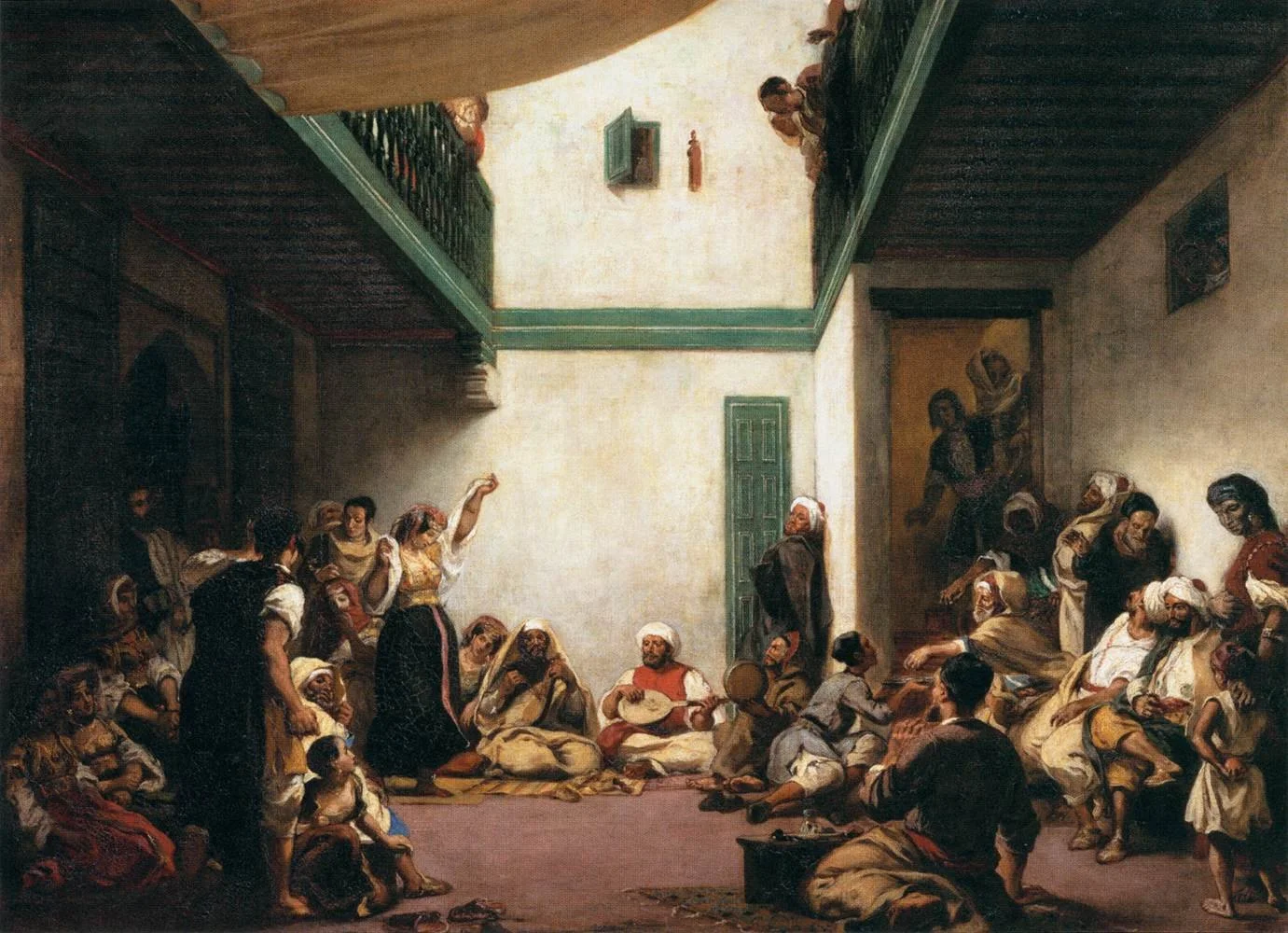
Jewish Wedding in Morocco. Eugène Delacroix, oil on canvas, 1837–41. Musée du Louvre. Public domain, via Wikimedia Commons.

Chullin 36: מִכְּלָל דְּחִיבַּת הַקֹּדֶשׁ דְּאוֹרָיְיתָא

jyungar June 5, 2026

For the source text click/tap here: Chullin 36

To download, click/tap here: PDF

As we have learned on the previous dapim of the Gemara, according to the Torah (see Vayikra 11:38) ritual defilement of food will only take place when someone or something that is tameh comes into contact with food that has been made wet. Although the passage in Vayikra mentions specifically that the wetness comes from placing water on the food, the Gemara explains that the “wetness” necessary to “prepare” the food for defilement can only be by means of one of seven liquids – wine, blood, oil, milk, dew, honey or water.

On our daf we learn a baraita that was taught in the School of Rabbi Yishmael that not all blood will be able to serve this purpose. Based on the passage in Sefer Bamidbar (23:24) that compares the Jewish people to a lion that drinks the blood of its victims, i.e. like water, the baraita concludes that only blood from a dead creature – dam ḥalalim – will serve this purpose; if the blood comes from a live animal, then it is dam kilu’aḥ – “flowing blood” – that cannot “prepare” food for potential defilement.

We explore how food does not become impure simply because an impure thing touches it. Before contact with a source of defilement can take effect, the food must first have been rendered receptive — it must have been wetted by one of seven liquids, and that wetting must have been, in some sense, intended. This is the institution the Sages call hechsher mashkin, the predisposition of foodstuffs to impurity by liquid.

Tags 75th
Comment
  • Daf Ditty
  • Older
  • Newer

Julian Ungar-Sargon

This is Julian Ungar-Sargon's personal website. It contains poems, essays, and podcasts for the spiritual seeker and interdisciplinary aficionado.​