
For the source text click/tap here: Chullin 46
To download, click/tap here: PDF
Our mishna states: If the liver was removed and nothing remained of it, the animal is a tereifa. The Gemara asks: It follows, therefore, that if anything remained of it, the animal is kosher, even if the remaining piece does not constitute an olive-bulk. But didn’t we learnin a mishna on 54a: If the liver was removed and an olive-bulk of it remained, it is kosher? One can infer that if less remained, it is a tereifa.
The mishna's premise — that an animal might be found with its liver removed and nothing remaining — raises a question that the ancient medical traditions could scarcely have entertained. If the liver was, for the Galenic world, the irreplaceable source of the blood, how could the rabbis treat as a live empirical possibility the discovery of a beast wholly or nearly without one? The question divides into two: how an organ might come to be absent, and how an animal so afflicted could have lived at all up to the moment of slaughter.
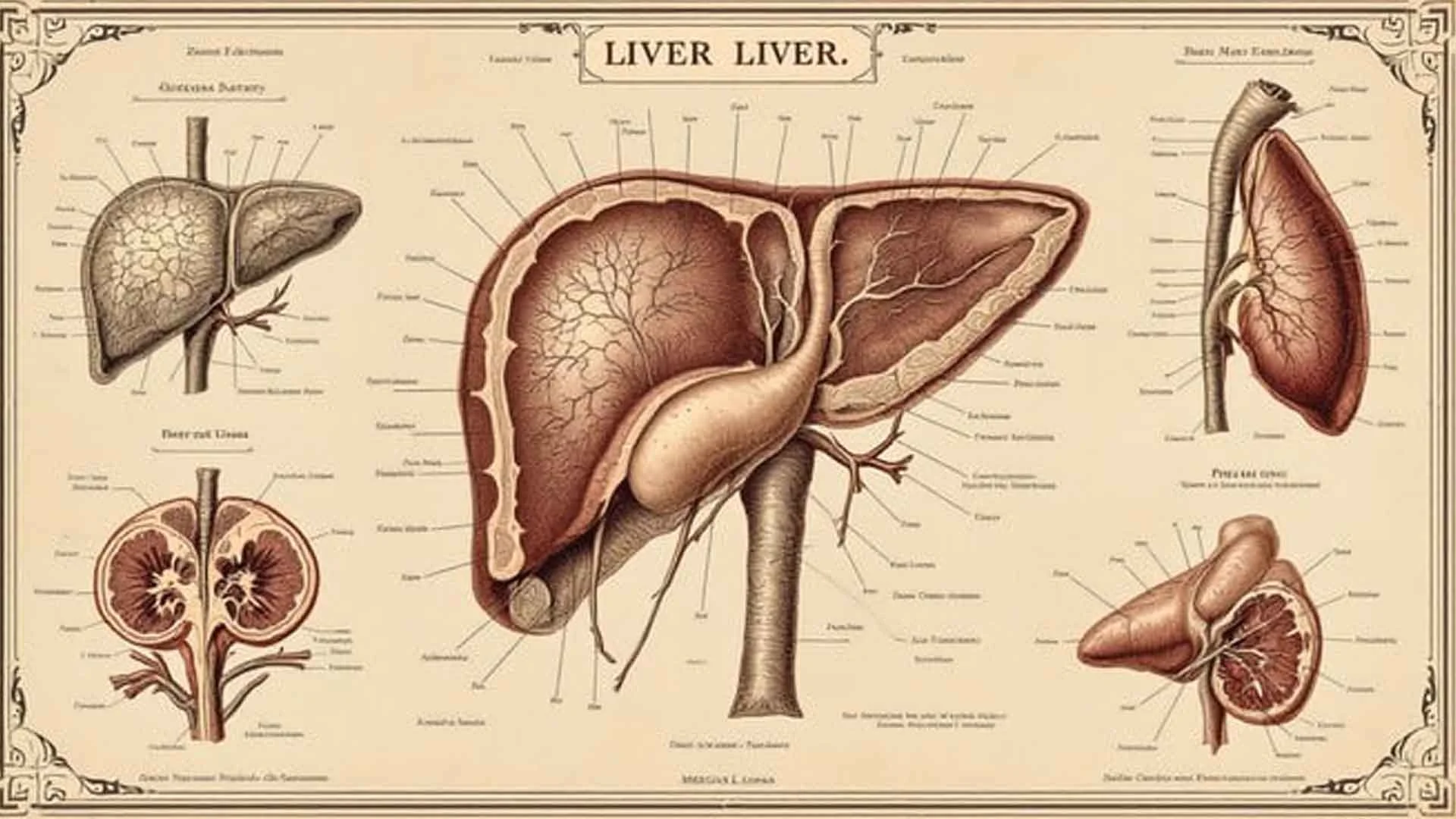
We explore the liver of antiquity and its use for divination besides nutrition, a seat of the soul.