Julian Ungar-Sargon

  • Home
  • Theological Essays
  • Healing Essays
  • Podcast
  • Poetry
  • Daf Ditty
  • Deep Dive Ditty
  • Videos
  • Publications
  • Military Service
  • Home
  • Theological Essays
  • Healing Essays
  • Podcast
  • Poetry
  • Daf Ditty
  • Deep Dive Ditty
  • Videos
  • Publications
  • Military Service
Julian Ungar-Sargon copy 3.jpg

Daf Ditty

A wide-ranging commentary on the daily page of Talmud.

Avodah Zarah 72: הַנִּצּוֹק וְהַקָּטַפְרֵס וּמַשְׁקֶה

jyungar August 29, 2025

For the source text click/tap here: Avodah Zarah 72

To download, click/tap here: PDF

The Mishna on our daf is concerned whether when wine is poured into a barrel containing forbidden wine, perhaps the connection between the liquids will cause the permitted wine to become prohibited, as well. This theme leads to a number of warnings made to Jews who dealt with wine, as described by the Gemara.

Steinsaltz remarks "We find many pictures from the ancient world that show groups of people drinking from a single vessel by means of tubes and siphons. Some suggest that the words used in the Gemara to describe this – gishta and bat gishta – are related to the Persian word “to suckle” although the philological evidence is not clear.”

we explore the concepts of nitsok (stream), katafres (descending water), and mashkeh tofe’ach (moistening liquid)—and compares these ancient understandings with modern scientific knowledge of fluid dynamics, microbiology, and contamination theory.

Tags 66th
Comment

Avodah Zarah 71: הָנֵי פָּרְסָאֵי מְשַׁדְּרִי פַּרְדָּשְׁנֵי לַהֲדָדֵ

jyungar August 28, 2025

For the source text click/tap here: Avodah Zarah 71

To download, click/tap here: PDF

The Mishna on our daf discusses how one can sell wine to a non-Jew, since the wine will become stam yeinam as soon as it is poured into his container. The Mishna teaches that if the non-Jewish buyer and the Jewish seller came to an agreement regarding the price of the wine before it was measured out into the non-Jew’s container, then the money is permitted. If, however, the wine was first measured out and only afterwards the price was discussed, then the Jew cannot make use of the money since the wine had already become stam yeinam before the sale took place.

We explore the use of wine in other ancient traditions and it transforming properties in their myths.

Tags 66th
Comment

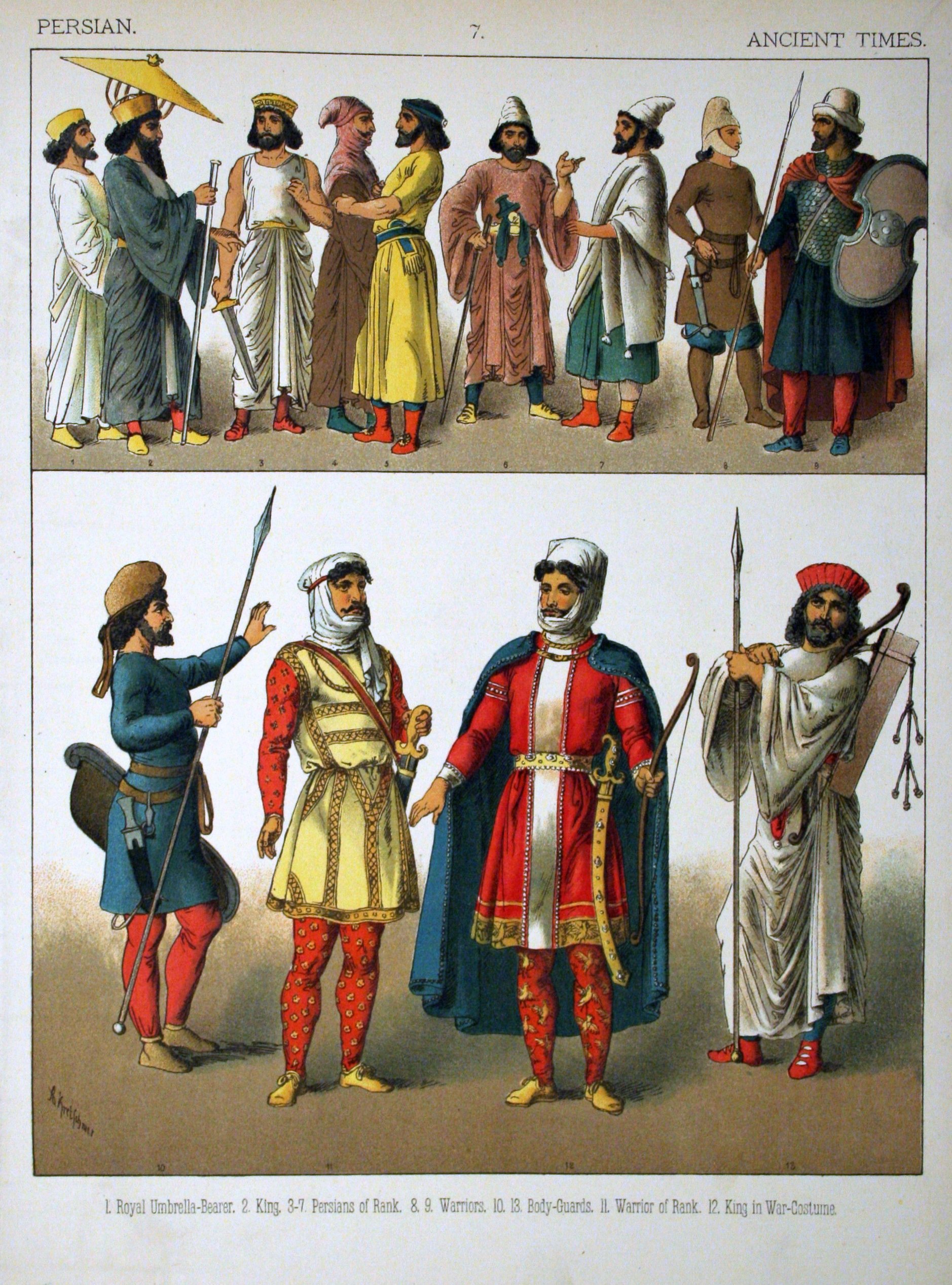
Persian dress of ancient times. Plate from Albert Kretschmer, Costumes of All Nations, 1882. Public domain, via Wikimedia Commons.

Avodah Zarah 70: לְנַסֵּךְ אֵין פְּנַאי, לִבְעוֹל יֵשׁ פְּנַאי

jyungar August 27, 2025

For the source text click/tap here: Avodah Zarah 70

To download, click/tap here: PDF

According to the Mishna on our daf, when a boleshet – an army unit – entered the city, during peacetime we are concerned about open barrels of wine but not about closed barrels of wine. During wartime we rule that all barrels of wine are permitted – whether open or closed – since we assume that the soldiers will not have time for libations to their gods, since they are occupied with their fighting.

When Rav Mari declared on our daf that soldiers "do not have time to pour libations, as their passion for idolatry is not pressing at that time, but they have time to engage in intercourse, because their lust is great even during wartime," he articulated a psychological insight that would not be fully understood by Western science for nearly two millennia.

This remarkable statement, found in Avodah Zarah 70b, represents one of the earliest systematic attempts to understand the differential psychology of human drives under military stress—a topic that has only recently become the subject of rigorous scientific investigation.

We explore The Limits of Virtue: Moral Psychology and Military Conduct.

Tags 66th
Comment

Avodah Zarah 69: בְּבָא לָהֶם דֶּרֶךְ עֲקַלָּתוֹן

jyungar August 26, 2025

For the source text click/tap here: Avodah Zarah 69

To download, click/tap here: PDF

The Mishna on our daf describes several cases where barrels of wine are left in a place where a non-Jew has access to them and the Jew who is in charge of the wine leaves.

We explore the complex halakhic framework governing when and under what circumstances Jewish law permits trust in gentiles, particularly in matters of wine supervision and commercial relationships.

We discover a sophisticated criteria for evaluating gentile trustworthiness based on factors including supervision, time constraints, legal status, and situational context. Rather than blanket prohibition or permission, the halakhic system creates nuanced categories that reflect both practical concerns about idolatrous wine and broader principles of inter-group relations.

We end with the scholarship of Jacob Katz and his groundbreaking work on the fraught Jewish Gentile relationships during the medieval and modern period.

Tags 66th
Comment

Avodah Zarah 68: הֲלֹא עוֹלֶה עַל שֻׁלְחָן שֶׁל מְלָכִים

jyungar August 25, 2025

For the source text click/tap here: Avodah Zarah 68

To download, click/tap here: PDF

Rav Sheishes answered: Usually, Rav holds that if a forbidden item imparts a detrimental taste to the mixture, it is permitted. However, a mouse is a novel law, as people think it is repulsive, yet even so, the Torah specifically forbids it. It therefore forbids other things as well even though it imparts a detrimental taste to the mixture. The Rabbis asked Rav Sheishes: If this is so, whether it is moist or dried out it should transmit tumah!? However, the Mishna says that it only transmits tumah if it is moist (i.e. alive in normal conditions) and not if it is dried out!?

The Gemora replies: According to this, semen should also transmit tumah both when it is moist and dry. However, the Mishna says it only transmits tumah when it is moist. It therefore must be that the Torah only said it transmits tumah when it is in a form where it can fertilize, as opposed to when it is dry.

We explore the transition from Bible to Talmud in attitudes to semen and seminal emission.

Tags 66th
Comment

Avodah Zarah 67: גִּיעוּלֵי גוֹיִם לָאו נוֹתֵן טַעַם לִפְגָם הוּא

jyungar August 24, 2025

For the source text click/tap here: Avodah Zarah 67

To download, click/tap here: PDF

The Gemora had stated regarding the emissions of utensils used by idolaters that have been used within twenty-four hours, it is impossible that the absorption is not deemed slightly bad, and although with respect to all prohibitions, such a taste would be permitted, nevertheless, the Torah states that one is prohibited from using such a pot unless it is first scalded. The Ramban asks: If in regard to those utensils used by idolaters, the flavor is regarded like the substance, how is it possible to say that with respect to other prohibitions, the flavor is not forbidden like the substance?

Are the emissions from the idolaters’ utensils a distinct class of prohibition, different from any other prohibitions? The Midianite utensils were forbidden out of the concern that there were nonkosher foods cooked inside of it!

We explore the particular offense of Midian in bible and its transformation in talmud.

Tags 66th
Comment

Avodah Zarah 66: רֵיחֵיהּ חַלָּא וְטַעְמָא חַמְרָא

jyungar August 23, 2025

For the source text click/tap here: Avodah Zarah 66

To download, click/tap here: PDF

The Gemara discusses a case in which a Nochri made holes in the top of his wine barrel in order to determine the amount of time it would keep fresh. Is a Jew allowed to smell this wine for the Nochri, or is that considered having benefit from Yayin Nesech?

TOSFOS (DH Yisrael) points out that the Gemara must be referring to a case in which the Jew smells the wine for free, and the Nochri does not consider this as a favor from the Jew for which he owes his gratitude, because otherwise this act would be forbidden (the Jew would be receiving tangible benefit for working with Yayin Nesech).

Abaye answers that smell is included in the prohibition against deriving benefit from Yayin Nesech. Rava argues that smelling the wine is permitted, because smell is not considered a benefit, and thus the Jew who smells the wine does not benefit from Yayin Nesech.

We explore the Halacha of smell.

Tags 65th
Comment

Avodah Zarah 65: וּמִין בְּשֶׁאֵינוֹ מִינוֹ בְּנוֹתֵן טַעַם

jyungar August 22, 2025

For the source text click/tap here: Avodah Zarah 65

To download, click/tap here: PDF

A new Msihnah: If yen nesekh falls on other types of foods, such as dates or figs, the food becomes prohibited only if the wine improves the flavor of the food. The mishnah mentions a story of a person who carried figs and yen nesekh on a ship. When one of the casks of wine broke on the figs, he asked the Sages if the figs were still permissible, and they permitted them. Since the wine does not improve the flavor of the figs, the person has not derived benefit from the wine and therefore the figs are permitted.

We explore the halachic ramifications of nosein taam as well as the science and history of food coloring.

Tags 65th
Comment

Avodah Zarah 64: אֵיזֶהוּ גֵּר תּוֹשָׁב

jyungar August 21, 2025

For the source text click/tap here: Avodah Zarah 64

To download, click/tap here: PDF

Our Daf’s Amoraim (Rav Nachman, Ulla, and Avimi bar Pappi) sat and inquired further: Can a ger toshav (a resident alien; a non-Jew who formally accepts upon himself the observance of certain mitzvos) nullify an idol (like an ordinary idolater)?

Do we say that only one who worships idols can nullify idols, and since the ger toshav does not worship idols, he cannot nullify idols; or perhaps, whoever is the “same kind” as an idolater can nullify idols, and since the ger toshav is an idolater, he too can nullify idols? Rav Nachman said to them: It is logical that one who worships idols can nullify idols, and since the ger toshav does not worship idols, he cannot nullify idol.

We explore the history and evolution of Jewish attitudes to the ger Toshav…

Tags 65th
Comment

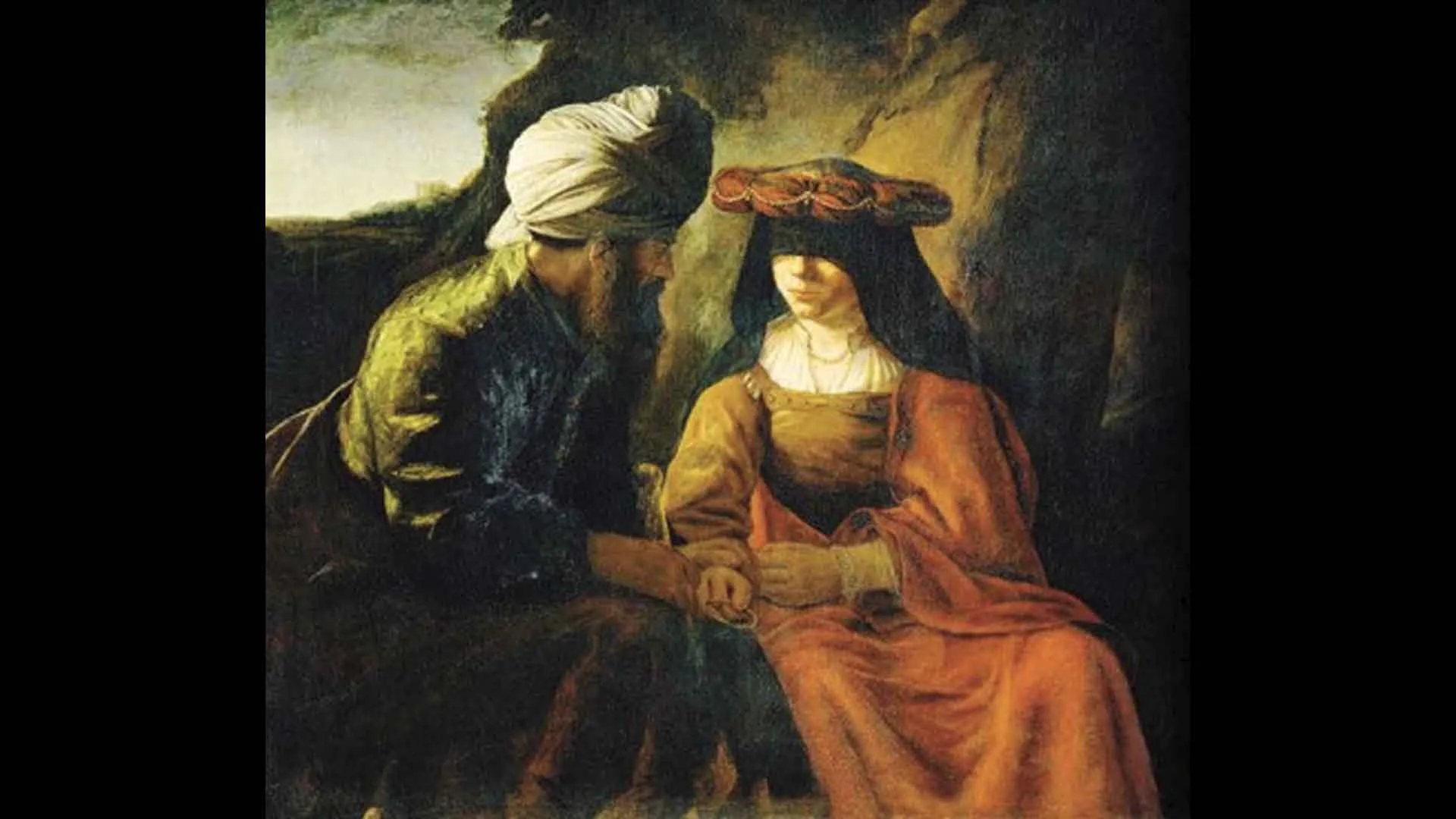
Judah and Tamar, Rembrandt 1650-1700

Avodah Zarah 63: נָתַן לָהּ וְלֹא בָּא עָלֶיהָ

jyungar August 20, 2025

For the source text click/tap here: Avodah Zarah 63

To download, click/tap here: PDF

The Torah teaches that tainted money cannot be used in the Temple. Thus, neither an animal given as payment to a prostitute for her services (etnan zona), nor money paid for purchase of a dog (mekhir kelev) can be used to bring a sacrifice in the Temple (see Sefer Devarim 23:19).

The Gemara brings a baraita that teaches that if payment was made to the prostitute, but he did not make use of her services, or if they engaged in relations but he did not pay her – in both of these cases the money could be used in the Temple. Since this teaching is difficult to understand, the Gemara restates the law – if there was a time lapse between when the money was given and when the act of prostitution took place, e.g., if payment was made beforehand, then the money can be used, assuming that she immediately consecrated it (for otherwise when the act of prostitution takes place, the payment would be forbidden retroactively).

We examine the Torah view of prostitution and how it evolved overt time as well as the archetypal theory of the whore in Jungian theory.

Tags 65th
Comment

Avodah Zarah 62: : וְאֶחָד סוּדָר שֶׁנֶּחְנַק בּוֹ — כּוּלָּם נִקְבָּרִים עִמּוֹ

jyungar August 19, 2025

For the source text click/tap here: Avodah Zarah 62

To download, click/tap here: PDF

Our Gemora explains that if a person was commanded to be killed by a beis din, the sword by which he was killed or the gallows on which he was hung must be buried, just like other objects from which one must not derive benefit.

Rabbi Yaakov Emden's responsum presents a fascinating application of ancient principles to an 18th-century practical situation. When an experienced shochet (ritual slaughterer) sought to acquire "a sharp and polished knife made from the finest metal" and purchased an executioner's sword, he created a halakhic crisis that illuminated fundamental questions about spiritual contamination.

Rabbi Emden's ruling—that no benefit could be derived from an instrument that had killed a person—extends Talmudic principles while revealing the complex relationship between different forms of sanctified violence.

Pischei Teshuvah asserts that Ya’vetz therefore concluded that one mustn’t derive benefit from any object used to kill a person.

Tags 65th
Comment

Mughal Emperor Shah Alam II reviewing East India Company’s troops at Allahabad

"Upon a great holiday of the Muhammadan (12th Rabi’ al-awwal 1181 AH 8th August 1767), by the desire of the great Mogul, the English troops were out to be reviewed by him"

Avodah Zarah 61: דְּבֵי פַּרְזַק רוּפִילָא אוֹתִיבוּ חַמְרָא

jyungar August 18, 2025

For the source text click/tap here: Avodah Zarah 61

To download, click/tap here: PDF

The Gemara relates that men from the house of Parzak the vizier placed wine that had been rendered permitted by Jews who had not yet paid for it in the domain of their gentile sharecroppers. The Rabbis who were studying before Rava thought to say: When are we concerned that two gentiles might be in collusion? This matter applies only in a case where this gentile places items in the domain of that gentile, and vice versa. But here, since the vizier’s sharecroppers are not accustomed to place items in the house of Parzak the vizier, we are not concerned that two gentiles might be in collusion.

The relationship between Jewish communities and governing authorities has been one of the most complex and enduring themes in Jewish history, law, and social organization. The Talmudic passage cited from Bava Batra reveals the intricate legal and practical considerations that arose when Jews had to navigate relationships with gentile authorities—in this case, the "Beit Parzak Rufila" (the house of Parzak the vizier). This ancient discussion of wine storage, sharecroppers, and concerns about collusion between gentiles represents a microcosm of the broader Jewish experience: how to maintain religious integrity and communal autonomy while operating within systems of non-Jewish political and economic power.

Tags 65th
Comment

Avodah Zarah 60: וּזְרָקָהּ בַּחֲמָתוֹ לַבּוֹר

jyungar August 17, 2025

For the source text click/tap here: Avodah Zarah 60

To download, click/tap here: PDF 

The Gemara on our daf discusses a matzera zayera – a wine press where the grapes are squeezed by a board or by a beam that is pressed on them by a non-Jew. Rav Pappi permits such wine, while Rav Ashi – some say Rav Shimi bar Ashi – forbids it. The Gemara explains that all agree that if the press was operated directly by the non-Jew, then the wine would be prohibited. The disagreement comes up only in a case of ko’aḥ koḥo – where the contact of the non-Jew comes from secondary or indirect action.

The mishna teaches: With regard to the case where a gentile took a barrel of wine and threw it, in his anger, into the wine collection vat, this was an incident that occurred, andthe Sages deemed the wine fit for drinking. Rav Ashi says: With regard to any form of contact through which a zav renders an object ritually impure, in a case where a gentilehas that same type of contact with wine, he renders it wine used for a libation. In the case of any form of contact through which a zav does not transmit ritual impurity, leaving an object ritually pure, a gentile does not render the wine with which he has contact wine used for a libation.

We explore anger and rage in the talmud and differences between Jew and Gentile.

Tags 65th
Comment

Avodah Zarah 59: אֶתְרוֹגָא דִּנְפַל לְחָבִיתָא דְּחַמְרָא

jyungar August 16, 2025

For the source text click/tap here: Avodah Zarah 59

To download, click/tap here: PDF

We have learned that a non-Jew who touches wine – and certainly one who libates it in honor of a pagan deity – will make it forbidden for the Jew to benefit from it. What if the non-Jew does this on purpose? Rav Ashi rules that in such a case although it cannot be sold to another non-Jew, nevertheless, he can demand that the non-Jew who poured the wine must pay him for it, as though he had burned it. That is to say, he is not paying to purchase the wine, rather he must pay for the damage that he did.

We explore further the possuk Det 7:25 "You shall consign the images of their gods to the fire; you shall not covet the silver and gold on them and keep it for yourselves, lest you be ensnared thereby; for that is abhorrent to your God” comparing the Netziv with rav Kook on idolatry.

Tags 65th
Comment

Avodah Zarah 58: לְשׁוֹן תּוֹרָה לְעַצְמָהּ, לְשׁוֹן חֲכָמִים לְעַצְמוֹ

jyungar August 15, 2025

For the source text click/tap here: Avodah Zarah 58

To download, click/tap here: PDF

§ Rabbi Asi asked Rabbi Yoḥanan: With regard to wine that a gentile mixed [mesakho]with water, what is the halakha? Rabbi Yoḥanan said to Rabbi Asi: And why not say: Wine that a gentile diluted [mezago] with water, as that is the term that is usually used?

Rabbi Asi said to Rabbi Yoḥanan: I say wine that was mixed, as it is written:

“She has prepared her meat, she has mixed [maskha] her wine” (Proverbs 9:2).

Rabbi Yoḥanan said to Rabbi Asi: While it is true that this is the language of the Bible, the language of the Torah is a language in itself, and the language of the Sages is a language in itself, i.e., the terminology of the Bible is not the same as the terminology employed by the Sages.

We explore the way talmud and midrash makes use of the book of Proverbs.

Tags 65th
Comment

Avodah Zarah 57: טְרוֹק גַּלֵּי, דְּלָא נֵיתוֹ אִינָשֵׁי דְּנִיטְרֹיד

jyungar August 14, 2025

For the source text click/tap here: Avodah Zarah 57

To download, click/tap here: PDF

Our daf is a detailed exploration of who may drink from wine touched by a Gentile and who may use that wine for libations. For each different category of person, the rabbis consider the possible outcomes.

The people mentioned include Gentiles, Gentile minors (those who do not understand idolatry), Gentile infants (those who have not been exposed to idolatry), Jewish slaves, Jewish maidservants, Gentile slaves, Gentile maidservants, the sons of Gentile slaves and the sons of Gentile maidservants.

§ The Gemara relates: There was a certain incident in Meḥoza in which a gentile came and entered the store of a Jew. The gentile said to the owners: Do you have any wine to sell? They said to him: No. There was wine sitting in a bucket. The gentile put his hand in itand stirred the wine around. The gentile said to them: This, is it not wine? The otherperson, i.e., the storeowner, took the bucket and, in his anger, threw its contents into a barrel of wine.

Rav Huna, son of Rav Naḥman, happened to come to Meḥoza. Rava said to his attendant, Rav Elyakim: Close, close the gates, so that people who might disturb us should not come, and we may focus on clarifying the matter.

We explore the city of mechoza its people economy and how it differed halachically from the main centers of learning like Pumpedita.

Tags 65th
Comment

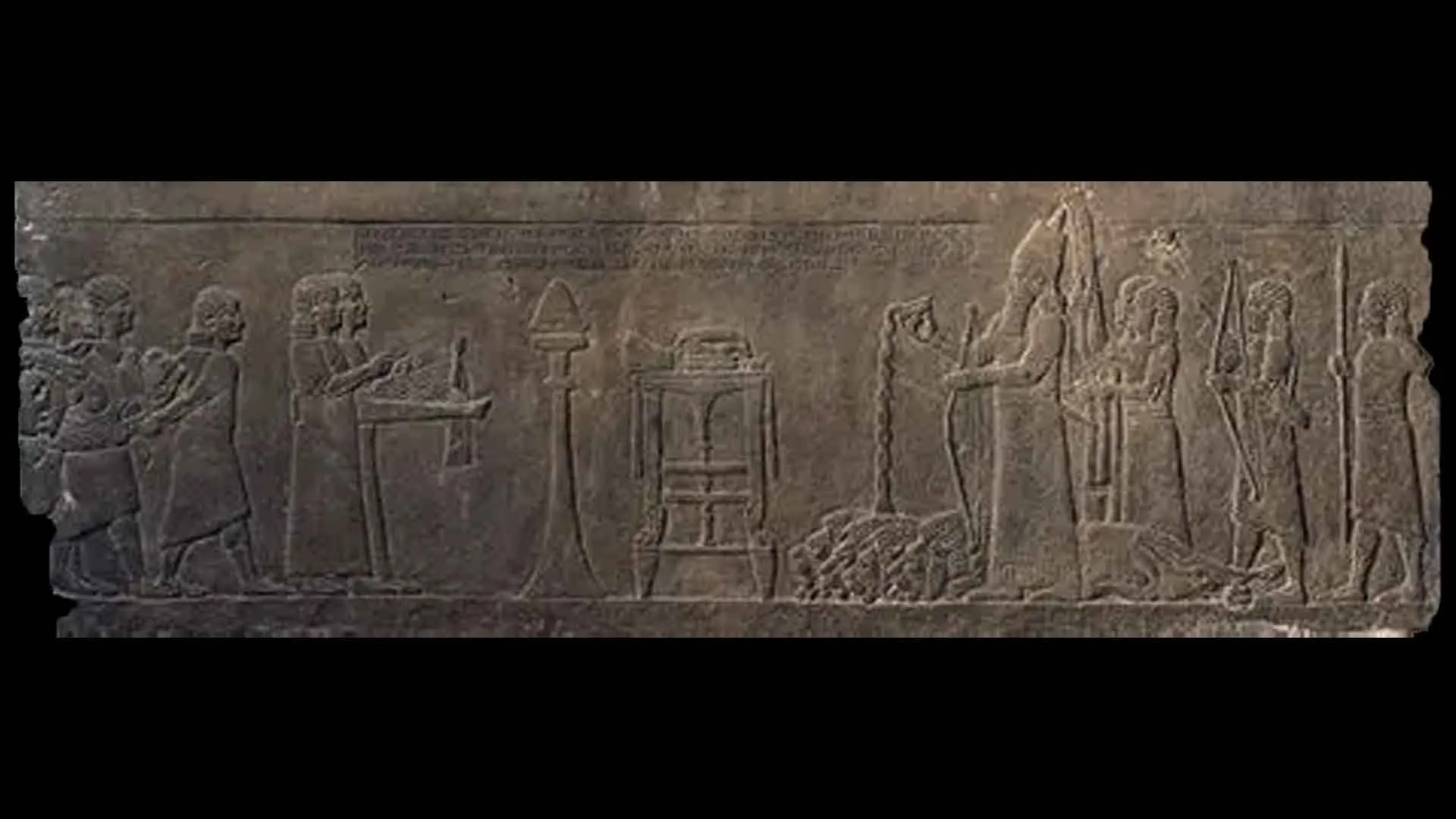
King Ashurnasirpal II hunting lions (BM inv. no. 124534; reg. no. 1847,0623.11); relief scene, gypsum; NW Palace, Nimrud (mod. Iraq); Neo-Assyrian, ca. 865–860 bce

Avodah Zarah 56: וְאֵינוֹ עוֹשֶׂה יֵין נֶסֶךְ עַד שֶׁיֵּרֵד לְבוֹר

jyungar August 13, 2025

For the source text click/tap here: Avodah Zarah 56

To download, click/tap here: PDF

Beginning with the Mishna on daf 55a, Massekhet Avoda Zara begins to focus on the laws of yayin nesekh – wine forbidden to Jews because it has been sacrificed as a libation to pagan idols. Due to this concern, the Sages forbid all wine with which non-Jews come in contact. The Mishna teaches that as long as the grapes are still in the process of being squeezed in the wine press – even if there are non-Jews who are touching the grapes and placing them in the press to be tread upon – they will not be considered to have become yayin nesekh. The juice is only considered to have become wine when it flows out of the press and into the collection vats.

We examine the notion of wine (and water) libations in antiquity.

Tags 65th
Comment

Avodah Zarah 55: וְכִי מִפְּניֵ שֶׁשּׁוֹטֶה זהֶ עשָָׂה שֶׁלּאֹ כַּהוֹגןֶ אנָוּ נאְבַּדֵ אתֶ אמֱוּנתָיֵנוּ

jyungar August 12, 2025

For the source text click/tap here: Avodah Zarah 55

To download, click/tap here: PDF

A man named Zunim asked Rabbi Akiva to explain why it is that we sometimes find that a person who goes to a house of idol worship becomes healed from illnesses and broken limbs.

Rabbi Akiva answered that an illness is a messenger sent by the heavens to afflict a person, and the illness is charged with a detailed mission. The illness is administered an oath as to precisely when it can begin to afflict its victim.

It is also charged with instructions regarding the day and hour it must depart from him, as a result of which doctor, and through which medicine.

Rabbi Akiva explained that the person who is sick will have the illness leave his body under the prescribed conditions, wherever he might be at that time. The truth is that the illness protests and prefers not to leave a body if the sick person happens to be in a house of idolatry at that moment, so that no credit be given to the idol.

We explore the parable of Rabbi Akiva and how it relates to his theology.

Tags 65th
Comment

Avodah Zarah 54: מִפְּנֵי מָה מִתְקַנֵּא בְּעוֹבְדֶיהָ וְאֵין מִתְקַנֵּא בָּהּ

jyungar August 11, 2025

For the source text click/tap here: Avodah Zarah 54

To download, click/tap here: PDF

Our Gemara relates:

Philosophers asked the Jewish Sages in Rome, “If your God has no desire for idolatry, why does He not abolish it?”

They replied, “If it was something of which the world has no need that was worshipped, He would abolish it; but people worship the sun, moon, stars and planets; should He destroy the universe on account of fools? The world pursues its natural course, and as for the fools who act wrongly, they will have to render an account.

The “philosophers” who engaged the Sages in conversation – both in Rome and in Greece – did not truly believe in pagan gods as divine. Nevertheless, since they lived in cultures that were steeped in avoda zara, they did consider the possibility that there was some measure of truth in it.

The conversation/debates that we find recorded were part of an attempt to ascertain the truth of the matter by means of engagement with the Jewish Sages.

The remarkable parables allows us to explore hidden theologies embedded in the fictional narratives as a literary tool.

Tags 65th
Comment

Avodah Zarah 53: רָקַק בְּפָנֶיהָ, וְהִשְׁתִּין בְּפָנֶיהָ

jyungar August 10, 2025

For the source text click/tap here: Avodah Zarah 53

To download, click/tap here: PDF

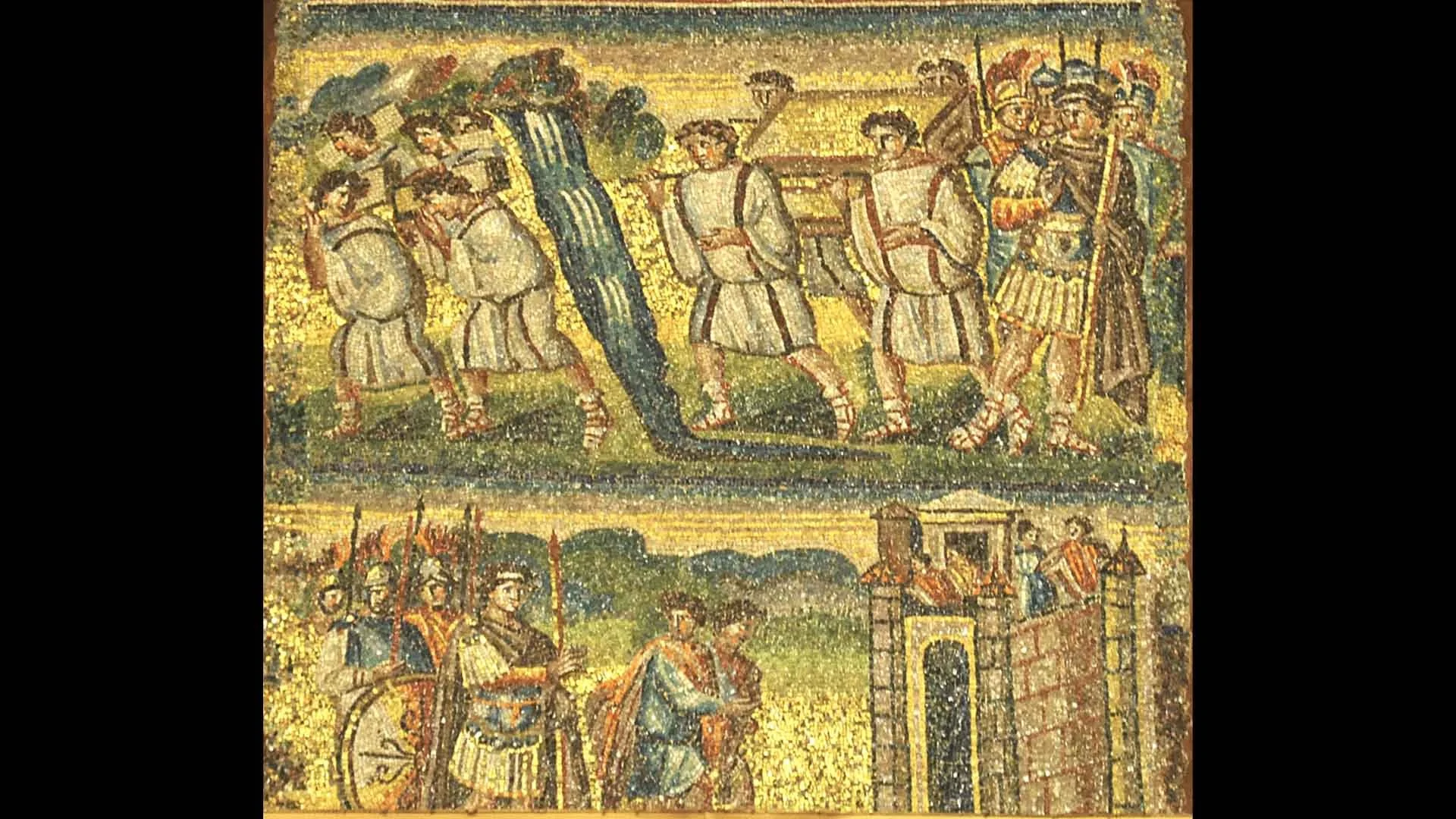
The Talmudic passage in Avodah Zarah 53b presents a fascinating case study in rabbinic hermeneutics, where the sages invoke the war of Joshua (milḥemet Yehoshua) as a legal paradigm for determining the status of abandoned idolatrous objects. This seemingly straightforward halakhic discussion reveals profound tensions between historical narrative and legal precedent, between memory and law, and between theological meaning and practical jurisprudence.

Tags 65th
Comment
  • Daf Ditty
  • Older
  • Newer

Julian Ungar-Sargon

This is Julian Ungar-Sargon's personal website. It contains poems, essays, and podcasts for the spiritual seeker and interdisciplinary aficionado.​