Julian Ungar-Sargon

  • Home
  • Theological Essays
  • Healing Essays
  • Podcast
  • Poetry
  • Daf Ditty
  • Deep Dive Ditty
  • Videos
  • Publications
  • Military Service
  • Dominican University
  • Home
  • Theological Essays
  • Healing Essays
  • Podcast
  • Poetry
  • Daf Ditty
  • Deep Dive Ditty
  • Videos
  • Publications
  • Military Service
  • Dominican University
Julian Ungar-Sargon copy 3.jpg

Daf Ditty

A wide-ranging commentary on the daily page of Talmud.

Mughal Emperor Shah Alam II reviewing East India Company’s troops at Allahabad

"Upon a great holiday of the Muhammadan (12th Rabi’ al-awwal 1181 AH 8th August 1767), by the desire of the great Mogul, the English troops were out to be reviewed by him"

Avodah Zarah 61: דְּבֵי פַּרְזַק רוּפִילָא אוֹתִיבוּ חַמְרָא

jyungar August 18, 2025

For the source text click/tap here: Avodah Zarah 61

To download, click/tap here: PDF

The Gemara relates that men from the house of Parzak the vizier placed wine that had been rendered permitted by Jews who had not yet paid for it in the domain of their gentile sharecroppers. The Rabbis who were studying before Rava thought to say: When are we concerned that two gentiles might be in collusion? This matter applies only in a case where this gentile places items in the domain of that gentile, and vice versa. But here, since the vizier’s sharecroppers are not accustomed to place items in the house of Parzak the vizier, we are not concerned that two gentiles might be in collusion.

The relationship between Jewish communities and governing authorities has been one of the most complex and enduring themes in Jewish history, law, and social organization. The Talmudic passage cited from Bava Batra reveals the intricate legal and practical considerations that arose when Jews had to navigate relationships with gentile authorities—in this case, the "Beit Parzak Rufila" (the house of Parzak the vizier). This ancient discussion of wine storage, sharecroppers, and concerns about collusion between gentiles represents a microcosm of the broader Jewish experience: how to maintain religious integrity and communal autonomy while operating within systems of non-Jewish political and economic power.


Tags 65th
Comment

Avodah Zarah 60: וּזְרָקָהּ בַּחֲמָתוֹ לַבּוֹר

jyungar August 17, 2025

For the source text click/tap here: Avodah Zarah 60

To download, click/tap here: PDF 

The Gemara on our daf discusses a matzera zayera – a wine press where the grapes are squeezed by a board or by a beam that is pressed on them by a non-Jew. Rav Pappi permits such wine, while Rav Ashi – some say Rav Shimi bar Ashi – forbids it. The Gemara explains that all agree that if the press was operated directly by the non-Jew, then the wine would be prohibited. The disagreement comes up only in a case of ko’aḥ koḥo – where the contact of the non-Jew comes from secondary or indirect action.

The mishna teaches: With regard to the case where a gentile took a barrel of wine and threw it, in his anger, into the wine collection vat, this was an incident that occurred, andthe Sages deemed the wine fit for drinking. Rav Ashi says: With regard to any form of contact through which a zav renders an object ritually impure, in a case where a gentilehas that same type of contact with wine, he renders it wine used for a libation. In the case of any form of contact through which a zav does not transmit ritual impurity, leaving an object ritually pure, a gentile does not render the wine with which he has contact wine used for a libation.

We explore anger and rage in the talmud and differences between Jew and Gentile.

Tags 65th
Comment

Avodah Zarah 59: אֶתְרוֹגָא דִּנְפַל לְחָבִיתָא דְּחַמְרָא

jyungar August 16, 2025

For the source text click/tap here: Avodah Zarah 59

To download, click/tap here: PDF

We have learned that a non-Jew who touches wine – and certainly one who libates it in honor of a pagan deity – will make it forbidden for the Jew to benefit from it. What if the non-Jew does this on purpose? Rav Ashi rules that in such a case although it cannot be sold to another non-Jew, nevertheless, he can demand that the non-Jew who poured the wine must pay him for it, as though he had burned it. That is to say, he is not paying to purchase the wine, rather he must pay for the damage that he did.

We explore further the possuk Det 7:25 "You shall consign the images of their gods to the fire; you shall not covet the silver and gold on them and keep it for yourselves, lest you be ensnared thereby; for that is abhorrent to your God” comparing the Netziv with rav Kook on idolatry.

Tags 65th
Comment

Avodah Zarah 58: לְשׁוֹן תּוֹרָה לְעַצְמָהּ, לְשׁוֹן חֲכָמִים לְעַצְמוֹ

jyungar August 15, 2025

For the source text click/tap here: Avodah Zarah 58

To download, click/tap here: PDF

§ Rabbi Asi asked Rabbi Yoḥanan: With regard to wine that a gentile mixed [mesakho]with water, what is the halakha? Rabbi Yoḥanan said to Rabbi Asi: And why not say: Wine that a gentile diluted [mezago] with water, as that is the term that is usually used?

Rabbi Asi said to Rabbi Yoḥanan: I say wine that was mixed, as it is written:

“She has prepared her meat, she has mixed [maskha] her wine” (Proverbs 9:2).

Rabbi Yoḥanan said to Rabbi Asi: While it is true that this is the language of the Bible, the language of the Torah is a language in itself, and the language of the Sages is a language in itself, i.e., the terminology of the Bible is not the same as the terminology employed by the Sages.

We explore the way talmud and midrash makes use of the book of Proverbs.

Tags 65th
Comment

Avodah Zarah 57: טְרוֹק גַּלֵּי, דְּלָא נֵיתוֹ אִינָשֵׁי דְּנִיטְרֹיד

jyungar August 14, 2025

For the source text click/tap here: Avodah Zarah 57

To download, click/tap here: PDF

Our daf is a detailed exploration of who may drink from wine touched by a Gentile and who may use that wine for libations. For each different category of person, the rabbis consider the possible outcomes.

The people mentioned include Gentiles, Gentile minors (those who do not understand idolatry), Gentile infants (those who have not been exposed to idolatry), Jewish slaves, Jewish maidservants, Gentile slaves, Gentile maidservants, the sons of Gentile slaves and the sons of Gentile maidservants.

§ The Gemara relates: There was a certain incident in Meḥoza in which a gentile came and entered the store of a Jew. The gentile said to the owners: Do you have any wine to sell? They said to him: No. There was wine sitting in a bucket. The gentile put his hand in itand stirred the wine around. The gentile said to them: This, is it not wine? The otherperson, i.e., the storeowner, took the bucket and, in his anger, threw its contents into a barrel of wine.

Rav Huna, son of Rav Naḥman, happened to come to Meḥoza. Rava said to his attendant, Rav Elyakim: Close, close the gates, so that people who might disturb us should not come, and we may focus on clarifying the matter.

We explore the city of mechoza its people economy and how it differed halachically from the main centers of learning like Pumpedita.

Tags 65th
Comment

King Ashurnasirpal II hunting lions (BM inv. no. 124534; reg. no. 1847,0623.11); relief scene, gypsum; NW Palace, Nimrud (mod. Iraq); Neo-Assyrian, ca. 865–860 bce

Avodah Zarah 56: וְאֵינוֹ עוֹשֶׂה יֵין נֶסֶךְ עַד שֶׁיֵּרֵד לְבוֹר

jyungar August 13, 2025

For the source text click/tap here: Avodah Zarah 56

To download, click/tap here: PDF

Beginning with the Mishna on daf 55a, Massekhet Avoda Zara begins to focus on the laws of yayin nesekh – wine forbidden to Jews because it has been sacrificed as a libation to pagan idols. Due to this concern, the Sages forbid all wine with which non-Jews come in contact. The Mishna teaches that as long as the grapes are still in the process of being squeezed in the wine press – even if there are non-Jews who are touching the grapes and placing them in the press to be tread upon – they will not be considered to have become yayin nesekh. The juice is only considered to have become wine when it flows out of the press and into the collection vats.

We examine the notion of wine (and water) libations in antiquity.

Tags 65th
Comment

Avodah Zarah 55: וְכִי מִפְּניֵ שֶׁשּׁוֹטֶה זהֶ עשָָׂה שֶׁלּאֹ כַּהוֹגןֶ אנָוּ נאְבַּדֵ אתֶ אמֱוּנתָיֵנוּ

jyungar August 12, 2025

For the source text click/tap here: Avodah Zarah 55

To download, click/tap here: PDF

A man named Zunim asked Rabbi Akiva to explain why it is that we sometimes find that a person who goes to a house of idol worship becomes healed from illnesses and broken limbs.

Rabbi Akiva answered that an illness is a messenger sent by the heavens to afflict a person, and the illness is charged with a detailed mission. The illness is administered an oath as to precisely when it can begin to afflict its victim.

It is also charged with instructions regarding the day and hour it must depart from him, as a result of which doctor, and through which medicine.

Rabbi Akiva explained that the person who is sick will have the illness leave his body under the prescribed conditions, wherever he might be at that time. The truth is that the illness protests and prefers not to leave a body if the sick person happens to be in a house of idolatry at that moment, so that no credit be given to the idol.

We explore the parable of Rabbi Akiva and how it relates to his theology.

Tags 65th
Comment

Avodah Zarah 54: מִפְּנֵי מָה מִתְקַנֵּא בְּעוֹבְדֶיהָ וְאֵין מִתְקַנֵּא בָּהּ

jyungar August 11, 2025

For the source text click/tap here: Avodah Zarah 54

To download, click/tap here: PDF

Our Gemara relates:

Philosophers asked the Jewish Sages in Rome, “If your God has no desire for idolatry, why does He not abolish it?”

They replied, “If it was something of which the world has no need that was worshipped, He would abolish it; but people worship the sun, moon, stars and planets; should He destroy the universe on account of fools? The world pursues its natural course, and as for the fools who act wrongly, they will have to render an account.

The “philosophers” who engaged the Sages in conversation – both in Rome and in Greece – did not truly believe in pagan gods as divine. Nevertheless, since they lived in cultures that were steeped in avoda zara, they did consider the possibility that there was some measure of truth in it.

The conversation/debates that we find recorded were part of an attempt to ascertain the truth of the matter by means of engagement with the Jewish Sages.

The remarkable parables allows us to explore hidden theologies embedded in the fictional narratives as a literary tool.

Tags 65th
Comment

Avodah Zarah 53: רָקַק בְּפָנֶיהָ, וְהִשְׁתִּין בְּפָנֶיהָ

jyungar August 10, 2025

For the source text click/tap here: Avodah Zarah 53

To download, click/tap here: PDF

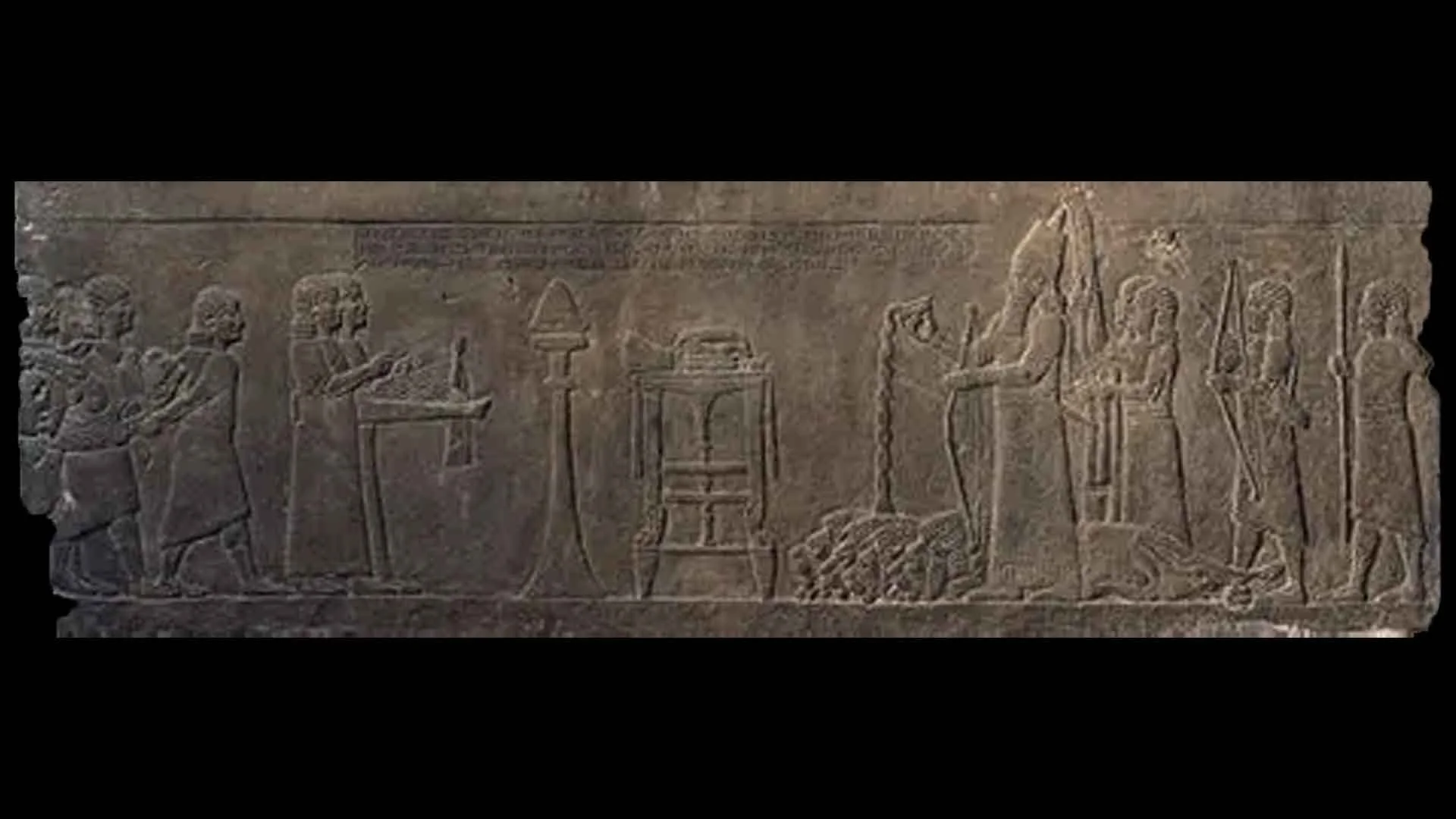
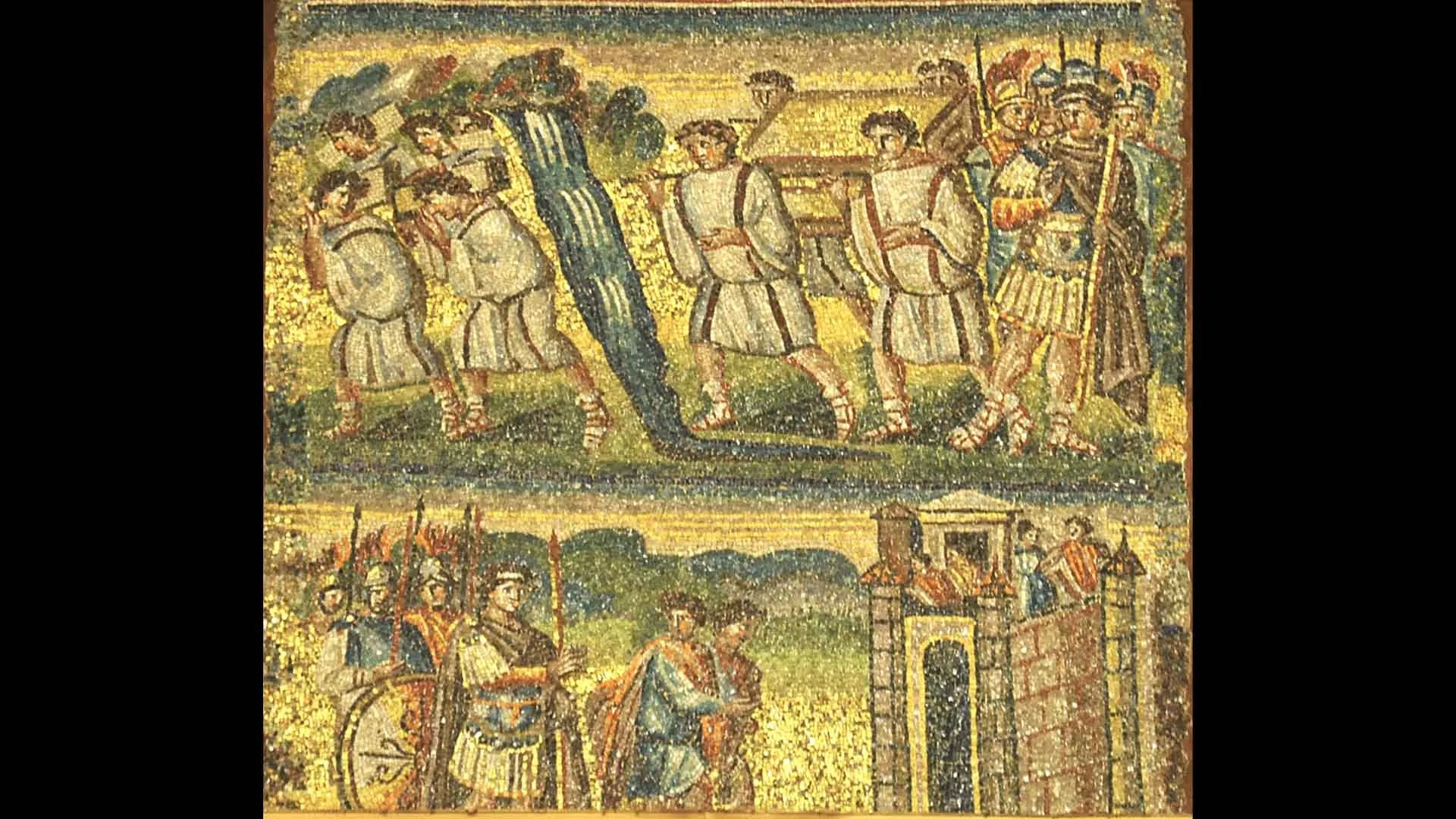
The Talmudic passage in Avodah Zarah 53b presents a fascinating case study in rabbinic hermeneutics, where the sages invoke the war of Joshua (milḥemet Yehoshua) as a legal paradigm for determining the status of abandoned idolatrous objects. This seemingly straightforward halakhic discussion reveals profound tensions between historical narrative and legal precedent, between memory and law, and between theological meaning and practical jurisprudence.

Tags 65th
Comment

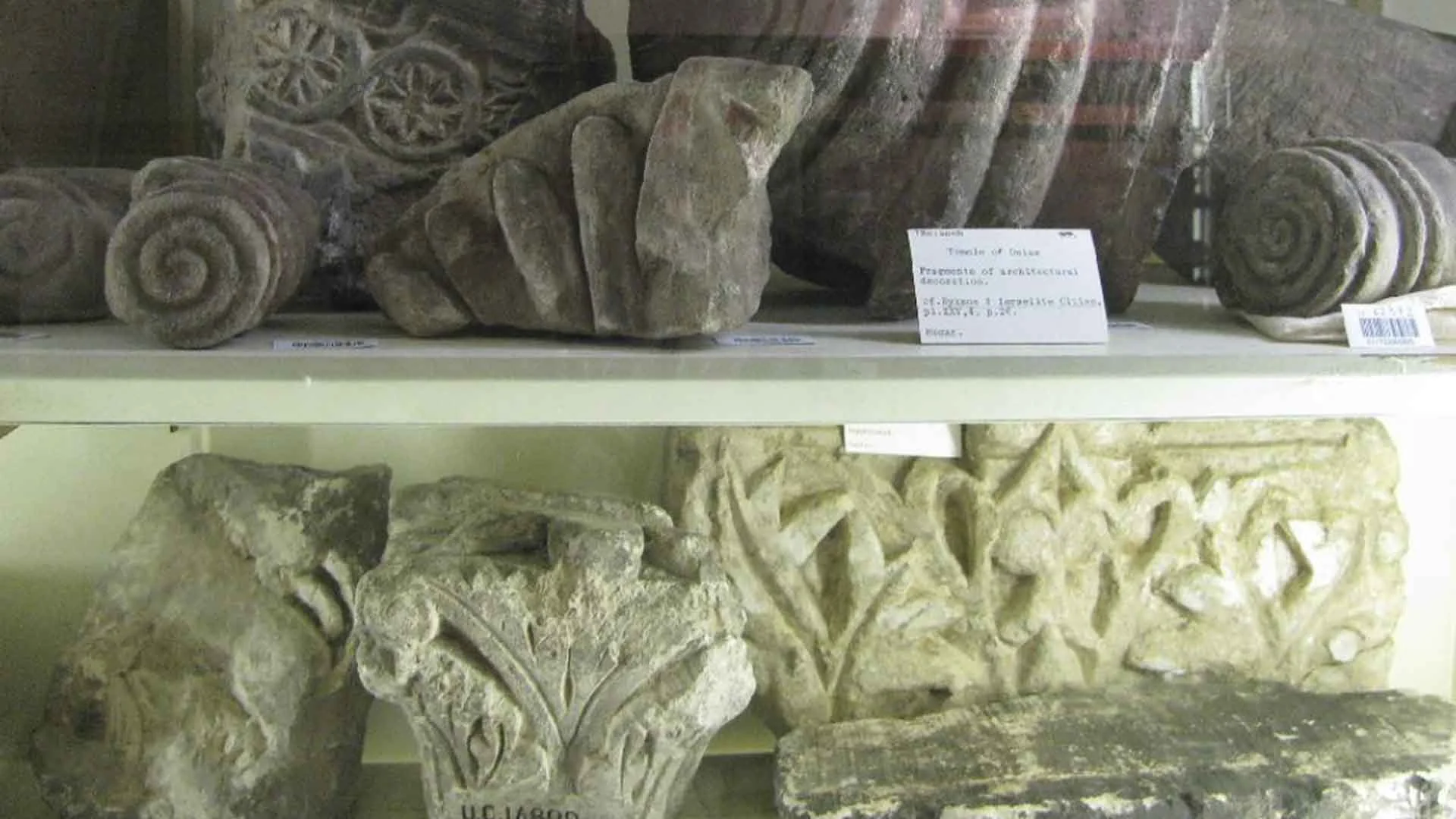
Temple of Onias - fragments

Avodah Zarah 52: כֵּלִים שֶׁשִּׁימְּשׁוּ בָּהֶן בְּבֵית חוֹנְיוֹ

jyungar August 9, 2025

For the source text click/tap here: Avodah Zarah 52

To download, click/tap here: PDF

Aside from the first and second Temples in Jerusalem, the only other Jewish Temples where sacrifices were brought were built by Jewish priests in Egypt. Rabbi Yosei ben Shaul asked Rabbi Yehuda HaNasi whether the utensils used in Beit Ḥonyo – the Temple of Onias – could be used in the Jewish Temple, as well.

The Gemara in Menaḥot (109b) quotes a baraita that brings two opinions about the Temple of Onias. According to Rabbi Meir, that temple was a place of pagan idol worship; Rabbi Yehuda rules that only Jewish sacrifices to God were brought there. Rashi explains that according to Rabbi Meir’s opinion it is obvious that the utensils used there cannot be used in the Temple in Jerusalem, since they are avoda zara, which is forbidden for ordinary use, and certainly for use in the Temple.

Thus, the question is posed only according to Rabbi Yehuda. Although the priests who performed the sacrificial service in the Temple of Onias were disqualified from serving in the Temple in Jerusalem, perhaps that is only because they should have been aware of their indiscretion and are penalized for it; the utensils, however, have no free will, and therefore may remain permitted.

Tags 65th
Comment

Avodah Zarah 51: בְּטוֹבָה — בְּטוֹבַת כּוֹמָרִין

jyungar August 8, 2025

For the source text click/tap here: Avodah Zarah 51

To download, click/tap here: PDF

According to the Mishna on our daf, if there is a garden or bathhouse attached to the ground of avoda zara, one is permitted to benefit from them she-lo be-tova – if he does not have to pay for that benefit – be-tova, however, that is, if he has to pay for it, then it would be forbidden. In the Gemara, Abaye explains that that be-tova and she-lo be-tova refer to tovat komarim – whether the money will go to pay the idolatrous priests. If the money simply will go to people who are worshippers, then it is of no concern to us.

We continue the exploration of the accouterments of idolatry.

Tags 65th
Comment

Avodah Zarah 50: דְּמֵעִיקָּרָא תַּבּוֹרֵי מִיתַּבְּרִי

jyungar August 7, 2025

For the source text click/tap here: Avodah Zarah 50

To download, click/tap here: PDF

Following the destruction of the second Temple, the house belonging to King Yannai was abandoned and fell into disrepair. Ultimately, pagans entered the house and placed an idol dedicated to Mercury in it.

Later on, other non-Jews who did not believe in Mercury as a deity removed the stones from the building and used them to pave the paths and streets of the city.

This led to a disagreement among the Sages. Some of them refused to walk on the newly paved streets, lest they benefit from the stones that had been consecrated to the worship of Mercury. Others had no such compunctions and walked on them without concern. Rabbi Yoḥanan ruled: The “son of holy ones” – referring to Rabbi Menaḥem the son of Rabbi Simai – walks on these streets, how can we do otherwise?

We explore the mythic history of Mercury as a pagan deity and the rabbinic skill in negotiating the Torah law vs expedience down to Jung’s archetypal treatment of mercury in the ensouling process.

Tags 65th
Comment

Avodah Zarah 49: עֲבוֹדָה זָרָה אֵינָהּ בְּטֵלָה אֶלָּא דֶּרֶךְ גְּדִילָתָהּ

jyungar August 6, 2025

For the source text click/tap here: Avodah Zarah 49

To download, click/tap here: PDF

The Rabanan and Rebbi Yosi argue in the Mishnah about whether one is permitted to plant vegetables beneath an Asheirah tree in the winter. The Rabanan permit it, because the shade of the Asheirah tree does not benefit the vegetables planted beneath it during the winter. Rebbi Yosi prohibits it, because the foliage of the Asheirah fall on the vegetables, serving as fertilizer and helping them to grow. Since the vegetables grow due to the effects of something permitted (the nutrients in the soil) and the effects of something prohibited (the leaves of the Asheirah tree), it is a situation of "Zeh v'Zeh Gorem." Rebbi Yosi maintains that the Halachah in a case of "Zeh v'Zeh Gorem" is that the object is forbidden. This is the way the Gemara originally understands the opinion of Rebbi Yosi.

We explore the tree in ancient traditions and the evolution of the sacred grove.

Tags 65th
Comment

Avodah Zarah 48: כֹּל שֶׁכּוֹמָרִים יוֹשְׁבִין תַּחְתֶּיהָ

jyungar August 5, 2025

For the source text click/tap here: Avodah Zarah 48

To download, click/tap here: PDF

The Mishnayot on today’s daf focus on the ashera and attempt to define what such a tree is. According to the Mishna, there are three types of ashera –

A tree planted specifically for avoda zara

A tree that was sculpted or pruned in the name of avoda zara

A tree where an idol was placed underneath it.

In the first case, there is nothing that can be done. Such a tree is an ashera and must be destroyed. In the second case, although the tree that is formed is forbidden, if the tree continues growing, what grows anew is not considered to be avoda zara and is permitted. In the final case, according to the tanna of the Mishna, if the idol was removed, the tree is permitted.

We explore the notion of sacred contamination, how the shade under the tree might be sufficient to convey tumor as well as how COVID epidemic evoked the apocalypse.

Tags 65th
Comment

Avodah Zarah 47: הוֹאִיל וְלַצּוּרָה הֵן עוֹבְדִין, נַתִּיר לָהֶן אֶת הָאִילָן

jyungar August 4, 2025

For the source text click/tap here: Avodah Zarah 47

To download, click/tap here: PDF

The question is regarding a tree that was planted (for regular purposes) and only later worshipped. The question is not according to Rabbi Yosi bar Yehudah, as he would hold it is certainly forbidden, even to a regular person.

The question is according to the Rabbis. Do we say that this lulav can no longer be used for a mitzvah as it is repulsive for the Highest, for it has been used as an idol, or not? When Rav Dimi came (to Bavel), he said: The question was asked regarding an asheirah tree (which was even forbidden for mundane purposes) that was nullified. Do we say that there is permanent rejection regarding mitzvos aside or not?

We continue our exploration of the Ashera prohibition and derivative laws thereof.

Tags 65th
Comment

Avodah Zarah 46: אַבְנֵי הַר שֶׁנִּדַּלְדְּלוּ

jyungar August 3, 2025

For the source text click/tap here: Avodah Zarah 46

To download, click/tap here: PDF

Our Gemara discusses a case of avanim she-nidaldelu – rocks that broke off of the mountain (Rabbeinu Ḥananel suggests that they did not break off entirely but are now only partially connected to the mountain). If someone were to pray to these rocks, would they become forbidden, or will we argue that they still have had no human intervention and as such will remain permitted? The Gemara presents two opinions on this matter – Rabbi Yoḥanan and Rabbi Ḥiyya’s sons, Ḥizkiyya and Yehuda. According to one of them the fact that there has been no human intervention is most important, and we are not concerned with the fact that the rocks are no longer connected to the mountain, since animals, too, are not connected, yet they cannot become forbidden.

We explore the demythologization of nature in the TORAH and the remythologiation in kabbalah and chassidut.

Tags 65th
Comment

Asherah 13th century BC Israel Museum

Avodah Zarah 45: אִילָן שֶׁנְּטָעוֹ וּלְבַסּוֹף עֲבָדוֹ

jyungar August 2, 2025

For the source text click/tap here: Avodah Zarah 45

To download, click/tap here: PDF

The Mishna teaches that hills that are worshipped do not become forbidden to Jews, although what is on those hills may become forbidden. The passage that is the source for this prohibition appears in Sefer Devarim (7:25) where the Torah forbids the gold and silver that are on them, but the ground itself cannot become forbidden.

One exception mentioned by the Mishna is the Ashera tree, which, although it is part-and-parcel of the land, nevertheless has been fashioned, in a sense, by human activity, since it was planted.

The basic halakhic question involves trees that were planted naturally but later used for idolatrous worship. The Talmud establishes three categories: "There are three laws of Asherot forbidden due to idolatry... If a tree was originally planned to be worshiped, it is forbidden; If one cut it, leaving the stump or the branches in order to worship the new growth, if the new growth is removed, the tree is permitted"

R. Akiva's approach, however, transcends these narrow categories. His insistence that certain geographical configurations inherently signal idolatrous activity suggests a worldview in which natural phenomena participate in cosmic patterns of meaning.

We explore the history of Ashera worship and also what might be called "controlled re-enchantment"—acknowledging symbolic power in creation while maintaining monotheistic boundaries. 

Tags 65th
Comment

Avodah Zarah 44: תְּשׁוּבָה גְּנוּבָה הֱשִׁיבוֹ

jyungar August 1, 2025

For the source text click/tap here: Avodah Zarah 44

To download, click/tap here: PDF

Proclus the son of Plospus met Rabban Gamliel while bathing in the Greek goddess Aphrodite’s bathhouse in Akko and asked him how he could bathe there, given the clear prohibition in the Torah against benefiting from pagan idols. According to the Mishna, he went so far as to quote the passage in Sefer Devarim (13:18) that is the source for the prohibition.

Rabban Gamliel said to him “I cannot respond to you and discuss Torah ideas in the bathhouse.”

Upon exiting, Rabban Gamliel did respond to the question posed by Proclus.

Aphrodite was the Greek goddess of beauty, and she was represented by a beautiful, young female form, which is why statues of her were often used for decoration, rather than as an idol to be worshipped.

We explore The Bathhouse of Aphrodite: as a Case Study in Rabbinic Subterfuge.

Tags 65th
Comment

THE MORGAN LIBRARY & MUSEUM/ART RESOURCE, NY

Avodah Zarah 43: כְּמִין זַכְרוּת עָשְׂתָה לָהּ

jyungar July 31, 2025

For the source text click/tap here: Avodah Zarah 43

To download, click/tap here: PDF

Our Daf preserves a fascinating rabbinic debate that illuminates both the enduring significance of Maacah bat Absalom's story and the complex halakhic questions it raises. In this passage, Rabbi Yosei cites the destruction of Maacah's Asherah image as a precedent in a discussion about the disposal of idolatrous objects:

Rabbi Yosei said to them: But isn't it already stated concerning Asa: "And he also removed Maacah his mother from being queen, because she had made an abominable image [miflatztah] for an ashera; and Asa cut down her image, and burned it at the Kidron River" (see I Kings 15:13)?

It seems that Asa was unconcerned that the ground-up idol may provide fertilization. They said to him: You seek to bring proof from there? The Kidron River does not grow vegetation,so even if the idol would have fertilized the soil, it would have been of no benefit.

This rabbinic exchange reveals how later Jewish interpretation grappled with the practical and theological implications of Maacah's idolatry.

Tags 65th
Comment

Avodah Zarah 42: כׇּל הַפַּרְצוּפוֹת מוּתָּרִין חוּץ מִפַּרְצוּף אָדָם

jyungar July 30, 2025

For the source text click/tap here: Avodah Zarah 42

To download, click/tap here: PDF

Certain images were known to represent idols, and when found on different utensils may indicate that they are used for avoda zara. The Mishna on today’s daf teaches that when someone finds utensils that have on them images of the sun, the moon or a derakon, they must be cast into the Dead Sea. Rabban Shimon ben Gamliel distinguishes between important utensils, which can be assumed to be used for idol worship, and simple utensils – like pots and pans – that are permitted even if they have such images on them.

In his Commentary to the Mishna, the Rambam explains that the references to the sun and the moon do not relate to simple drawings of these heavenly bodies, but rather they refer to a Zodiac wheel like one prepared by astrologers, that gives a form to each of the signs of the Zodiac, with a figure representing the sun in the middle.

Tags 65th
Comment
  • Daf Ditty
  • Older
  • Newer

Julian Ungar-Sargon

This is Julian Ungar-Sargon's personal website. It contains poems, essays, and podcasts for the spiritual seeker and interdisciplinary aficionado.​