
For the source text click/tap here: Chullin 129
To download, click/tap here: PDF
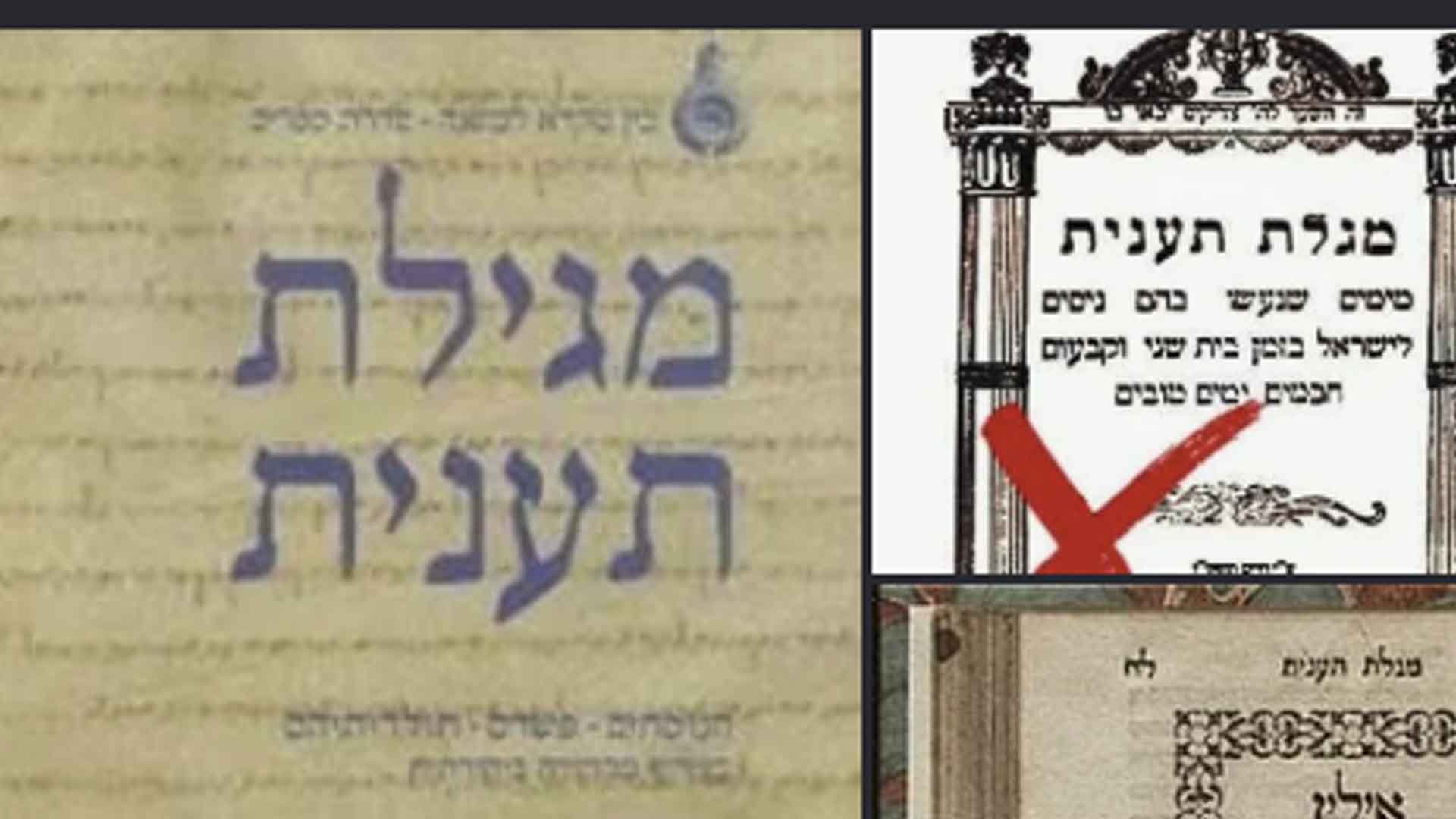
To prove his point regarding a question of ritual defilement, Rabbi Yehoshua points to a rule that appears in Megillat Ta’anit.
In Megillat Ta’anit we find the tradition taught that on “Minor Passover” – that is, on the 14th day of Iyyar when the Passover sacrifice was brought by those who were impure or were situated such that they could not bring the sacrifice on the 14th of Nisan as required (see Bamidbar Chapter 9) – no mourning or eulogies were permitted. Rabbi Yehoshua concludes by means of an a fortiori argument that on the Pesaḥ holiday itself there is no question that eulogies are forbidden.
We explore how does halakhah merely regulate the objects of the world, or does it partly constitute what those objects are? Posed that way it invites a clean answer, and the cleanest answers on offer are both wrong.
The instrumentalist answer — law is a management system laid over a finished world — cannot account for the way the Talmud talks about meat that has become something, about taste that carries, about a vessel that acquires a handle it did not have a moment before.
The maximalist answer — halakhic speech reweaves matter — cannot account for why the same tractate spends hundreds of columns worrying about volumes, ratios, doubts, and the precise physical mode by which flavor moved from one pot to another. If the loom were really a loom, why the ledger?