
For the source text click/tap here: Chullin 107
To download, click/tap here: PDF
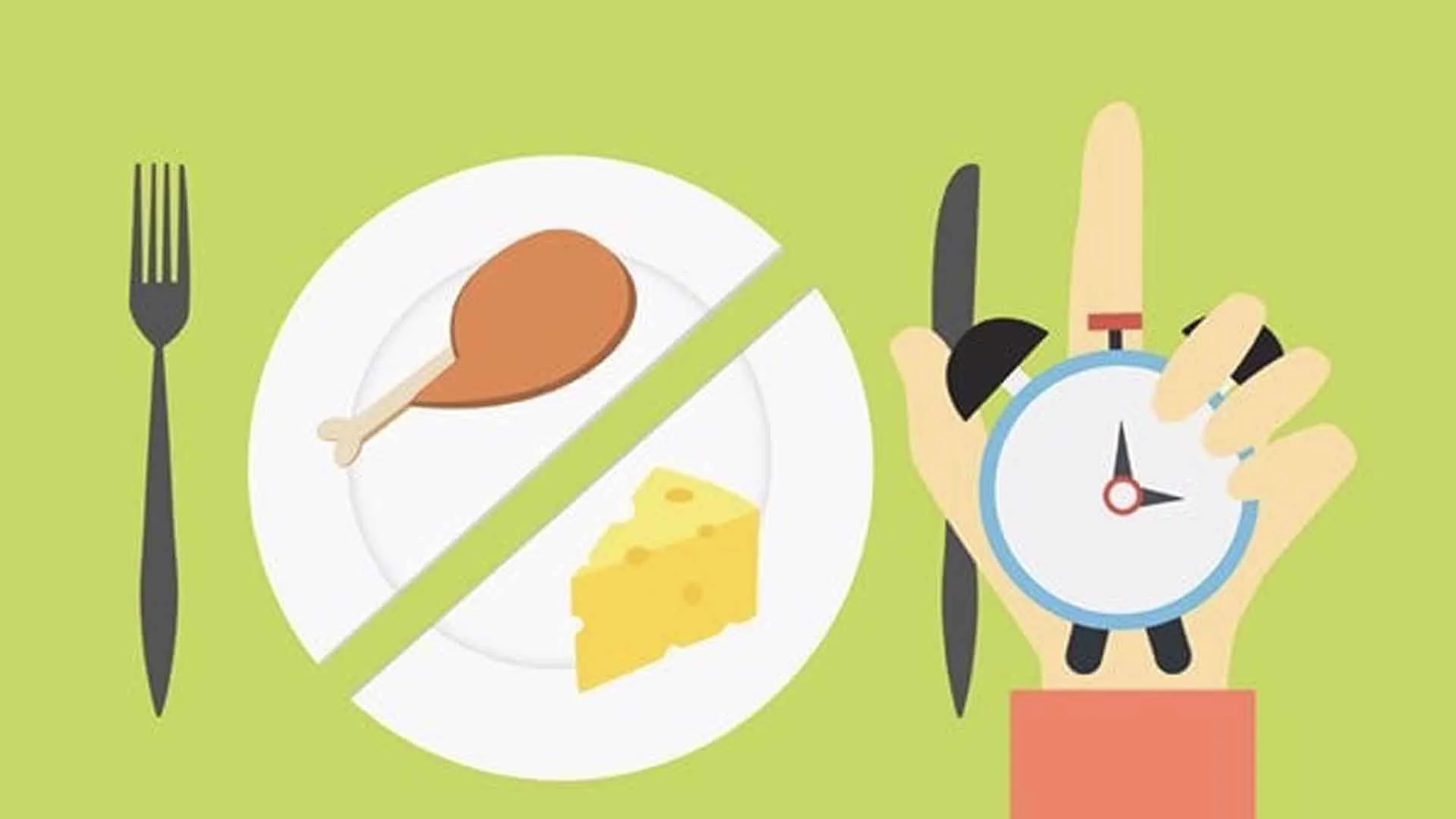
There is a moment near the bottom of our daf (Ḥullin 107b) where the Talmud produces, almost casually, one of the most disquieting inversions in the entire halakhic corpus [1]. Two brothers wish to eat at one table. One has meat before him, the other cheese. The question is whether the rabbinic decree against a shared table applies to them. And the answer turns — or seems about to turn — on whether they love one another.
If they are estranged, if each guards his portion and would not tolerate the other's hand reaching across, the concern that animates the decree evaporates. Nothing will pass between them. The decree exists to prevent transfer, and where there is no affection there is no transfer. The law should therefore be lenient with the brothers who hate each other.
However the halakhah appears to reward estrangement and penalize intimacy.
It appears to say: your generosity toward your brother is a legal liability; your coldness is a legal asset. Which we will explore.