
For the source text click/tap here: Chullin 73
To download, click/tap here: PDF
By performing ritual slaughter on a kosher animal, its meat becomes permitted to eat. Such shechita also serves another purpose, as a properly slaughtered animal does not become tamei – it does not attain the ritual defilement of a neveilah – an animal that died on its own or was killed by a predator (see Vayikra 11:39). This is true even if the shechita does not accomplish its primary purpose. If an animal was found to be a treifah – an animal with a terminal condition that will die within a short amount of time – although shechita does not permit it to be eaten, nevertheless the animal does not become a neveilah, rather it remains ritually pure, since it was slaughtered properly.
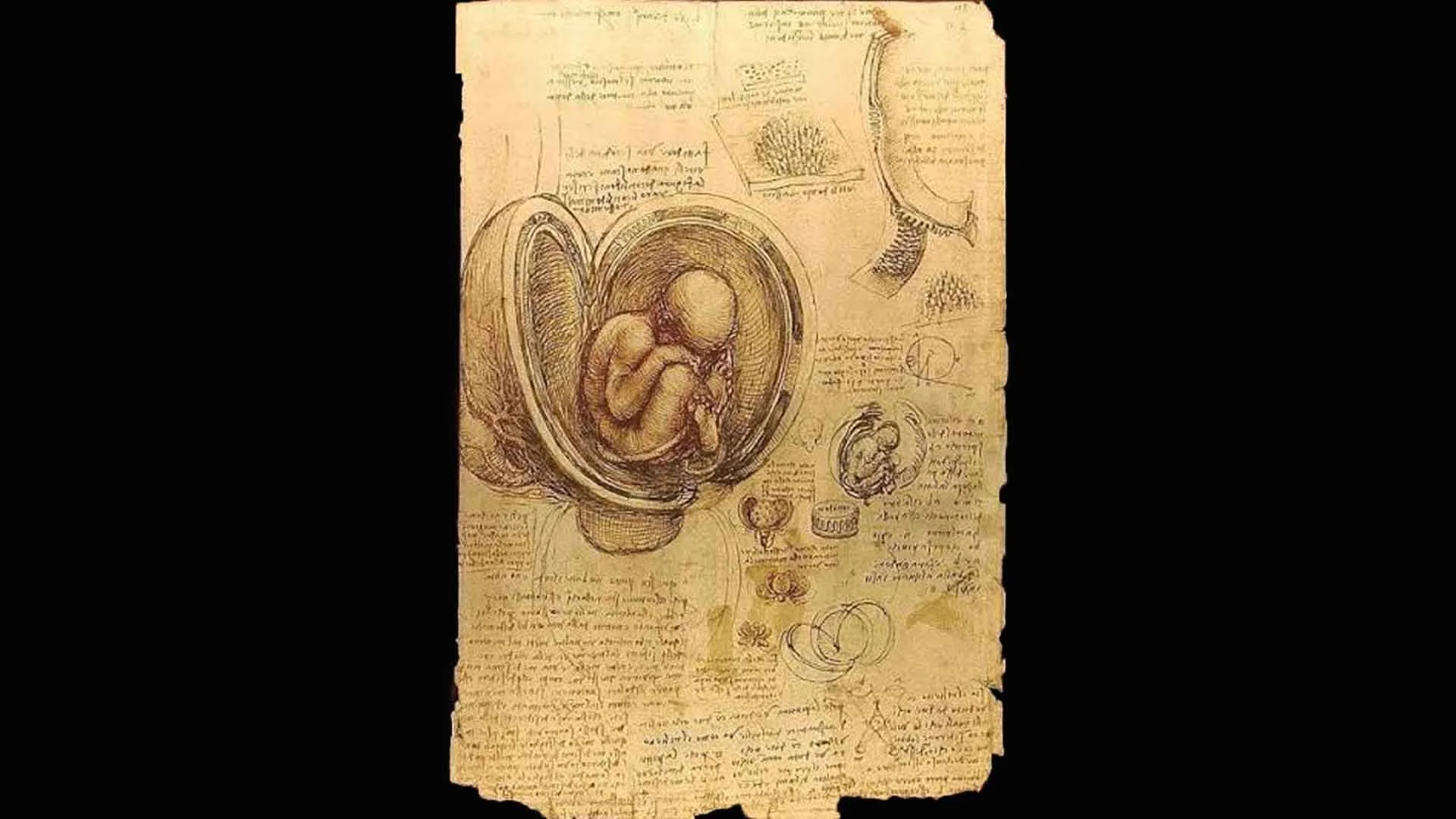
According to the Mishnah on yesterday’s daf, a fetus in its mother’s womb does not become a neveilah if its mother is slaughtered, even though its exposed limb would become a neveilah if it was cut off before its mother’s slaughter. In a case where the exposed limb was not cut off and shechita was performed on the mother while the limb was hanging out, we find a disagreement between Rabbi Meir and the Chachamim.
Our daf , is on its face concerned with something narrow and technical: whether the slaughter (sheḥitah) of a mother animal reaches a limb of the fetus that has emerged from the womb, and whether it reaches a limb that dangles, mostly severed, from the body of an animal.
But beneath the technicality lies a conceptual dispute of the first order, the sugya is one of the sharpest instruments the rabbinic tradition ever devised for thinking about a problem that modern jurisprudence has found itself unable to settle: the problem of the fetus as an entity that is at once part of another and, in some register, its own.