
For the source text click/tap here: Menachot 86
To download, click/tap here: PDF
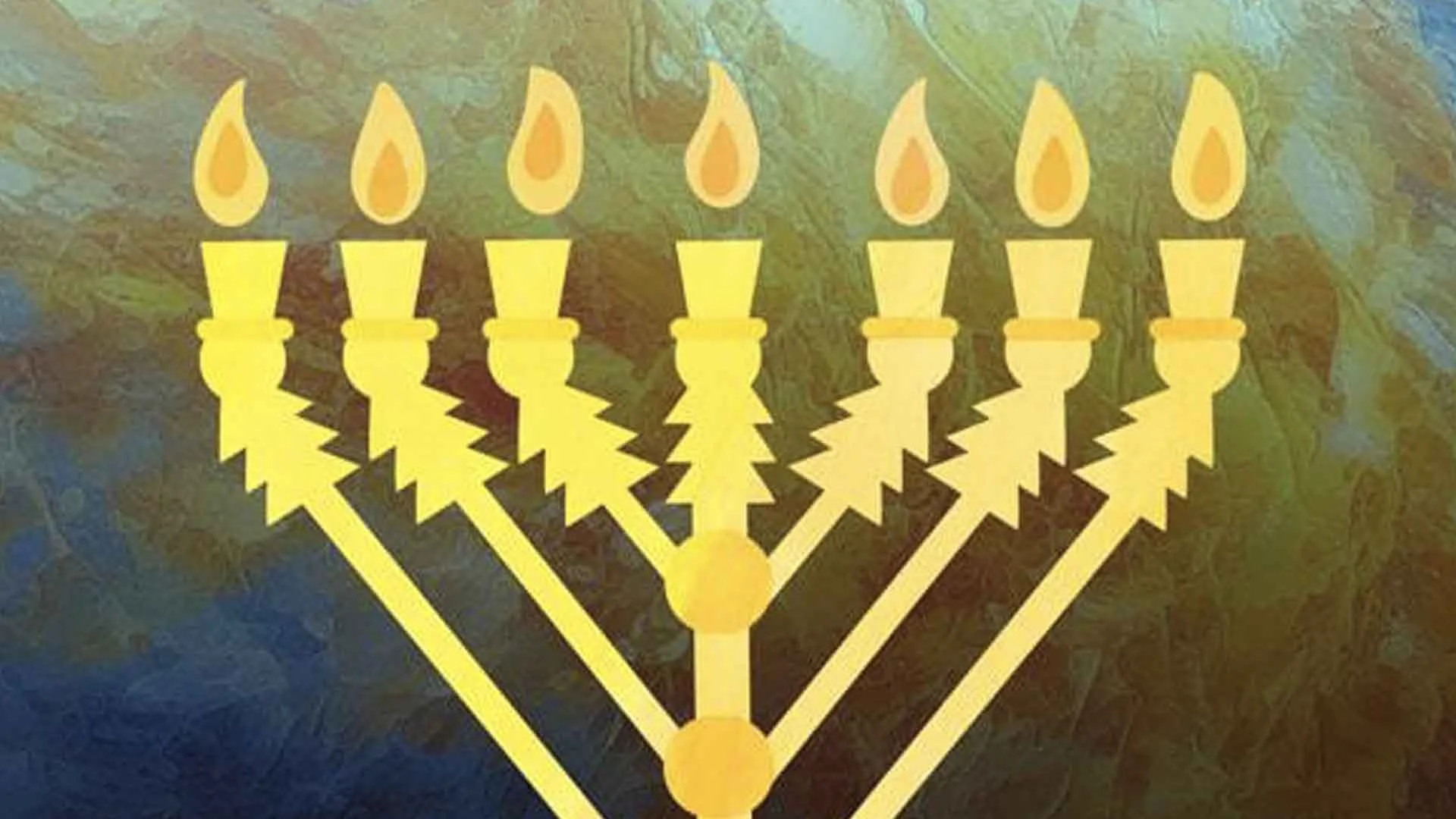
The Mishna in Menachot 86a explains that the oil used for the lighting of the ner tamid (menorah) must be from the first drops of oil that drip from the ripest of olives that are pounded.
The oil that emerges when the olives are pressed further with beams or with stones is a lower grade oil which is used for the menachot offerings but is not pure enough for the menorah.
The theological heart of the sugya's treatment of the Menorah lies in Rabbi Shmuel bar Nahmani's interpretation of the word lakh ("for yourself") in Leviticus 24:2. The divine command, "they shall take for yourself refined pounded olive oil," would more naturally be read as an instruction to Moses or Aaron — "take it [on my behalf]" or "take it [as I require]." Rabbi Shmuel bar Nahmani inverts this: the oil is to be brought "for yourself," meaning for Israel's benefit, because God has no need of its light.
Rabbi Zerika's teaching in the name of Rabbi Elazar extends the theological argument from the Menorah to the entire configuration of the sanctuary's furnishings. God declares: "I do not require the Table for eating, nor do I require the Candelabrum for its illumination.”
We explore the theological and mystical meaning of these radical claims.