
For the source text click/tap here: Menachot 55
To download, click/tap here: PDF
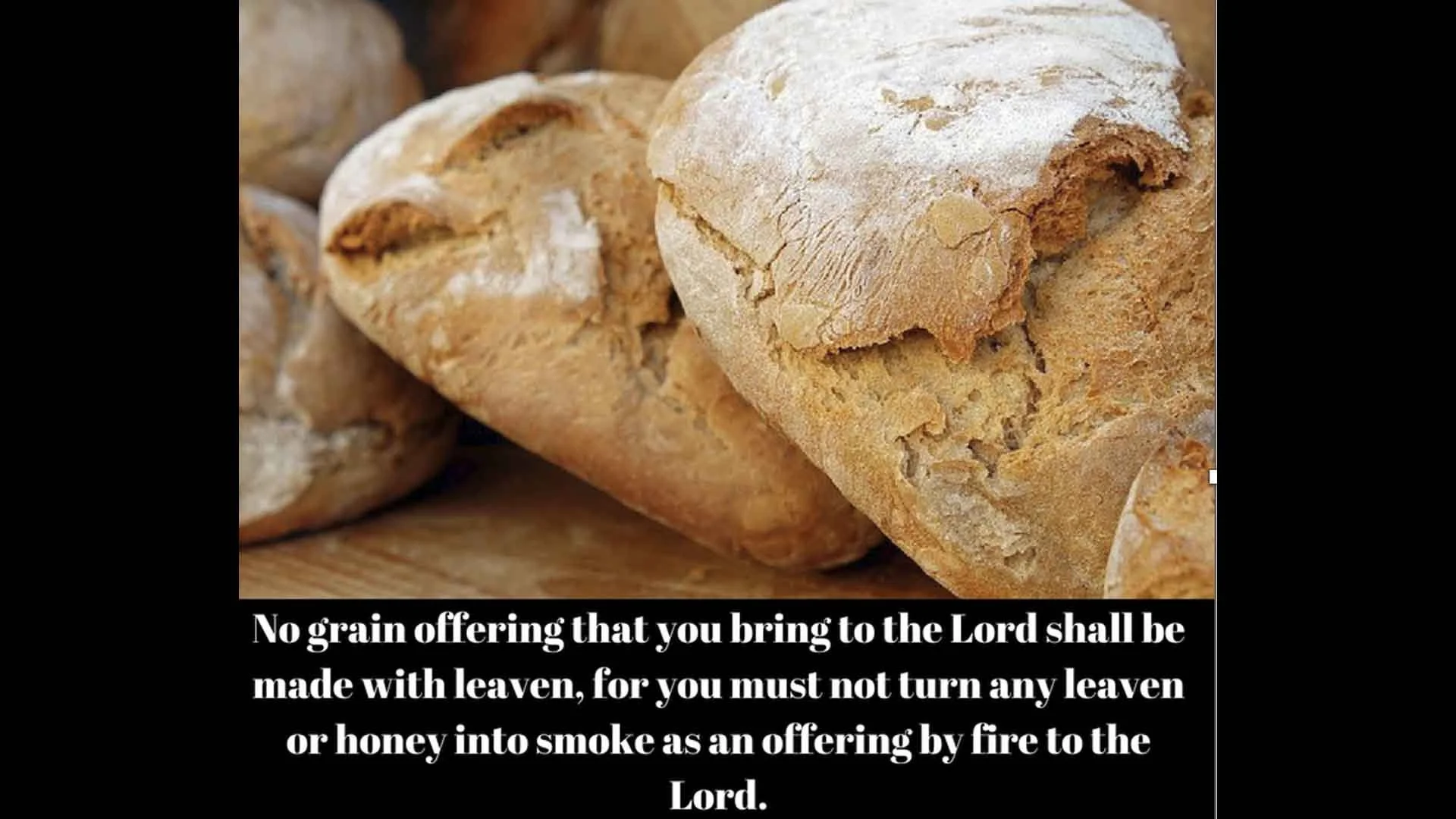
Most of the meal offerings brought in the Temple were baked as matza and were not permitted to rise and become ḥametz (see Vayikra 2:11). According to the Mishna on our daf, the flour was mixed with lukewarm water, and care was taken to ensure that it did not become ḥametz.
In the event that it became ḥametz, the kohen would be liable separately for each of the stages of preparation – for kneading the dough, for setting it out and for baking it.
We explore Rav Amnon Bazak’s analysis of the peshat (plain meaning) of the text and midrashim, and the relationship between peshat and midrash Halakha, which is to say between the simple reading of the text and the readings of classical works which mine the Biblical verses for their practical halakhic significance.
This complexity arises from the fact that the way in which we interpret "halakhic" verses would appear to have practical, normative significance.
We also review the approach of the SHADAL to the same issues.