
For the source text click/tap here: Menachot 75
To download, click/tap here: PDF
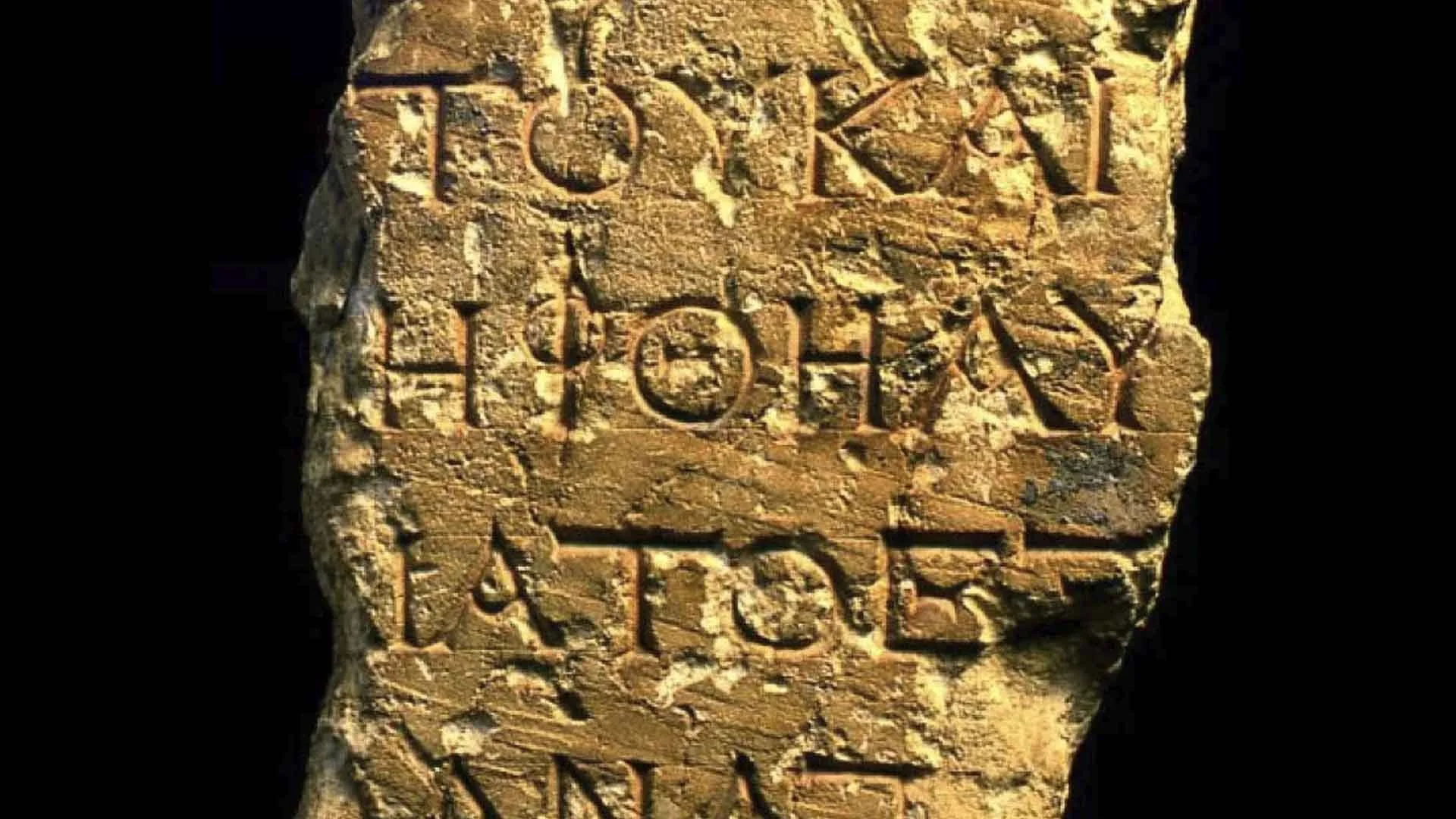
The Mishnah (74b) teaches that when the Kohen performs Meshichah with Rekikin, he smears the oil on the loaves (after they are baked) in the shape of a "Ki." The Gemara here quotes Rav Kahana who explains that this refers to the Greek letter, "Xi" (see TOSFOS DH k'Min Ki, for various opinions about the exact shape).
Why is the oil supposed to smeared on the Rekikin specifically in the shape of a Greek letter?
The Mishnah in Shekalim (8a) similarly says that the letters Alef, Beis, and Gimel were written on the three boxes used for the Terumas ha'Lishkah to denote which box was separated first. Rebbi Yishmael notes that the three letters on the boxes were written in Greek -- Alpha, Beta, and Gamma.
The presence of Greek language and script in rabbinic literature — from the smearing of oil kemein ki (in the form of the Greek letter Xi) described in tractate Menachot, to the Alpha, Beta, and Gamma inscribed on the Temple treasury chests in tractate Shekalim — signals far more than incidental cultural borrowing. We argue that these instances represent a coherent and theologically motivated strategy of selective appropriation: a disciplined openness to Hellenistic aesthetic forms precisely insofar as they could be consecrated to divine service.