
For the source text click/tap here: Menachot 67
To download, click/tap here: PDF
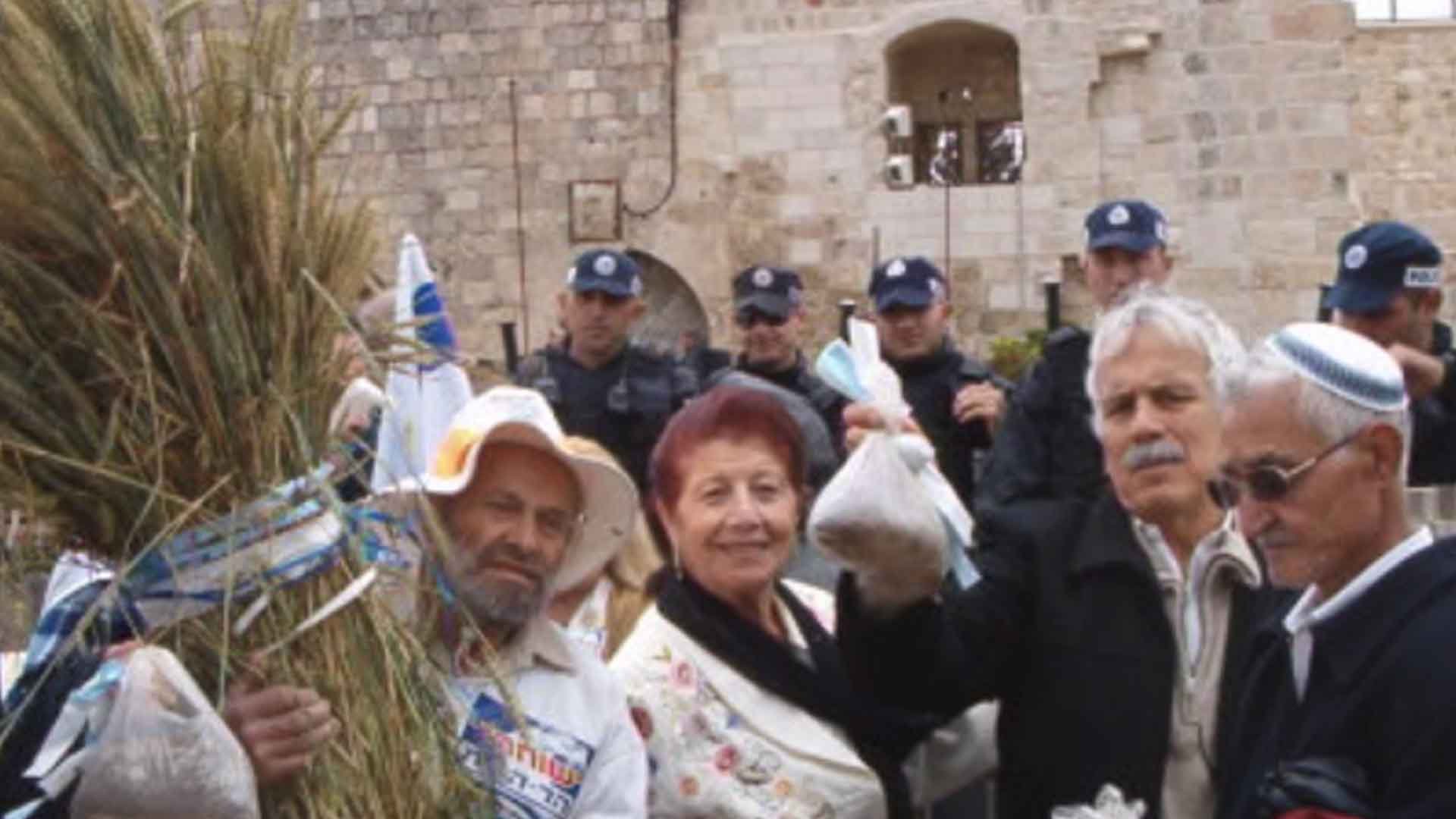
Anybody could perform the last steps in the barley offering. He takes the one-tenth of an ephah (about 5 pounds) of flour prepared for this purpose, puts the oil in an empty vessel, together with the frankincense on the side, and adds the flour. He pours more oil into the flour and mixes them. He then waves the mixture in all for directions of the compass, as well as up and down.
Then a kohen takes off a handful and burns it, together with frankincense, on the Altar. The remainder of the flour is eaten by the kohanim in the Temple Courtyard.
Once the Omer was offered, all harvest of this year became permitted. People would go out into the marketplaces of Jerusalem and find them full of regular flour of the new crop, as well as oven-dried grain - but this was against the wishes of the Sages, says Rabbi Meir.
We explore the scholarship of the late Prof Yitzchak Baer on the ritual harvesting of the Omer offering as a window into the social, legal, and political dimensions of Temple practice in late Second Temple Judaism.