
For the source text click/tap here: Menachot 63
To download, click/tap here: PDF
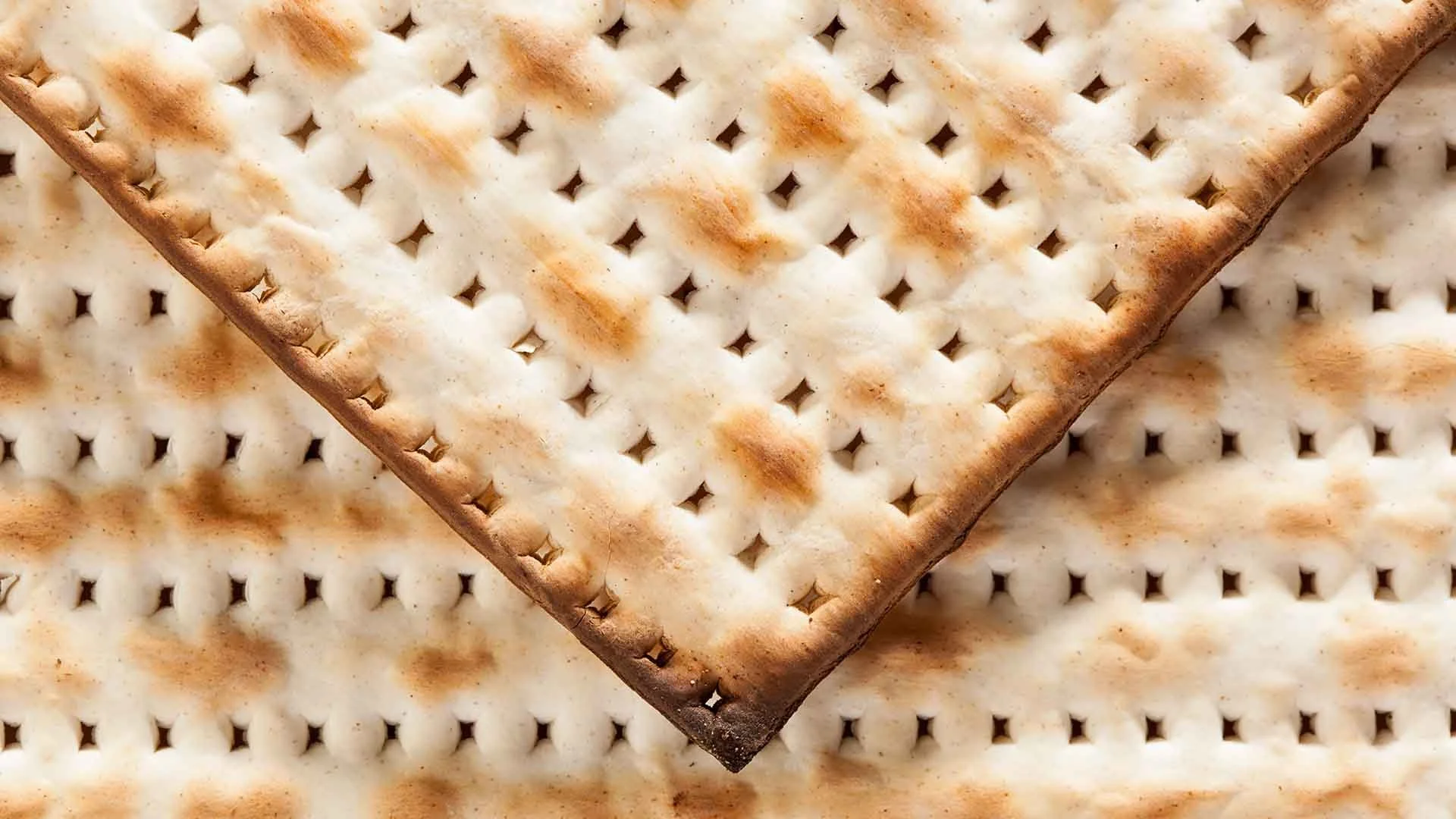
The sixth perek of Massekhet Menaḥot begins on our daf, and it is devoted, in its entirety, to the laws of minḥat ha-omer – the meal offering brought on the second day of Passover – and the laws of ḥadash – the new grain – associated with it (see Sefer Vayikra 23:9-16).
The minḥat ha-omer differs from other meal offerings in a number of ways, all of which are discussed in this perek. Aside from the ordinary commandment to sacrifice the meal offering, the minḥat ha-omer also must be harvested in a special way. It is also brought from barley, rather than from wheat, and involves a unique process of preparation before it is brought. Much of the discussion in this perek focuses on harvesting and bringing the omer, since the Torah offers little information about how it was done. From the passages in the Torah we do not know how much had to be brought, how it was to be harvested, whether it can be done on Shabbat, and so forth.
We explore the Saduceean conflict regarding mimochorat hashabat: Originally, each farmer marked the start of their harvest by bringing the first sheaf to the priest, then working for seven consecutive weeks, culminating in an offering of new grain. Later, when this offering was transformed into the national festival of Shavuot and Shabbat observance became central, the count was anchored in מִמָּחֳרַת הַשַּׁבָּת—“the day after Shabbat”—to avoid harvesting on the new day of rest.