
For the source text click/tap here: Bechorot 45
To download, click/tap here: PDF
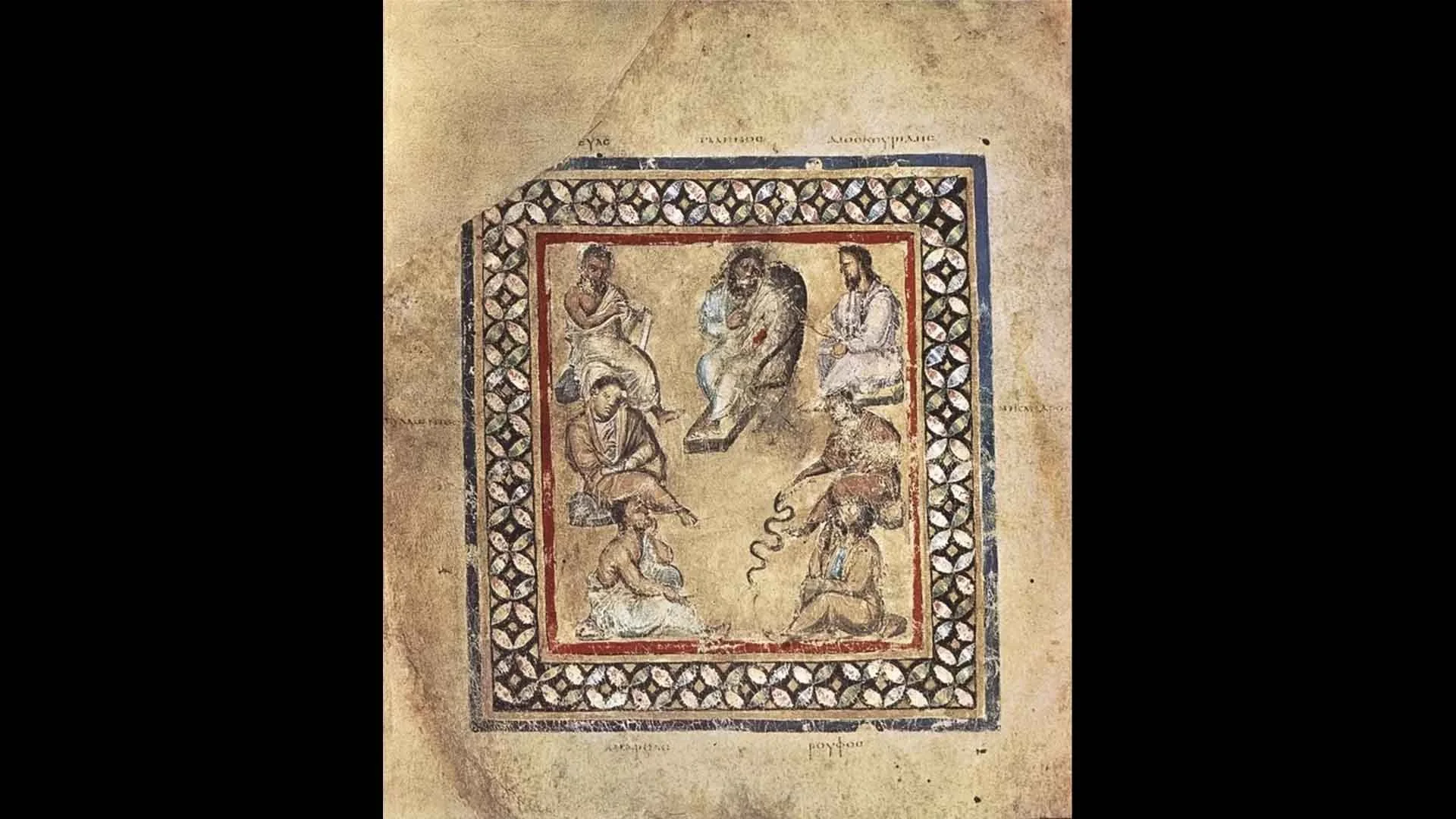
In the ancient world autopsies were not ordinarily practiced, with the exception of the medical center in Alexandria, Egypt during the period of the Second Temple. The Gemara on our daf relates a story in which students of Rabbi Yishmael perform an autopsy – perhaps in Alexandria – in order to determine the number of eivarim (limbs) in a human body.
According to the Gemara, these students obtained the body of a prostitute who had been condemned to have her body burned. They boiled the body and dissected it, finding 252 eivarim. The Gemara discusses how to reconcile this with the traditional Rabbinic teaching that there are 248 eivarim, concluding that there are differences between the physiology of men and women.
The legacy of surgery in ancient Jews included those who cared for the wounds and injuries. In light of this they were awarded the title of experts, ummanim.
We explore both the right to heal given by the torah according to Rav Kook as well as the history of the craft of surgery from biblical times throughout the talmudic period focusing on historical and medical perspectives.