
For the source text click/tap here: Arakhin 4
To download, click/tap here: PDF
“Then he shall be set before the priest, and the priest shall value him” (Leviticus 27:8). This teaches that anyone who is included in the category of setting, i.e., he can stand, isincluded in the halakha of valuation.
Alternatively, the word “persons” serves to add a repulsive man and one afflicted with boils. If one valuates such a person, he is obligated to give the set amount according to age and sex.
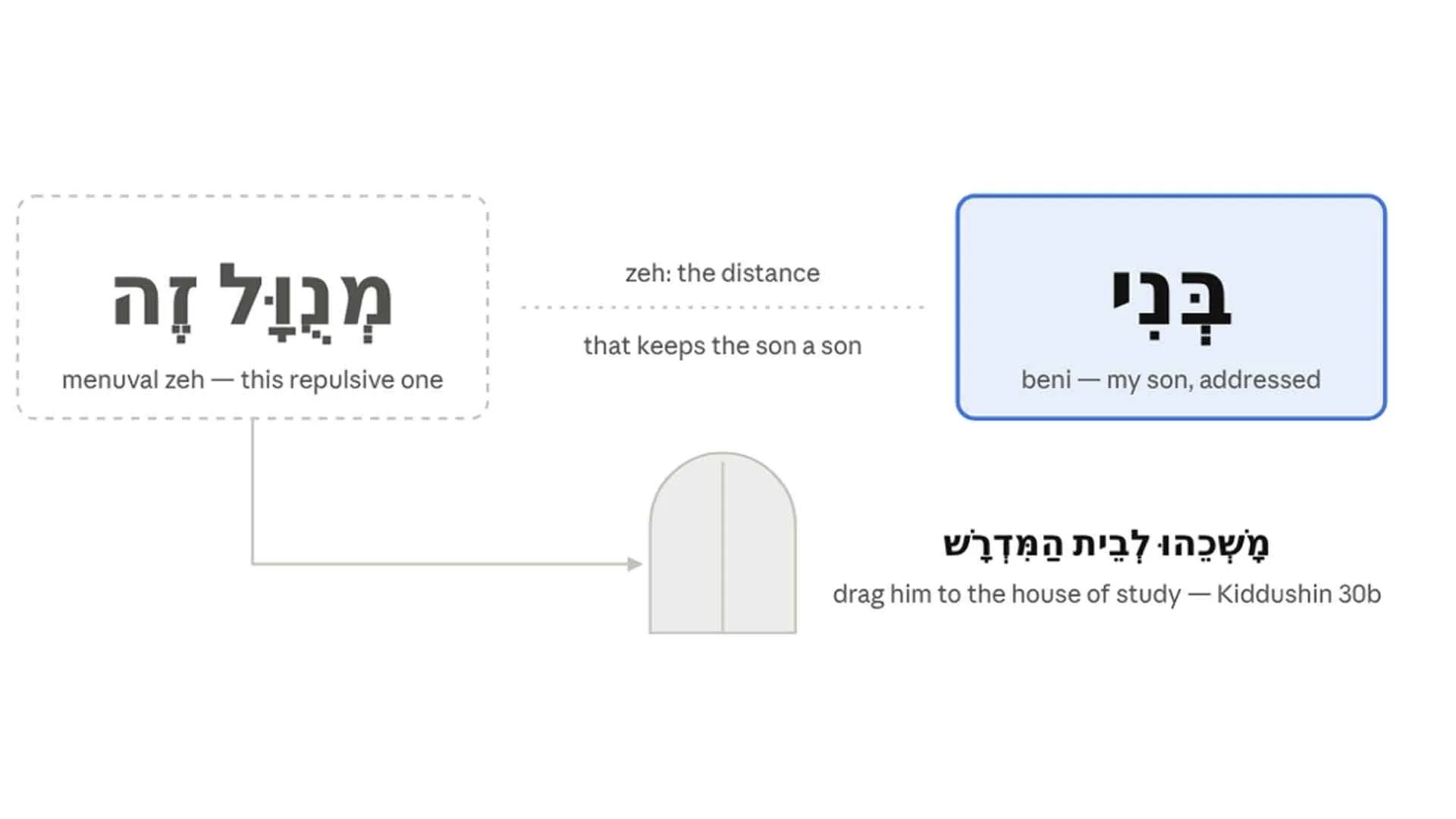
The Mishnaic Hebrew word menuval (מְנֻוָּל) — the disfigured, the filthy, the disgusting one — travels further than almost any term of rabbinic moral vocabulary. It begins as a description of bodies that fail to present themselves: the unkempt pilgrim, the disheveled priest, the carcass mangled in the flaying, the man "repulsive and afflicted with boils" to whom a father may legally marry his daughter.
We explore the history of this term in our cultural texts as well as comparing them to christian moralistic pietistic texts: Evagrius, Jerome, pseudo-Bernard, Innocent III, Ignatius, Luther, Arndt, Francke, Zinzendorf, Watts, Edwards and Francis de Sales.