
For the source text click/tap here: Bechorot 21
To download, click/tap here: PDF
The expulsion of a murky discharge, which is sufficient to exempt an animal from having its future offspring counted a firstborn, prevents it from being impregnated for no less than thirty days. If an animal becomes pregnant within thirty days of expelling a murky discharge, evidently that discharge was not the sign of a fetus, and therefore the offspring will have firstborn status.
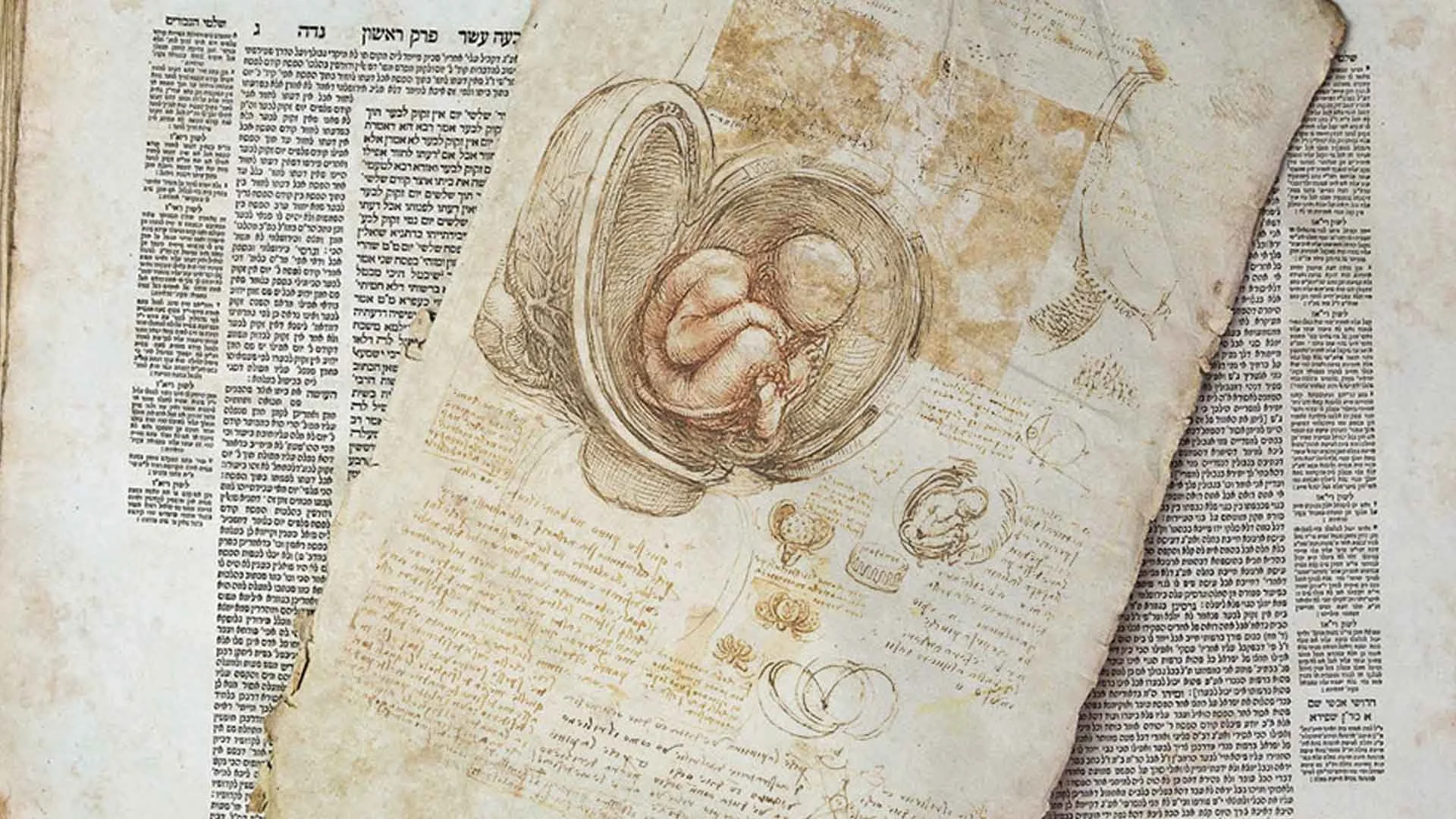
The Talmudic category of the me'uberet, the pregnant fetus, is more complicated than it first appears. Biologically, pregnancy begins at conception. Halakhically, however, the law is often concerned not simply with whether conception has occurred, but with when pregnancy has become sufficiently established to be recognized. The rabbinic phrase for that threshold is hakarat ha-ubar—הכרת העובר—the recognition of the fetus. In several passages the Talmud places this transition at approximately three months of pregnancy.
That three-month threshold is particularly interesting when we explore ancient Greek and Roman medical literature. The comparison suggests that the rabbis were working with an observational category familiar throughout the ancient Mediterranean world: the distinction between an early pregnancy that was hidden, uncertain, and known chiefly through indirect symptoms, and a later pregnancy that had become sufficiently manifest in the woman's body to be treated as an established fact.