
For the source text click/tap here: Bechorot 38
To download, click/tap here: PDF
When the Torah discusses those mumim – blemishes – that will disqualify an animal from being brought as a sacrifice (Vayikra 22:21-24), among those blemishes are problems with the eye. When talking about blemishes that will preclude a kohen from performing the Temple service (Vayikra 21:18-21) the Torah specifies several eye conditions, like someone who is tevallul be-eino.
The Mishna on our daf applies these to the case of a firstborn, teaching that “One whose eyelid is pierced, damaged, or slit, or if it has a cataract or a tevallul, ḥilazon (snail-shaped growth), naḥash (snake-shaped growth) or a berry that covers the eye, is disqualified.”
The extraordinary feature of the discussion in our daf is not simply that the rabbis recognized a remarkably varied collection of ocular abnormalities. It is that they attempted to construct a system of diagnostic judgment in which visible pathology, anatomical location, duration, prognosis, therapeutic responsiveness, and the reliability of the examiner all become relevant to a halakhic determination.
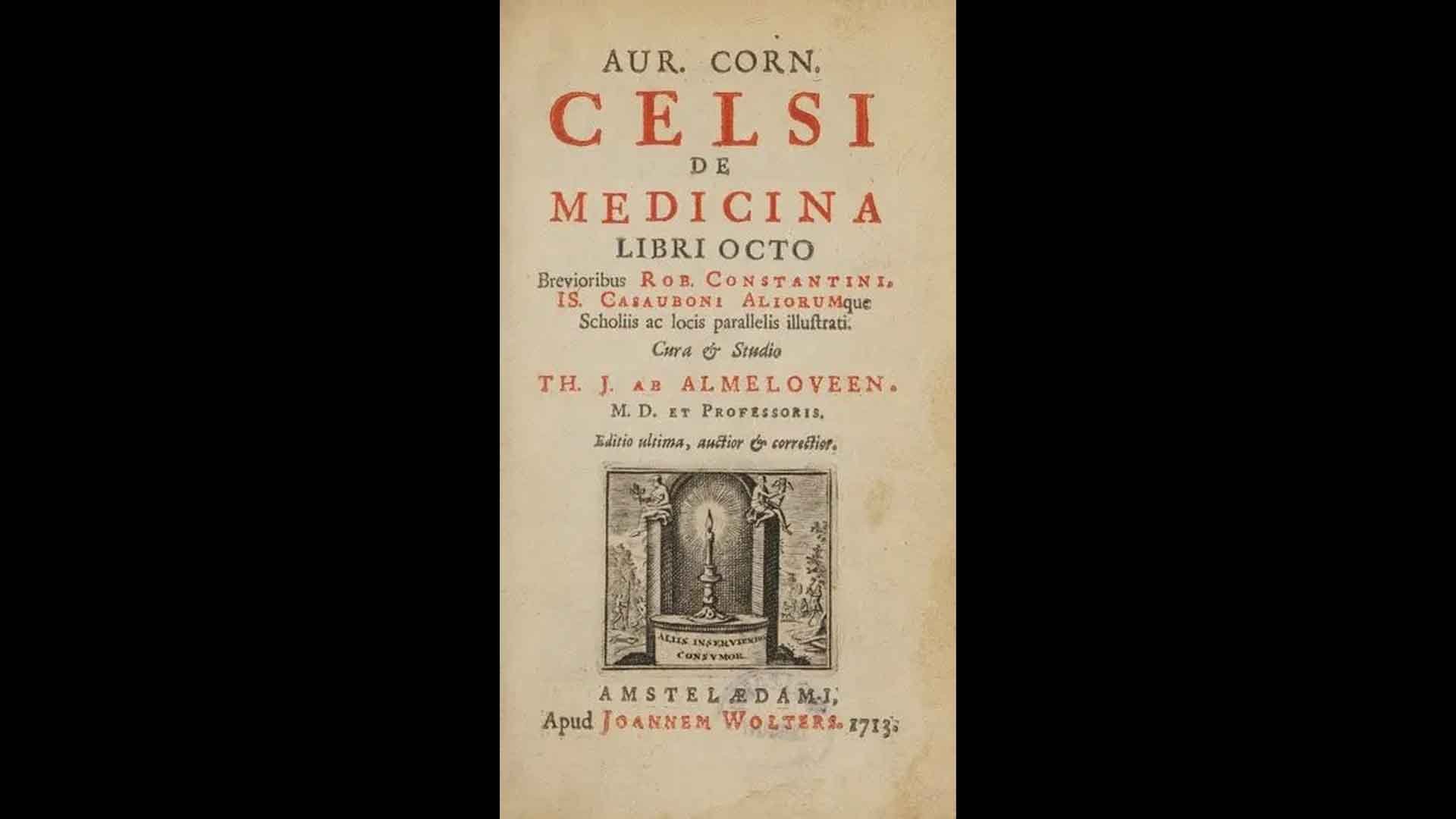
Read against the history of ophthalmology in ancient Egypt, Mesopotamia, Greece, and Rome, which we explore, the sugya emerges as an important witness to the development of clinical reasoning in late antiquity.