
Bribing Satan and Queen Esther
In this essay, Dr. Julian Ungar-Sargon explores the connection between the Jewish holidays of Purim and Yom Kippur through the Zohar on parshat Tetzaveh and the chassidic masters.
Theological Essays
Theological Essays by Dr. Julian Ungar-Sargon.

The Banquet of Esther and Ahasuerus by Jan Victors
Bribing Satan and Queen Esther
In this essay, Dr. Julian Ungar-Sargon explores the connection between the Jewish holidays of Purim and Yom Kippur through the Zohar on parshat Tetzaveh and the chassidic masters.

These are the remarks that Dr. Julian Ungar-Sargon delivered at the naming ceremony of his granddaughter Yael Zipporah Sror.

Broken Hearts-Broken Tablets: A Visual Midrash
These are the source materials that accompanied Dr. Julian Ungar-Sargon's midnight class at Khal Chasidim congregation on Shavuot of 2015.
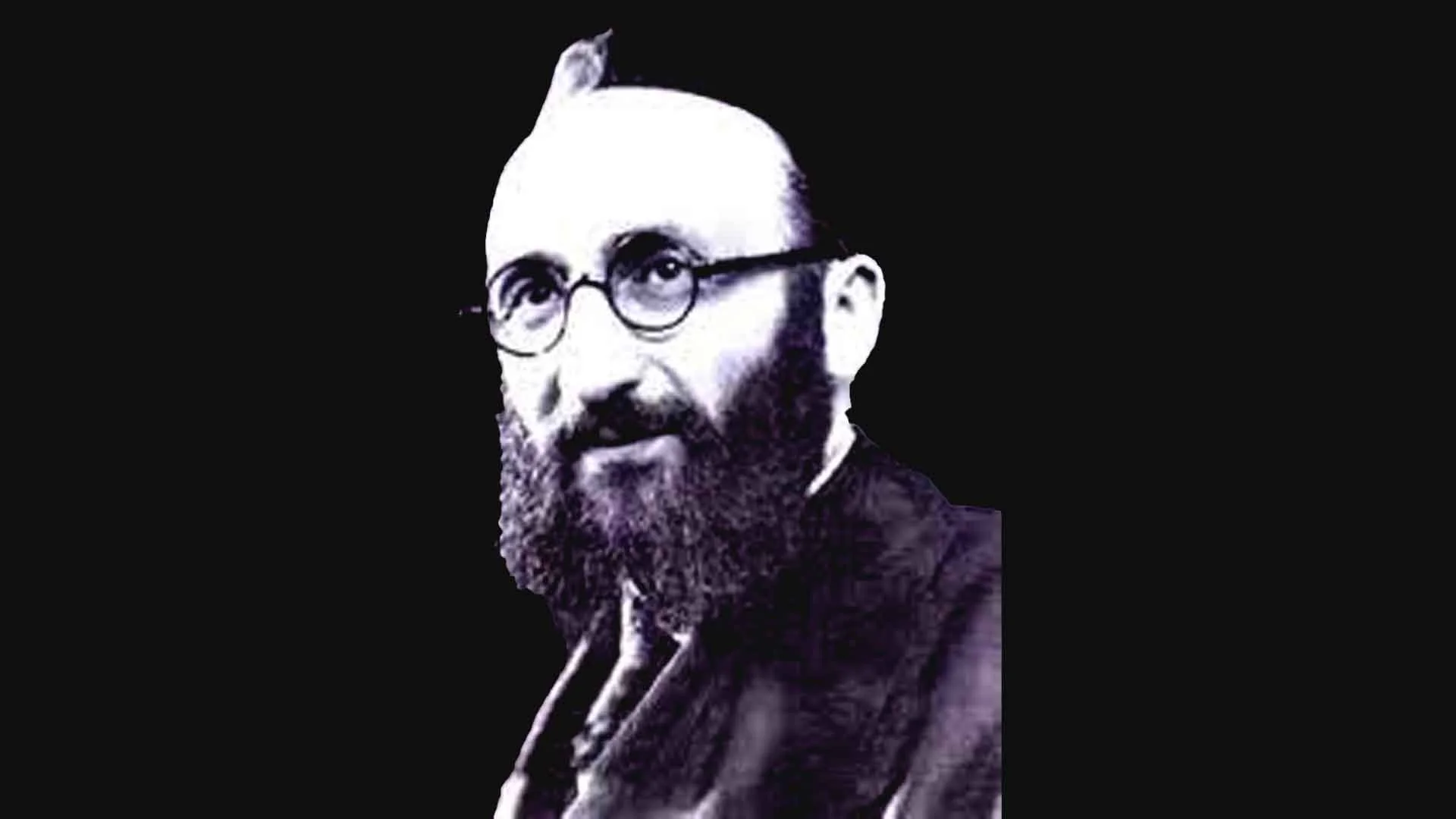
In this essay, Dr. Julian Ungar-Sargon writes about the passing of Rebbetzin Henya.

In this essay, Dr. Julian Ungar-Sargon reflects on the sage Rabbi Yochanan Ben Zakkai and his dramatic death.

In this essay, Dr. Julian Ungar-Sargon reflects on the meaning of the chapter headings of the Passover Hagadah. He draws on the academic discipline of semiotics to frame the discussion as well as some ideas gleaned from Rabbi Shlomo Carlebach.

Norah Alila : Divine Complicity in Human Malfeasance
In this essay, Dr. Julian Ungar-Sargon explains the concept of Nora Alilut, attributed to the medieval scholar Moses Ibn Ezra. He traces the concept through the world of the chassidic masters and puts his own spin on its resonance in today's day and age.

In this essay, Dr. Julian Ungar-Sargon weighs in on the dispute between Simkovich and Millikowsky on the subject of circumcision.
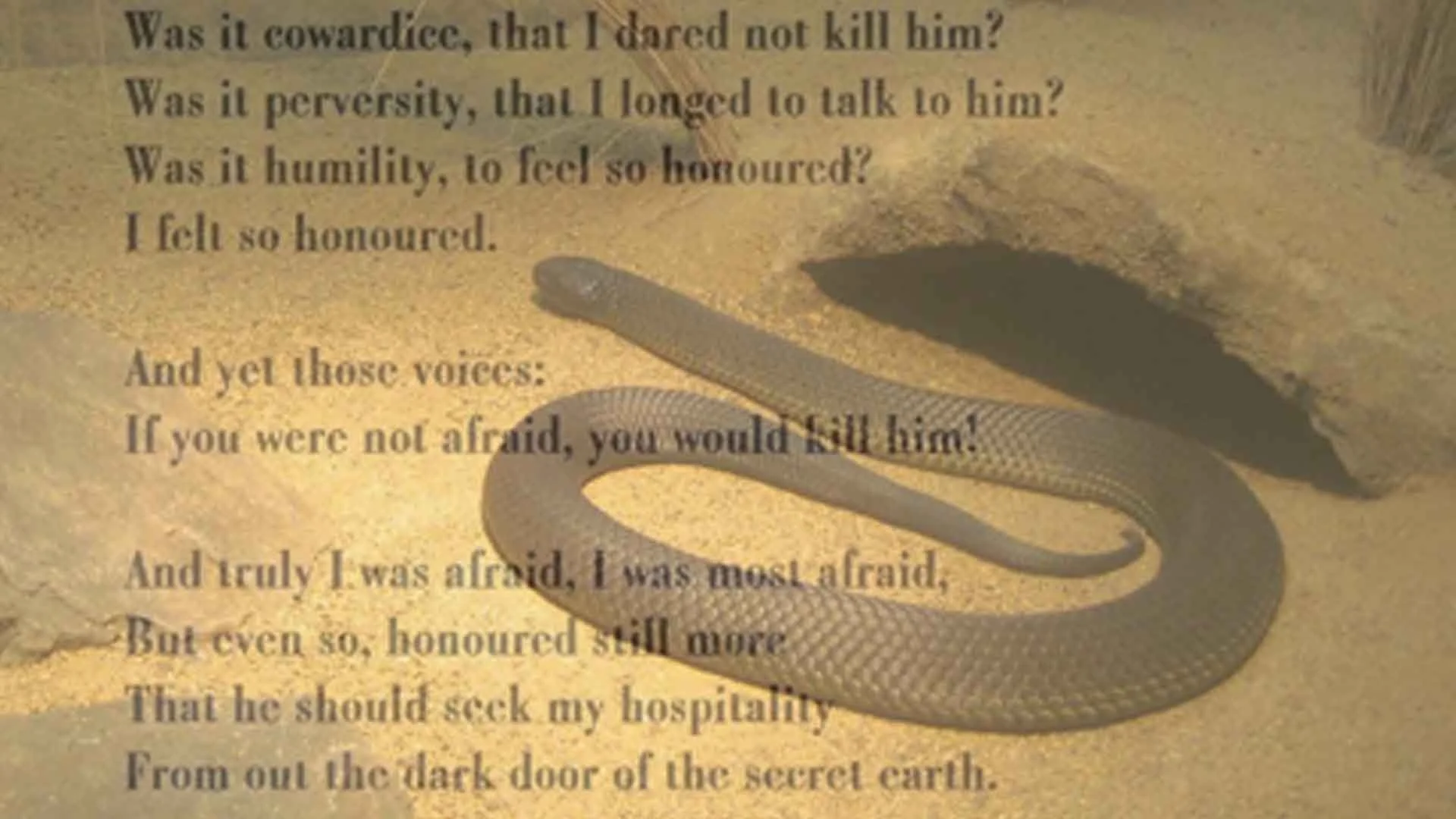
The Schechina Consciousness and Reb Nachman’s Lost Princess
In this essay, Dr. Julian Ungar-Sargon draws a line from Rebbe Nachman's concept of the Heart and the Zohar's depiction of the anthropomorphized "Ayalta."

Sibling Romance As Metaphor For Divine Fracture
In this essay, Dr. Julian Ungar-Sargon examines a Midrash from Eicah Rabbah in which a dramatic story is retold about two enslaved siblings. He draws our attention to the symbolic resonance between the intimacy of the siblings in the story and the Rabbinic understanding of the Divine.
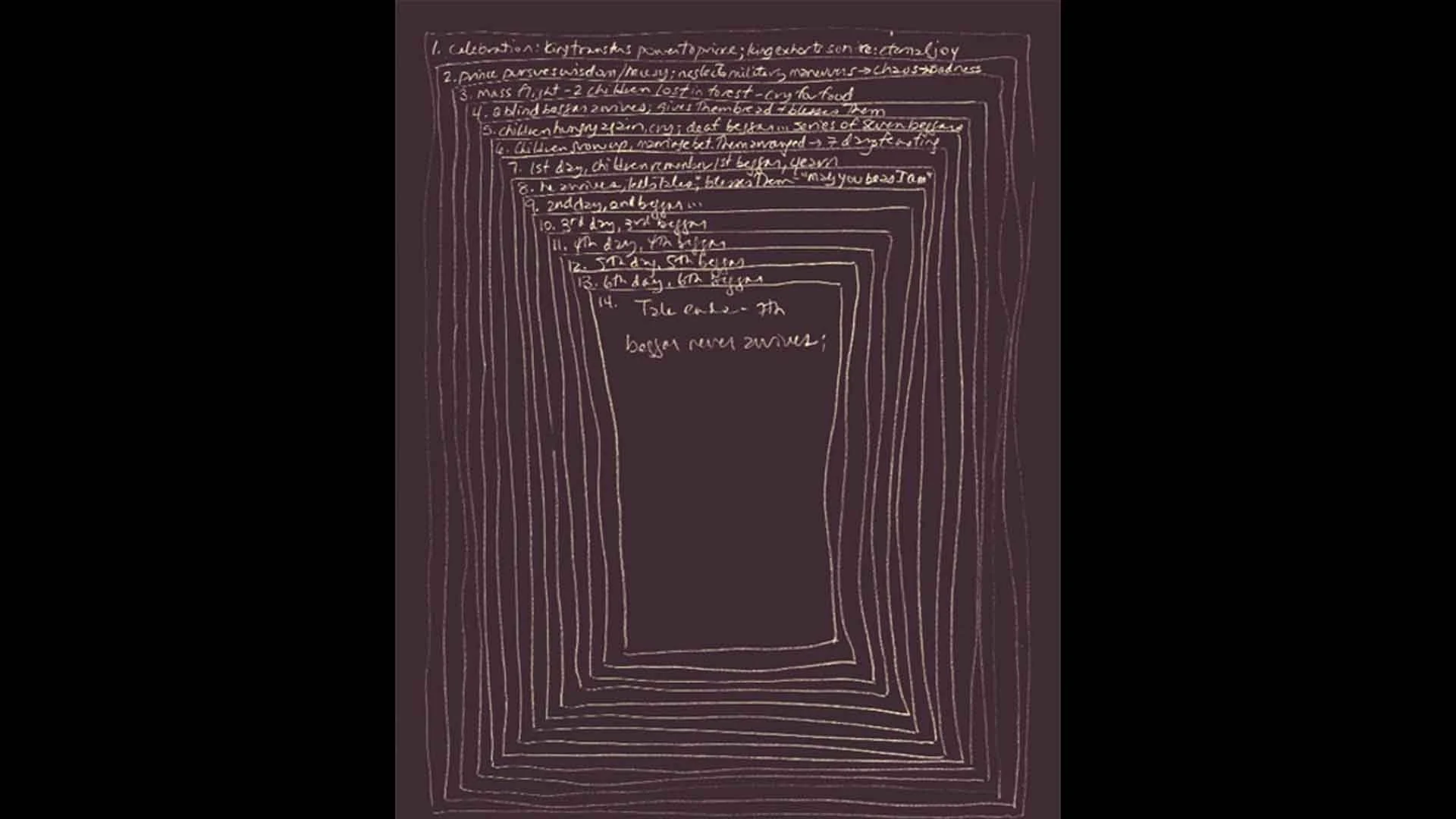
The Absent Seventh Beggar: More Thoughts
In this essay, Dr. Julian Ungar-Sargon revisits Reb Nachman's Tale of the Seven Beggars that he discussed here and offers some new insights

In this essay, Dr. Julian Ungar-Sargon presents a survey of literary, religious, and cinematic sources to support the radical idea that blasphemy may actually be an important spiritual tool.

The Month of Iyar: Rosh Chodesh
In this short essay, Dr. Julian Ungar-Sargon shares an insight from Rebbe Nachman about the first letters of Psalm 6:11 and the Hebrew month of Iyar.

Confronting Evil Out There and Within: Lizensk 2013
In this essay, Dr. Julian Ungar-Sargon narrates a recent pilgrimage to the burial place of Reb Elimelech of Lizensk. He reflects on the comodification of the Holocaust and the recent local appropriation of Jewish culture.

"Der Schvindel Trep: The Swindling Spiral Staircase"
In this essay, Dr. Julian Ungar-Sargon discusses the Baal Shem Tov's metaphor of the spiral staircase and the manner in which Rebbe Nachman stretches its meaning to include not only the divine, but also the depths of despair.

Michaelangelo’s The Creation of Adam
Adam vs. Jacob: A Study in Lonliness
In this essay, Dr. Julian Ungar-Sargon meditates on the different kinds of loneliness represented by the Biblical archetypes of Adam and Jacob. Dr. Ungar uses these archetypes to draw a distinction between loneliness and aloneness.

The Gartel by Shoshana Brombacher
In this essay, Dr. Julian Ungar-Sargon explores different Jewish ideas about nakedness and the sacred. Dr. Ungar compares these ideas to those found in Herodotus and ties it all back to the Hasidic practice of wearing a gartel.

The Absent Seventh Beggar: Rabbi Nachman’s Final Parable
In this essay, Dr. Julian Ungar-Sargon tackles one of Rabbi Nachman's most enigmatic parables.

In this essay, Dr. Julian Ungar-Sargon meditates on the meaning of Moses' humility. From the Talmud, to the Netziv, to the Kotzker Rebbe, Dr. Ungar presents a range of opinion on this topic before he circles back to offer an original interpretation of humility.

Painting by Yom Tov Blumenthal
In this essay, Dr. Julian Ungar-Sargon attempts to describe what made Shlomo Carlebach's Torah so unique.