Julian Ungar-Sargon

  • Home
  • Theological Essays
  • Healing Essays
  • Podcast
  • Poetry
  • Daf Ditty
  • Deep Dive Ditty
  • Videos
  • Publications
  • Military Service
  • Dominican University
  • Home
  • Theological Essays
  • Healing Essays
  • Podcast
  • Poetry
  • Daf Ditty
  • Deep Dive Ditty
  • Videos
  • Publications
  • Military Service
  • Dominican University
Julian Ungar-Sargon copy 3.jpg

Daf Ditty

A wide-ranging commentary on the daily page of Talmud.

Gittin 6: אֵלּוּ וָאֵלּוּ דִּבְרֵי אֱלֹהִים חַיִּים

jyungar May 23, 2023

For the source text click/tap here: Gittin 6

To download, click/tap here: PDF

Rabbi Evyatar in Israel sent a message to Rav Ḥisda in Babylon, telling him that giṭṭin sent “from Bavel to Israel” do not require the messenger to attest that the geṭ was written and signed in his presence. The Gemara’s first suggestion in explaining this ruling is that Rabbi Evyatar must agree with Rabbah (see daf 3) and believe that the potential problem is that the court where the geṭ was written may not know how to write the geṭ properly.

Rabbi Evyasar once met Eliyahu and asked him: “What is the Holy One, Blessed be He, doing?” Eliyahu answered, “He is discussing the concubine of Giveah.” Rabbi Evyasar asked him, “What is He saying?” Eliyahu replied, “He is saying, ‘My son Evyasar says like so, and my son Yonasan says like so.’” Rabbi Evyasar asked: Can there possibly, Heaven forbid, be uncertainty in Heaven?” Eliyahu replied: Both opinions are the words of the living God.

We explore halachic pluralism using this aphorism as a trope.

Tags 37th
Comment

Gittin 5: אֶעֱבֵיד לְחוּמְרָא

jyungar May 22, 2023

For the source text click/tap here: Gittin 5

To download, click/tap here: PDF

Bar Haddaya sought to bring a bill of divorce from one country to another. He came before Rabbi Aḥai, who was appointed over bills of divorce in his location to ask him how to proceed. Rabbi Aḥai said to him: You are required to stand over each and every letter when the scribe writes the bill of divorce, to see that everything is performed in the correct manner. Bar Haddaya came before Rabbi Ami and Rabbi Asi to ask if this is required, and they said to him: You are not required to do this; rather, it is enough for you to be present and oversee in general that it is done in the proper manner.

And if you would say: I will act stringently, in accordance with the opinion of Rabbi Aḥai, then you are casting aspersions on the earlier bills of divorce, i.e., bills of divorce written in previous generations, as the agents who delivered them did not examine them to this extent.

We explore the notion of chumrah in Halacha….

Tags 37th
Comment

Jewish pilgrimage to Jerusalem was a massive phenomenon, especially in the last century of the Temple’s existence–the century that began with Herod the Great’s rise to power and ended with the Roman destruction of Jerusalem and the Temple in 70 ce. Numerous sources convey this basic understanding of pilgrimage: pilgrims “go up” to Jerusalem in order to be near God, to worship Him at the Temple via the sacrificial cult that was available only there, and in turn to be blessed by Him and to reassure themselves of His protection. The pilgrimage and coming together of myriads of Jews in Jerusalem inevitably awakened memories and hopes of a sovereign state. In Antiquity, Israelites and Judeans had a number of cultic obligations that could be fulfilled only at the Temple of Jerusalem. Philo of Alexandria, who himself participated at least once in a pilgrimage to Jerusalem, offers in his Special Laws 1.68–70, a direct exposition of pilgrimage.

Gittin 4: דְּכֵיוָן דְּאִיכָּא עוֹלֵי רְגָלִים

jyungar May 21, 2023

For the source text click/tap here: Gittin 4

To download, click/tap here: PDF

One who brings a get from region to region within Eretz Yisrael is also not required to state the declaration even according to the opinion of Rava, for the following reason: Since there are those who ascend to Jerusalem for the pilgrimage Festival, witnesses are frequently available and they can come even from one region to another.

The Gemara raises a difficulty: This works out well when the Temple is standing, as there are those who ascend to Jerusalem for the pilgrimage Festival at that time. However, when the Temple is not standing what can be said? The Gemara answers: Since there are central courts that are fixed in a permanent location where everyone goes, witnesses are frequently available to ratify the bill of divorce.

We explore the notion pilgrimage in late antiquity and pilgrimage itineraries through the eyes of the rabbis and Philo.

Tags 37th
Comment

Gittin 3: אֵין עֵדִים מְצוּיִין לְקַיְּימוֹ

jyungar May 20, 2023

For the source text click/tap here: Gittin 3

To download, click/tap here: PDF

A person who is a messenger to bring a geṭ from a community in the Diaspora to Israel must be able to attest that the document was written and signed in his presence. Two reasons for this are suggested by the Gemara.

According to Rabba, it is because Diaspora communities are not all aware that the get must be written for this specific situation, and we must ascertain that it was done correctly.

Rava suggests that the reason for this is because in the event that a question arises about this document, it will be difficult to find people who can recognize and attest to the authenticity of the witnesses’ signatures.

We explore the basic outlines of the masechta and the concepts of shlichus.

Tags 37th
Comment

Tzidon (today Saida in Lebanon)

Gittin 2: בְּפָנַי נִכְתַּב וּבְפָנַי נֶחְתַּם

jyungar May 19, 2023

For the source text click/tap here: Gittin 2

To download, click/tap here: PDF

The popular term for a divorce document – a geṭ (and, in plural, giṭṭin) – is not a word with a biblical, or even a Hebrew source. It is apparently borrowed from the Syriac gitetu, which means a contract or document of any sort. From the Syriac the word became widely used in neighboring languages, including Hebrew and Aramaic. In the Talmud the word is used by the sages both in its original meaning – a contract of any sort – as well as the specific sefer keritut – a contract given by a man to his wife to end their marital relationship and effect a divorce.

The first Mishna in Massekhet Gittin opens with the rule that a person who is a messenger to bring a bill of divorce – a geṭ – from a community in the Diaspora to Israel must be able to attest that the document was written and signed in his presence.

One (an agent sent by the husband to the wife) who brings a get (bill of divorce) to Eretz Yisroel from abroad must say, “In my presence it was written, and in my presence, it was signed.” [The Gemora will explain the reason for this decree.]

We explore the history of the geographical borders of biblical Israel vs those of the post bavel Aliyah.

Tags 37th
Comment

Sotah 49: וְשֶׁלּאֹ ילְמֵַּד אָדָם אֶת בְּנוֹ יוְוֹניִת

jyungar May 17, 2023

For the source text click/tap here: Sotah 49

To download, click/tap here: PDF

Steinsaltz writes:

The closing Mishna in Massekhet Sota teaches that historical events impacted on the day-to-day behavior of the Jewish community. Various tragedies led the sages to limit the festivities at weddings and even to change the educational curriculum, forbidding the study of hokhmah yevanit – Greek wisdom.

The Gemara quotes a baraita that attributes the prohibition against studying Greek wisdom to different events and anecdotes.

Hokhmah yevanit – Greek wisdom – does not appear to be secular knowledge generally, but rather refers to knowledge of Greek culture, music, literature, etc. Few people spoke classical Greek, as we explore the level Hellenism in Palestine in our final ditty for masechet Sotah.

Tags 37TH
Comment

Sotah 48: Music After Churban

jyungar May 17, 2023

For the source text click/tap here: Sotah 48

To download, click/tap here: PDF

The Mishnah teaches that when the Sanhedrin ceased to convene, the Chachamim prohibited song at celebrations, as the verse says, "They do not drink wine with song" (Yeshayah 24:9). The Gemara in Gitin (7a) cites a second verse from which it learns that the prohibition against song applies not only to musical instruments but to vocal song (with no musical accompaniment) as well.

The words of the Mishnah, and the verse which provides the source for the prohibition, imply that the prohibition against song applies only at a Beis ha'Mishteh, a party or celebration, or while drinking wine. The Gemara, however, teaches that "any ear that hears song shall be cut off," and that if there is song in a house "destruction is at its doorstep." The Gemara continues and says that even "the song of the weavers" (which accompanies them as they weave) is prohibited. These statements imply that there is a universal prohibition against song which applies even while one is not celebrating or dining. How are these contradictory implications to be reconciled?

We explore the halachot of music after the Churban in preparation for Masechet Gitten.

Tags 37th
Comment

Elisha Raising the Son of the Shunamite, 1881 Frederic Leighton, 1830-1896

Sotah 47: מִשֶּׁרַבּוּ הַמְנָאֲפִים

jyungar May 15, 2023

For the source text click/tap here: Sotah 47

To download, click/tap here: PDF

The Mishna stated: When the amount of murderers increased, the rite of the eglah arufah was abolished. The Gemora cites a braisa: When the amount of murderers increased, the rite of the eglah arufah was abolished, because it is only performed in a case of doubt; but when murderers increased openly, the rite of the eglah arufah was discontinued (because we probably know who committed the murder).

The Mishna had stated: When the amount of adulterers increased, the bitter water of the sotah was discontinued. The Gemora cites a braisa: The bitter waters of the sotah will only examine her if the husband is free from any sin (involving illicit relations); however, if he is not free of sin, the waters will not examine her.

We examine Philo’s interpretation of the Sotah ritual and Adreana Destro’s work on the historical background.

Tags 37th
Comment

Jacob blessing Joseph, Rembrandt

Sotah 46: וַיַּרְא֙ אֶת־הָ֣עֲגָל֔וֹת

jyungar May 14, 2023

For the source text click/tap here: Sotah 46

To download, click/tap here: PDF

"They told him all of Joseph's words that he had said to them, and he saw the wagons that Joseph had sent to carry him, and the spirit of their father Jacob was revived." (Gen. 45:27)

"all of Joseph’s words" - [Including] a sign he gave them: in what Torah topic he was engaged when he [Joseph] separated from him [from Jacob], the section dealing with the heifer that was to be beheaded [Egla Arufa--(Deut. 21:1-9)] and this is why [our verse] says, "and he saw the wagons that Joseph had sent," and not, "that Pharaoh had sent." (Ibid., Rashi based on Gen. Raba 94:3)

We explore the connection between the semantic pun of the wagons Jacob saw and the Parsha dealing with Eglah Arufah.

Tags 37th
Comment

Sotah 45: חָלָל בָּאֲדָמָה

jyungar May 13, 2023

For the source text click/tap here: Sotah 45

To download, click/tap here: PDF

When a dead man is found between two cities, measurements are taken to ascertain which of the cities is closer to the man and the elders of that city are called upon to bring an eglah (a calf) arufah and to state that they did not play a role in this man’s death. 

The Gemara explains that we do not really suspect the city elders of having killed the man, rather they are being called upon to attest to the fact that the man received an escort when he left the city.

We explore this troubling phenomenon and the way the talmud interprets it and the eglah arufah as vicarious ritual offering.

Tags 37th
Comment

Wound for red wound I burn to smite their wrongs; And there is absolution in my songs.

Siegfried Sassoon

Sotah 44: אֲפִילּוּ חָתָן מֵחֶדְרוֹ וְכַלָּה מֵחוּפָּתָהּ

jyungar May 12, 2023

For the source text click/tap here: Sotah 44

To download, click/tap here: PDF

When the Mishna teaches how the kohen mashu’ah milhamah – the priest who was anointed specifically for the purpose of leading the troops to war – concludes by telling the soldiers that anyone who was frightened of war was allowed to return home, we find two opinions about what that means.

Rabbi Akiva says that it means simply what it says: someone who was frightened of the battlefield should not be placed in that situation. Rabbi Yossi haGalili argues that it refers to someone who is frightened because he knows that he has committed sins. He goes so far as to suggest that the reason the others (i.e., the people who variously planted vineyards, built houses or became engaged to women) were told to go home, was to offer an opportunity to the individual who had sinned to recuse himself without being embarrassed.

We continue to explore exemptions from war both in antiquity and in IDF…

Tags 37th
Comment

Sotah 43: מִי הָאִישׁ

jyungar May 11, 2023

For the source text click/tap here: Sotah 43

To download, click/tap here: PDF

As we learned on yesterday’s daf, people who were involved in various activities were not obligated to serve as soldiers in a milhemet reshut – a war of choice.

The Mishna states: One, who builds a house, betroths a woman, or plants a vineyard is exempt from going to battle. There are various reasons to explain these exemptions:

The Rashbam states: These people are similar to the ones who are faint of heart. They are concerned that they will not merit inaugurating their house, marrying their wife, or redeeming their vineyard. They are scared that they will die during battle and are therefore exempt from going to war.

The Ibn Ezra explains: These people are preoccupied with their desire to inaugurate their house, marrying their wife, or redeeming their vineyard, and will therefore not pay attention completely to the war. This will cause them to retreat during the heat of the battle and will constitute a danger to the remainder of the army. The Mishna enumerates all the various people that may return from the battle.

We explore military exemptions.

Tags 37th
Comment

The most solemn moment of the coronation and soldiers bow their heads for the anointing.

Sotah 42: מְשׁוּחַ מִלְחָמָה

jyungar May 10, 2023

For the source text click/tap here: Sotah 42

To download, click/tap here: PDF

The Torah contains a series of commandments that relate directly to rules of warfare. Among them is the charge made by the High Priest – called mashu’ah milhamah – a priest anointed specifically for the purpose of leading the troops to war. The Torah commands that this priest instruct the soldiers – in Hebrew – that they cannot fear their enemies as they enter into war, and followed by listing those individuals who were free from participating as soldiers.

Those exemptions included people who were in the middle of various uncompleted projects, e.g., someone who was building a house, planting a vineyard, or had gotten engaged to be married (see Devarim 20:1-9).

We explore the role of the מְשׁוּחַ מִלְחָמָה as well as modern military chaplains and the moral issues they face.

Tags 37th
Comment

Coronation of King Charles III Today

Sotah 41: כׇּל אָדָם שֶׁיֵּשׁ בּוֹ חֲנוּפָּה Flattering kings

jyungar May 9, 2023

For the source text click/tap here: Sotah 41

To download, click/tap here: PDF

The Mishna on our daf describes an event that it calls parashat ha-melekh. The reference is to hakhel, a biblical commandment obligating the entire Jewish people to gather on Sukkot following the Sabbatical year (see Devarim 31:10). This event included a public reading of certain parts of the Torah by the king.

The Mishna relates that during the times of the Second Temple, King Agrippas read the Torah publicly, and broke into tears when he reached the passage describing the obligations of the king, and the rule forbidding the people from accepting upon themselves a non-Jewish king to rule them. The response of the people was to cry out, “Do not fear, Agrippas! You are truly our brother!”

We explore the ceremony off Hakhel, on this day the coronation of King Charles.

Tags 37th
Comment

“The path of gratitude is not for children; it is path of tender heroes, of the heroes of tenderness who, whatever happens, keep burning on the altar of their hearts the flame of adoration.”

Rumi

Sotah 40: מוֹדִים לָךְ

jyungar May 8, 2023

For the source text click/tap here: Sotah 40

To download, click/tap here: PDF

What is the proper name of God to call upon when we want to offer gratitude? This is the subject of a debate on our daf.

The discussion picks up after relating which verses the people should say when the priests offered the priestly blessing at the end of various services. The Gemara now asks:

While the prayer leader is reciting the blessing of: “We give thanks,” what do the people say?

When the Amidah is recited by the leader, the worshipers are meant to listen and answer amen to the blessings. But Modim demands more of the worshipers; they are meant to say their own prayer. What should they say? Here we see a debate:

Said Rav: “We are thankful to you, Adonai our God, that we are thankful to you.”

Shmuel said: “We are thankful to you, God of all flesh, that we are thankful to you.”

Rabbi Simai said: “We are thankful to you, our Molder, Molder of creation, that we are thankful to you.”

Rav, Shmuel and Rabbi Simai are debating the name of God to be used in this short prayer.

We explore different religious attitudes to gratitude.

Tags 37th
Comment

Sotah 39: Duchenin’

jyungar May 7, 2023

For the source text click/tap here: Sotah 39

To download, click/tap here: PDF

The Gemara (Sota 38a) teaches that Birkat Kohanim must be recited in Hebrew.

Our Rabbis taught: "'In this way shall you bless…' (Bamidbar 6:23) — in the Holy Tongue. You say that it means in the Holy Tongue, but perhaps it is not so, and it means in any language! It is stated here, 'In this way shall you bless…' and elsewhere it is stated: 'These shall stand to bless the people' (Devarim 27:12) - just as in this latter passage, it must be in the Holy Tongue, so also in the former it must be in the Holy Tongue.

"Rabbi Yehuda says: '[This deduction] is unnecessary, because it states, "In THIS way shall you bless" [which signifies] that they must pronounce it in this language [as written in Scripture].’"

We explore more halachot regarding the act o duchening…

Tags 37th
Comment

Priestly Blessing Leonard Cohen declaimed at his Sept 24, 2009 Tel Aviv concert, including why he would use, in the words of one correspondent, an “official Jewish thing” to end the concert, and the meaning of the hand gesture that accompanied the blessing.

Sotah 38: כֹּה תְבָרְכוּ

jyungar May 6, 2023

For the source text click/tap here: Sotah 38

To download, click/tap here: PDF

The Mishna (37b-38a) focuses on birkat kahanim – the three part Priestly blessing that the kohanim give to the rest of the people – distinguishing between the way it was done in the Temple and the way it is done outside the Temple as part of the prayer service.

Among the differences enumerated in the Mishna are the way God’s name is pronounced (according to the actual writing or the way it is commonly said) and the way the kohanim hold their hands during the blessing (in front of them or above their heads).

We explore the history of the blessing its structure and function.

Tags 37th
Comment

Sotah 37: Mount Grizim vs. Mount Ebal

jyungar May 5, 2023

For the source text click/tap here: Sotah 37

To download, click/tap here: PDF

“Six tribes were sent to each mountain. And all Israel, and their elders and officers and their judges, stood on this side of the Ark and on that side, before the priests the Levites, the bearers of the Ark of the covenant of the L—rd … half of them in front of Mount Gerizim and half of them in front of Mount Ebal, as Moses the servant of the L-rd had commanded, to bless the people of Israel first. And afterward [Joshua] read all the words of the law, the blessing and the curse, according to all that is written in the book of the Torah.”

§ It is stated in the mishna: They turned to face Mount Gerizim and opened with a blessing: Blessed be the man who does not make a graven or molten image (see Deuteronomy 27:15), and these people and those people, i.e., the two groups standing on either mountain, answered: Amen. Then they turned to face Mount Ebal and opened with the curse:

We explore the differences and similarities between these mountains and the polemic with the karaites…

Tags 37th
Comment

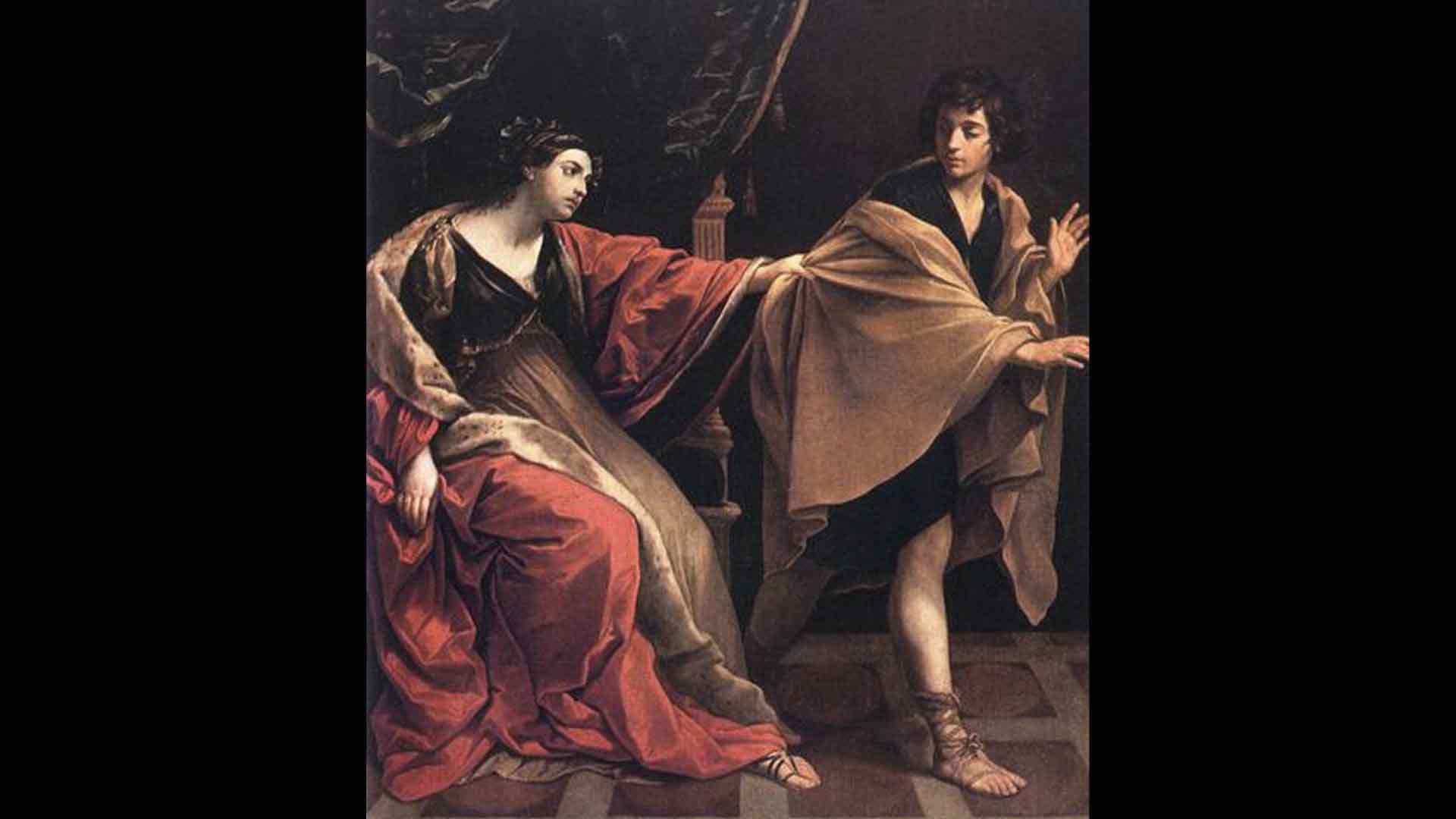
Joseph and Potiphar’s Wife from the Book of Jasher | Delisa Hargrove

Sotah 36: עֵדוּת בִּיהוֹסֵף

jyungar May 4, 2023

For the source text click/tap here: Sotah 36

To download, click/tap here: PDF

The Gemora asks: What was the incident with Yosef? It is written: There was one such day that he went into the house to do his work. Rabbi Yochanan said: This teaches us that both Yosef and Potiphar’s wife had the intention of sinning. He went into the house to do his work.

Rav and Shmuel disagree in their interpretation. One of them said that it literally means that he entered the house in order to do his work; but the other one said that he entered to satisfy his desires with her.

And there were no men of the house in the house. Is it possible that no one was around in a huge house like that of the wicked Potiphar?

We explore the episode from different perspectives and what we learn about human behavior and self control.

How Yosef had an added letter to his name because of his moral stand.

Tags 37th
Comment

Sotah 35: "שֶׁקָּרָא לְדִבְרֵי תוֹרָה ״זְמִירוֹת

jyungar May 3, 2023

For the source text click/tap here: Sotah 35

To download, click/tap here: PDF

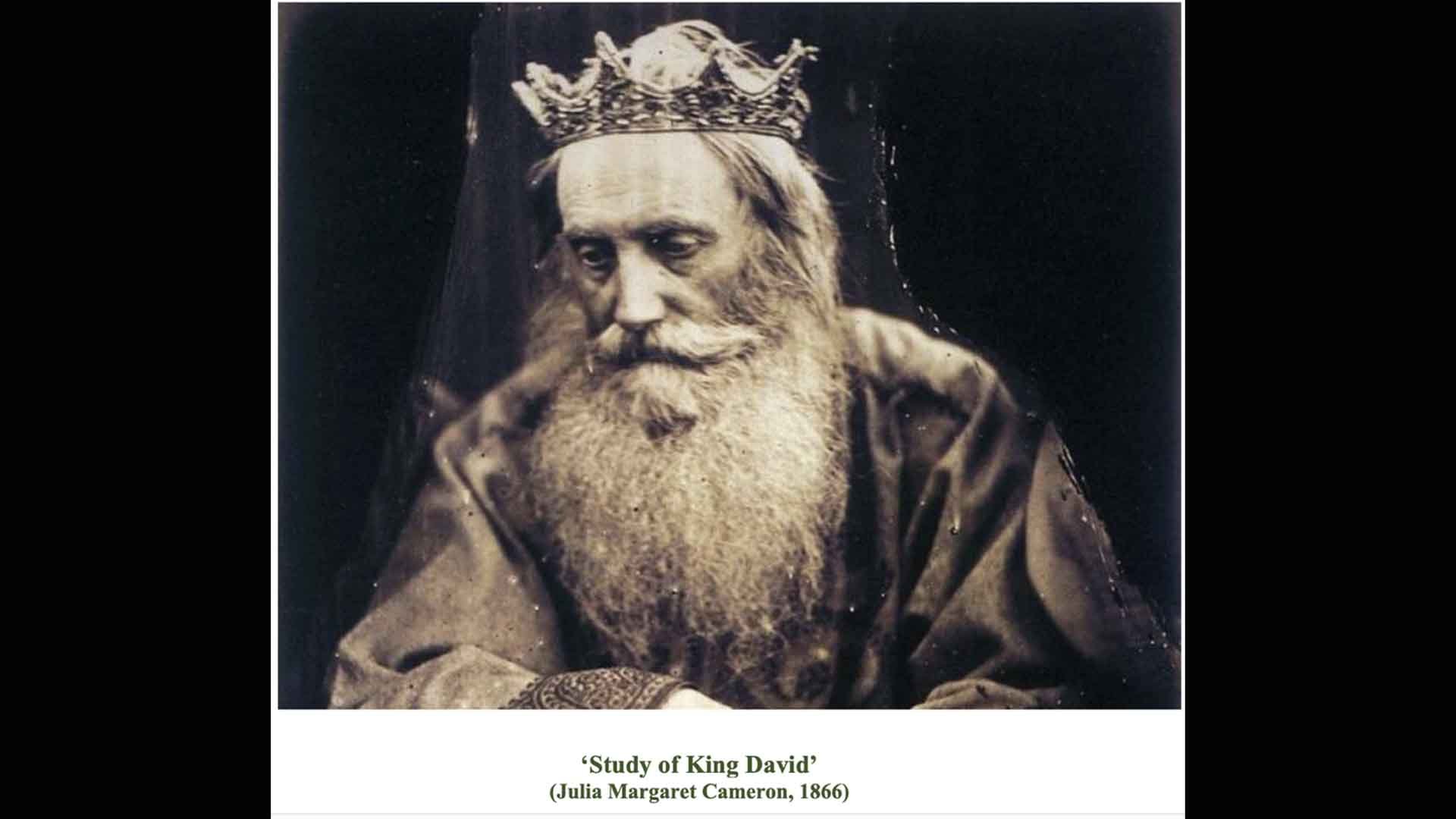
Dovid ha'Melech was punished for calling Divrei Torah "Zemiros," songs (Tehilim 119:54). Hashem said to him, "Divrei Torah can be forgotten in the blink of an eye (Mishlei 23:5), and you are calling them 'Zemiros' (that are treated lightly, without concentration)!" Hashem caused him to forget an explicit verse as punishment for treating Divrei Torah like Zemiros.

The Marsha suggests that Dovid ha'Melech was criticized for calling Divrei Torah "Zemiros," because calling the Torah "song" implies that the Torah flows easily from the lips without concentration and constant effort. In order to truly acquire Divrei Torah, a person must put great effort into learning Torah.

For one who does not learn Torah Lishmah, but merely in order to reach a particular goal, the Torah indeed is comparable to "Zemiros" and it does not become a part of the person.

We explore various topics including Uzza’s death and my essay on Dovid Hamelech.

Tags 37th
Comment
  • Daf Ditty
  • Older
  • Newer

Julian Ungar-Sargon

This is Julian Ungar-Sargon's personal website. It contains poems, essays, and podcasts for the spiritual seeker and interdisciplinary aficionado.​