Julian Ungar-Sargon

  • Home
  • Theological Essays
  • Healing Essays
  • Podcast
  • Poetry
  • Daf Ditty
  • Deep Dive Ditty
  • Videos
  • Publications
  • Military Service
  • Dominican University
  • Home
  • Theological Essays
  • Healing Essays
  • Podcast
  • Poetry
  • Daf Ditty
  • Deep Dive Ditty
  • Videos
  • Publications
  • Military Service
  • Dominican University
Julian Ungar-Sargon copy 3.jpg

Daf Ditty

A wide-ranging commentary on the daily page of Talmud.

Sotah 37: Mount Grizim vs. Mount Ebal

jyungar May 5, 2023

For the source text click/tap here: Sotah 37

To download, click/tap here: PDF

“Six tribes were sent to each mountain. And all Israel, and their elders and officers and their judges, stood on this side of the Ark and on that side, before the priests the Levites, the bearers of the Ark of the covenant of the L—rd … half of them in front of Mount Gerizim and half of them in front of Mount Ebal, as Moses the servant of the L-rd had commanded, to bless the people of Israel first. And afterward [Joshua] read all the words of the law, the blessing and the curse, according to all that is written in the book of the Torah.”

§ It is stated in the mishna: They turned to face Mount Gerizim and opened with a blessing: Blessed be the man who does not make a graven or molten image (see Deuteronomy 27:15), and these people and those people, i.e., the two groups standing on either mountain, answered: Amen. Then they turned to face Mount Ebal and opened with the curse:

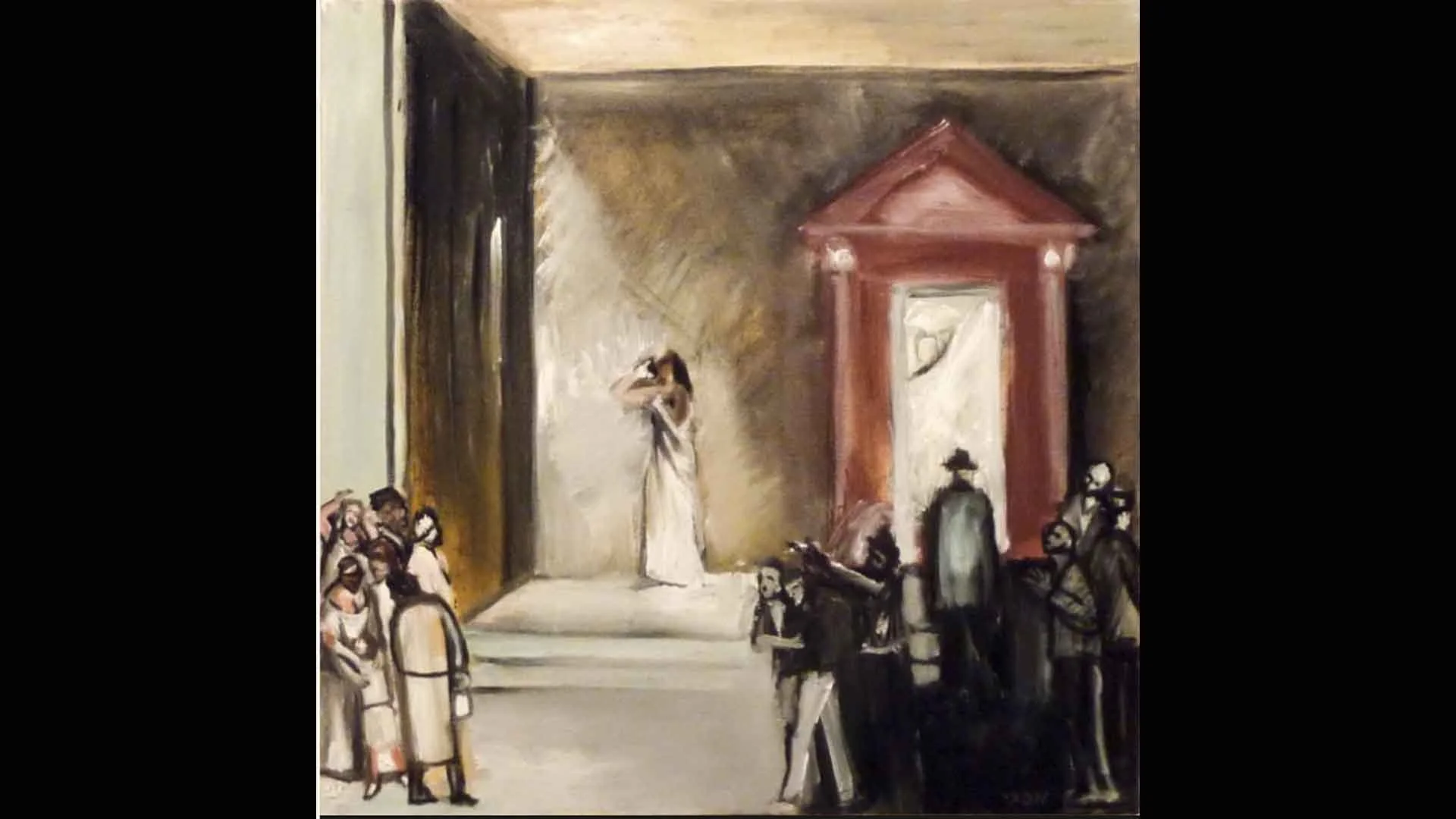
We explore the differences and similarities between these mountains and the polemic with the karaites…
Tags 37th
Comment

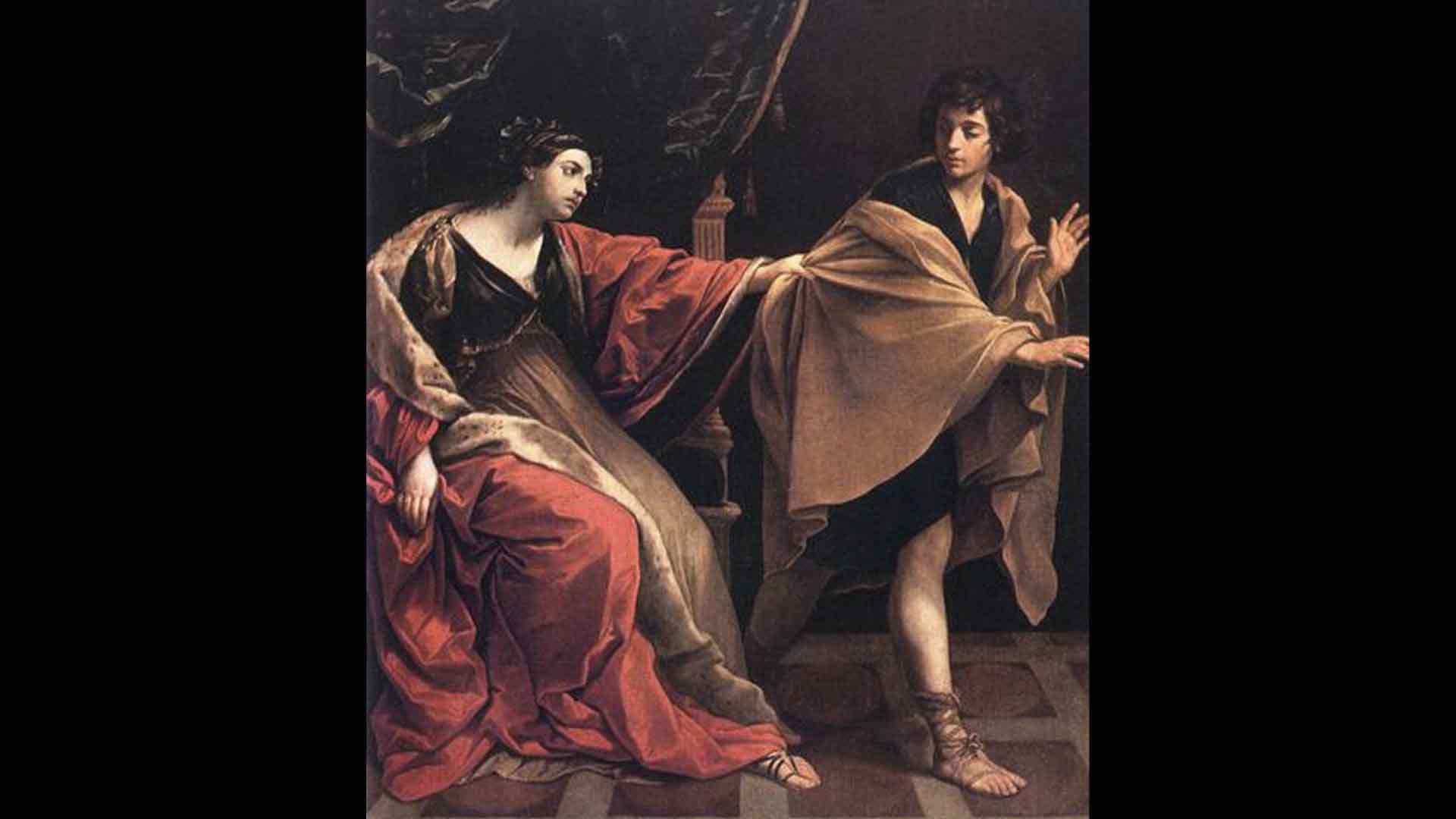
Joseph and Potiphar’s Wife from the Book of Jasher | Delisa Hargrove

Sotah 36: עֵדוּת בִּיהוֹסֵף

jyungar May 4, 2023

For the source text click/tap here: Sotah 36

To download, click/tap here: PDF

The Gemora asks: What was the incident with Yosef? It is written: There was one such day that he went into the house to do his work. Rabbi Yochanan said: This teaches us that both Yosef and Potiphar’s wife had the intention of sinning. He went into the house to do his work.

Rav and Shmuel disagree in their interpretation. One of them said that it literally means that he entered the house in order to do his work; but the other one said that he entered to satisfy his desires with her.

And there were no men of the house in the house. Is it possible that no one was around in a huge house like that of the wicked Potiphar?

We explore the episode from different perspectives and what we learn about human behavior and self control.

How Yosef had an added letter to his name because of his moral stand.

Tags 37th
Comment

Sotah 35: "שֶׁקָּרָא לְדִבְרֵי תוֹרָה ״זְמִירוֹת

jyungar May 3, 2023

For the source text click/tap here: Sotah 35

To download, click/tap here: PDF

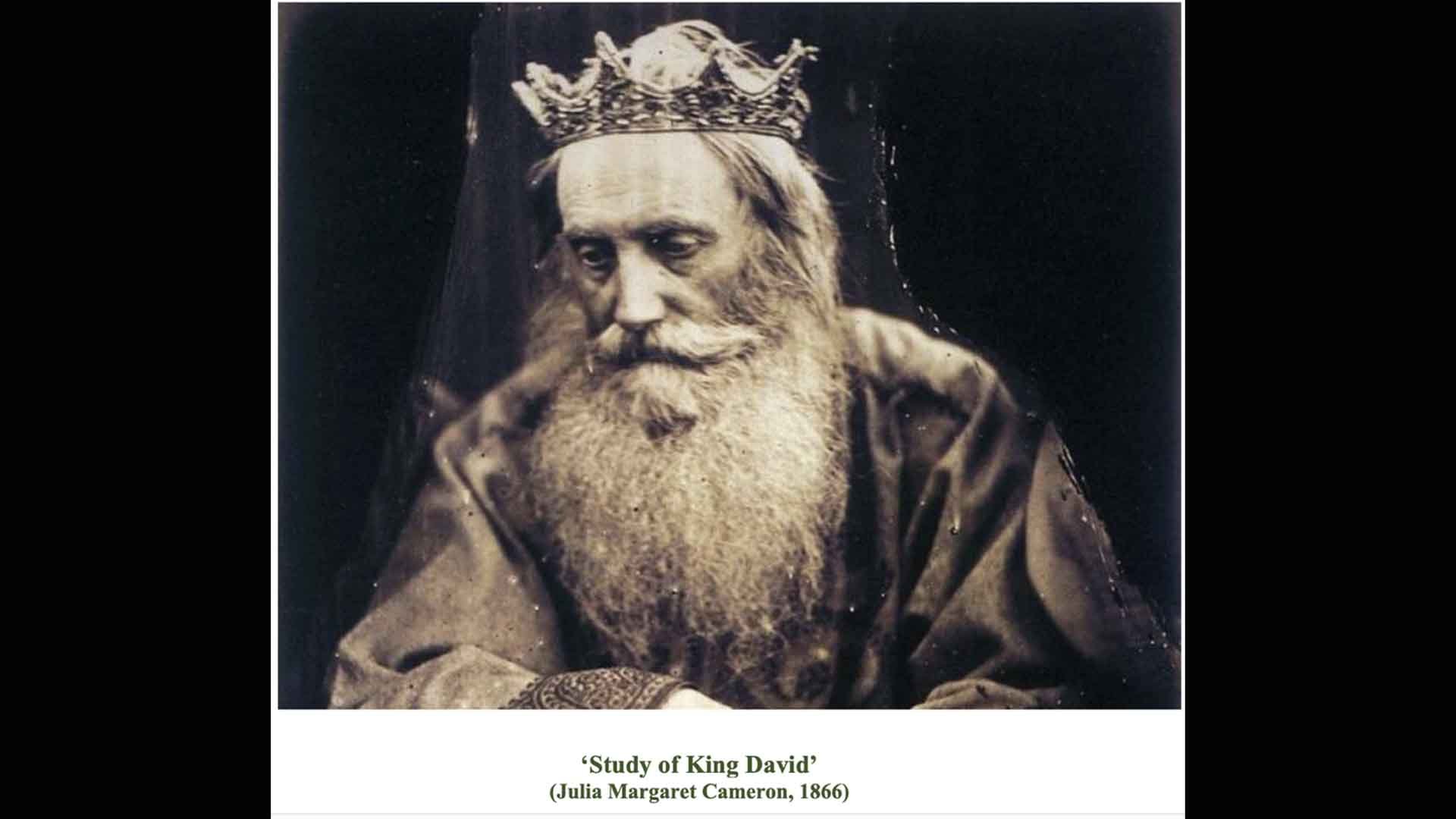
Dovid ha'Melech was punished for calling Divrei Torah "Zemiros," songs (Tehilim 119:54). Hashem said to him, "Divrei Torah can be forgotten in the blink of an eye (Mishlei 23:5), and you are calling them 'Zemiros' (that are treated lightly, without concentration)!" Hashem caused him to forget an explicit verse as punishment for treating Divrei Torah like Zemiros.

The Marsha suggests that Dovid ha'Melech was criticized for calling Divrei Torah "Zemiros," because calling the Torah "song" implies that the Torah flows easily from the lips without concentration and constant effort. In order to truly acquire Divrei Torah, a person must put great effort into learning Torah.

For one who does not learn Torah Lishmah, but merely in order to reach a particular goal, the Torah indeed is comparable to "Zemiros" and it does not become a part of the person.

We explore various topics including Uzza’s death and my essay on Dovid Hamelech.

Tags 37th
Comment

Sotah 34: מַיִם נִגְדָּשִׁין וְעוֹלִין כִּיפִּין

jyungar May 2, 2023

For the source text click/tap here: Sotah 34

To download, click/tap here: PDF

The rabbis tell us their thoughts about what happened when the Israelites crossed the Jordan to finally reach Ha'aretz. It is clear that the rabbis are trying to make sense of source texts. How did the water flow backward? How did it rise to such heights? How did the water suddenly retract again? How did the different groups of Israelites manage? And what about the Ark?

The rabbis look at the speed of the water; the rate at which it would rise or fall. Based on descriptions in the books of Numbers and Joshua, they describe precisely who carried the Ark on poles; how the people were placed as they crossed the Jordan.

Tags 36th
Comment

1803 Sephardic prayer book, Jewish Museum of Switzerland

Sotah 33: וּתְפִלָּה בְּכׇל לָשׁוֹן

jyungar May 1, 2023

For the source text click/tap here: Sotah 33

To download, click/tap here: PDF

One of the examples presented by the Mishna (32a) of things that can be said in any language is tefilla – prayer. The Gemara simply explains that since prayer is a heartfelt request from God, a person must be able to express it in any way that he desires.

The Gemara raises an objection to this by pointing to a statement made by Rav Yehuda that a person should not pray in Aramaic, since the heavenly angels cannot understand that language; Rabbi Yoḥanan teaches that if a person prays in Aramaic, his prayers are ignored by the angels since they do not understand Aramaic.

We explore the halachot of praying in the vernacular and the approach of the Chasm Sofer.

Tags 36th
Comment

Siloam Inscription at Istanbul Archaeological Museum

Sotah 32: לְשׁוֹן הַקּוֹדֶשׁ

jyungar April 30, 2023

For the source text click/tap here: Sotah 32

To download, click/tap here: PDF

Steinsaltz introduces the new perk:

The seventh perek of Massekhet Sota, which begins on our daf , teaches the halakha that the warning given to a woman who is suspected of adultery can be given be-khol lashon – “in any language”; it does not need to be said in the language that it is written in the Torah.

This teaching leads the Mishna to list a number of formal statements that can be made in any language (for example, the recitation of Shema, Grace after meals, various vows made in court) and some that can only be said in the original Hebrew text (such as a Priestly blessing, a halitza, the speech made by the kohen before leading the army into battle).

We explore the importance of lashon hakodesh in our self definition.

Tags 36th
Comment

Sotah 31: עוּבָּרִים שֶׁבִּמְעֵי אִמָּן אָמְרוּ שִׁירָה

jyungar April 29, 2023

For the source text click/tap here: Sotah 31

To download, click/tap here: PDF

As we learned on yesterday’s daf, based on his interpretation of the passage in Tehillim (68:27) Rabbi Meir taught that at the time the Jewish people crossed the Red Sea, even unborn children in their mothers’ wombs broke out in a song of praise.

The Gemara on our daf questions how this could have happened; after all, how could they have seen the miracle that was taking place from their position inside the womb? Rabbi Tanhum responds to this question by saying that despite being hidden from the world, they were able to see because their mothers’ stomachs became like aspaklaria ha-me’ira – transparent glass – which allowed them to look out.

The term aspaklaria has its source in Latin as specularis or speculare, meaning “something transparent” or “a seeing glass” – from the same root as the word “spectacles.” On occasion the Talmud uses it to mean “a mirror.”

We explore this wonderful trope of the seeing fetus…in metaphor and in modern science.

Tags 36th
Comment

Shirat HaYam Challah Cover, Adam Rhine

Sotah 30: וְכֵיצַד אָמְרוּ שִׁירָה

jyungar April 28, 2023

For the source text click/tap here: Sotah 30

To download, click/tap here: PDF

We find that bo ba-yom Rabbi Akiva taught that az yashir was sung responsively (i.e., Moshe recited a line and the people repeated it), while Rabbi Nehemya understood that Moshe would begin a passage and the people would complete it. This discussion leads to a statement brought in the name of Rabbi Yosei HaGelili:

When the Children of Israel climbed out of the sea onto dry land, natnu enehem lomar shirah – they wanted to sing a song of praise. What did they do? With the appearance of the Shehina (God’s presence), a child resting on his mother’s lap sat up and a baby nursing at his mother’s breast dropped it from his mouth to say – “this is my God and I will glorify Him.”

We present a number of meditations on (Shirat Hayam) the Song of the Sea and explore the music of songs of the sea.

Tags 36th
Comment

Sotah 29: דָּבָר שֶׁיֵּשׁ בּוֹ דַּעַת

jyungar April 27, 2023

For the source text click/tap here: Sotah 29

To download, click/tap here: PDF

The Gemara explains the need for two separate derivations concerning uncertain contractions of ritual impurity: And the derivation that Rav Giddel said that Rav said was necessary, and it was also necessary to derive the principle of uncertain ritual impurity from sota; since if it were derived only through the derivation of Rav, I would say that it makes no difference whether the uncertain contraction of impurity occurred in the private domain or whether it occurred in the public domain. Therefore, it was necessary to derive from sota that uncertain impurity is considered impure only in the private domain.

We further explain the rabbinic views on infidelity as a metaphor for the divine communal axis with a comparison with Paul’s theology in Romans 7 as well ass Daniel Boyarin’s cultural analysis.

Tags 36th
Comment

Sotah 28: Tit for Tat

jyungar April 26, 2023

For the source text click/tap here: Sotah 28

To download, click/tap here: PDF

The first of the “Bo Bayom" teachings relates to the laws of Sota, where we find that Rabbi Akiva learns from passages in the parasha of Sota (see Bamidbar 5:12-31) that the “bitter waters” examine not only her behaviors, but his, as well.

Our Daf tell us that the woman who is accused of adultery after having been warned about seclusion is defiled in two different verses. Why? The rabbis consider the possibility that these defilements are in fact directed at the woman's husband and paramour as well as herself.

The rabbis speak about whether or not it makes a difference if the husband is also guilty of adultery. Or perhaps the husband is guilty of having intercourse with his wife on their way to the Temple when she is forbidden to him.

We explore the notion of the husband’s motive and guilt and a review of the novel The French Lieutenant’s Woman, and the obsessions of the paramour.

Tags 36th
Comment

Rabbi Eliézer, les Sages et les disciples à Bné-Brak

Sotah 27: בּוֹ בַּיּוֹם

jyungar April 25, 2023

For the source text click/tap here: Sotah 27

To download, click/tap here: PDF

Our Daf references one of the most dramatic stories in the Talmud, in which the rabbis come together to depose Rabban Gamliel as nasi (נשיא), or chief, of the rabbinic court.

Rabban Gamliel’s offense is the use of intimidation tactics to strengthen his own interpretations of Torah in the face of disagreement.

He actually has a history of acting in this way, particularly toward Rabbi Yehoshua, the second-highest ranking figure in the court and (perhaps) someone R. Gamliel saw as a threat to his own authority.

We explore the back story to the halachot decided on “that day” after his deposition.

Tags 36th
Comment

Sotah 26: אִם כֵּן, יִסָּתְרוּ כׇּל הָעֲקָרוֹת

jyungar April 24, 2023

For the source text click/tap here: Sotah 26

To download, click/tap here: PDF

“And she shall be cleared, and shall conceive seed” (Numbers 5:28), indicates that if she was barren, she will be remembered and conceive a child; this is the statement of Rabbi Akiva.

Rabbi Yishmael said to him: If so, all the barren women will seclude themselves with other men, and they will be remembered and conceive after drinking the bitter water and being found innocent; but that virtuous barren woman, who does not transgress the prohibition of seclusion, since she does not seclude herself with other men, she loses the opportunity to receive this blessing.

We explore the threat of becoming a South to induce the promise of pregnancy.

Tags 36th
Comment

The Sota Drinks, Richard Macbee

Sotah 25: עוֹבֶרֶת עַל דָּת

jyungar April 23, 2023

For the source text click/tap here: Sotah 25

To download, click/tap here: PDF

Steinsaltz summarizes as follows:

Our Gemara discusses the case of overet al dat – a woman who violates the precepts of Jewish custom, asking whether she needs to be warned by her husband if he plans to divorce her without paying her ketuba. Can he simply divorce her, given her behavior, or must he warn her in order to give her the opportunity to rectify her behavior? After some discussion of the matter, the Gemara concludes that she needs to be warned.

specifically, as explained by the rishonim, when her actions bring her husband to transgress as well. Examples include feeding him non-kosher food or engaging in relations with him when she is a nidda and forbidden to him.

The case of overet al dat yehudit is where the woman engages in behaviors that are considered inappropriate for a Jewish married woman – for example, going out in public without a covering on her head.

We explore the dual nature of the Sota, both the water ritual and the oath ritual buried in the literary strata of the text.

Tags 36th
Comment

The Miracle of the Jealous Husband is a fresco by the Italian Renaissance master Titian, executed in 1511 as part of the decoration of the Scuola del Santo in Padua, northern Italy. It portrays a man stabbing his wife after she has been unjustly accused of adultery.

Sotah 24: תּוֹרַת, הַקְּנָאֹת

jyungar April 22, 2023

For the source text click/tap here: Sotah 24

To download, click/tap here: PDF

Our mishnah deals with situations in which the woman, suspected of committing adultery, does not have the opportunity to drink the bitter waters, but rather she must be divorced and does not receive her ketubah.

The Torah uses the word “wife” (alternatively translated as woman) in summarizing the laws of the Sotah. From here the rabbis deduce that she must have the status of full wife in order to drink the bitter waters. A betrothed woman does not have such a status and hence, even if her fiancé forbids her from being secluded with a certain man and afterwards, she is secluded with him, she does not undergo the sotah ordeal. Similarly, a “shomeret yavam”, a woman whose husband died childless and is waiting for either levirate marriage (yibbum) or the release from levirate marriage (halitzah), does not drink the bitter waters.

We explore further the notion of the jealous husband.

Tags 36th
Comment

Sotah 23: הִיא כְּכׇל הַמְּנָחוֹת

jyungar April 21, 2023

For the source text click/tap here: Sotah 23

To download, click/tap here: PDF

The next Mishnah lists the differences between men and women with regard to details of Mitzvos such as the procedure required by a woman who is a Metzora or a woman who is a Nezirah, the status of a son whose mother attempts to make him a Nazir, how a woman is punished with Sekilah, and how she is treated if she steals.

The Mishnah mentions only these differences because they are related to the Mishnah's discussion about the how to sacrifice the Minchah offering of a Kohen. The Mishnah says that when a Kohen donates a Minchah, there is a difference between the way the Minchah is offered when donated by a male Kohen and when donated by a female Kohenes. This difference is not a general difference between the Kohen and Kohenes. In contrast, all of the Mitzvos omitted by the Mishnah are general obligations and not matters of details about a Mitzvah.

We explore the korban minchah according to the Rambam and further understanding of rabbinic attitudes to adultery compared to Roman and Christian attitudes in the late antique period.

Tags 36th
Comment

Sotah 22: Fake Frumkeit

jyungar April 20, 2023

For the source text click/tap here: Sotah 22

To download, click/tap here: PDF

Our dad teaches that there are seven types of perushin that fall into this category, the common thread among them is that these people are hypocrites who present themselves as God-fearing, religious people when in fact they are just putting on a show.

The perushin are the Pharisees, the sages of the Talmud, while the zedukim are the Sadducees, the elite class that rejected many of the traditions of the perushin.

Those who use the crown of Torah to further their personal objectives were the dangerous ones.

We explore the phenomenon of false piety and fake frumkeit.

Tags 36th
Comment

Art by Zalman Kleinman

Sotah 21: מְלַמְּדָהּ תִּיפְלוּת

jyungar April 19, 2023

For the source text click/tap here: Sotah 21

To download, click/tap here: PDF

Rabbi Eliezer said: If someone teaches his daughter Torah, he is teaching her lewdness. Tosfos cites a Yerushalmi which notes that Ben Azzai does not follow the exposition of Rabbi Elozar ben Azaryah. For it is written regarding the mitzvah of Hakhel that men, women, and children should assemble.

The Rambam rules that a woman who studies Torah receives reward, but not in the same capacity as a man. However, the Chachamim commanded a father not to teach Torah to his daughter, for women, in general, are not capable of understanding the intricacies and the fine details of the Torah, and it will lead them to incorrect halachic conclusions.

This admonition is only applicable to the Oral Law; however, with respect of the Written Law, one should not teach it to her, but if he does, it is not regarded as if he taught her lewdness.

We explore women’s learning from a number of perspectives.

Tags 36th
Comment

Sotah 20: פַּחדְּאָ צמָיֵת, בּיִעתֲוּתאָ מרְפַּיְאָ

jyungar April 18, 2023

For the source text click/tap here: Sotah 20

To download, click/tap here: PDF

Steinsaltz writes:

According to the Mishna on our daf, if the sota is in fact guilty of adultery, after she drinks the “bitter water” her face will begin to turn green and her eyes will bulge out. At that point the people standing nearby immediately remove her from the Temple precincts lest she me-tameh the holy place.

The Gemara attempts to clarify what the fear of ritual defilement might be.

Abaye explains that the concern is that she might bleed and become a nidda.

The Gemara offers support to the idea that a sudden fear might cause a woman to become a nidda from the passage in Megillat Esther (4:4), which is understood by Rav to mean that Esther became a nidda upon hearing that Mordekhai was in sackcloth following Haman’s decree.

At the same time, the Gemara questions whether this is true, given the Mishna in Massekhet Nidda which teaches that fear stops a woman from menstruating. The Gemara’s explanation is that although a long-term fear may keep a woman from menstruating normally, a sudden shock may cause a woman to bleed.

We explore the evidence for the influence of stress and menstruation.

Tags 36th
Comment

Sotah 19: כַּלְבּוֹס שֶׁל בַּרְזֶל

jyungar April 17, 2023

For the source text click/tap here: Sotah 19

To download, click/tap here: PDF

The priest would force the woman to drink the bitter water of a sota, and afterward he would sacrifice her meal-offering. Rabbi Shimon says: The priest would sacrifice her meal-offering and afterward he would force her to drink.

The Gemara asks: But does Rabbi Akiva in fact hold that the woman is forced to drink against her will? But isn’t it taught in a baraita (Tosefta 2:3) that Rabbi Yehuda says: A hook [kelabus] made of iron is forcibly placed into her mouth, so that if the scroll was erased and she said: I will not drink, she is forced to drink against her will.

We explore the use of coercion in forcing confessions in the talmud and in western law.

Tags 36th
Comment

Sotah 18: “״אָמֵן״ ״אָמֵן

jyungar April 16, 2023

For the source text click/tap here: Sotah 18

To download, click/tap here: PDF

“Amen, amen” (Number 5:22), mentioned twice, why?

The mishna explains that it includes of the following: Amen on the curse, as she accepts the curse upon herself if she is guilty, and amen on the oath, as she declares that she is not defiled.

She states: Amen if I committed adultery with this man about whom I was warned, amen if I committed adultery with another man. Amen that I did not stray when I was betrothed nor after I was married.

We explore the double expression and the use of amen in liturgy and as an affirmative.

Tags 36th
Comment
  • Daf Ditty
  • Older
  • Newer

Julian Ungar-Sargon

This is Julian Ungar-Sargon's personal website. It contains poems, essays, and podcasts for the spiritual seeker and interdisciplinary aficionado.​