Julian Ungar-Sargon

  • Home
  • Theological Essays
  • Healing Essays
  • Podcast
  • Poetry
  • Daf Ditty
  • Deep Dive Ditty
  • Videos
  • Publications
  • Military Service
  • Dominican University
  • Home
  • Theological Essays
  • Healing Essays
  • Podcast
  • Poetry
  • Daf Ditty
  • Deep Dive Ditty
  • Videos
  • Publications
  • Military Service
  • Dominican University
Julian Ungar-Sargon copy 3.jpg

Daf Ditty

A wide-ranging commentary on the daily page of Talmud.

King Hussein flying over the Temple Mount while it was under Jordanian control, 1965

Pesachim 67: Har HaBayit

jyungar January 27, 2021

For the source text click/tap here: Pesachim 67

To download, click/tap here: PDF

The Gemara discusses three level of tuma– of ritual defilement:

• Tumat met – someone whose ritual defilement stems from contact with a dead body

• Tumat zav – someone suffering from a venereal disease.

• Tumat tzora’at – someone who is a metzora (commonly translated as leprosy).

This sugya leads us to discuss the fact that many religious Jews do not visit Har HaBayit (the Temple Mount) today. This is because we are all presumed to be in a state of tumat met (ritual impurity due to “contact” with the dead), and a tamei met is prohibited from ascending Har HaBayit.

Tags 9th
Comment

Pesachim 66: בני בתירא and Hillel

jyungar January 26, 2021

For the source text click/tap here: Pesachim 66

To download, click/tap here: PDF

Our daf cites a baraita that tells how B'nei Beteira had forgotten the rule that the Pesah sacrifice is brought even on Shabbat.

The B'nei Beteira appear to have been the ancestors of a well-known rabbinic family, including, for example, the sage Rabbi Yehuda ben Beteira, who lived several generations after the destruction of the Temple. It appears that this family held a position of national religious and spiritual authority, even though they did not have an official position as did the family of the Nasi. We find that they are consulted on matters of national importance not only during Hillel’s time, but after the destruction of the Temple during Rabbi Yoḥanan ben Zakkai’s time, as well. The dramatic appointment of Hillel and the relationship between arrogance and dementia.

Tags 9th
Comment

Pesachim 65: אוי לו מי שבניו נקבות

jyungar January 25, 2021

For the source text click/tap here: Pesachim 65

To download, click/tap here: PDF

Sometimes we we will encounter material that may feel foreign or even, at times, repugnant. (We will of course face this challenge again when we get to entire tractates that deal with laws of Temple service and sacrificial worship.) How can we respond to this challenge? In a number of ways: We can view these pages as material that we have to get through as part of the Daf Yomi cycle.

It may seem boring or irrelevant, but in the spirit of Nike, we’ll “Just Do It.” As part of our Mesorah.

A second approach would be to adopt an anthropological curiosity, approaching the text with the intention of learning about the theology or culture of Temple worship.

Or, third, we can embrace the task of finding meaning, despite the difficult or uninspiring nature of the subject matter. Ultimately, we may come to find meaning in the content itself, or we may derive meaning from the fact and process of our study.

Yet we must never lose our moral compass or critical tools.

So when on this Daf we are told :

: אוֹי לוֹ מִי שֶׁבָּנָיו נְקֵבוֹת

leads us to examineHassidic Women and then

Gender Identity in Halakhic Discourse, and The Effect of Traditional Masculinity on Gender Equality

Tags 9th
Comment

Jews who escaped from Poland to Russia, baking matzah for Passover, USSR, 1943

Pesachim 64: Hallel

jyungar January 24, 2021

For the source text click/tap here: Pesachim 64

To download, click/tap here: PDF

It is unclear what Hallel was being recited during the korban Pesach. Some say that it is what we call Hallel – the Hallel ha-Mitzri, which focuses on the exodus from Egypt (Ps113-118). Others say that Hallel ha-Gadol (Ps 136) was also included. Either way we examine the history of Hallel then and during the Shoah and COVID.

Tags 9th
Comment

Hezekiah's mid-slope wall (later repaired by Nehemiah) as it passes over corner of the earlier Jebusite wall above the Gihon Spring

Pesachim 63: Beit Pagi/Walls of Jerusalem

jyungar January 23, 2021

For the source text click/tap here: Pesachim 63

To download, click/tap here: PDF

There are many opinions, but it appears that Beit Pagei represented the “third wall” that surrounded the “new city” of Jerusalem. Some say that Beit Pagei is from the Latin root meaning “to eat.” According to this opinion, it was so named because within that wall was still considered Jerusalem with regard to the mitzva of eating korbanot that had to be consumed within the city walls. There also was a small village just outside of Jerusalem that was called Beit Pagei – perhaps because of the figs (pagim) that grew there.

Tags 9th
Comment

Pesachim 62: Genealogies/יוחסין ספר

jyungar January 22, 2021

For the source text click/tap here: Pesachim 62

To download, click/tap here: PDF

Rabbi Simlai came before Rabbi Yoḥanan. He said to him: Would the Master teach me the Book of Genealogies?

The Book of Genealogies was a collection of tannaitic teachings that formed a midrash on the book of Chronicles.

This leads us to examining the notion of Yichus as applied to Chronicles vs kings and in Midrash.

Tags 9th
Comment

Pesachim 61: Arel and Korban Pesach

jyungar January 21, 2021

For the source text click/tap here: Pesachim 61

To download, click/tap here: PDF

The biblical prohibition of an arel participating in the Korban Pesach registration is examined and raises the question as to whether an uncircumcised person may attend a Seder.

Tags 9th
Comment

Pesachim 60: Minui

jyungar January 20, 2021

For the source text click/tap here: Pesachim 60

To download, click/tap here: PDF

Our daf struggles with the offering of the korban Pesach brought outside the time limits and the notion of registration.

Tags 9th
Comment

Pesachim 59: TWO "MACHSHAVOS" DURING ONE "AVODAH"

jyungar January 19, 2021

For the source text click/tap here: Pesachim 59

To download, click/tap here: PDF

Tags 9th
Comment

Pesachim 58: Minchah

jyungar January 18, 2021

For the source text click/tap here: Pesachim 58

To download, click/tap here: PDF

Tags 9th
Comment

Pesachim 57: Goats vs Sheep

jyungar January 17, 2021

For the source text click/tap here: Pesachim 57

To download, click/tap here: PDF

A person who brings a sin-offering has a choice of either bringing a sheep or a goat. If a sheep is brought, no one will know that it is a sin-offering, as it could also be a voluntary sacrifice; a goat clearly indicates that the sacrifice is being brought because of a sin.

This might have informed the curious debate between the king and queen as to the preference of goat meat over lamb.

Other contenders for reifying this debate to the spiritual realm includes the the debate between Isaac and Rebecca about their sons Esau and Jacob.

In an effort to make sense of this enigmatic piece of haggada/history we turn to the midrashic/chassidic masters to forge a connection between the king and the queen, the goats vs. the sheep and possible biblical archetypes, that of the character of Jacob vs Esau in determining what type of spiritual being is superior, a tzaddik or a Baal Teshuva.

To one extent or another, this debate rages on in our present day and age between those who choose to concentrate all their energies on the insular life and those who insist we have to step out into the world and confront our reality.

Tags 9th
Comment

Pesachim 56: Hezekiah Buried The Book of Cures

jyungar January 16, 2021

For the source text click/tap here: Pesachim 56

To download, click/tap here: PDF

Following the Mishnaic teaching about the six customs of the people of Jericho, the Gemara tells of six actions of King Hizkiyahu, three of which received the approval of the Sages, three of which did not. One of King Hizkiyahu’s activities was suppressing the sefer refu’ot, the Book of Cures, from popular use.

Chizkiyah also concealed a book that contained healing remedies, because people would no longer be submissive when they became ill, as following the instructions in this book would bring them an instant cure.

Why did he bury what might have been a source of healing?

After reviewing the opposing reason by Rashi and Mainonides we review the very conflict between the permission to heal vs reliance in providence.

Tags 9th
Comment

Pesachim 55: Broodiness

jyungar January 15, 2021

For the source text click/tap here: Pesachim 55

To download, click/tap here: PDF

One of the activities that might be restricted on erev Pesah involves an egg farmer who prepares nests or coops for his birds. The Mishna teaches that hens can be put on eggs to warm them for hatching on the 14th of Nisan; similarly, if a hen has abandoned her post on the eggs she can be returned to it, or if the hen dies another can be brought as a replacement. These activities are not true melakhot, but they do involve a certain amount of hard work to accomplish.

“Brooding” (degira in modern Hebrew) involves a complex hormonal change in the chicken that gets the bird to sit for weeks on end in a single place.

This leads us (on a wild ride admittedly) to the physiological basis for brooding in avians to broodiness in men and women, falling in love and the Byronic hero…..

Tags 9th
Comment

Pesachim 54: Die Niemandsrose

jyungar January 14, 2021

For the source text click/tap here: Pesachim 54

To download, click/tap here: PDF

According to the Mishna, even in places where the custom was to permit people to work on Tisha b’Av, Torah scholars refrained from working. Rabban Shimon ben Gamliel taught that it would be appropriate for everyone to consider himself a scholar with regard to this custom, i.e. that anyone who can, should refrain from work on the fast day.

This leads us to the notion of mourning, Tisha B’AV (a la Soloveitchik) and ending with the poetry of Paul Celan who reshaped language in the face of the SHOAH.

“No more need for walls, no more need for barbed wire as in the concentration camps. The incarceration is chemical “

Tags 9th
Comment

'The Plague of Frogs,' engraving by Gerard Jollain (1670)

Pesachim 53: THEODOSIUS OF ROME "Todos Ish Romi"

jyungar January 13, 2021

For the source text click/tap here: Pesachim 53

To download, click/tap here: PDF

The Rabbis sent Todos a message, saying: If you were not Todos (a great scholar and respected personage in the community), we would have excommunicated you because you are causing Jews to eat kodashim - sacrificial meat, outside of Yerushalayim.

But Todos was a powerful man leader and benefactor of the Rabbis….

This leads us to an investigation of the Jews of Rome past and present and the fascinating case of Rabbi Israel Zolli of Rome who converted.

Tags 8th
Comment

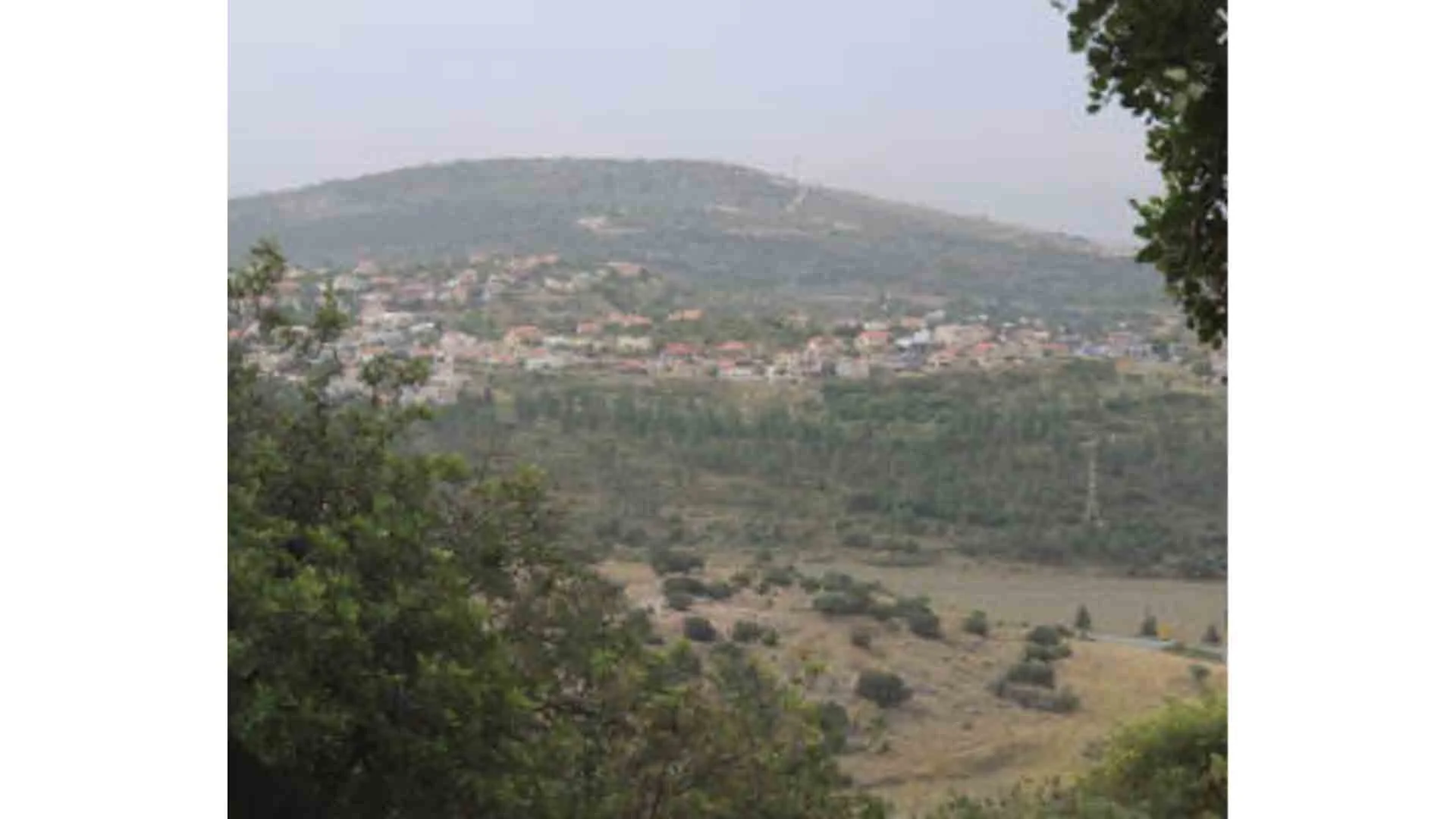
Kfar Hananiah

Pesachim 52: Hananya/Kfar Inan

jyungar January 12, 2021

For the source text click/tap here: Pesachim 52

To download, click/tap here: PDF

There are three territories in respect to the law of removal [of sheviit produce]: [these are]: Judea, Transjordan, and Galilee, and there are three territories in each one. Upper Galilee, lower Galilee, and the valley. From Kefar Hananiah upwards, the region where sycamores do not grow, is Upper Galilee. From Kefar Hananiah downwards, where the sycamores do grow, is Lower Galilee.

Ancient Kfar Hananya was a Jewish village during the period of Roman and Byzantine rule in the Galilee. After the Ottoman Empire conquered Palestine, the village came to be known as Kafr 'Inan and became an all-Muslim village.

During the 1948 Arab-Israeli War, Kafr 'Inan was captured by the Golani Brigade of the Israel Defense Forces as part of Operation Hiram and the area was subsequently incorporated into the State of Israel. The villagers were expelled.

Modern day Kefar Hannaniah has an ancient tradition but for me the erasure of the local population of Kfar Inan requires an examination of all the villages that were ethnically cleansed in 1948 during operation Hiram.

Tags 8th
Comment

Pesachim 51: Cordax

jyungar January 11, 2021

For the source text click/tap here: Pesachim 51

To download, click/tap here: PDF

The Gemora returns to discuss various customs which one must not permit in public including wearing a wide kurdekison sandal outside on Shabbos, and we are not concerned that it will slip off and he will pick it up. Nevertheless Yehuda and Hillel, Rabban Gamliel’s sons, wore them in Birai, and were slandered, saying that they never saw anybody do that. They slipped them off and gave them to their servants, since they didn’t want to tell them it was permitted. This leads us to the discussion of the Greek etymology of the kurdekison a dancing shoe and the dance known as the Cordax (not the Lorax!).

Tags 8th
Comment

Pesachim 50: “Indolent But Rewarded" Women of Machoza

jyungar January 10, 2021

For the source text click/tap here: Pesachim 50

To download, click/tap here:  PDF

Rava says "With regard to those women of Machoza, even though they do not work on Erev Shabbos, it is due to excessive pampering, because they don't work on any other day [either]. Even so, we call them 'indolent but rewarded.”

This statement leads us to a discussion of what shelo lishma and intentionality means.

Tags 8th
Comment

Pesachim 49: Shidduchim

jyungar January 9, 2021

For the source text click/tap here: Pesachim 49

To download, click/tap here:  PDF

Despite the pious recommendations in our Daf the situation on the ground for most young people today, who wish to make use of the shadchanim is demoralizing. From the “resume” to the intrusive FBI tactics used prospective in laws to the artificial first date chaperoned even in non chassidic circles and the incidence of divorce soon after marriage forces us to critique the system as is employed. Below is my daughter’s view of the landscape…

Tags 8th
Comment

Detail of grasshopper on table in Rachel Ruysch's painting Flowers in a Vase, c. 1685. National Gallery, London

Pesachim 48: כקרני חגבים

jyungar January 8, 2021

For the source text click/tap here: Pesachim 48

To download, click/tap here:  PDF

In our mishnah there is a difference of opinion concerning the visual signs of partly leavened bread. Rabbi Yehudah ben-Ilai says that when Tanna Kamma refers to partly leavened bread he means that when it comes out of the oven it has a crust with small cracks in it - cracks that look like the antennae of grasshoppers: two small cracks only in a kind of V-shape.

This leads us to ponder the use of the grasshopper for the shape of a crack and the function of its antennae.

Tags 8th
Comment
  • Daf Ditty
  • Older
  • Newer

Julian Ungar-Sargon

This is Julian Ungar-Sargon's personal website. It contains poems, essays, and podcasts for the spiritual seeker and interdisciplinary aficionado.​