Allegorical depiction of the Four Seasons (Horae) and smaller attendant figures that flank a Roman double-doorway representing the entrance to the afterlife, on a mid-3rd century AD sarcophagus

Eruvin 100: Animal Morality
For the source text click/tap here: Eruvin 100
To download, click/tap here: PDF
Unfortunately, I am too much of a historicist and learn nothing about “truth” for the sacred texts cited and the learned discussion above. Spirit for me, is so incarnated in this beautiful cosmos as it unfolds that these texts, albeit sacred, reveal more about their authors than about what is out there.
If postmodern reading means anything, it taught me to see my own biases in these texts, and thus a mirror of myself and my reading practices and (lack of) mastery of the entire corpus of rabbinic literature.
When it comes to nature and morality or nature and Torah, these are cultural constructions we have built, however magnificent the edifices, and are just that. What is my connection with the animal world? DO I learn anything moral from an animal? How absurd! I must move away from these literal readings for them to still make sense.
Which brings me to the fantasy world of Rebbe Nachman who uses animals as tropes of the imagination as we shall see below.
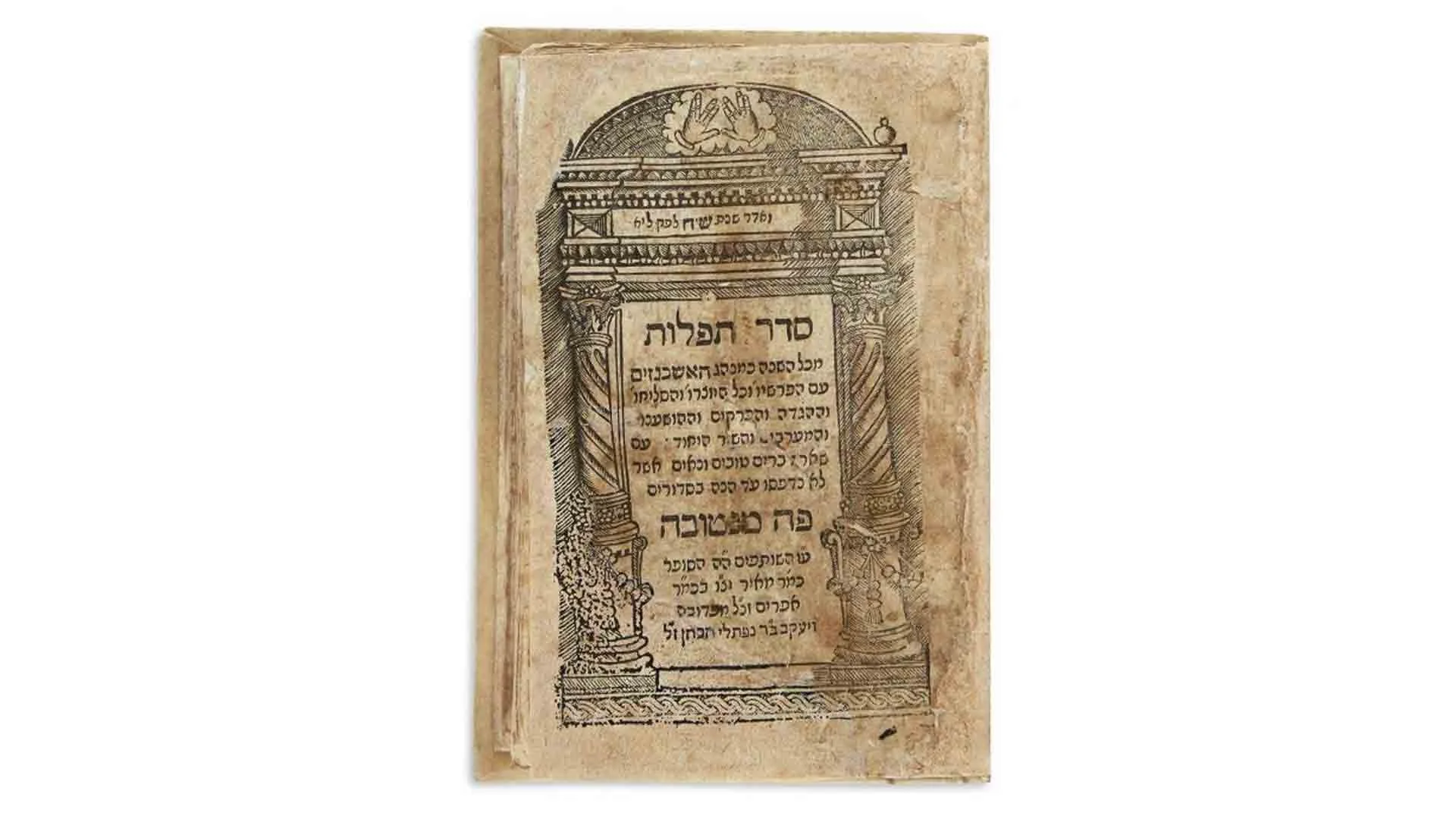
Mantua: Venturino Roffinello for Jacob ben Naphtali Hakohen & Meir b. Ephraim of Padua 1558
Eruvin 99: Kumen Tsum Oysshpayen in Aleinu
For the source text click/tap here: Eruvin 99
To download, click/tap here: PDF

The Torah Scroll in the Delivery Room: “Ceremonies for Woman in Labor and Confinement”—from P.C. Kirchner, Jüdisches Ceremoniel, Nuremberg, 1724
Eruvin 98: Scrolls and Magic
For the source text click/tap here: Eruvin 98
To download, click/tap here: PDF

Eruvin 97:A Knotty Problem
For the source text click/tap here: Eruvin 97
To download, click/tap here: PDF

Eruvin 96:Michal’s Tefillin
For the source text click/tap here: Eruvin 96
To download, click/tap here: PDF

A member of the Women of the Wall prays at the Western Wall in Jerusalem’s Old City
Eruvin 95:Women Donning Tefillin
For the source text click/tap here: Eruvin 95
To download, click/tap here: PDF

Eruvin 94:Pi Tikra and Brooklyn’s Elevated Train Track
For the source text click/tap here: Eruvin 94
To download, click/tap here: PDF

The Fall of the Berlin Wall
Eruvin 93:When Walls Collapse
For the source text click/tap here: Eruvin 93
To download, click/tap here: PDF

The Hurva Synagogue in Jerusalem: Twice Destroyed, Thrice Built
Eruvin 92:Hurva: Hymn Among the Ruins
For the source text click/tap here: Eruvin 92
To download, click/tap here: PDF

Eruvin 91:Whispers and the Sounds of Silence
For the source text click/tap here: Eruvin 91
To download, click/tap here: PDF

Eruvin 90:Imbrex and Tegula
For the source text click/tap here: Eruvin 90
To download, click/tap here: PDF

Eruvin 89:Roofs/Eco Theology
For the source text click/tap here: Eruvin 89
To download, click/tap here: PDF

Chortkov Kloyz built 1881-1885
Eruvin 88:Ukah and Biv
For the source text click/tap here: Eruvin 88
To download, click/tap here: PDF

Tiberias, hugging the bank of Kinneret, as it was depicted in 1862
Eruvin 87:RAKKATH/TIBERIAS
For the source text click/tap here: Eruvin 87
To download, click/tap here: PDF

A public water cistern found adjacent to the Temple Mount in Jerusalem sheds new light on the city's water supply more than 2,500 years ago