


Shabbat 101:Tied Together
For the source text click/tap here: Shabbat 101
To download, click/tap here: PDF

Shabbat 99:More Tabernacle Details
For the source text click/tap here: Shabbat 99
To download, click/tap here: PDF

Shabbat 98:Tabernacle Details
For the source text click/tap here: Shabbat 98
To download, click/tap here: PDF

Napoleon’s Sanhedrin 1807
Shabbat 96:Napolean’s Sanhedrin
For the source text click/tap here: Shabbat 96
To download, click/tap here: PDF

Shabbat 95:Braiding of Eve
For the source text click/tap here: Shabbat 95
To download, click/tap here: PDF

Jewish funeral in Vilnius (1824), National Museum in Warsaw
Shabbat 94:Of Burial and Tikkun
For the source text click/tap here: Shabbat 94
To download, click/tap here: PDF

Shabbat 91:Temple Architecture
For the source text click/tap here: Shabbat 91
To download, click/tap here: PDF

Shabbat 90:The Ravan
For the source text click/tap here: Shabbat 90
To download, click/tap here: PDF

Shabbat 89:Gift of Satan
For the source text click/tap here: Shabbat 89
To download, click/tap here: PDF

Shabbat 88:Coercion or Free Acceptance?
For the source text click/tap here: Shabbat 88
To download, click/tap here: PDF
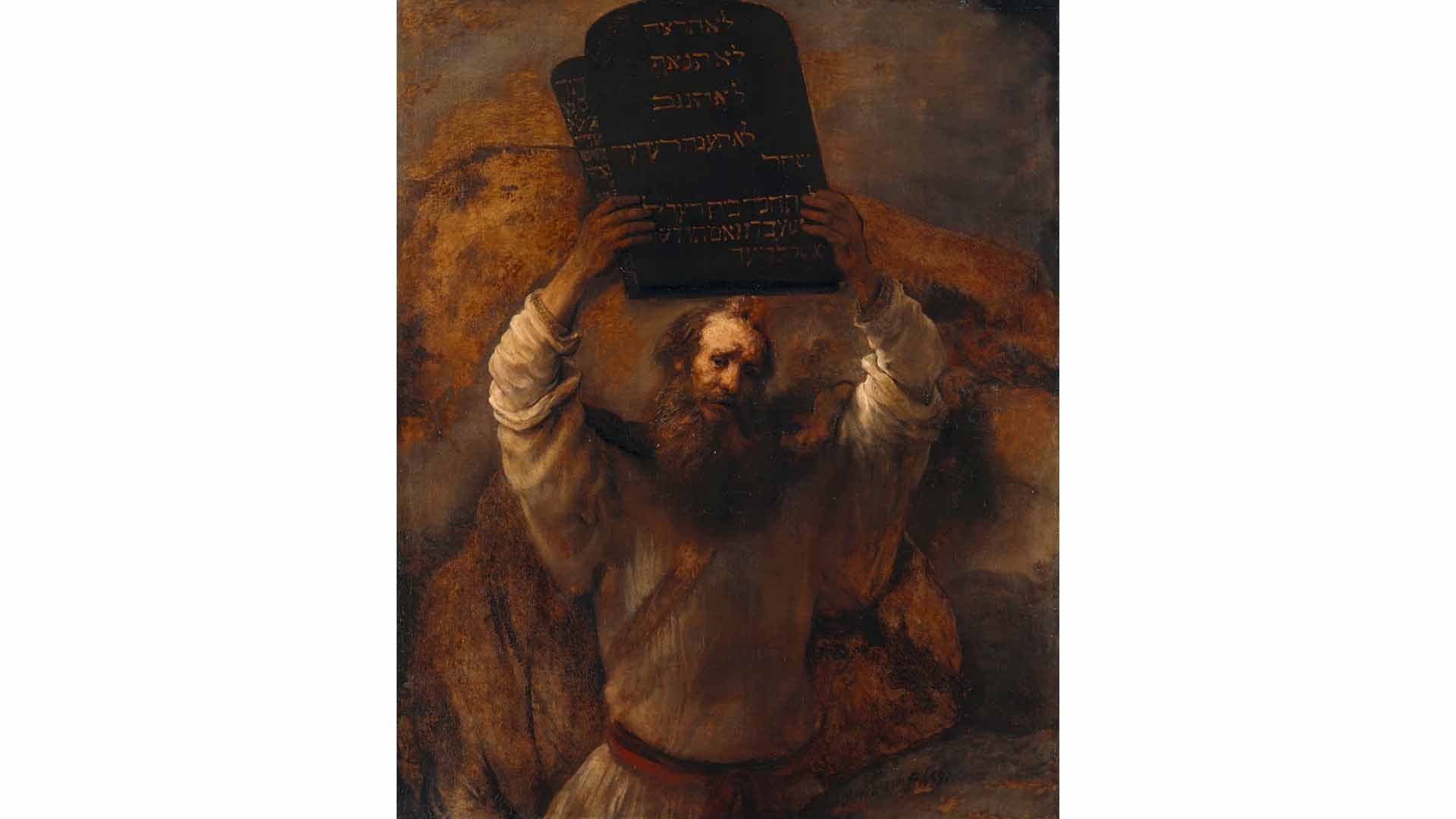
Shabbat 87:Broken Luchot
For the source text click/tap here: Shabbat 87
To download, click/tap here: PDF

Shabbat 86:The Date of Matan Torah
For the source text click/tap here: Shabbat 86
To download, click/tap here: PDF

Shabbat 83:He is terrible in His Doing
For the source text click/tap here: Shabbat 83
To download, click/tap here: PDF

Shabbat 81:Human Dignity
For the source text click/tap here: Shabbat 81
To download, click/tap here: PDF

Marc Chagall, "Moses Receiving the Tablets of the Law", 1952, oil on canvas, Musée National Marc Chagall, Nice, France. © ADAGP, Paris 2017
Shabbat 80:Ink,Letters, and Horns
For the source text click/tap here: Shabbat 80
To download, click/tap here: PDF

Shabbat 79:Dokhsostos
For the source text click/tap here: Shabbat 79
To download, click/tap here: PDF

Hoopoes (/ˈhuːpuː/) are colourful birds found across Africa, Asia, and Europe, notable for their distinctive "crown" of feathers. Three living and one extinct species are recognised, though for many years all were lumped as a single species—Upupa epops.

